Avatar of Vocabulary Set ファイナンス

SAT 数学と論理の語彙 内 ファイナンス 語彙セット:完全かつ詳細なリスト

「SAT 数学と論理の語彙」内の「ファイナンス」語彙セットは国際標準教材から厳選され、短期間で語彙をマスターできます。定義、例文、標準発音を網羅…

Lingolandでこの語彙セットを学習

今すぐ学習

compensate

/ˈkɑːm.pən.seɪt/

(verb) 補償する, 償う, 補う

例:

The company will compensate employees for their travel expenses.
会社は従業員の旅費を補償します。

reimburse

/ˌriː.ɪmˈbɝːs/

(verb) 払い戻す, 弁償する

例:

The company will reimburse you for your travel expenses.
会社はあなたの旅費を払い戻します。

accrue

/əˈkruː/

(verb) 発生する, 蓄積する, 帰属する

例:

Interest will accrue on the account daily.
利息は毎日口座に発生する

donate

/ˈdoʊ.neɪt/

(verb) 寄付する, 贈与する

例:

She decided to donate all her old clothes to a local shelter.
彼女は古い服をすべて地元のシェルターに寄付することにした。

acquire

/əˈkwaɪɚ/

(verb) 取得する, 獲得する, 手に入れる

例:

The company decided to acquire a smaller competitor.
その会社はより小さな競合他社を買収することを決定した。

fundraise

/ˈfʌndˌreɪz/

(verb) 募金活動をする, 資金を募る

例:

The school decided to fundraise for a new playground.
学校は新しい遊び場のために募金活動をすることに決めた。

borrow

/ˈbɑːr.oʊ/

(verb) 借りる, 借用する, 取り入れる

例:

Can I borrow your pen for a moment?
ペンを少し借りてもいいですか?

deposit

/dɪˈpɑː.zɪt/

(noun) 預金, 預託金, 手付金;

(verb) 預ける, 置く, 堆積させる

例:

I made a large deposit into my savings account.
貯蓄口座に多額の預金をしました。

garner

/ˈɡɑːr.nɚ/

(verb) 集める, 得る, 獲得する

例:

The candidate managed to garner a lot of support during the campaign.
候補者はキャンペーン中に多くの支持を集めることができた。

tariff

/ˈter.ɪf/

(noun) 関税, 税率, 料金;

(verb) 関税を課す, 課税する

例:

The government imposed a new tariff on imported cars.
政府は輸入車に新たな関税を課した。

levy

/ˈlev.i/

(verb) 課す, 徴収する, 徴募する;

(noun) 税金, 課徴金, 徴収

例:

The government decided to levy a new tax on luxury goods.
政府は高級品に新たな税金を課すことを決定した。

dividend

/ˈdɪv.ə.dend/

(noun) 配当, 配当金, 被除数

例:

The company announced a quarterly dividend of 50 cents per share.
その会社は1株あたり50セントの四半期配当を発表した。

revenue

/ˈrev.ə.nuː/

(noun) 収益, 歳入

例:

The company's annual revenue increased by 15%.
会社の年間収益は15%増加しました。

expense

/ɪkˈspens/

(noun) 費用, 経費

例:

Buying a new car is a big expense.
新車を買うのは大きな費用です。

austerity

/ˈɑː.ster.ə.t̬i/

(noun) 緊縮財政, 緊縮, 簡素

例:

The government announced new austerity measures to reduce the national debt.
政府は国家債務を削減するために新たな緊縮策を発表した。

commercialization

/kəˌmɝː.ʃəl.əˈzeɪ.ʃən/

(noun) 商業化, 営利化, 製品化

例:

The commercialization of football has led to higher ticket prices.
サッカーの商業化はチケット価格の高騰を招いた。

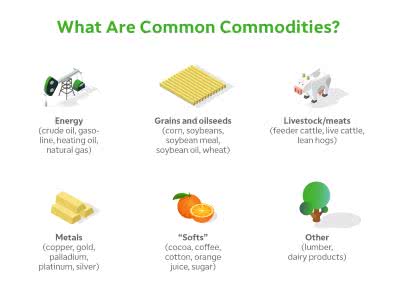
commodity

/kəˈmɑː.də.t̬i/

(noun) 商品, 一次産品, もの

例:

Oil is a valuable commodity in the global market.
石油は世界市場で貴重な商品です。

asset

/ˈæs.et/

(noun) 財産, 強み, 利点

例:

Her experience is a great asset to the team.
彼女の経験はチームにとって大きな財産です。

economy of scale

/ɪˈkɑː.nə.mi əv skeɪl/

(noun) 規模の経済

例:

Large companies often benefit from economies of scale that smaller firms cannot achieve.
大企業は、中小企業が達成できない規模の経済の恩恵を受けることがよくあります。

stock market

/ˈstɑːk ˌmɑːr.kɪt/

(noun) 株式市場, 証券取引所

例:

The stock market closed higher today.
今日の株式市場は高値で引けた。

fiduciary

/fɪˈduː.ʃi.er.i/

(adjective) 受託者の, 信託の;

(noun) 受託者, 信託人

例:

The lawyer has a fiduciary duty to act in the best interests of their client.
弁護士は依頼人の最善の利益のために行動する受託者としての義務を負う。

depreciation

/dɪˌpriː.ʃiˈeɪ.ʃən/

(noun) 減価償却, 価値の低下, 通貨の減価

例:

The car's value suffered significant depreciation over the first three years.
その車の価値は最初の3年間で大幅な減価償却を受けました。

salvage value

/ˈsæl.vɪdʒ ˌvæl.juː/

(noun) 残存価額, 廃品価値

例:

After ten years of use, the truck has a salvage value of five thousand dollars.
10年間の使用後、そのトラックの残存価額は5,000ドルです。

transaction

/trænˈzæk.ʃən/

(noun) 取引, 売買, 処理

例:

The bank processed the transaction quickly.
銀行は取引を迅速に処理した。

subsidy

/ˈsʌb.sə.di/

(noun) 補助金, 助成金

例:

The government provides subsidies to farmers.
政府は農家に補助金を提供しています。

monopoly

/məˈnɑː.pəl.i/

(noun) 独占, モノポリー, ボードゲームのモノポリー

例:

The company has a virtual monopoly on the market.
その会社は市場で事実上の独占状態にある。

blockbuster

/ˈblɑːkˌbʌs.tɚ/

(noun) 大ヒット作, 超大作, 売れ筋商品

例:

The new superhero movie is expected to be a summer blockbuster.
新しいスーパーヒーロー映画は夏の大ヒット作になると予想されている。

handout

/ˈhænd.aʊt/

(noun) 配布資料, プリント, 援助金

例:

The professor distributed handouts before the lecture.
教授は講義の前に配布資料を配った。

tuition

/tuːˈɪʃ.ən/

(noun) 授業料, 学費, 指導

例:

University tuition fees have increased significantly.
大学の授業料が大幅に値上がりしました。

recession

/rɪˈseʃ.ən/

(noun) 景気後退, 不況, 後退

例:

The country is currently experiencing a deep recession.
その国は現在、深刻な景気後退を経験している。

bankruptcy

/ˈbæŋ.krəpt.si/

(noun) 破産

例:

The company filed for bankruptcy after years of financial struggles.
その会社は長年の財政難の後、破産を申請した。

stake

/steɪk/

(noun) 杭, 棒, 賭け金;

(verb) 杭で示す, 主張する, 賭ける

例:

He drove a stake into the ground to mark the property line.
彼は敷地の境界線を示すために地面にを打ち込んだ。

consumer

/kənˈsuː.mɚ/

(noun) 消費者, 消費者 (生物学)

例:

The new policy aims to protect consumers from unfair practices.
新しい政策は、消費者を不公正な慣行から保護することを目的としている。

investor

/ɪnˈves.t̬ɚ/

(noun) 投資家

例:

She is a long-term investor in the stock market.
彼女は株式市場の長期投資家です。

opulence

/ˈɑː.pjə.ləns/

(noun) 豪華さ, 富裕, 贅沢

例:

The palace was decorated with incredible opulence.
宮殿は信じられないほどの豪華さで飾られていた。

overhead

/ˈoʊ.vɚ.hed/

(adverb) 頭上に, 上方に;

(adjective) 頭上の, 上部の;

(noun) 間接費, 固定費

例:
The plane flew overhead.
飛行機が頭上を飛んだ。

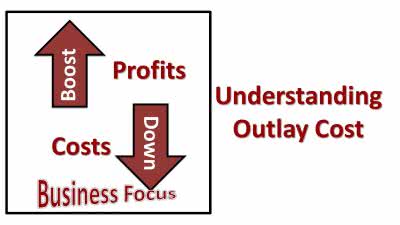
outlay

/ˈaʊt.leɪ/

(noun) 費用, 支出

例:

The initial outlay for the new business was substantial.
新規事業の初期費用はかなりの額でした。

treasury

/ˈtreʒ.ɚ.i/

(noun) 財務省, 金庫, 財源

例:

The national treasury is responsible for managing the country's finances.
国の財務省は国の財政管理を担当しています。

bounty

/ˈbaʊn.t̬i/

(noun) 報奨金, 懸賞金, 恵み

例:

The government offered a large bounty for the capture of the notorious outlaw.
政府は悪名高い無法者の逮捕に多額の報奨金を提示した。

ledger

/ˈledʒ.ɚ/

(noun) 勘定元帳, 台帳

例:

All transactions are recorded in the company's general ledger.
すべての取引は会社の総勘定元帳に記録されます。

pecuniary

/pɪˈkjuː.ni.er/

(adjective) 金銭の, 金銭に関する

例:

He was accused of pecuniary fraud.
彼は金銭的詐欺で告発された。

fiscal

/ˈfɪs.kəl/

(adjective) 財政の, 会計の, 金融の

例:

The government announced new fiscal policies to boost the economy.
政府は経済を活性化させるための新たな財政政策を発表した。

monetary

/ˈmɑː.nə.ter.i/

(adjective) 金融の, 貨幣の

例:

The central bank controls the nation's monetary policy.
中央銀行は国の金融政策を管理している。

lucrative

/ˈluː.krə.t̬ɪv/

(adjective) 儲かる, 有利な

例:

The business proved to be very lucrative.
その事業は非常に儲かることが判明した。

marketable

/ˈmɑːr.kɪ.t̬ə.bəl/

(adjective) 市場性のある, 売れる

例:

The product needs to be more marketable to attract buyers.
その製品は買い手を引きつけるためにもっと市場性がある必要がある。

intensive

/ɪnˈten.sɪv/

(adjective) 集中的な, 徹底的な, 集約的な

例:

The course provides intensive training in computer programming.
このコースはコンピュータプログラミングの集中的なトレーニングを提供します。

profitable

/ˈprɑː.fɪ.t̬ə.bəl/

(adjective) 利益になる, 儲かる, 有益な

例:

The new business venture proved to be very profitable.
新しい事業は非常に利益になることが証明された。

non-profit

/ˌnɑːnˈprɑːfɪt/

(adjective) 非営利の, 営利を目的としない;

(noun) 非営利団体, NPO

例:

The organization is a non-profit dedicated to environmental conservation.
その組織は環境保護に特化した非営利団体です。

capitalistic

/ˌkæp.ə.t̬əlˈɪs.tɪk/

(adjective) 資本主義的な

例:

The country transitioned from a socialist to a capitalistic economy.
その国は社会主義経済から資本主義的経済へと移行した。

high-end

/ˈhaɪ.end/

(adjective) ハイエンド, 高級な

例:

They specialize in high-end audio equipment.
彼らはハイエンドオーディオ機器を専門としている。

parsimonious

/ˌpɑːr.səˈmoʊ.ni.əs/

(adjective) 極端に惜しむ, けちな

例:

The charity was criticized for its parsimonious distribution of aid.
その慈善団体は援助の出し惜しみをする分配について批判された。

extravagant

/ɪkˈstræv.ə.ɡənt/

(adjective) 贅沢な, 浪費的な, 法外な

例:

The couple lived an extravagant lifestyle, spending lavishly on luxury goods.
その夫婦は贅沢な生活を送り、高級品に惜しみなくお金を使っていた。

affluent

/ˈæf.lu.ənt/

(adjective) 裕福な, 富裕な

例:

They live in an affluent neighborhood in the suburbs.
彼らは郊外の裕福な近隣に住んでいます。

upscale

/ˈʌp.skeɪl/

(adjective) 高級な, 上流階級向けの;

(verb) 拡大する, 向上させる, 高級化する

例:

The new restaurant has an upscale ambiance.
新しいレストランは高級な雰囲気です。

lavish

/ˈlæv.ɪʃ/

(adjective) 豪華な, 贅沢な, 気前の良い;

(verb) 惜しみなく与える, 浪費する, 贅沢に使う

例:

They lived a lavish lifestyle with multiple homes and expensive cars.
彼らは複数の家と高価な車で豪華な生活を送っていた。
Lingolandでこの語彙セットを学習