Avatar of Vocabulary Set ユニット4:過去の生活

9年生 内 ユニット4:過去の生活 語彙セット:完全かつ詳細なリスト

「9年生」内の「ユニット4:過去の生活」語彙セットは国際標準教材から厳選され、短期間で語彙をマスターできます。定義、例文、標準発音を網羅…

Lingolandでこの語彙セットを学習

今すぐ学習

Arctic

/ˈɑːrk.tɪk/

(noun) 北極, 北極圏;

(adjective) 北極の, 極寒の

例:

The expedition explored the remote areas of the Arctic.
探検隊は北極の遠隔地を探索した。

barefooted

/ˈber.fʊt.ɪd/

(adjective) 裸足で;

(adverb) 裸足で

例:

She walked barefooted on the beach, feeling the sand between her toes.
彼女は砂浜を裸足で歩き、つま先の間に砂を感じていた。

behave

/bɪˈheɪv/

(verb) 振る舞う, 行動する, 動作する

例:

The children behaved well during the trip.
子供たちは旅行中、行儀よく振る舞った

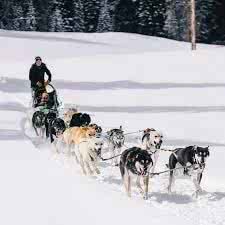
dogsled

/ˈdɑːɡ.sled/

(noun) 犬ぞり;

(verb) 犬ぞりで旅する

例:

The musher prepared his team for the dogsled race.
マッシャーは犬ぞりレースのためにチームを準備した。

domed

/doʊmd/

(adjective) ドーム型の, 丸屋根の;

(verb) ドーム型にする, 丸屋根にする

例:
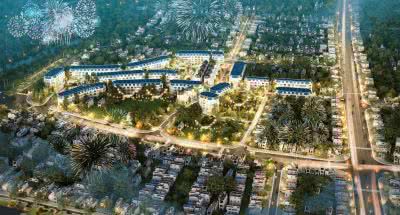
The observatory has a large domed roof.
その天文台には大きなドーム型の屋根がある。

downtown

/ˌdaʊnˈtaʊn/

(adverb) ダウンタウンに, ダウンタウンで;

(noun) ダウンタウン, 中心街;

(adjective) ダウンタウンの, 中心街の

例:
Let's go downtown for dinner tonight.
今夜はダウンタウンに夕食に行こう。

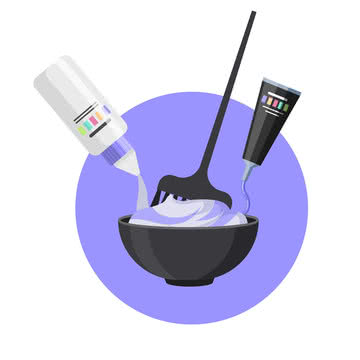
dye

/daɪ/

(noun) 染料, 染め粉;

(verb) 染める, 着色する

例:

She used a dark brown dye to color her hair.
彼女は髪を染めるために濃い茶色の染料を使った。

eat out

/iːt aʊt/

(phrasal verb) 外食する, レストランで食べる

例:

Let's eat out tonight, I don't feel like cooking.
今夜は外食しよう、料理する気分じゃないんだ。

entertain

/en.t̬ɚˈteɪn/

(verb) 楽しませる, もてなす, 検討する

例:

He hired a clown to entertain the children.
彼は子供たちを楽しませるためにピエロを雇った。

event

/ɪˈvent/

(noun) イベント, 行事, 出来事

例:

The wedding was a beautiful event.
結婚式は素晴らしいイベントでした。

face-to-face

/ˌfeɪs.təˈfeɪs/

(adjective) 対面で, 直接;

(adverb) 対面で, 直接

例:

They had a face-to-face meeting to discuss the project.
彼らはプロジェクトについて話し合うために対面で会議を行った。

facility

/fəˈsɪl.ə.t̬i/

(noun) 施設, 設備, 才能

例:

The hotel has excellent leisure facilities, including a swimming pool and gym.
そのホテルには、プールやジムを含む素晴らしいレジャー施設があります。

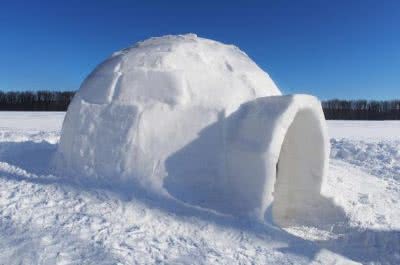
igloo

/ˈɪɡ.luː/

(noun) イグルー, 雪の家

例:

The Inuit people traditionally built igloos as temporary shelters.
イヌイットの人々は伝統的に一時的な避難所としてイグルーを建てました。

illiterate

/ɪˈlɪt̬.ɚ.ət/

(adjective) 読み書きができない, 文盲の, 無知な;

(noun) 読み書きができない人, 文盲者

例:

Many adults in rural areas are still illiterate.
農村部の多くの大人はまだ読み書きができない

lifestyle

/ˈlaɪf.staɪl/

(noun) ライフスタイル, 生活様式

例:

They adopted a healthy lifestyle after moving to the countryside.
彼らは田舎に引っ越した後、健康的なライフスタイルを取り入れた。

loudspeaker

/ˈlaʊdˌspiː.kɚ/

(noun) 拡声器, スピーカー

例:

The announcement was made over the loudspeaker.
アナウンスは拡声器を通して行われた。

occasion

/əˈkeɪ.ʒən/

(noun) 機会, 時, 行事;

(verb) 引き起こす, もたらす

例:

On one occasion, she forgot her lines.
ある、彼女はセリフを忘れた。

post

/poʊst/

(noun) 柱, 支柱, 投稿;

(verb) 掲示する, 発表する, 郵送する;

(preposition) 後, ポスト

例:
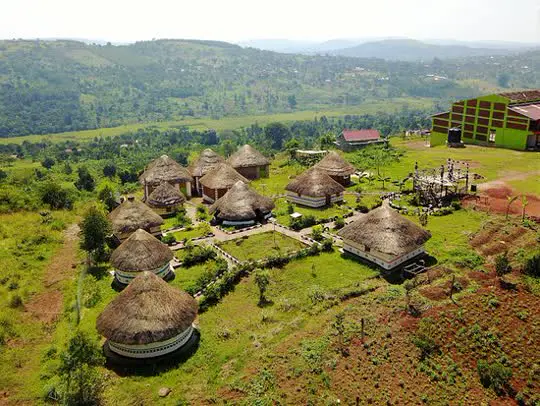
The fence post was rotten and needed to be replaced.
フェンスのは腐っていて、交換する必要があった。

remote

/rɪˈmoʊt/

(adjective) 遠隔の, 遠い, 低い;

(noun) リモコン

例:

The village is located in a remote area.
その村は遠隔地に位置している。

snack

/snæk/

(noun) おやつ, 軽食;

(verb) おやつを食べる, 軽食をとる

例:
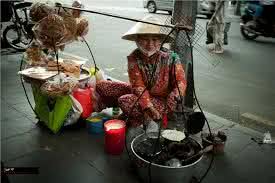
I usually have a fruit for my afternoon snack.
私はたいてい午後のおやつに果物を食べます。

street vendor

/ˈstriːt ˌven.dər/

(noun) 露天商, 行商人

例:

The street vendor was selling hot dogs and pretzels.
露天商はホットドッグとプレッツェルを売っていた。

strict

/strɪkt/

(adjective) 厳しい, 厳格な, 厳密な

例:

My parents were very strict about bedtime.
私の両親は就寝時間について非常に厳しかった

time-consuming

/ˈtaɪm.kənˌsuː.mɪŋ/

(adjective) 時間がかかる, 手間のかかる

例:

The paperwork for the new project is very time-consuming.
新しいプロジェクトの書類作成は非常に時間がかかる

treat

/triːt/

(verb) 扱う, 接する, 処理する;

(noun) ご褒美, 楽しみ, おごり

例:
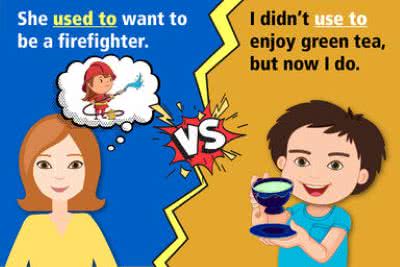
She treats everyone with respect.
彼女は皆を尊敬して接する

used to

/juːst tə/

(adjective) 慣れている;

(modal verb) かつて, 以前は

例:

I'm used to waking up early.
私は早起きに慣れています。

act out

/ækt aʊt/

(phrasal verb) 演じる, 行動で示す, 問題行動を起こす

例:

The children loved to act out their favorite fairy tales.
子供たちは大好きな童話を演じるのが大好きだった。

die out

/daɪ aʊt/

(phrasal verb) 絶滅する, 消滅する

例:

Many species of animals are dying out due to habitat loss.
多くの動物種は生息地の喪失により絶滅しつつある

pass on

/pæs ɑːn/

(phrasal verb) 伝える, 譲る, 亡くなる

例:

Please pass on this message to your colleagues.
このメッセージを同僚に伝えてください。
Lingolandでこの語彙セットを学習