Avatar of Vocabulary Set 4단원: 과거의 삶

9학년 내 4단원: 과거의 삶 어휘 세트: 완전하고 상세한 목록

'9학년' 내 '4단원: 과거의 삶' 어휘 세트는 국제 표준 교재 출처에서 엄선되어 짧은 시간 안에 어휘를 마스터할 수 있도록 도와줍니다. 정의, 예문, 표준 발음을 완벽하게 수록...

Lingoland에서 이 어휘 세트 학습하기

지금 학습하기
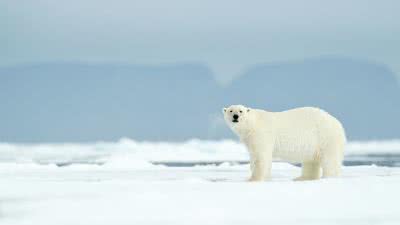
Arctic

/ˈɑːrk.tɪk/

(noun) 북극, 북극 지역;

(adjective) 북극의, 극도로 추운

예시:
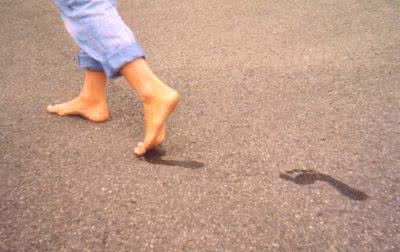
The expedition explored the remote areas of the Arctic.
탐험대는 북극의 외딴 지역을 탐험했다.

barefooted

/ˈber.fʊt.ɪd/

(adjective) 맨발로;

(adverb) 맨발로

예시:

She walked barefooted on the beach, feeling the sand between her toes.
그녀는 해변을 맨발로 걸으며 발가락 사이에 모래를 느꼈다.

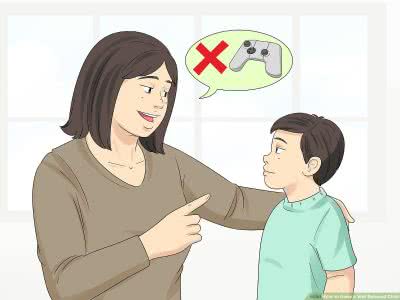
behave

/bɪˈheɪv/

(verb) 행동하다, 처신하다, 작동하다

예시:

The children behaved well during the trip.
아이들은 여행 중에 잘 행동했다.

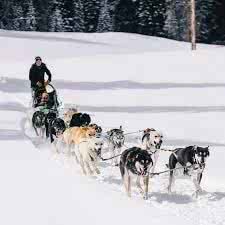
dogsled

/ˈdɑːɡ.sled/

(noun) 개썰매;

(verb) 개썰매를 타다

예시:

The musher prepared his team for the dogsled race.
머셔는 개썰매 경주를 위해 팀을 준비했다.

domed

/doʊmd/

(adjective) 돔형의, 둥근 지붕의;

(verb) 돔형으로 만들다, 둥근 지붕을 씌우다

예시:
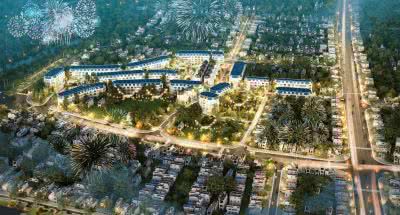
The observatory has a large domed roof.
그 천문대는 큰 돔형 지붕을 가지고 있다.

downtown

/ˌdaʊnˈtaʊn/

(adverb) 시내로, 시내에;

(noun) 시내, 도심;

(adjective) 시내의, 도심의

예시:
Let's go downtown for dinner tonight.
오늘 밤 시내로 저녁 먹으러 가자.

dye

/daɪ/

(noun) 염료, 물감;

(verb) 염색하다, 물들이다

예시:

She used a dark brown dye to color her hair.
그녀는 머리를 염색하기 위해 짙은 갈색 염료를 사용했다.

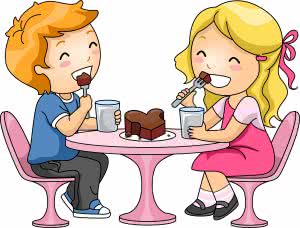
eat out

/iːt aʊt/

(phrasal verb) 외식하다, 밖에서 식사하다

예시:

Let's eat out tonight, I don't feel like cooking.
오늘 밤은 외식하자, 요리하기 싫어.

entertain

/en.t̬ɚˈteɪn/

(verb) 즐겁게 하다, 접대하다, 고려하다

예시:

He hired a clown to entertain the children.
그는 아이들을 즐겁게 해주기 위해 광대를 고용했다.

event

/ɪˈvent/

(noun) 행사, 이벤트, 사건

예시:

The wedding was a beautiful event.
결혼식은 아름다운 행사였다.

face-to-face

/ˌfeɪs.təˈfeɪs/

(adjective) 대면으로, 직접;

(adverb) 대면으로, 직접

예시:
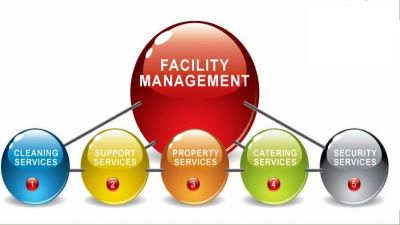
They had a face-to-face meeting to discuss the project.
그들은 프로젝트를 논의하기 위해 대면 회의를 가졌다.

facility

/fəˈsɪl.ə.t̬i/

(noun) 시설, 설비, 재능

예시:

The hotel has excellent leisure facilities, including a swimming pool and gym.
그 호텔은 수영장과 체육관을 포함한 훌륭한 레저 시설을 갖추고 있습니다.

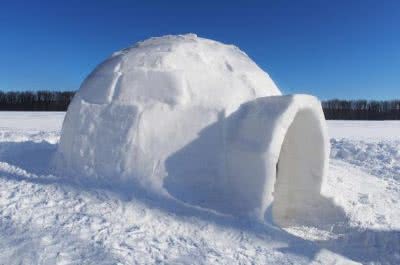
igloo

/ˈɪɡ.luː/

(noun) 이글루

예시:

The Inuit people traditionally built igloos as temporary shelters.
이누이트족은 전통적으로 임시 거처로 이글루를 지었습니다.

illiterate

/ɪˈlɪt̬.ɚ.ət/

(adjective) 문맹의, 무지한, 문외한인;

(noun) 문맹자

예시:
Many adults in rural areas are still illiterate.
농촌 지역의 많은 성인들은 여전히 문맹이다.

lifestyle

/ˈlaɪf.staɪl/

(noun) 생활 방식, 라이프스타일

예시:

They adopted a healthy lifestyle after moving to the countryside.
그들은 시골로 이사한 후 건강한 생활 방식을 채택했다.

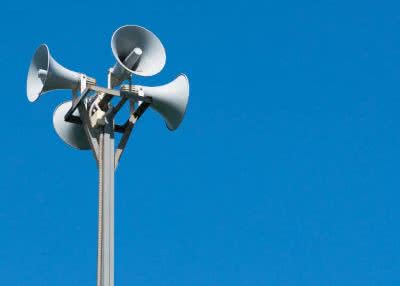
loudspeaker

/ˈlaʊdˌspiː.kɚ/

(noun) 확성기, 스피커

예시:

The announcement was made over the loudspeaker.
안내 방송은 확성기를 통해 나왔다.

occasion

/əˈkeɪ.ʒən/

(noun) 경우, 때, 행사;

(verb) 야기하다, 초래하다

예시:

On one occasion, she forgot her lines.
번은, 그녀가 대사를 잊었다.

post

/poʊst/

(noun) 기둥, 말뚝, 게시물;

(verb) 게시하다, 붙이다, 부치다;

(preposition) 후, 포스트

예시:
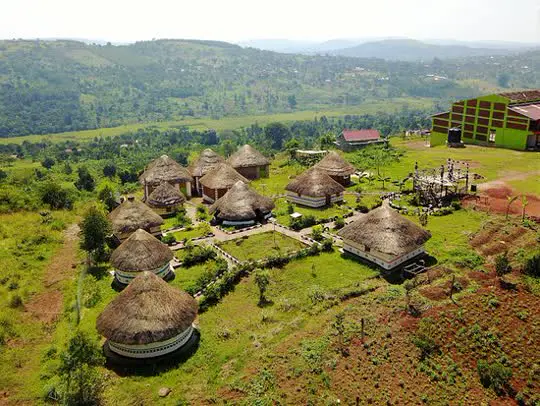
The fence post was rotten and needed to be replaced.
울타리 기둥이 썩어서 교체해야 했다.

remote

/rɪˈmoʊt/

(adjective) 외딴, 먼, 희박한;

(noun) 리모컨

예시:
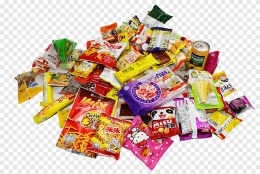
The village is located in a remote area.
그 마을은 외딴 지역에 위치해 있다.

snack

/snæk/

(noun) 간식, 스낵;

(verb) 간식 먹다, 스낵을 먹다

예시:
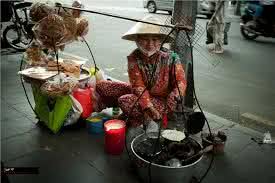
I usually have a fruit for my afternoon snack.
나는 보통 오후 간식으로 과일을 먹는다.

street vendor

/ˈstriːt ˌven.dər/

(noun) 거리 상인, 노점상

예시:

The street vendor was selling hot dogs and pretzels.
거리 상인은 핫도그와 프레첼을 팔고 있었다.

strict

/strɪkt/

(adjective) 엄격한, 까다로운, 정확한

예시:

My parents were very strict about bedtime.
우리 부모님은 취침 시간에 대해 매우 엄격하셨다.

time-consuming

/ˈtaɪm.kənˌsuː.mɪŋ/

(adjective) 시간이 많이 걸리는, 시간 소모적인

예시:

The paperwork for the new project is very time-consuming.
새 프로젝트의 서류 작업은 매우 시간이 많이 걸려.

treat

/triːt/

(verb) 대하다, 취급하다, 처리하다;

(noun) 즐거움, 선물, 한턱

예시:
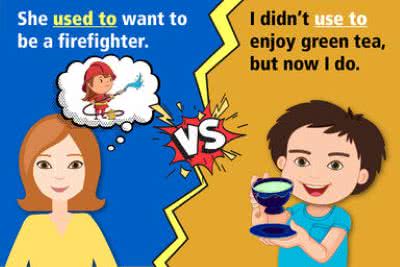
She treats everyone with respect.
그녀는 모두를 존중하며 대한다.

used to

/juːst tə/

(adjective) 익숙한;

(modal verb) 예전에, 과거에

예시:

I'm used to waking up early.
나는 일찍 일어나는 것에 익숙해.

act out

/ækt aʊt/

(phrasal verb) 연기하다, 행동으로 보여주다, 문제 행동을 보이다

예시:
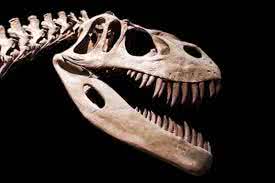
The children loved to act out their favorite fairy tales.
아이들은 좋아하는 동화를 연기하는 것을 좋아했다.

die out

/daɪ aʊt/

(phrasal verb) 멸종하다, 사라지다

예시:

Many species of animals are dying out due to habitat loss.
많은 동물 종들이 서식지 손실로 인해 멸종하고 있다.

pass on

/pæs ɑːn/

(phrasal verb) 전달하다, 물려주다, 죽다

예시:

Please pass on this message to your colleagues.
이 메시지를 동료들에게 전달해 주세요.
Lingoland에서 이 어휘 세트 학습하기