Avatar of Vocabulary Set 第四单元:过去的生活

词汇集 第四单元:过去的生活(属于 九年级):完整且详细的清单

词汇集「第四单元:过去的生活」(属于「九年级」)从国际标准教材来源精心挑选,帮助您在短时间内掌握词汇。全面汇整定义、例句及标准发音…

在 Lingoland 学习此词汇集

立即学习

Arctic

/ˈɑːrk.tɪk/

(noun) 北极, 北极地区;

(adjective) 北极的, 极冷的

示例:
The expedition explored the remote areas of the Arctic.
探险队探索了北极的偏远地区。

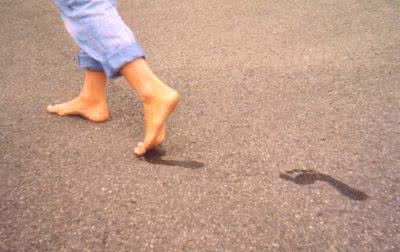
barefooted

/ˈber.fʊt.ɪd/

(adjective) 赤脚的;

(adverb) 赤脚地

示例:

She walked barefooted on the beach, feeling the sand between her toes.
赤脚走在沙滩上,感受着脚趾间的沙子。

behave

/bɪˈheɪv/

(verb) 表现, 行为, 运行

示例:

The children behaved well during the trip.
孩子们在旅途中表现很好。

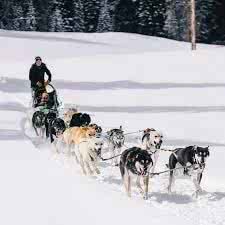
dogsled

/ˈdɑːɡ.sled/

(noun) 狗拉雪橇;

(verb) 驾驶狗拉雪橇

示例:

The musher prepared his team for the dogsled race.
雪橇手为狗拉雪橇比赛准备了他的队伍。

domed

/doʊmd/

(adjective) 圆顶的, 拱形的;

(verb) 加盖圆顶, 使成圆顶状

示例:

The observatory has a large domed roof.
天文台有一个巨大的圆顶屋顶。

downtown

/ˌdaʊnˈtaʊn/

(adverb) 市中心, 在市中心;

(noun) 市中心, 闹市区;

(adjective) 市中心的, 市内的

示例:

Let's go downtown for dinner tonight.
今晚我们去市中心吃晚饭吧。

dye

/daɪ/

(noun) 染料, 染色剂;

(verb) 染, 染色

示例:

She used a dark brown dye to color her hair.
她用深棕色染料染发。

eat out

/iːt aʊt/

(phrasal verb) 外出就餐, 在外面吃饭

示例:

Let's eat out tonight, I don't feel like cooking.
今晚我们出去吃吧,我不想做饭。

entertain

/en.t̬ɚˈteɪn/

(verb) 娱乐, 款待, 考虑

示例:

He hired a clown to entertain the children.
他雇了一个小丑来娱乐孩子们。

event

/ɪˈvent/

(noun) 活动, 事件, 事态

示例:

The wedding was a beautiful event.
婚礼是一个美丽的盛事

face-to-face

/ˌfeɪs.təˈfeɪs/

(adjective) 面对面, 当面;

(adverb) 面对面地, 当面

示例:

They had a face-to-face meeting to discuss the project.
他们进行了一次面对面的会议来讨论这个项目。

facility

/fəˈsɪl.ə.t̬i/

(noun) 设施, 设备, 场所

示例:

The hotel has excellent leisure facilities, including a swimming pool and gym.
这家酒店拥有出色的休闲设施,包括游泳池和健身房。

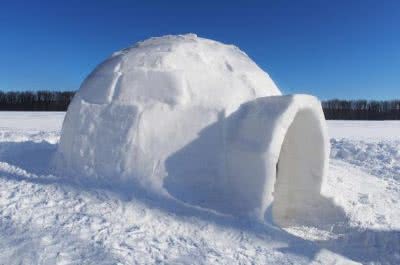
igloo

/ˈɪɡ.luː/

(noun) 冰屋

示例:

The Inuit people traditionally built igloos as temporary shelters.
因纽特人传统上建造冰屋作为临时住所。

illiterate

/ɪˈlɪt̬.ɚ.ət/

(adjective) 文盲的, 不识字的, 无知的;

(noun) 文盲, 不识字的人

示例:

Many adults in rural areas are still illiterate.
许多农村地区的成年人仍然是文盲

lifestyle

/ˈlaɪf.staɪl/

(noun) 生活方式

示例:

They adopted a healthy lifestyle after moving to the countryside.
搬到乡村后,他们采纳了健康生活方式

loudspeaker

/ˈlaʊdˌspiː.kɚ/

(noun) 扬声器, 喇叭

示例:

The announcement was made over the loudspeaker.
通知是通过扬声器发出的。

occasion

/əˈkeɪ.ʒən/

(noun) 场合, 时机, 节日;

(verb) 引起, 导致

示例:

On one occasion, she forgot her lines.
有一次,她忘记了台词。

post

/poʊst/

(noun) 柱子, 桩, 帖子;

(verb) 张贴, 公布, 寄;

(preposition) 后, 后期

示例:
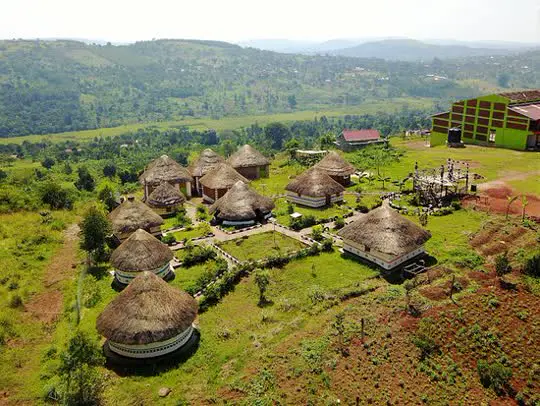
The fence post was rotten and needed to be replaced.
栅栏柱子腐烂了,需要更换。

remote

/rɪˈmoʊt/

(adjective) 偏远的, 遥远的, 渺茫的;

(noun) 遥控器

示例:

The village is located in a remote area.
这个村庄位于一个偏远的地区。

snack

/snæk/

(noun) 零食, 点心;

(verb) 吃零食, 吃点心

示例:

I usually have a fruit for my afternoon snack.
我通常在下午吃水果作为零食

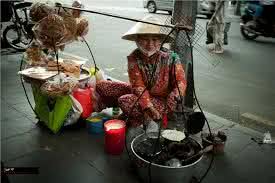
street vendor

/ˈstriːt ˌven.dər/

(noun) 街头小贩, 摊贩

示例:

The street vendor was selling hot dogs and pretzels.
街头小贩正在卖热狗和椒盐脆饼。

strict

/strɪkt/

(adjective) 严格的, 严厉的, 精确的

示例:

My parents were very strict about bedtime.
我的父母对睡觉时间非常严格

time-consuming

/ˈtaɪm.kənˌsuː.mɪŋ/

(adjective) 耗时, 费时

示例:

The paperwork for the new project is very time-consuming.
新项目的文书工作非常耗时

treat

/triːt/

(verb) 对待, 处理, 加工;

(noun) 款待, 享受, 礼物

示例:
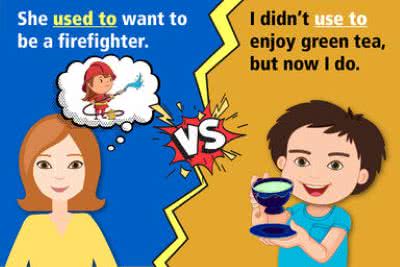
She treats everyone with respect.
对待每个人都很尊重。

used to

/juːst tə/

(adjective) 习惯于;

(modal verb) 以前, 过去

示例:

I'm used to waking up early.
习惯于早起。

act out

/ækt aʊt/

(phrasal verb) 表演, 扮演, 行为失常

示例:

The children loved to act out their favorite fairy tales.
孩子们喜欢表演他们最喜欢的童话故事。

die out

/daɪ aʊt/

(phrasal verb) 灭绝, 消亡

示例:

Many species of animals are dying out due to habitat loss.
许多动物物种因栖息地丧失而灭绝

pass on

/pæs ɑːn/

(phrasal verb) 转达, 传递, 去世

示例:

Please pass on this message to your colleagues.
请把这个消息转达给你的同事。
在 Lingoland 学习此词汇集