Avatar of Vocabulary Set Oxford 5000 - B2 - 文字 S

Oxford 5000 - B2 内 Oxford 5000 - B2 - 文字 S 語彙セット:完全かつ詳細なリスト

「Oxford 5000 - B2」内の「Oxford 5000 - B2 - 文字 S」語彙セットは国際標準教材から厳選され、短期間で語彙をマスターできます。定義、例文、標準発音を網羅…

Lingolandでこの語彙セットを学習

今すぐ学習

satisfaction

/ˌsæt̬.ɪsˈfæk.ʃən/

(noun) 満足, 充足, 履行

例:

Customer satisfaction is our top priority.
顧客の満足が最優先事項です。

scandal

/ˈskæn.dəl/

(noun) スキャンダル, 不祥事, 不名誉

例:

The politician resigned after a financial scandal.
その政治家は金融スキャンダルの後、辞任した。

scare

/sker/

(verb) 怖がらせる, おびえさせる;

(noun) 恐怖, 不安, 驚き

例:
The sudden noise scared the cat.
突然の物音に猫が怖がった

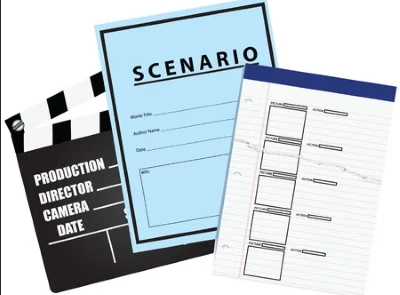
scenario

/səˈner.i.oʊ/

(noun) シナリオ, 脚本, 状況

例:

The director approved the final scenario for the film.
監督は映画の最終シナリオを承認した。

scholar

/ˈskɑː.lɚ/

(noun) 学者, 研究者, 奨学生

例:

She is a renowned scholar of ancient history.
彼女は古代史の著名な学者です。

scholarship

/ˈskɑː.lɚ.ʃɪp/

(noun) 学問, 学識, 奨学金

例:

Her dedication to scholarship was evident in her extensive research.
彼女の学問への献身は、広範な研究に明らかでした。

scratch

/skrætʃ/

(noun) 引っかき傷, 擦り傷, スタート;

(verb) 引っかく, 傷つける, かく

例:

The cat left a scratch on my arm.
猫が私の腕に引っかき傷を残した。

screening

/ˈskriː.nɪŋ/

(noun) 上映, スクリーニング, 選別

例:

There will be a special screening of the documentary tonight.
今夜、ドキュメンタリーの特別上映があります。

seeker

/ˈsiː.kɚ/

(noun) 探求者, 求職者

例:

She is a truth seeker, always questioning and exploring.
彼女は真実の探求者であり、常に問いかけ、探求している。

seminar

/ˈsem.ə.nɑːr/

(noun) セミナー, 研究会, ゼミ

例:

I attended a seminar on digital marketing.
デジタルマーケティングに関するセミナーに参加しました。

settler

/ˈset.lɚ/

(noun) 入植者, 開拓者

例:

The early settlers faced many hardships.
初期の入植者は多くの困難に直面した。

severely

/səˈvɪr.li/

(adverb) 厳しく, ひどく, 手厳しく

例:

He was severely injured in the accident.
彼は事故で重傷を負った

sexy

/ˈsek.si/

(adjective) セクシーな, 魅力的な, 刺激的な

例:

She looked incredibly sexy in her new dress.
彼女は新しいドレスで信じられないほどセクシーに見えた。

shaped

/ʃeɪpt/

(adjective) 形をした, 〜形;

(past participle) 形作った, 形成した

例:

The artist created a heart-shaped sculpture.
その芸術家はハートの彫刻を制作した。

shocking

/ˈʃɑː.kɪŋ/

(adjective) 衝撃的な, 驚くべき

例:

The news of the accident was truly shocking.
その事故のニュースは本当に衝撃的だった。

shore

/ʃɔːr/

(noun) 岸, 海岸;

(verb) 支える, 補強する

例:

We walked along the shore, collecting seashells.
私たちは岸辺を歩き、貝殻を集めた。

shortage

/ˈʃɔːr.t̬ɪdʒ/

(noun) 不足, 欠乏

例:

There is a severe shortage of clean water in the region.
その地域ではきれいな水が深刻に不足している。

shortly

/ˈʃɔːrt.li/

(adverb) まもなく, すぐに, ぶっきらぼうに

例:

The train will arrive shortly.
電車はまもなく到着します。

short-term

/ˌʃɔːrtˈtɜːrm/

(adjective) 短期的な, 一時的な

例:

We need a short-term solution to this problem.
この問題には短期的な解決策が必要です。

sibling

/ˈsɪb.lɪŋ/

(noun) 兄弟姉妹

例:

She has two younger siblings.
彼女には2人の年下の兄弟姉妹がいます。

signature

/ˈsɪɡ.nə.tʃɚ/

(noun) 署名, サイン, 特徴

例:

Please put your signature at the bottom of the form.
フォームの下部に署名をお願いします。

significance

/sɪɡˈnɪf.ə.kəns/

(noun) 意義, 重要性, 意味

例:

The discovery of the new planet is of great significance to astronomers.
新しい惑星の発見は天文学者にとって大きな意義がある。

skilled

/skɪld/

(adjective) 熟練した, 巧みな

例:

She is a highly skilled surgeon.
彼女は非常に熟練した外科医です。

skull

/skʌl/

(noun) 頭蓋骨;

(verb) 頭を殴る

例:

The human skull protects the brain.
人間の頭蓋骨は脳を保護する。

slogan

/ˈsloʊ.ɡən/

(noun) スローガン, 標語

例:

The company's new slogan is 'Innovate, Create, Elevate'.
その会社の新しいスローガンは「革新し、創造し、高める」です。

so-called

/ˈsoʊ.kɔːld/

(adjective) いわゆる

例:

His so-called friends abandoned him when he needed them most.
彼のいわゆる友人たちは、彼が最も必要としているときに彼を見捨てた。

somehow

/ˈsʌm.haʊ/

(adverb) どうにかして, なぜか, どういうわけか

例:

We need to finish this project somehow.
どうにかしてこのプロジェクトを終わらせる必要がある。

sometime

/ˈsʌm.taɪm/

(adverb) いつか, ある時;

(adjective) かつての, 以前の

例:

Let's meet for coffee sometime next week.
来週いつかコーヒーを飲みに行きましょう。

sophisticated

/səˈfɪs.tə.keɪ.t̬ɪd/

(adjective) 洗練された, 教養のある, 高度な

例:

She is a very sophisticated woman with a global perspective.
彼女は世界的な視点を持つ非常に洗練された女性です。

spare

/sper/

(adjective) 予備の, 余分な, 痩せた;

(verb) 割く, 与える, 助ける;

(noun) スペア, スペアタイヤ

例:

Do you have a spare key?
予備の鍵はありますか?

specialize

/ˈspeʃ.ə.laɪz/

(verb) 専門とする, 特化する

例:

Our company specializes in custom software development.
当社はカスタムソフトウェア開発に特化しています。

specify

/ˈspes.ə.faɪ/

(verb) 指定する, 明記する

例:

Please specify the exact requirements for the project.
プロジェクトの正確な要件を指定してください。

spectacular

/spekˈtæk.jə.lɚ/

(adjective) 壮観な, 華やかな, 壮大な

例:

The view from the mountain was spectacular.
山からの眺めは壮観だった。

spectator

/spekˈteɪ.t̬ɚ/

(noun) 観客, 見物人

例:

The spectators cheered loudly for their team.
観客は自分たちのチームに大声で声援を送った。

speculate

/ˈspek.jə.leɪt/

(verb) 推測する, 憶測する, 投機する

例:

The police refused to speculate about the cause of the fire.
警察は火災の原因について推測することを拒否した。

speculation

/ˌspek.jəˈleɪ.ʃən/

(noun) 憶測, 推測, 投機

例:

His disappearance has led to much speculation.
彼の失踪は多くの憶測を呼んだ。

spice

/spaɪs/

(noun) スパイス, 香辛料, 面白み;

(verb) スパイスを効かせる, 風味を増す, 盛り上げる

例:

Add a pinch of your favorite spice to the soup.
スープにお好みのスパイスをひとつまみ加えてください。

spill

/spɪl/

(verb) こぼす, 流す, 投げ出す;

(noun) こぼれたもの, 流出, 転倒

例:

Be careful not to spill your drink.
飲み物をこぼさないように気をつけて。

spite

/spaɪt/

(noun) 悪意, 意地悪, 恨み;

(verb) 意地悪をする, 嫌がらせをする, 腹を立てさせる

例:

He did it out of pure spite.
彼は純粋な悪意からそれをした。

spoil

/spɔɪl/

(verb) 台無しにする, 損なう, 甘やかす;

(noun) 戦利品, 略奪品

例:

The rain spoiled our picnic plans.
雨が私たちのピクニックの計画を台無しにした

spokesman

/ˈspoʊks.mən/

(noun) 広報担当者, スポークスマン

例:

The company's spokesman announced the new policy.
会社の広報担当者が新しい方針を発表した。

spokesperson

/ˈspoʊksˌpɝː.sən/

(noun) 広報担当者, スポークスパーソン

例:

The company's spokesperson announced the new policy.
会社の広報担当者が新しい方針を発表した。

spokeswoman

/ˈspoʊksˌwʊm.ən/

(noun) 広報担当者, スポークスウーマン

例:

The company's spokeswoman announced the new policy.
会社の広報担当者が新しい方針を発表した。

sponsorship

/ˈspɑːn.sɚ.ʃɪp/

(noun) スポンサーシップ, 後援

例:

The company provided generous sponsorship for the charity event.
その会社はチャリティーイベントに惜しみないスポンサーシップを提供した。

sporting

/ˈspɔːrt.ɪŋ/

(adjective) スポーツの, 運動の, スポーツマンらしい;

(noun) スポーツ活動, 運動

例:

He has a great sporting talent.
彼は素晴らしいスポーツの才能を持っている。

stall

/stɑːl/

(noun) 屋台, 露店, 馬房;

(verb) 停滞する, 時間を稼ぐ, エンストする

例:

She set up a fruit stall at the farmer's market.
彼女はファーマーズマーケットに果物の屋台を出した。

stance

/stæns/

(noun) スタンス, 姿勢, 見解

例:

He adopted a wide stance before hitting the ball.
彼はボールを打つ前に広いスタンスを取った。

starve

/stɑːrv/

(verb) 飢える, 餓死する, お腹がペコペコだ

例:

Many people starve in war-torn regions.
戦禍の地域では多くの人々が飢えている

steadily

/ˈsted.əl.i/

(adverb) 着実に, 安定して, しっかりと

例:

The rain fell steadily for hours.
雨は何時間も着実に降り続いた。

steam

/stiːm/

(noun) 蒸気, 湯気, 蒸気力;

(verb) 蒸す, 蒸気で進む, 蒸気で動く

例:
The kettle produced a lot of steam.
やかんからたくさんの蒸気が出た。

stimulate

/ˈstɪm.jə.leɪt/

(verb) 刺激する, 促進する, 活性化する

例:

The government plans to introduce measures to stimulate the economy.
政府は経済を刺激するための措置を導入する予定です。

strengthen

/ˈstreŋ.θən/

(verb) 強化する, 強める

例:

The new policy will strengthen the economy.
新しい政策は経済を強化するだろう。

strictly

/ˈstrɪkt.li/

(adverb) 厳しく, 厳密に, 限定的に

例:

The rules are strictly enforced.
規則は厳しく施行されています。

stroke

/stroʊk/

(noun) 一撃, 筆致, 脳卒中;

(verb) なでる, さする, 打つ

例:

He delivered a powerful stroke with his tennis racket.
彼はテニスラケットで強力な一撃を放った。

stunning

/ˈstʌn.ɪŋ/

(adjective) 見事な, 素晴らしい, 息をのむような

例:

She looked absolutely stunning in her wedding dress.
彼女はウェディングドレス姿が本当に見事だった。

subsequent

/ˈsʌb.sɪ.kwənt/

(adjective) その後の, 次の

例:

The subsequent events confirmed our suspicions.
その後の出来事が我々の疑念を裏付けた。

subsequently

/ˈsʌb.sɪ.kwənt.li/

(adverb) その後, 続いて

例:

He was injured and subsequently unable to play.
彼は負傷し、その後プレーできなくなった。

suburb

/ˈsʌb.ɝːb/

(noun) 郊外, 近郊

例:

They moved from the city center to a quiet suburb.
彼らは都心から静かな郊外に引っ越した。

suffering

/ˈsʌf.ɚ.ɪŋ/

(noun) 苦しみ, 苦痛, 受難;

(verb) 苦しんでいる, 被っている

例:

The war caused immense suffering to the population.
戦争は住民に甚大な苦しみをもたらした。

sufficient

/səˈfɪʃ.ənt/

(adjective) 十分な, 足りる

例:

We have sufficient resources to complete the project.
プロジェクトを完了するのに十分なリソースがあります。

sufficiently

/səˈfɪʃ.ənt.li/

(adverb) 十分に, 足りるほど

例:

The food provided was sufficiently for everyone.
提供された食べ物は全員にとって十分でした。

super

/ˈsuː.pɚ/

(adjective) 最高の, 素晴らしい;

(adverb) すごく, 非常に;

(prefix) 超, 上, 越えて

例:

We had a super time at the party.
パーティーで最高の時間を過ごしました。

surgeon

/ˈsɝː.dʒən/

(noun) 外科医

例:

The surgeon performed a complex operation.
その外科医は複雑な手術を行った。

survival

/sɚˈvaɪ.vəl/

(noun) 生存, 生き残り

例:

The polar bear's thick fur is essential for its survival in the Arctic.
ホッキョクグマの厚い毛皮は、北極での生存に不可欠です。

survivor

/sɚˈvaɪ.vɚ/

(noun) 生存者, 生き残り, 残存物

例:

She was the sole survivor of the plane crash.
彼女は飛行機事故の唯一の生存者だった。

suspend

/səˈspend/

(verb) 一時停止する, 中断する, 吊るす

例:

The club has suspended him for two matches.
クラブは彼を2試合出場停止にした。

sustainable

/səˈsteɪ.nə.bəl/

(adjective) 持続可能な, 維持できる, 環境に優しい

例:

The company aims for sustainable growth.
その会社は持続可能な成長を目指している。

swallow

/ˈswɑː.loʊ/

(verb) 飲み込む, 嚥下する, 受け入れる;

(noun) ツバメ, 飲み込み, 嚥下

例:

He took a large gulp and swallowed the bitter medicine.
彼は大きくごくりと飲んで、苦い薬を飲み込んだ

sympathetic

/ˌsɪm.pəˈθet̬.ɪk/

(adjective) 同情的な, 共感的な, 好意的な

例:

She was very sympathetic when I told her about my loss.
私が喪失について話したとき、彼女はとても同情的でした。
Lingolandでこの語彙セットを学習