Avatar of Vocabulary Set B1 - 文字 S

Oxford 3000 - B1 内 B1 - 文字 S 語彙セット:完全かつ詳細なリスト

「Oxford 3000 - B1」内の「B1 - 文字 S」語彙セットは国際標準教材から厳選され、短期間で語彙をマスターできます。定義、例文、標準発音を網羅…

Lingolandでこの語彙セットを学習

今すぐ学習

safety

/ˈseɪf.ti/

(noun) 安全, 無事, 安全装置

例:

The children's safety is our top priority.
子供たちの安全が最優先事項です。

sail

/seɪl/

(noun) 帆;

(verb) 航海する, 進む, 滑空する

例:

The ship hoisted its sails and departed.
船はを上げて出発した。

sailor

/ˈseɪ.lɚ/

(noun) 船乗り, 水兵

例:

The old sailor told tales of his voyages across the sea.
船乗りは海を渡る航海の物語を語った。

sample

/ˈsæm.pəl/

(noun) サンプル, 見本;

(verb) サンプリングする, 試す

例:

Please provide a sample of your work.
あなたの作品のサンプルを提供してください。

sand

/sænd/

(noun) 砂;

(verb) やすりがけする, 研磨する

例:

The children played in the sand on the beach.
子供たちはビーチので遊んだ。

scan

/skæn/

(verb) ざっと読む, 見渡す, スキャンする;

(noun) スキャン, 走査, スキャン画像

例:
She scanned the newspaper headlines.
彼女は新聞の見出しをざっと読んだ

scientific

/ˌsaɪ.ənˈtɪf.ɪk/

(adjective) 科学的な, 科学の

例:

The researchers conducted a scientific study on climate change.
研究者たちは気候変動に関する科学的な研究を行った。

script

/skrɪpt/

(noun) 台本, 脚本, 筆跡;

(verb) 脚本を書く, 台本を作成する

例:

The actors are rehearsing the new script.
俳優たちは新しい台本をリハーサルしている。

sculpture

/ˈskʌlp.tʃɚ/

(noun) 彫刻, 彫刻芸術, 彫像;

(verb) 彫刻する, 形作る

例:
He studied sculpture at art school.
彼は美術学校で彫刻を学んだ。

secondary

/ˈsek.ən.der.i/

(adjective) 二次的な, 副次的な, 中等

例:

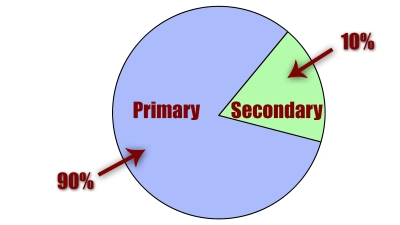
The primary goal is to finish the project; everything else is secondary.
主要な目標はプロジェクトを完了することであり、他のすべては二次的です。

security

/səˈkjʊr.ə.t̬i/

(noun) 安全, セキュリティ, 警備

例:

The new alarm system provides enhanced security for the building.
新しい警報システムは、建物に強化されたセキュリティを提供します。

seed

/siːd/

(noun) 種, 種子, 起源;

(verb) 種をまく, 播種する, 種を取り除く

例:

Plant the seed in fertile soil.
を肥沃な土壌に植える。

sensible

/ˈsen.sə.bəl/

(adjective) 賢明な, 分別のある, 実用的な

例:

It was a sensible decision to save money for the future.
将来のためにお金を貯めるのは賢明な決断だった。

separate

/ˈsep.ɚ.ət/

(verb) 分ける, 分離する, 別れる;

(adjective) 別々の, 個別の

例:

The fence separates the two properties.
フェンスが2つの敷地を隔てている

seriously

/ˈsɪr.i.əs.li/

(adverb) 真剣に, 本気で, 重く;

(interjection) 本当に, マジで

例:

Are you seriously considering that offer?
その提案を真剣に検討していますか?

servant

/ˈsɝː.vənt/

(noun) 使用人, 召使い, 奉公人

例:

The wealthy family had many servants to manage their large estate.
裕福な家族は、広大な敷地を管理するために多くの使用人を抱えていた。

set

/set/

(verb) 置く, 据える, セットする;

(noun) セット, 一式, 構え;

(adjective) 設定された, 決まった

例:
She set the book on the table.
彼女は本をテーブルに置いた

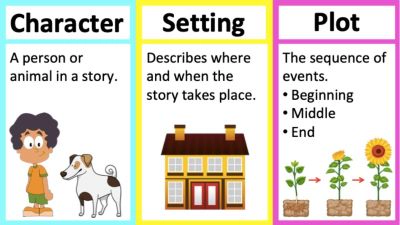
setting

/ˈset̬.ɪŋ/

(noun) 舞台, 環境, 設定

例:

The movie's setting was a remote island.
映画の舞台は遠隔の島だった。

sex

/seks/

(noun) 性別, セックス, 性行為;

(verb) 性別を判別する

例:

What sex is your baby?
あなたの赤ちゃんの性別は何ですか?

sexual

/ˈsek.ʃu.əl/

(adjective) 有性, 性的な, 性的

例:

Humans reproduce through sexual reproduction.
人間は有性生殖によって繁殖する。

shake

/ʃeɪk/

(verb) 振る, 揺らす, 動揺させる;

(noun) 揺れ, 振動

例:

He began to shake the bottle to mix the contents.
彼は中身を混ぜるためにボトルを振る始めた。

share

/ʃer/

(noun) 分け前, 分担, 株;

(verb) 共有する, 分け合う, 伝える

例:
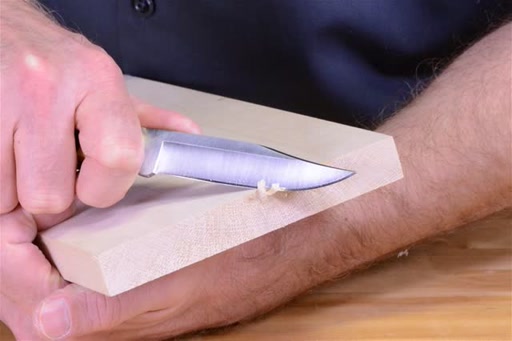
Everyone received an equal share of the profits.
誰もが利益の均等な分け前を受け取った。

sharp

/ʃɑːrp/

(adjective) 鋭い, 尖った, 強い;

(adverb) きっかり, 急に;

(noun) シャープ, 半音高い

例:
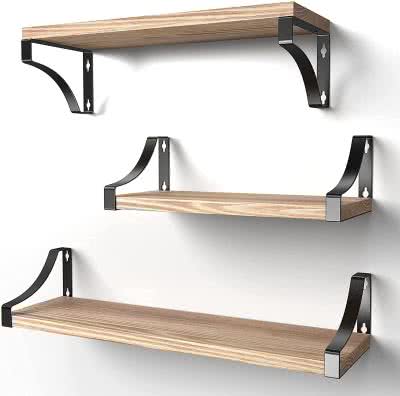
Be careful, that knife is very sharp.
気をつけて、そのナイフはとても鋭い

shelf

/ʃelf/

(noun) 棚, シェルフ, 大陸棚

例:

She placed the book on the top shelf.
彼女は本を一番上の棚に置いた。

shell

/ʃel/

(noun) 殻, 甲羅, 貝殻;

(verb) 殻をむく, 剥く, 砲撃する

例:

She cracked the nut shell to get to the kernel.
彼女は実を取り出すためにナッツのを割った。

shift

/ʃɪft/

(noun) 変化, ずれ, シフト;

(verb) 動かす, 移動させる, ギアを変える

例:

There has been a significant shift in public opinion.
世論に大きな変化があった。

shine

/ʃaɪn/

(verb) 輝く, 光る, 照らす;

(noun) 輝き, 光沢

例:

The sun began to shine brightly.
太陽が明るく輝き始めた。

shiny

/ˈʃaɪ.ni/

(adjective) 光沢のある, 輝く

例:

The car was polished to a shiny finish.
車は光沢のある仕上がりになるまで磨かれた。

shoot

/ʃuːt/

(verb) 撃つ, 射る, 急行する;

(noun) 銃声, 射撃, 芽;

(exclamation) しまった, さあ

例:

The police officer had to shoot the armed suspect.
警察官は武装した容疑者を撃たなければならなかった。

shy

/ʃaɪ/

(adjective) 内気な, 恥ずかしがりの, 臆病な;

(verb) 投げる, 放る, 驚いて飛びのく;

(noun) 飛びのき, 驚き

例:

She was too shy to ask him to dance.
彼女は彼をダンスに誘うにはあまりにも内気だった。

sight

/saɪt/

(noun) 視力, 視覚, 光景;

(verb) 見つける, 目撃する

例:

He lost his sight in the accident.
彼は事故で視力を失った。

signal

/ˈsɪɡ.nəl/

(noun) 信号, 合図, 電波;

(verb) 合図する, 信号を送る

例:

He gave a signal to the driver to stop.
彼は運転手に止まるように合図を送った。

silent

/ˈsaɪ.lənt/

(adjective) 静かな, 無言の, 口数の少ない

例:

The house was completely silent.
家は完全に静かだった

silly

/ˈsɪl.i/

(adjective) ばかな, 愚かな, くだらない

例:

Don't be silly, of course I love you.
ばかなこと言わないで、もちろん愛してるよ。

similarity

/ˌsɪm.əˈler.ə.t̬i/

(noun) 類似性, 共通点

例:

There is a strong similarity between the two paintings.
2つの絵画には強い類似性があります。

similarly

/ˈsɪm.ə.lɚ.li/

(adverb) 同様に, 同様の方法で, 同じく

例:

The two cases were handled similarly.
2つのケースは同様に処理されました。

simply

/ˈsɪm.pli/

(adverb) 簡単に, 単純に, ただ

例:

She dressed simply for the casual event.
彼女はカジュアルなイベントのためにシンプルに服を着た。

since

/sɪns/

(preposition) 以来, から;

(conjunction) 以来, ので, だから;

(adverb) それ以来

例:

I haven't seen her since last year.
昨年以来彼女に会っていない。

sink

/sɪŋk/

(verb) 沈む, 下がる, 沈める;

(noun) シンク, 流し台

例:

The ship began to sink after hitting the iceberg.
船は氷山に衝突した後、沈み始めた。

slice

/slaɪs/

(noun) 一切れ, 薄切り, 分け前;

(verb) スライスする, 薄切りにする, 曲げる

例:
Can I have a slice of cake?
ケーキを一切れいただけますか?

slightly

/ˈslaɪt.li/

(adverb) 少し, わずかに

例:

She was slightly taller than her brother.
彼女は兄より少し背が高かった。

slow

/sloʊ/

(adjective) 遅い, 理解が遅い, 頭の回転が遅い;

(adverb) ゆっくりと, 遅く;

(verb) 遅くする, 減速する

例:
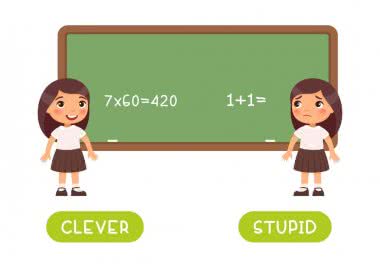
The car was going too slow.
車はあまりにも遅く走っていた。

smart

/smɑːrt/

(adjective) 賢い, 頭が良い, スマートな;

(verb) ずきずき痛む, ひりひりする

例:

She's a very smart student and always gets good grades.
彼女はとても賢い生徒で、いつも良い成績を取ります。

smooth

/smuːð/

(adjective) 滑らかな, 平らな, スムーズな;

(verb) 滑らかにする, 平らにする, 解消する;

(adverb) スムーズに, 円滑に

例:

The stone was worn smooth by the river.
石は川によって滑らかに磨かれていた。

software

/ˈsɑːft.wer/

(noun) ソフトウェア, プログラム

例:

This computer needs new software to run the latest applications.
このコンピュータは最新のアプリケーションを実行するために新しいソフトウェアが必要です。

soil

/sɔɪl/

(noun) 土壌, 土;

(verb) 汚す, 汚染する

例:

The farmer prepared the soil for planting.
農家は植え付けのために土壌を準備した。

solid

/ˈsɑː.lɪd/

(adjective) 固体の, 固い, 確かな;

(noun) 固体, 固形物;

(adverb) 完全に, しっかりと

例:
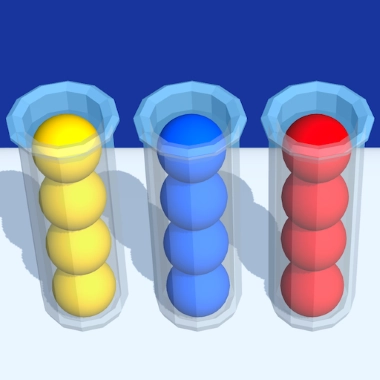
The ice was solid enough to walk on.
氷は歩けるほど固かった

sort

/sɔːrt/

(noun) 種類, 型;

(verb) 並べ替える, 分類する, 解決する

例:
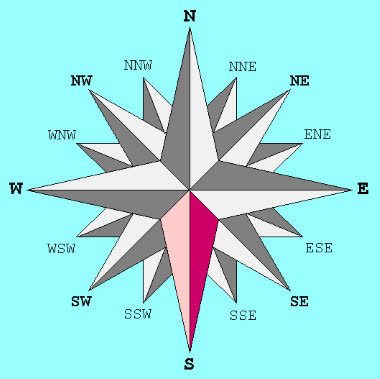
What sort of music do you like?
どんな種類の音楽が好きですか?

southern

/ˈsʌð.ɚn/

(adjective) 南の, 南部の, 南国風の

例:

The house has a large southern exposure.
その家は大きな南向きの開口部がある。

specifically

/spəˈsɪf.ɪ.kəl.i/

(adverb) 特に, 具体的に, 明確に

例:

I asked him specifically not to touch my desk.
私は彼に特に私の机に触らないように頼んだ。

spending

/ˈspen.dɪŋ/

(noun) 支出, 消費;

(verb) 使う, 過ごす

例:

Government spending on education has increased.
教育への政府の支出が増加した。

spicy

/ˈspaɪ.si/

(adjective) 辛い, スパイシーな, 刺激的な

例:

I love eating spicy food, especially curries.
私は辛い食べ物が大好きです、特にカレー。

spirit

/ˈspɪr.ət/

(noun) 精神, 魂, 雰囲気;

(verb) こっそり持ち去る, 魔法のように消す;

(adjective) 活気のある, 元気な, 勇敢な

例:

Her brave spirit never gave up.
彼女の勇敢な精神は決して諦めなかった。

spoken

/ˈspoʊ.kən/

(adjective) 口頭の, 話された;

(past participle) 話された, 言われた

例:

The agreement was spoken, not written.
合意は書面ではなく口頭で行われた。

spot

/spɑːt/

(noun) しみ, 斑点, 場所;

(verb) 見つける, 発見する

例:

There's a grease spot on your shirt.
シャツに油のしみがあるよ。

spread

/spred/

(verb) 広がる, 拡散する, 広げる;

(noun) 広がり, 拡散, スプレッド

例:

The fire spread rapidly through the forest.
火は森中に急速に広がった

spring

/sprɪŋ/

(noun) 春, スプリング, ばね;

(verb) 跳ねる, 飛び出す, 生じる

例:

Flowers bloom beautifully in spring.
花はに美しく咲きます。

stadium

/ˈsteɪ.di.əm/

(noun) スタジアム, 競技場

例:

The concert was held at the city's largest stadium.
コンサートは市内で最大のスタジアムで開催された。

staff

/stæf/

(noun) スタッフ, 職員, 杖;

(verb) 人員を配置する, スタッフを供給する

例:
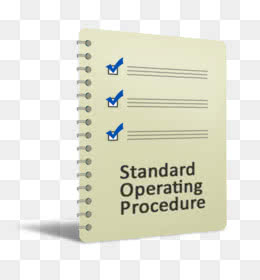
The hospital staff worked tirelessly during the pandemic.
パンデミックの間、病院のスタッフは tirelessly 働いた。

standard

/ˈstæn.dɚd/

(noun) 標準, 水準, 旗;

(adjective) 標準の, 通常の

例:
The hotel maintains a high standard of service.
そのホテルは高いサービス水準を維持している。

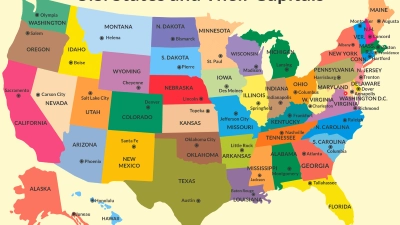
state

/steɪt/

(noun) 国家, 州, 状態;

(verb) 述べる, 表明する

例:

The United States is a large country.
アメリカ合衆国は大きなです。

statistic

/stəˈtɪs.tɪk/

(noun) 統計, 統計データ

例:

The latest statistics show a rise in unemployment.
最新の統計によると、失業率が上昇しています。

statue

/ˈstætʃ.uː/

(noun) 像, 彫像

例:

The city square is dominated by a large bronze statue.
市庁舎広場には大きなブロンズのがそびえ立っている。

stick

/stɪk/

(noun) 棒, 小枝, スティック;

(verb) 貼る, くっつく, 刺す

例:

He picked up a stick from the ground.
彼は地面からを拾い上げた。

still

/stɪl/

(adverb) まだ, 依然として, それでも;

(adjective) 静止した, 動かない;

(noun) 静止画, スチル;

(verb) 静める, 落ち着かせる

例:

It's still raining outside.
外はまだ雨が降っている。

store

/stɔːr/

(noun) 店, 店舗, 貯蔵;

(verb) 保存する, 保管する

例:

I need to go to the grocery store to buy some milk.
牛乳を買いに食料品に行かなければならない。

stranger

/ˈstreɪn.dʒɚ/

(noun) 見知らぬ人, 知らない人

例:

Don't talk to strangers.
見知らぬ人と話してはいけません。

strength

/streŋθ/

(noun) 力, 強さ, 強度

例:

He lifted the heavy box with surprising strength.
彼は驚くべきで重い箱を持ち上げた。

string

/strɪŋ/

(noun) ひも, 糸, 弦;

(verb) 通す, 張る, つなぐ

例:
Tie the package with a piece of string.
小包をひもで結んでください。

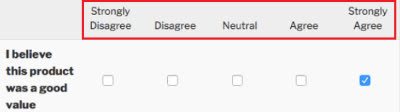
strongly

/ˈstrɑːŋ.li/

(adverb) 強く, 力強く, 断固として

例:

He hit the ball strongly.
彼はボールを強く打った。

studio

/ˈstuː.di.oʊ/

(noun) スタジオ, アトリエ, 制作会社

例:

The artist spent hours in her studio, painting her masterpiece.
その芸術家は傑作を描くためにスタジオで何時間も過ごした。

stuff

/stʌf/

(noun) もの, 物, 材料;

(verb) 詰める, 詰め込む, 詰め物をする

例:
I need to pack all my stuff before I move.
引っ越す前にすべての荷物をまとめなければならない。

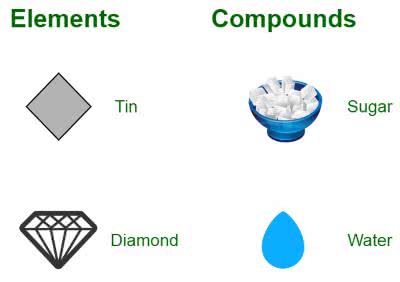
substance

/ˈsʌb.stəns/

(noun) 物質, 実体, 要点

例:

Water is a common substance.
水は一般的な物質です。

successfully

/səkˈses.fəl.i/

(adverb) 首尾よく, うまく

例:

She successfully completed the challenging project.
彼女は難しいプロジェクトを首尾よく完了した。

sudden

/ˈsʌd.ən/

(adjective) 突然の, 急な

例:

There was a sudden change in the weather.
天候が突然変わった。

suffer

/ˈsʌf.ɚ/

(verb) 苦しむ, 被る, 患う

例:

He suffered a heart attack.
彼は心臓発作を患った

suit

/suːt/

(noun) スーツ, 服, 訴訟;

(verb) 合う, 適する, 似合う

例:

He wore a dark blue suit to the interview.
彼は面接に濃い青のスーツを着ていた。

suitable

/ˈsuː.t̬ə.bəl/

(adjective) 適切な, ふさわしい

例:

This dress is not suitable for a formal event.
このドレスはフォーマルなイベントには適していません

summarize

/ˈsʌm.ə.raɪz/

(verb) 要約する, まとめる

例:

He summarized the key findings of the report.
彼は報告書の主要な調査結果を要約した

summary

/ˈsʌm.ɚ.i/

(noun) 要約, 概要

例:

Please provide a summary of the meeting.
会議の要約を提供してください。

supply

/səˈplaɪ/

(noun) 供給, 備蓄;

(verb) 供給する, 提供する

例:

The emergency services have a good supply of blood.
緊急サービスは十分な血液の供給を持っています。

supporter

/səˈpɔːr.t̬ɚ/

(noun) 支持者, サポーター, 後援者

例:

She is a strong supporter of environmental protection.
彼女は環境保護の強力な支持者です。

surely

/ˈʃʊr.li/

(adverb) きっと, 確かに

例:

You're not leaving already, are you? It's surely too early.
もう帰るの?きっと早すぎるよ。

surface

/ˈsɝː-/

(noun) 表面, 外側, 外見;

(verb) 浮上する, 現れる, 舗装する

例:

The surface of the table was smooth.
テーブルの表面は滑らかだった。

survive

/sɚˈvaɪv/

(verb) 生き残る, 存続する, より長生きする

例:

Only the strongest will survive the harsh winter.
最も強い者だけが厳しい冬を生き残るだろう。

swim

/swɪm/

(verb) 泳ぐ, くらくらする, 揺れ動く;

(noun) 泳ぎ, 水泳

例:

I love to swim in the ocean.
海で泳ぐのが大好きです。

switch

/swɪtʃ/

(noun) スイッチ, 切り替え器, 変更;

(verb) 切り替える, 交換する, オンにする

例:
Flip the switch to turn on the light.
ライトを点けるにはスイッチをフリップしてください。

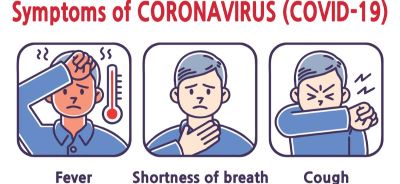
symptom

/ˈsɪmp.təm/

(noun) 症状, 徴候, 兆候

例:

Fever is a common symptom of the flu.
発熱はインフルエンザの一般的な症状です。
Lingolandでこの語彙セットを学習