
Oxford 3000 - A2 内 A2 - 文字 H 語彙セット:完全かつ詳細なリスト
「Oxford 3000 - A2」内の「A2 - 文字 H」語彙セットは国際標準教材から厳選され、短期間で語彙をマスターできます。定義、例文、標準発音を網羅…
Lingolandでこの語彙セットを学習
今すぐ学習

/hæf/
(noun) 半分;
(determiner) 半分の;
(adverb) 半分, 部分的に
例:
She ate half of the apple.
彼女はリンゴの半分を食べた。


/ˈhæp.əl.i/
(adverb) 幸せに, 喜んで, 快く
例:
She smiled happily as she opened the gift.
彼女はプレゼントを開けながら幸せそうに微笑んだ。


/ˈhed.eɪk/
(noun) 頭痛, 頭痛の種, 厄介事
例:
I woke up with a terrible headache this morning.
今朝、ひどい頭痛で目が覚めた。

/hɑːrt/
(noun) 心臓, 心, 精神;
(verb) 励ます, 勇気づける
例:
The doctor listened to her heart with a stethoscope.
医者は聴診器で彼女の心臓の音を聞いた。

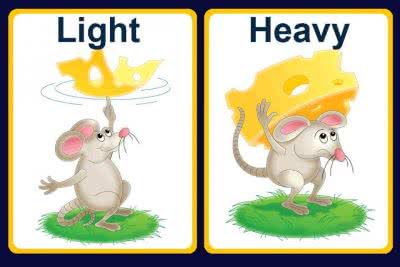
/ˈhev.i/
(adjective) 重い, 厚い, 多い;
(adverb) 激しく, 大きく
例:
The box was too heavy for him to lift alone.
その箱は彼が一人で持ち上げるにはあまりにも重かった。


/ˈhelp.fəl/
(adjective) 役立つ, 助けになる
例:
The librarian was very helpful in finding the books I needed.
司書は私が探している本を見つけるのにとても役立ちました。

/ˈhɪr.oʊ/
(noun) 英雄, ヒーロー, 主人公
例:
He was hailed as a hero for saving the child from the burning building.
彼は燃えている建物から子供を救った英雄として称賛された。


/haɪd/
(verb) 隠す, 隠蔽する, 隠れる;
(noun) 皮, 獣皮
例:
She tried to hide the present from her children.
彼女は子供たちからプレゼントを隠そうとした。
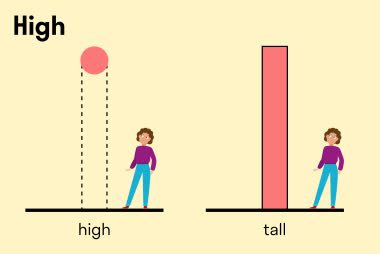
/haɪ/
(adjective) 高い, 最高, 高値;
(adverb) 高く;
(noun) 最高値, 高値
例:
The mountain is very high.
その山はとても高い。

/hɪl/
(noun) 丘, 小山, 坂;
(verb) 盛り上げる, 土を盛る
例:
We climbed the hill to get a better view.
より良い景色を見るために丘を登った。



/hɪt/
(verb) 打つ, 当たる, 打撃を与える;
(noun) 一撃, ヒット, 成功作
例:
He accidentally hit his thumb with a hammer.
彼は誤ってハンマーで親指を打った。


/hoʊld/
(verb) 持つ, 抱く, 拘留する;
(noun) 握り, 保持, 保留
例:
Can you hold this for a moment?
これを少し持っていてくれますか?

/hoʊl/
(noun) 穴, くぼみ, 窮地;
(verb) 穴を開ける, 穴をあける
例:
There's a small hole in my sock.
靴下に小さな穴が開いている。

/hoʊm/
(noun) 家, 自宅, 故郷;
(adverb) 家に, 自宅で;
(adjective) 家庭の, 自宅の;
(verb) 帰る, 向かう
例:
I'm going home for the holidays.
休暇で家に帰ります。

/hoʊp/
(noun) 希望, 期待;
(verb) 望む, 期待する
例:
She has high hopes for her future.
彼女は自分の将来に大きな希望を抱いている。
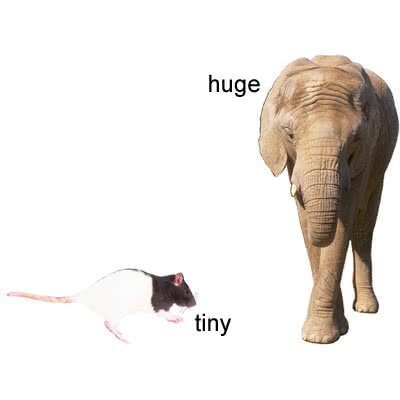
/hjuːdʒ/
(adjective) 巨大な, 莫大な, 重要な
例:
The company made a huge profit this quarter.
その会社は今四半期に莫大な利益を上げた。
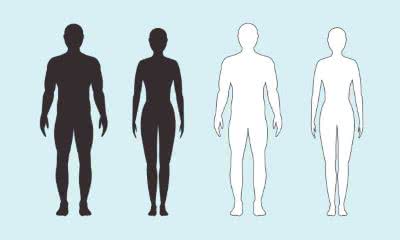
/ˈhjuː.mən/
(adjective) 人間の, 人間に特有の, 人間らしい;
(noun) 人間, 人類
例:
The ability to reason is a unique human trait.
推論する能力は、人間に特有の特性です。
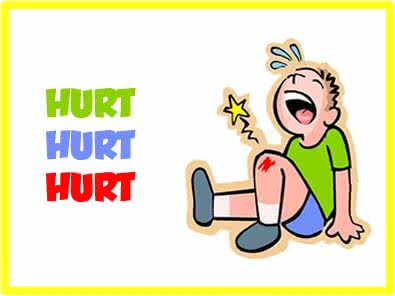
/hɝːt/
(verb) 傷つける, 痛む, 心を痛める;
(noun) 痛み, 怪我, 心の痛み;
(adjective) 負傷した, 痛い, 傷ついた
例:
Did you hurt your knee when you fell?
転んだ時に膝を痛めましたか?