
レベルC2 内 政治 語彙セット:完全かつ詳細なリスト
「レベルC2」内の「政治」語彙セットは国際標準教材から厳選され、短期間で語彙をマスターできます。定義、例文、標準発音を網羅…
Lingolandでこの語彙セットを学習
今すぐ学習
/juːˈtoʊ.pi.ə/
(noun) ユートピア, 理想郷
例:
They dreamed of creating a socialist utopia.
彼らは社会主義のユートピアを創造することを夢見ていた。

/ˈæb.sə.luː.t̬ɪ.zəm/
(noun) 絶対主義, 絶対的な原則への信念, 絶対王政
例:
The philosopher argued against moral absolutism, advocating for a more nuanced ethical framework.
哲学者は道徳的絶対主義に反対し、より微妙な倫理的枠組みを提唱した。

/ˈpɑː.pjə.lɪ.zəm/
(noun) ポピュリズム
例:
The rise of populism has reshaped political landscapes across the globe.
ポピュリズムの台頭は、世界中の政治情勢を再構築しました。

/toʊˌtæl.əˈter.i.ə.nɪ.zəm/
(noun) 全体主義
例:
The rise of totalitarianism in the 20th century led to widespread human rights abuses.
20世紀における全体主義の台頭は、広範な人権侵害につながった。

/siːˈfɑːl.ə.dʒi/
(noun) 選挙学
例:
Her research in psephology focused on voter turnout in local elections.
彼女の選挙学の研究は、地方選挙の投票率に焦点を当てていた。

/ˈædʒ.ɪt.prɑːp/
(noun) アジプロ, 政治宣伝
例:
The play was criticized for being too much like agitprop.
その劇はアジプロに似すぎていると批判された。

/ˈbrɪŋk.mən.ʃɪp/
(noun) 瀬戸際政策, 瀬戸際外交
例:
The Cold War was characterized by nuclear brinkmanship.
冷戦は核の瀬戸際政策によって特徴づけられた。

/ˌkɑːn.stəˈtuː.ʃən.əl.ɪ.zəm/
(noun) 立憲主義
例:
The new nation was founded on principles of constitutionalism.
新しい国家は立憲主義の原則に基づいて設立された。

/ˈdɔːɡ ˌwɪs.əl/
(noun) 犬笛, ドッグホイッスル, 隠されたメッセージ
例:
He used a dog whistle to get his pet's attention.
彼はペットの注意を引くために犬笛を使った。

/ˌdʒiː.oʊˈpɑː.lə.t̬ɪks/
(noun) 地政学
例:
The study of geopolitics helps understand global power dynamics.
地政学の研究は、世界の権力力学を理解するのに役立つ。

/ˈpaʊər pɑːlətɪks/
(noun) パワーポリティクス, 勢力政治
例:
The Cold War was a period dominated by power politics between two superpowers.
冷戦は二つの超大国間のパワーポリティクスに支配された時代だった。

/fəˈnæt̬.ɪ.sɪ.zəm/
(noun) 狂信, 熱狂
例:
Religious fanaticism can lead to extreme actions.
宗教的狂信は極端な行動につながる可能性がある。
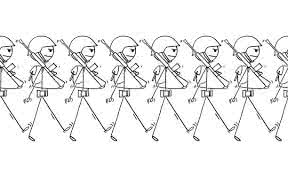
/ˈmɪl.ə.tɚ.ɪ.zəm/
(noun) 軍国主義
例:
The rise of militarism in the region led to increased tensions.
地域における軍国主義の台頭は、緊張の高まりにつながった。

/ˈsteɪ.tɪ.zəm/
(noun) 国家主義, 国家統制主義
例:
The country's economy has been heavily influenced by statism for decades.
その国の経済は数十年間、国家主義に強く影響されてきた。

/ˌjuː.nəˈlæt̬.ɚ.əl.ɪ.zəm/
(noun) 単独主義
例:
The country's decision to act alone was seen as an example of unilateralism.
その国が単独で行動するという決定は、単独主義の一例と見なされた。

/ɪnˈkʌm.bənt/
(adjective) 現職の, 在職の;
(noun) 現職, 在職者
例:
The incumbent president is seeking re-election.
現職の大統領は再選を目指している。


/ˈskɝː.mɪʃ/
(noun) 小競り合い, 衝突, 口論;
(verb) 小競り合いをする, 口論する
例:
A small skirmish broke out between the two groups.
2つのグループの間で小さな小競り合いが勃発した。
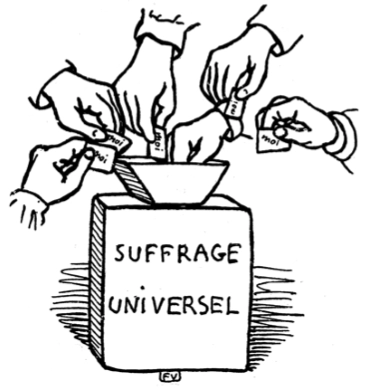
/ˈsʌf.rɪdʒ/
(noun) 参政権, 選挙権, 投票
例:
Women's suffrage was a major achievement in the fight for equality.
女性の参政権は、平等のための闘いにおける大きな成果でした。

/siːdʒ/
(noun) 包囲, 攻囲, 攻勢;
(verb) 包囲する, 攻囲する
例:
The city was under siege for five months.
その都市は5ヶ月間包囲されていた。

/ˈprɑː.məl.ɡeɪt/
(verb) 広める, 普及させる, 公布する
例:
The organization seeks to promulgate the principles of democracy.
その組織は民主主義の原則を広めることを目指している。

/ˈkɑː.kəs/
(noun) 党員集会, 幹部会;
(verb) 党員集会を開く, 幹部会を開く
例:
The party held a caucus to select their presidential nominee.
党は彼らの大統領候補を選ぶために党員集会を開いた。

/ˌbaɪˈpɑːr.t̬ə.zən/
(adjective) 超党派の, 二大政党の
例:
The bill received bipartisan support.
その法案は超党派の支持を得た。