
词汇集 政治(属于 C2级别):完整且详细的清单
词汇集「政治」(属于「C2级别」)从国际标准教材来源精心挑选,帮助您在短时间内掌握词汇。全面汇整定义、例句及标准发音…
在 Lingoland 学习此词汇集
立即学习
/juːˈtoʊ.pi.ə/
(noun) 乌托邦, 理想国
示例:
They dreamed of creating a socialist utopia.
他们梦想创造一个社会主义乌托邦。
/ˈæb.sə.luː.t̬ɪ.zəm/
(noun) 绝对主义, 绝对原则论, 专制主义
示例:
The philosopher argued against moral absolutism, advocating for a more nuanced ethical framework.
这位哲学家反对道德绝对主义,主张建立一个更细致的伦理框架。

/ˈpɑː.pjə.lɪ.zəm/
(noun) 民粹主义
示例:
The rise of populism has reshaped political landscapes across the globe.
民粹主义的兴起重塑了全球政治格局。

/toʊˌtæl.əˈter.i.ə.nɪ.zəm/
(noun) 极权主义
示例:
The rise of totalitarianism in the 20th century led to widespread human rights abuses.
20世纪极权主义的兴起导致了广泛的人权侵犯。

/siːˈfɑːl.ə.dʒi/
(noun) 选举学
示例:
Her research in psephology focused on voter turnout in local elections.
她在选举学方面的研究侧重于地方选举的投票率。

/ˈædʒ.ɪt.prɑːp/
(noun) 政治宣传, 鼓动宣传
示例:
The play was criticized for being too much like agitprop.
这部剧被批评过于像政治宣传。

/ˈbrɪŋk.mən.ʃɪp/
(noun) 边缘政策, 冒险政策
示例:
The Cold War was characterized by nuclear brinkmanship.
冷战的特点是核边缘政策。

/ˌkɑːn.stəˈtuː.ʃən.əl.ɪ.zəm/
(noun) 立宪主义
示例:
The new nation was founded on principles of constitutionalism.
新国家建立在立宪主义原则之上。

/ˈdɔːɡ ˌwɪs.əl/
(noun) 狗哨, 隐晦信息, 暗语
示例:
He used a dog whistle to get his pet's attention.
他用狗哨来吸引宠物的注意。

/ˌdʒiː.oʊˈpɑː.lə.t̬ɪks/
(noun) 地缘政治
示例:
The study of geopolitics helps understand global power dynamics.
地缘政治学的研究有助于理解全球权力动态。

/ˈpaʊər pɑːlətɪks/
(noun) 强权政治
示例:
The Cold War was a period dominated by power politics between two superpowers.
冷战是两大超级大国之间强权政治主导的时期。

/fəˈnæt̬.ɪ.sɪ.zəm/
(noun) 狂热, 盲信
示例:
Religious fanaticism can lead to extreme actions.
宗教狂热可能导致极端行为。
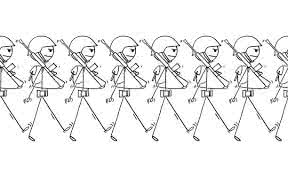
/ˈmɪl.ə.tɚ.ɪ.zəm/
(noun) 军国主义
示例:
The rise of militarism in the region led to increased tensions.
该地区军国主义的兴起导致紧张局势加剧。

/ˈsteɪ.tɪ.zəm/
(noun) 国家主义, 国家干预主义
示例:
The country's economy has been heavily influenced by statism for decades.
几十年来,该国经济一直深受国家主义的影响。

/ˌjuː.nəˈlæt̬.ɚ.əl.ɪ.zəm/
(noun) 单边主义
示例:
The country's decision to act alone was seen as an example of unilateralism.
该国单独行动的决定被视为单边主义的一个例子。

/ɪnˈkʌm.bənt/
(adjective) 现任的, 在职的;
(noun) 现任者, 在职者
示例:
The incumbent president is seeking re-election.
现任总统正在寻求连任。


/ˈskɝː.mɪʃ/
(noun) 小冲突, 小规模战斗, 争吵;
(verb) 发生小冲突, 争吵
示例:
A small skirmish broke out between the two groups.
两组之间爆发了一场小规模的冲突。
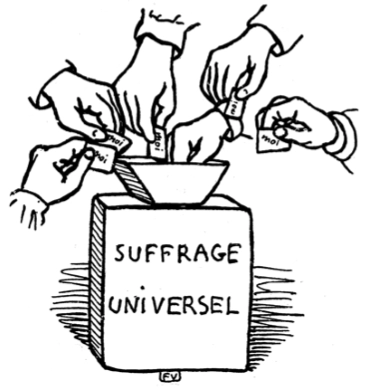
/ˈsʌf.rɪdʒ/
(noun) 选举权, 投票权, 投票
示例:
Women's suffrage was a major achievement in the fight for equality.
妇女选举权是争取平等斗争中的一项重大成就。

/siːdʒ/
(noun) 围攻, 围困, 压力;
(verb) 围攻, 围困
示例:
The city was under siege for five months.
这座城市被围困了五个月。

/ˈprɑː.məl.ɡeɪt/
(verb) 宣传, 推广, 颁布
示例:
The organization seeks to promulgate the principles of democracy.
该组织旨在宣传民主原则。

/ˈkɑː.kəs/
(noun) 核心会议, 党团会议;
(verb) 举行核心会议, 召开党团会议
示例:
The party held a caucus to select their presidential nominee.
该党举行了核心会议,以选出他们的总统候选人。

/ˌbaɪˈpɑːr.t̬ə.zən/
(adjective) 两党的, 两派的
示例:
The bill received bipartisan support.
该法案获得了两党支持。