Avatar of Vocabulary Set C1 - はい、かしこまりました!

レベル C1 内 C1 - はい、かしこまりました! 語彙セット:完全かつ詳細なリスト

「レベル C1」内の「C1 - はい、かしこまりました!」語彙セットは国際標準教材から厳選され、短期間で語彙をマスターできます。定義、例文、標準発音を網羅…

Lingolandでこの語彙セットを学習

今すぐ学習

atrocity

/əˈtrɑː.sə.t̬i/

(noun) 残虐行為, 非道な行為, ひどいもの

例:

The war was marked by numerous atrocities committed by both sides.
戦争は両陣営によって犯された数々の残虐行為によって特徴づけられた。

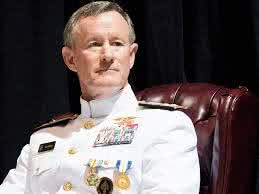
admiral

/ˈæd.mər.əl/

(noun) 提督, アカタテハ

例:

The admiral commanded the fleet.
提督が艦隊を指揮した。

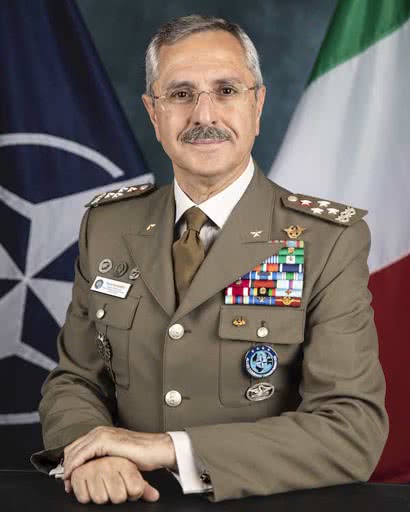
colonel

/ˈkɝː.nəl/

(noun) 大佐

例:

Colonel Smith led the regiment into battle.
スミス大佐は連隊を率いて戦闘に臨んだ。

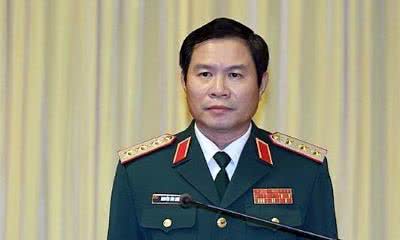
general

/ˈdʒen.ər.əl/

(adjective) 一般的な, 広範な, 専門的でない;

(noun) 将軍, 大将

例:

There is a general feeling of optimism.
全体的に楽観的な雰囲気がある。

major

/ˈmeɪ.dʒɚ/

(adjective) 主要な, 重要な, 大きな;

(noun) 少佐, 専攻;

(verb) 専攻する

例:
This is a major problem that needs immediate attention.
これは早急な対応が必要な主要な問題です。

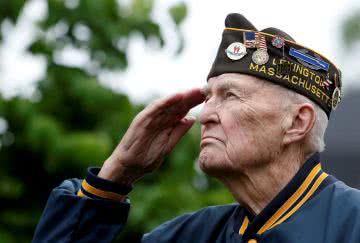
veteran

/ˈve.t̬ɚ.ən/

(noun) ベテラン, 経験者, 退役軍人;

(adjective) ベテランの, 経験豊富な

例:

She is a veteran teacher with over 30 years of experience.
彼女は30年以上の経験を持つベテラン教師です。

assassinate

/əˈsæs.ə.neɪt/

(verb) 暗殺する, 殺害する, 台無しにする

例:

The plot to assassinate the president was uncovered.
大統領を暗殺する陰謀が発覚した。

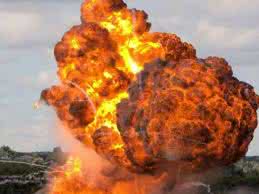
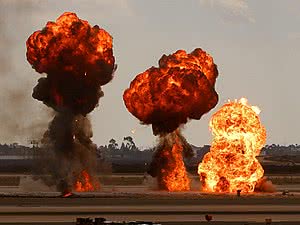
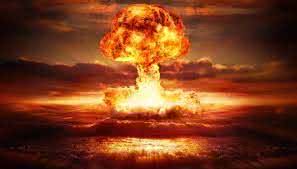
blast

/blæst/

(noun) 爆風, 突風, 大音量;

(verb) 爆破する, 吹き飛ばす, 鳴らす

例:
The explosion sent a powerful blast through the building.
爆発は建物中に強力な爆風を送った。

blow up

/bloʊ ʌp/

(phrasal verb) 爆発する, 爆破する, 膨らませる

例:

The old building was scheduled to blow up next month.
その古い建物は来月爆破される予定だった。

bombard

/bɑːmˈbɑːrd/

(verb) 砲撃する, 爆撃する, 浴びせる

例:

The enemy began to bombard the city with artillery.
敵は砲兵で都市を砲撃し始めた。

charge

/tʃɑːrdʒ/

(verb) 請求する, 料金を取る, 起訴する;

(noun) 料金, 費用, 罪

例:

The restaurant charged us for water we didn't order.
そのレストランは注文していない水まで請求した

conquer

/ˈkɑːŋ.kɚ/

(verb) 征服する, 攻略する, 克服する

例:

The Roman Empire sought to conquer new territories.
ローマ帝国は新しい領土を征服しようとした。

deploy

/dɪˈplɔɪ/

(verb) 展開する, 配置する, 活用する

例:

The troops were deployed to the conflict zone.
部隊は紛争地域に展開された。

evacuate

/ɪˈvæk.ju.eɪt/

(verb) 避難させる, 退去させる, 空にする

例:

The police decided to evacuate the building due to a bomb threat.
警察は爆弾の脅威のため、建物を避難させることを決定した。

execute

/ˈek.sə.kjuːt/

(verb) 実行する, 遂行する, 処刑する

例:

The team worked hard to execute the project plan.
チームはプロジェクト計画を実行するために懸命に働いた。

mobilize

/ˈmoʊ.bə.laɪz/

(verb) 動員する, 招集する, 活性化する

例:

The government decided to mobilize its reserve forces.
政府は予備軍を動員することを決定した。

surrender

/səˈren.dɚ/

(verb) 降伏する, 引き渡す, 屈する;

(noun) 降伏, 引き渡し

例:
The enemy was forced to surrender their weapons.
敵は武器を降伏させられた。

retreat

/rɪˈtriːt/

(verb) 撤退する, 退く;

(noun) 撤退, 隠れ家

例:

The army was forced to retreat after heavy losses.
軍は大きな損失の後、撤退を余儀なくされた。

guerrilla

/ɡəˈrɪl.ə/

(noun) ゲリラ, ゲリラ兵;

(adjective) ゲリラの, ゲリラ戦の

例:
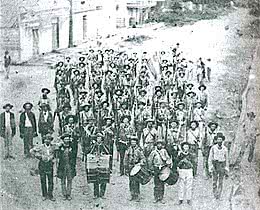
The guerrilla fighters launched a surprise attack on the enemy convoy.
ゲリラ兵は敵の輸送隊に奇襲攻撃を仕掛けた。

militia

/məˈlɪʃ.ə/

(noun) 民兵, 市民軍

例:

The local militia was called upon to defend the town.
地元の民兵が町の防衛のために招集された。

militant

/ˈmɪl.ə.tənt/

(adjective) 過激な, 好戦的な, 攻撃的な;

(noun) 過激派, 活動家

例:
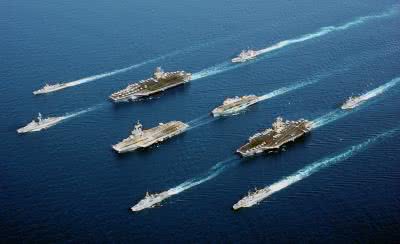
The group adopted a more militant stance after the protests.
そのグループは抗議の後、より過激な姿勢をとった。

naval

/ˈneɪ.vəl/

(adjective) 海軍の, 船舶の

例:

The country has a strong naval fleet.
その国は強力な海軍艦隊を持っている。

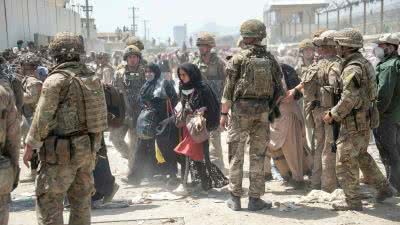
civilian

/səˈvɪl.jən/

(noun) 民間人, 一般人;

(adjective) 民間人の, 一般の

例:

The soldiers were ordered to protect the civilians.
兵士たちは民間人を保護するよう命じられた。

defensive

/dɪˈfen.sɪv/

(adjective) 防御的な, 守備的な, 自己防衛的な

例:

The team played a strong defensive game.
チームは強力な守備的な試合をした。

explosive

/ɪkˈsploʊ.sɪv/

(noun) 爆発物;

(adjective) 爆発性の, 爆発的な

例:
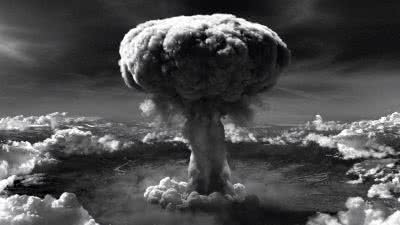
The police found a large quantity of explosives hidden in the warehouse.
警察は倉庫に隠されていた大量の爆発物を発見した。

A-bomb

/ˈeɪ.bɑːm/

(noun) 原爆, 原子爆弾

例:

The city was devastated by an A-bomb.
その都市は原爆によって壊滅した。

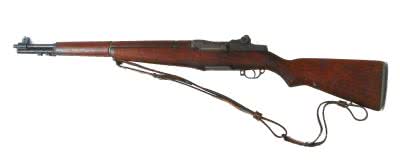
rifle

/ˈraɪ.fəl/

(noun) ライフル, 小銃;

(verb) あさる, 略奪する

例:
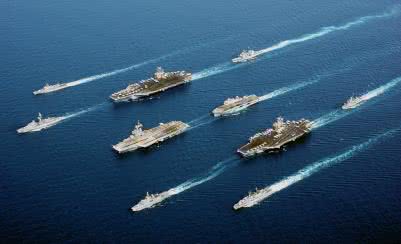
He aimed his rifle at the target.
彼はライフルを標的に向けた。

fleet

/fliːt/

(noun) 艦隊, 車隊, 機材;

(adjective) 速い, 俊敏な;

(verb) 素早く移動する, あっという間に過ぎる

例:
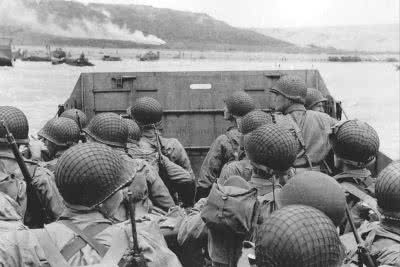
The company has a large fleet of delivery trucks.
その会社は配達トラックの大きな車隊を持っている。

raid

/reɪd/

(noun) 襲撃, 急襲, 手入れ;

(verb) 襲撃する, 急襲する, 漁る

例:
The commandos launched a surprise raid on the enemy stronghold.
コマンドーは敵の拠点に奇襲攻撃を仕掛けた。

curfew

/ˈkɝː.fjuː/

(noun) 門限, 外出禁止令

例:

The city imposed a strict curfew after the unrest.
市は暴動後、厳格な外出禁止令を課した。

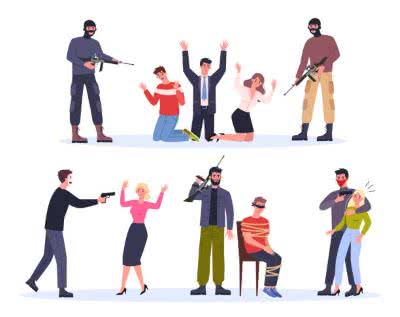
hostage

/ˈhɑː.stɪdʒ/

(noun) 人質

例:

The terrorists took several people hostage.
テロリストは数人を人質に取った。

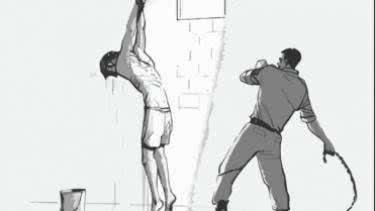
torture

/ˈtɔːr.tʃɚ/

(noun) 拷問, 苦痛, 苦しみ;

(verb) 拷問する

例:

The prisoner was subjected to brutal torture.
囚人は残忍な拷問にかけられた。

occupation

/ˌɑː.kjəˈpeɪ.ʃən/

(noun) 職業, 仕事, 業務

例:

Please state your name, address, and occupation.
氏名、住所、職業をご記入ください。

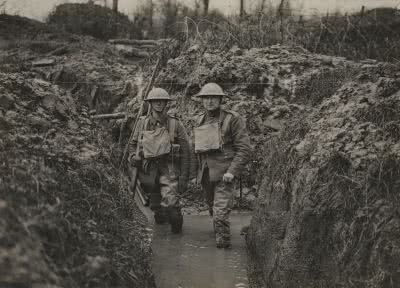
trench

/trentʃ/

(noun) 塹壕, 溝;

(verb) 塹壕を掘る, 溝を掘る

例:

The soldiers dug a deep trench for protection.
兵士たちは防御のために深い塹壕を掘った。

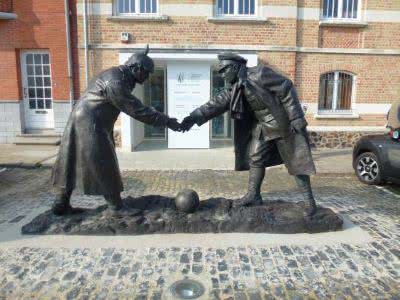
truce

/truːs/

(noun) 休戦, 停戦

例:

The two sides agreed to a temporary truce.
両者は一時的な休戦に合意した。

warfare

/ˈwɔːr.fer/

(noun) 戦争, 戦闘

例:

Modern warfare often involves cyber attacks and drones.
現代の戦争はしばしばサイバー攻撃やドローンを伴う。

arm

/ɑːrm/

(noun) 腕, 武器;

(verb) 武装させる

例:

She held the baby in her arms.
彼女は赤ちゃんを腕に抱いていた。

evacuation

/ɪˌvæk.juˈeɪ.ʃən/

(noun) 避難, 撤退, 排泄

例:

The rapid evacuation of the building saved many lives.
建物の迅速な避難は多くの命を救った。

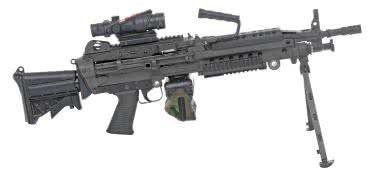
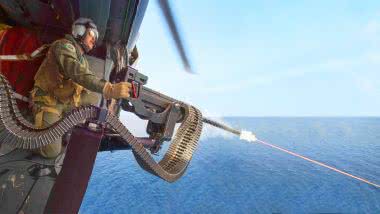
machine gun

/məˈʃiːn ˌɡʌn/

(noun) 機関銃

例:

The soldier fired his machine gun at the enemy.
兵士は敵に機関銃を発射した。

command

/kəˈmænd/

(noun) 命令, 指令, 支配;

(verb) 命令する, 指揮する, 支配する

例:

The officer gave a clear command to his troops.
将校は部隊に明確な命令を下した。

AWOL

/ˈeɪ.wɑːl/

(adjective) 無許可離隊, 無断欠勤;

(adverb) 無許可離隊, 行方不明

例:
The soldier went AWOL after a disagreement with his commanding officer.
その兵士は指揮官との意見の相違の後、無許可離隊した。

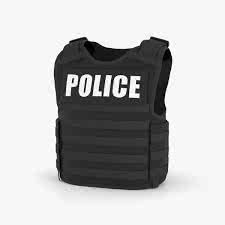
bulletproof

/ˈbʊl.ɪt.pruːf/

(adjective) 防弾の, 反論の余地がない, 完璧な

例:

The president's car is completely bulletproof.
大統領の車は完全に防弾です。

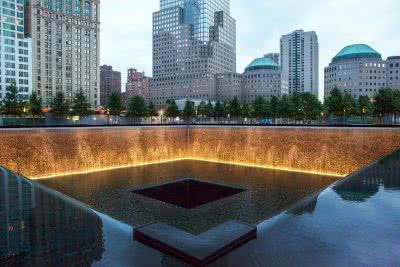
ground zero

/ˌɡraʊnd ˈzɪr.oʊ/

(noun) グラウンド・ゼロ, 爆心地, ワールドトレードセンター跡地

例:
The city center was declared ground zero after the bombing.
爆撃後、市中心部はグラウンド・ゼロと宣言された。

gunner

/ˈɡʌn.ɚ/

(noun) 砲手, 射手, 野心家

例:

The gunner aimed the cannon at the enemy ship.
砲手は敵艦に大砲を向けた。

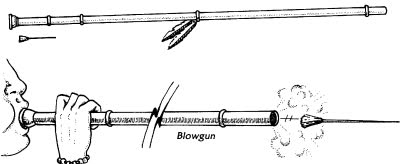
blowgun

/ˈbloʊ.ɡʌn/

(noun) 吹き矢

例:

The hunter used a blowgun to silently take down his prey.
猟師は獲物を静かに仕留めるために吹き矢を使った。

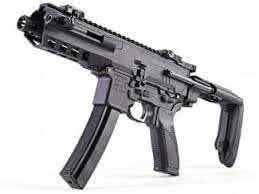
submachine gun

/ˈsʌb.mə.ʃiːn ˌɡʌn/

(noun) 短機関銃, サブマシンガン

例:

The police officer carried a submachine gun during the raid.
警察官は襲撃中に短機関銃を携帯していた。

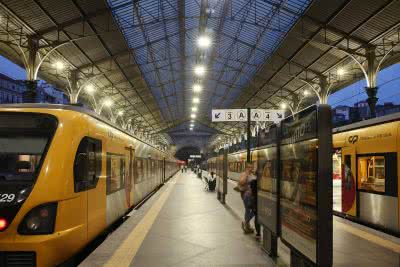
station

/ˈsteɪ.ʃən/

(noun) 駅, 停留所, 基地;

(verb) 配置する, 駐屯させる

例:

I'll meet you at the train station.
駅で会いましょう。

magazine

/ˌmæɡ.əˈziːn/

(noun) 雑誌, 弾倉, マガジン

例:

She subscribes to a fashion magazine.
彼女はファッション雑誌を購読している。

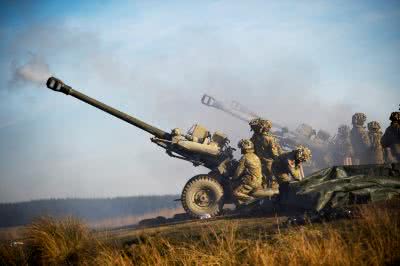
artillery

/ɑːrˈtɪl.ɚ.i/

(noun) 砲兵, 大砲, 砲兵隊

例:

The artillery barrage lasted for hours.
砲兵の集中砲火は何時間も続いた。

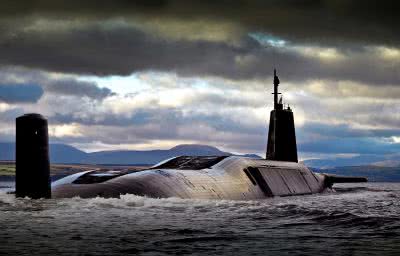
nuclear deterrent

/ˌnuː.kli.ər ˈdet.ər.ənt/

(noun) 核抑止力

例:

The country's nuclear deterrent is a key part of its defense strategy.
その国の核抑止力は、防衛戦略の重要な部分である。

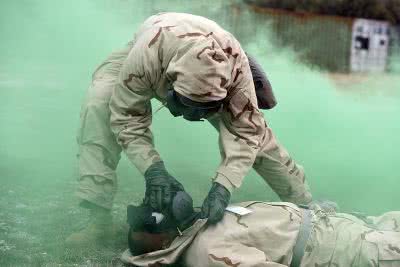
nerve agent

/ˈnɜːrv ˌeɪ.dʒənt/

(noun) 神経剤, 神経ガス

例:

The terrorists were suspected of developing a nerve agent.
テロリストは神経剤を開発している疑いがあった。

nerve gas

/ˈnɜːrv ˌɡæs/

(noun) 神経ガス

例:

The dictator was accused of using nerve gas against his own people.
独裁者は自国民に対して神経ガスを使用したとして非難された。
Lingolandでこの語彙セットを学習