Avatar of Vocabulary Set C1 - 네, 알겠습니다!

레벨 C1 내 C1 - 네, 알겠습니다! 어휘 세트: 완전하고 상세한 목록

'레벨 C1' 내 'C1 - 네, 알겠습니다!' 어휘 세트는 국제 표준 교재 출처에서 엄선되어 짧은 시간 안에 어휘를 마스터할 수 있도록 도와줍니다. 정의, 예문, 표준 발음을 완벽하게 수록...

Lingoland에서 이 어휘 세트 학습하기

지금 학습하기

atrocity

/əˈtrɑː.sə.t̬i/

(noun) 잔학 행위, 극악무도한 행위, 끔찍한 것

예시:

The war was marked by numerous atrocities committed by both sides.
전쟁은 양측이 저지른 수많은 잔학 행위로 특징지어졌다.

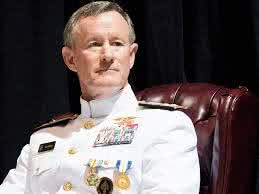
admiral

/ˈæd.mər.əl/

(noun) 제독, 제독나비

예시:

The admiral commanded the fleet.
제독이 함대를 지휘했다.

colonel

/ˈkɝː.nəl/

(noun) 대령

예시:

Colonel Smith led the regiment into battle.
스미스 대령이 연대를 이끌고 전투에 나섰다.

general

/ˈdʒen.ər.əl/

(adjective) 일반적인, 전반적인, 비전문적인;

(noun) 장군, 대장

예시:

There is a general feeling of optimism.
전반적인 낙관론이 있다.

major

/ˈmeɪ.dʒɚ/

(adjective) 주요한, 중요한, 큰;

(noun) 소령, 전공;

(verb) 전공하다

예시:
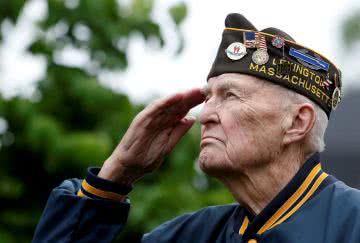
This is a major problem that needs immediate attention.
이것은 즉각적인 주의가 필요한 주요한 문제입니다.

veteran

/ˈve.t̬ɚ.ən/

(noun) 베테랑, 경험자, 참전 용사;

(adjective) 베테랑의, 경험 많은

예시:

She is a veteran teacher with over 30 years of experience.
그녀는 30년 이상의 경력을 가진 베테랑 교사이다.

assassinate

/əˈsæs.ə.neɪt/

(verb) 암살하다, 살해하다, 망치다

예시:

The plot to assassinate the president was uncovered.
대통령을 암살하려는 음모가 발각되었다.

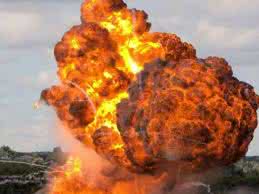
blast

/blæst/

(noun) 폭풍, 돌풍, 소리;

(verb) 폭파하다, 날려버리다, 불다

예시:
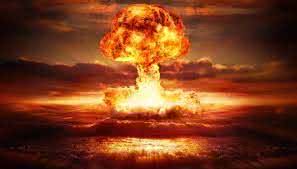
The explosion sent a powerful blast through the building.
폭발은 건물 전체에 강력한 폭풍을 보냈다.

blow up

/bloʊ ʌp/

(phrasal verb) 폭발하다, 폭파시키다, 불어넣다

예시:

The old building was scheduled to blow up next month.
그 오래된 건물은 다음 달에 폭파될 예정이었다.

bombard

/bɑːmˈbɑːrd/

(verb) 폭격하다, 포격하다, 퍼붓다

예시:

The enemy began to bombard the city with artillery.
적군은 포병으로 도시를 폭격하기 시작했다.

charge

/tʃɑːrdʒ/

(verb) 청구하다, 요금을 부과하다, 기소하다;

(noun) 요금, 비용, 혐의

예시:

The restaurant charged us for water we didn't order.
그 식당은 우리가 주문하지 않은 물값까지 청구했다.

conquer

/ˈkɑːŋ.kɚ/

(verb) 정복하다, 점령하다, 극복하다

예시:

The Roman Empire sought to conquer new territories.
로마 제국은 새로운 영토를 정복하려고 했다.

deploy

/dɪˈplɔɪ/

(verb) 배치하다, 전개하다, 활용하다

예시:

The troops were deployed to the conflict zone.
군대가 분쟁 지역에 배치되었다.

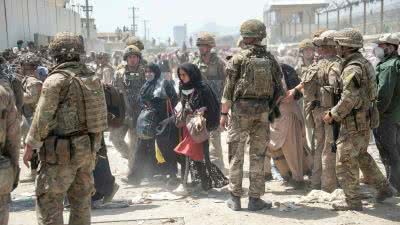
evacuate

/ɪˈvæk.ju.eɪt/

(verb) 대피시키다, 철수시키다, 비우다

예시:

The police decided to evacuate the building due to a bomb threat.
경찰은 폭탄 위협으로 인해 건물을 대피시키기로 결정했다.

execute

/ˈek.sə.kjuːt/

(verb) 실행하다, 수행하다, 처형하다

예시:

The team worked hard to execute the project plan.
팀은 프로젝트 계획을 실행하기 위해 열심히 일했다.

mobilize

/ˈmoʊ.bə.laɪz/

(verb) 동원하다, 소집하다, 결집시키다

예시:

The government decided to mobilize its reserve forces.
정부는 예비군을 동원하기로 결정했다.

surrender

/səˈren.dɚ/

(verb) 항복하다, 넘겨주다, 굴복하다;

(noun) 항복, 양도

예시:
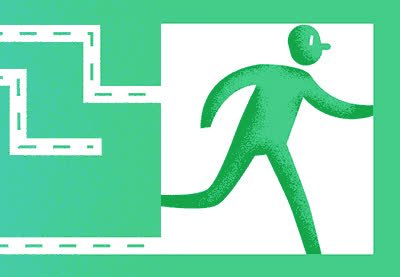
The enemy was forced to surrender their weapons.
적군은 무기를 넘겨주도록 강요받았다.

retreat

/rɪˈtriːt/

(verb) 후퇴하다, 물러나다;

(noun) 후퇴, 휴식처

예시:
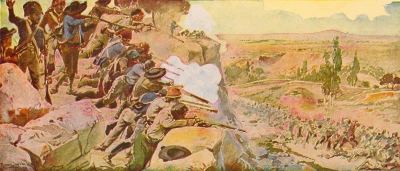
The army was forced to retreat after heavy losses.
군은 막대한 손실 후 후퇴할 수밖에 없었다.

guerrilla

/ɡəˈrɪl.ə/

(noun) 게릴라, 게릴라 전사;

(adjective) 게릴라, 게릴라전의

예시:
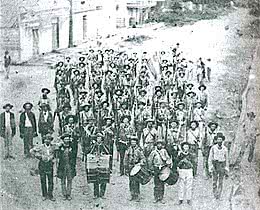
The guerrilla fighters launched a surprise attack on the enemy convoy.
게릴라 전사들은 적의 호송대에 기습 공격을 감행했다.

militia

/məˈlɪʃ.ə/

(noun) 민병대, 시민군

예시:

The local militia was called upon to defend the town.
지역 민병대가 마을을 방어하기 위해 소집되었다.

militant

/ˈmɪl.ə.tənt/

(adjective) 강경한, 호전적인, 공격적인;

(noun) 강경파, 투사

예시:
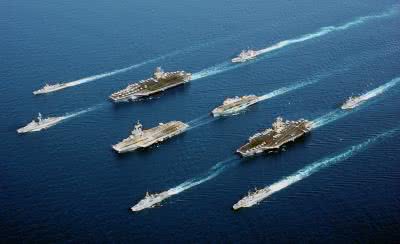
The group adopted a more militant stance after the protests.
그 단체는 시위 이후 더 강경한 입장을 취했다.

naval

/ˈneɪ.vəl/

(adjective) 해군의, 군함의

예시:

The country has a strong naval fleet.
그 나라는 강력한 해군 함대를 가지고 있다.

civilian

/səˈvɪl.jən/

(noun) 민간인, 일반인;

(adjective) 민간의, 일반의

예시:

The soldiers were ordered to protect the civilians.
군인들은 민간인을 보호하라는 명령을 받았다.

defensive

/dɪˈfen.sɪv/

(adjective) 방어적인, 수비적인, 자기 방어적인

예시:

The team played a strong defensive game.
팀은 강력한 수비적인 경기를 펼쳤다.

explosive

/ɪkˈsploʊ.sɪv/

(noun) 폭발물;

(adjective) 폭발성의, 폭발적인

예시:
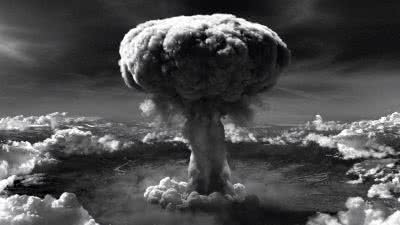
The police found a large quantity of explosives hidden in the warehouse.
경찰은 창고에 숨겨진 다량의 폭발물을 발견했다.

A-bomb

/ˈeɪ.bɑːm/

(noun) 원자폭탄, 원폭

예시:

The city was devastated by an A-bomb.
그 도시는 원자폭탄에 의해 황폐해졌다.

rifle

/ˈraɪ.fəl/

(noun) 소총, 총;

(verb) 뒤지다, 약탈하다

예시:

He aimed his rifle at the target.
그는 소총을 목표물에 겨냥했다.

fleet

/fliːt/

(noun) 함대, 차량, 항공기단;

(adjective) 빠른, 민첩한;

(verb) 쏜살같이 지나가다, 사라지다

예시:
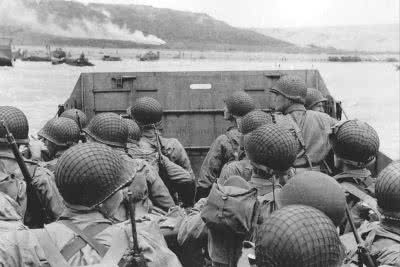
The company has a large fleet of delivery trucks.
그 회사는 대규모 배달 트럭 차량을 보유하고 있다.

raid

/reɪd/

(noun) 습격, 급습, 단속;

(verb) 습격하다, 급습하다, 뒤지다

예시:
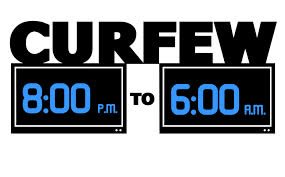
The commandos launched a surprise raid on the enemy stronghold.
특공대는 적의 거점에 기습 공격을 감행했다.

curfew

/ˈkɝː.fjuː/

(noun) 통행금지, 귀가 시간

예시:

The city imposed a strict curfew after the unrest.
도시는 소요 사태 이후 엄격한 통행금지령을 내렸다.

hostage

/ˈhɑː.stɪdʒ/

(noun) 인질

예시:

The terrorists took several people hostage.
테러리스트들은 여러 사람을 인질로 잡았다.

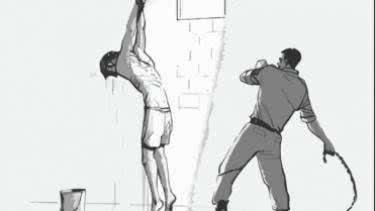
torture

/ˈtɔːr.tʃɚ/

(noun) 고문, 고통, 괴로움;

(verb) 고문하다

예시:

The prisoner was subjected to brutal torture.
죄수는 잔혹한 고문을 당했다.

occupation

/ˌɑː.kjəˈpeɪ.ʃən/

(noun) 직업, 직무, 업무

예시:

Please state your name, address, and occupation.
이름, 주소, 직업을 기재해 주세요.

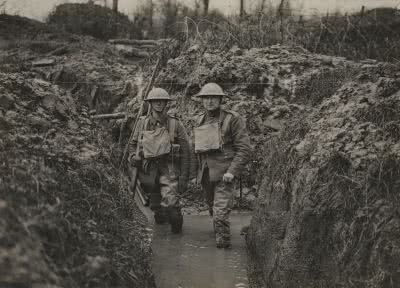
trench

/trentʃ/

(noun) 참호, 도랑;

(verb) 참호를 파다, 도랑을 파다

예시:
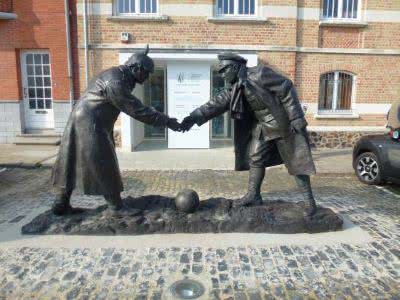
The soldiers dug a deep trench for protection.
군인들은 보호를 위해 깊은 참호를 팠다.

truce

/truːs/

(noun) 휴전, 정전

예시:

The two sides agreed to a temporary truce.
양측은 임시 휴전에 합의했다.

warfare

/ˈwɔːr.fer/

(noun) 전쟁, 전투

예시:

Modern warfare often involves cyber attacks and drones.
현대 전쟁은 종종 사이버 공격과 드론을 포함한다.

arm

/ɑːrm/

(noun) 팔, 무기;

(verb) 무장시키다

예시:

She held the baby in her arms.
그녀는 아기를 팔에 안았다.

evacuation

/ɪˌvæk.juˈeɪ.ʃən/

(noun) 대피, 철수, 배설

예시:

The rapid evacuation of the building saved many lives.
건물의 신속한 대피는 많은 생명을 구했다.

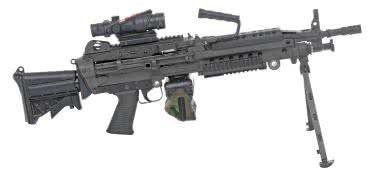
machine gun

/məˈʃiːn ˌɡʌn/

(noun) 기관총

예시:

The soldier fired his machine gun at the enemy.
병사는 적에게 기관총을 발사했다.

command

/kəˈmænd/

(noun) 명령, 지시, 통제;

(verb) 명령하다, 지휘하다, 통제하다

예시:
The officer gave a clear command to his troops.
장교는 부대원들에게 명확한 명령을 내렸다.

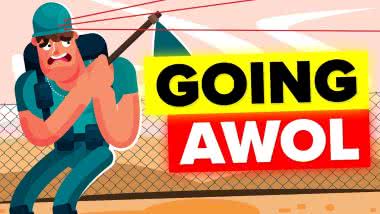
AWOL

/ˈeɪ.wɑːl/

(adjective) 무단이탈, 무단결근;

(adverb) 무단이탈, 사라지다

예시:
The soldier went AWOL after a disagreement with his commanding officer.
그 병사는 지휘관과의 불화 후 무단이탈했다.

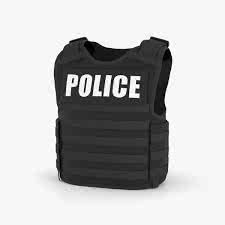
bulletproof

/ˈbʊl.ɪt.pruːf/

(adjective) 방탄의, 반박 불가능한, 완벽한

예시:

The president's car is completely bulletproof.
대통령의 차는 완전히 방탄이다.

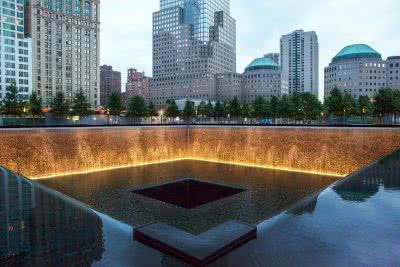
ground zero

/ˌɡraʊnd ˈzɪr.oʊ/

(noun) 그라운드 제로, 폭심지, 세계무역센터 부지

예시:

The city center was declared ground zero after the bombing.
폭격 후 도시 중심부는 그라운드 제로로 선포되었다.

gunner

/ˈɡʌn.ɚ/

(noun) 포수, 사수, 야심가

예시:

The gunner aimed the cannon at the enemy ship.
포수는 적함에 대포를 겨냥했다.

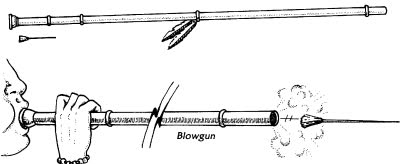
blowgun

/ˈbloʊ.ɡʌn/

(noun) 블로우건, 취관

예시:

The hunter used a blowgun to silently take down his prey.
사냥꾼은 조용히 먹이를 잡기 위해 블로우건을 사용했다.

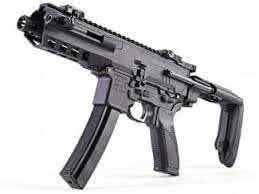
submachine gun

/ˈsʌb.mə.ʃiːn ˌɡʌn/

(noun) 기관단총, 서브머신건

예시:

The police officer carried a submachine gun during the raid.
경찰관은 급습 중에 기관단총을 휴대했다.

station

/ˈsteɪ.ʃən/

(noun) 역, 정류장, 기지;

(verb) 배치하다, 주둔시키다

예시:

I'll meet you at the train station.
기차역에서 만나자.

magazine

/ˌmæɡ.əˈziːn/

(noun) 잡지, 탄창, 탄약통

예시:

She subscribes to a fashion magazine.
그녀는 패션 잡지를 구독한다.

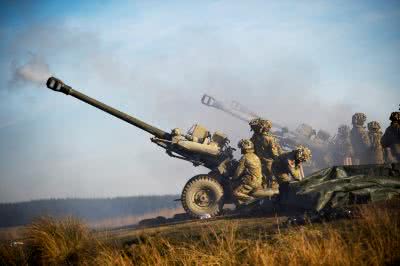
artillery

/ɑːrˈtɪl.ɚ.i/

(noun) 포병, 대포, 포병대

예시:

The artillery barrage lasted for hours.
포병 사격은 몇 시간 동안 계속되었다.

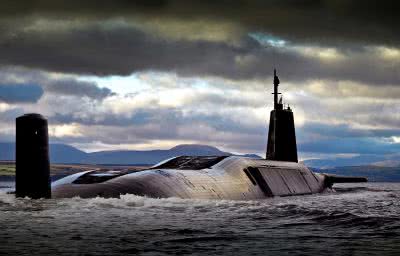
nuclear deterrent

/ˌnuː.kli.ər ˈdet.ər.ənt/

(noun) 핵 억지력

예시:

The country's nuclear deterrent is a key part of its defense strategy.
그 나라의 핵 억지력은 국방 전략의 핵심 부분이다.

nerve agent

/ˈnɜːrv ˌeɪ.dʒənt/

(noun) 신경 작용제, 신경 가스

예시:

The terrorists were suspected of developing a nerve agent.
테러리스트들은 신경 작용제를 개발하고 있는 것으로 의심되었다.

nerve gas

/ˈnɜːrv ˌɡæs/

(noun) 신경 가스

예시:

The dictator was accused of using nerve gas against his own people.
독재자는 자국민에게 신경 가스를 사용한 혐의로 기소되었다.
Lingoland에서 이 어휘 세트 학습하기