Avatar of Vocabulary Set C1 - 科学に国境はない!

レベル C1 内 C1 - 科学に国境はない! 語彙セット:完全かつ詳細なリスト

「レベル C1」内の「C1 - 科学に国境はない!」語彙セットは国際標準教材から厳選され、短期間で語彙をマスターできます。定義、例文、標準発音を網羅…

Lingolandでこの語彙セットを学習

今すぐ学習
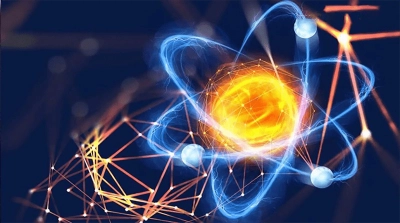
atomic

/əˈtɑː.mɪk/

(adjective) 原子の, 原子に関する, 極めて小さい

例:

The scientist studied the atomic structure of the element.
科学者はその元素の原子構造を研究した。

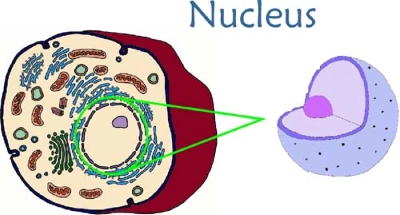
nucleus

/ˈnuː.kli.əs/

(noun) 核, 中心, 原子核

例:

The family forms the nucleus of society.
家族は社会のを形成する。

bond

/bɑːnd/

(noun) きずな, 結びつき, 絆;

(verb) 結合する, 接着する, 絆を深める

例:
The prisoner was held by a strong bond.
囚人は強いきずなでつながれていた。

charge

/tʃɑːrdʒ/

(verb) 請求する, 料金を取る, 起訴する;

(noun) 料金, 費用, 罪

例:
The restaurant charged us for water we didn't order.
そのレストランは注文していない水まで請求した

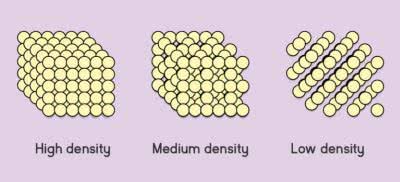
density

/ˈden.sə.t̬i/

(noun) 密度, 質量密度

例:

The population density in the city center is very high.
都心部の人口密度は非常に高い。

gravity

/ˈɡræv.ə.t̬i/

(noun) 重力, 引力, 重大さ

例:

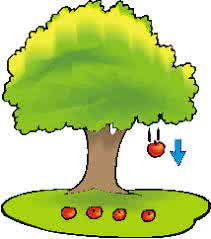
The apple fell from the tree due to gravity.
リンゴは重力によって木から落ちた。

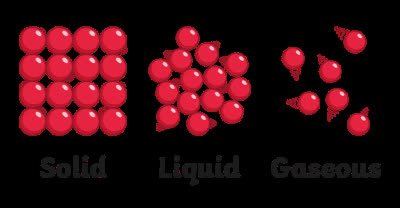
particle

/ˈpɑːr.t̬ə.kəl/

(noun) 微塵, 少し, 素粒子;

(particle) 助詞, 不変化詞

例:

There wasn't a particle of dust in the room.
部屋には微塵も埃がなかった。

property

/ˈprɑː.pɚ.t̬i/

(noun) 財産, 所有物, 物件

例:

The house is my personal property.
その家は私の個人的な財産です。

instinct

/ˈɪn.stɪŋkt/

(noun) 本能, 直感, 勘

例:

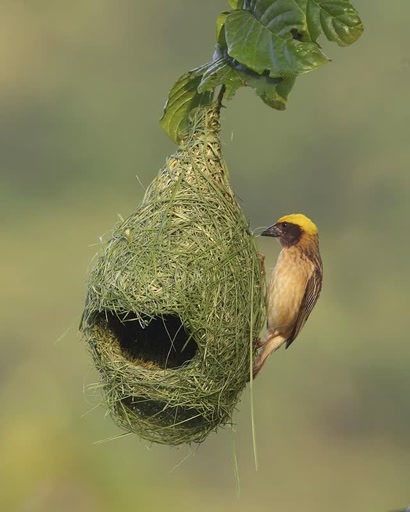
Birds build nests by instinct.
鳥は本能で巣を作る。

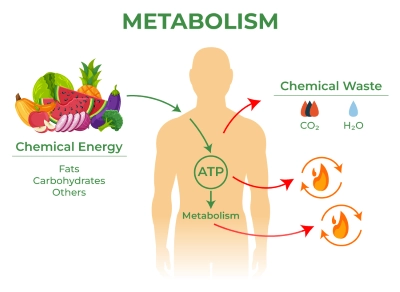
metabolism

/məˈtæb.əl.ɪ.zəm/

(noun) 代謝

例:

Exercise can boost your metabolism.
運動は代謝を高めることができます。

evolutionary

/ˌiː.vəˈluː.ʃən.er.i/

(adjective) 進化の, 進化論的な

例:

The study focused on the evolutionary changes in species over time.
その研究は、時間の経過に伴う種の進化的な変化に焦点を当てた。

organic

/ɔːrˈɡæn.ɪk/

(adjective) 有機の, 有機的, 自然な

例:

We only buy organic vegetables.
私たちは有機野菜しか買いません。

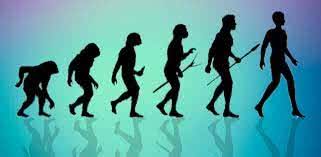
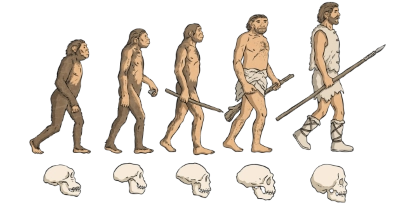
evolution

/ˌiː.vəˈluː.ʃən/

(noun) 進化, 発展

例:

The evolution of humans from apes is a widely accepted scientific theory.
類人猿から人類への進化は、広く受け入れられている科学理論です。

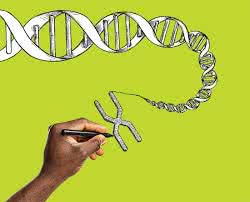
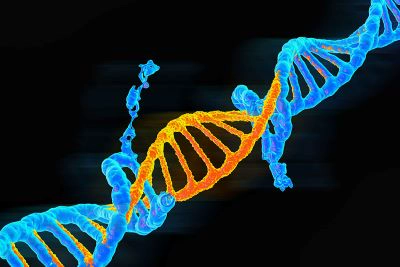
genome

/ˈdʒiː.noʊm/

(noun) ゲノム

例:

Scientists are working to map the human genome.
科学者たちはヒトゲノムの地図作成に取り組んでいる。

mutation

/mjuːˈteɪ.ʃən/

(noun) 変異, 変化, 遺伝子変異

例:

The virus underwent a rapid mutation.
ウイルスは急速な変異を遂げた。

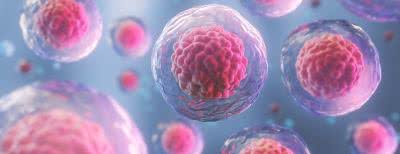
embryo

/ˈem.bri.oʊ/

(noun) 胚, 胎芽, 初期段階

例:

The doctor explained the development of the embryo.
医師はの発生について説明した。

hybrid

/ˈhaɪ.brɪd/

(noun) ハイブリッド, 混成物, 雑種;

(adjective) ハイブリッドの, 混合の

例:
The new car is a hybrid, running on both gasoline and electricity.
新しい車はガソリンと電気の両方で走るハイブリッドです。

clone

/kloʊn/

(noun) クローン, そっくりさん;

(verb) クローンする, コピーする, 複製する

例:
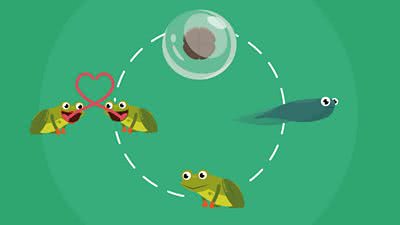
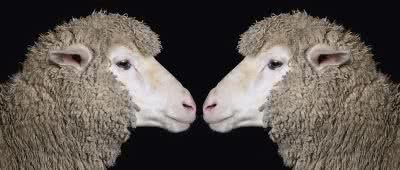
Scientists successfully created a clone of the sheep.
科学者たちは羊のクローンを成功裏に作成した。

reproduce

/ˌriː.prəˈduːs/

(verb) 再現する, 複製する, 繁殖する

例:

The artist tried to reproduce the colors of the sunset.
その芸術家は夕日の色を再現しようとした。

stimulus

/ˈstɪm.jə.ləs/

(noun) 刺激, 誘因

例:

Light is a stimulus for the eyes.
光は目にとっての刺激です。

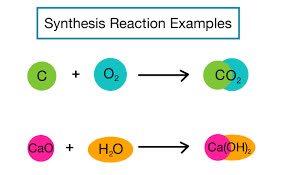
synthesis

/ˈsɪn.θə.sɪs/

(noun) 統合, 合成, 総合

例:

The report provides a synthesis of the research findings.
この報告書は研究結果の統合を提供します。

accelerate

/ekˈsel.ɚ.eɪt/

(verb) 加速する, 促進する, 早める

例:

The car began to accelerate as it entered the highway.
車は高速道路に入ると加速し始めた。

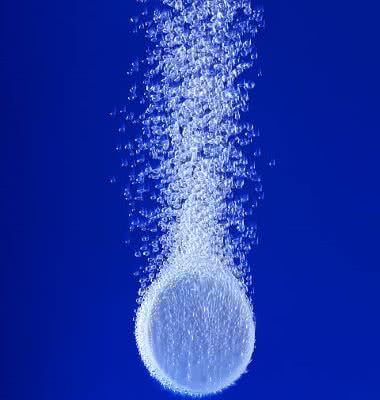
dissolve

/dɪˈzɑːlv/

(verb) 溶かす, 溶ける, 解散する

例:

Sugar dissolves in water.
砂糖は水に溶ける

acid

/ˈæs.ɪd/

(noun) 酸;

(adjective) 酸性の, 酸っぱい

例:

Sulfuric acid is a strong corrosive substance.
硫酸は強力な腐食性物質です。

aluminum

/əˈluː.mə.nəm/

(noun) アルミニウム

例:

Most soda cans are made of aluminum.
ほとんどのソーダ缶はアルミニウム製です。

copper

/ˈkɑː.pɚ/

(noun) 銅, 銅色, 警官;

(verb) 銅で覆う, 銅めっきする;

(adjective) 銅製の, 銅色の

例:

Electrical wires are often made of copper.
電線はしばしばでできている。

lead

/liːd/

(noun) 主導権, 手本, リード;

(verb) 導く, 率いる, 指揮する

例:

She took the lead in organizing the event.
彼女がイベントの企画で主導権を握った。

conductor

/kənˈdʌk.tɚ/

(noun) 指揮者, 導体, 車掌

例:

The conductor raised his baton, and the orchestra began to play.
指揮者が指揮棒を上げると、オーケストラは演奏を始めた。

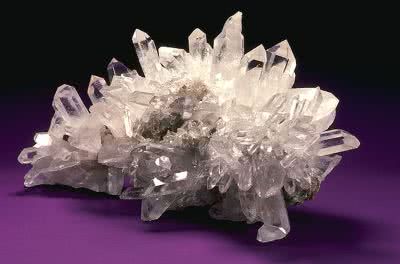
crystal

/ˈkrɪs.təl/

(noun) クリスタル, 結晶, クリスタルガラス;

(adjective) クリスタルのように澄んだ, 透明な

例:
The chandelier was adorned with sparkling crystals.
シャンデリアはきらめくクリスタルで飾られていた。

gunpowder

/ˈɡʌnˌpaʊ.dɚ/

(noun) 火薬

例:

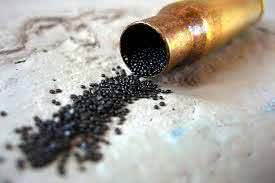
The ancient Chinese invented gunpowder.
古代中国人は火薬を発明した。

dynamite

/ˈdaɪ.nə.maɪt/

(noun) ダイナマイト, すごいもの, 強力なもの;

(verb) ダイナマイトで爆破する, 爆破する

例:
The engineers used dynamite to clear the rockslide.
技術者たちは落石を除去するためにダイナマイトを使用した。

composition

/ˌkɑːm.pəˈzɪʃ.ən/

(noun) 組成, 構成, 作品

例:

The composition of the soil affects plant growth.
土壌の組成は植物の成長に影響を与える。

emit

/iˈmɪt/

(verb) 放出する, 排出する, 発する

例:

The sun emits light and heat.
太陽は光と熱を放出する

ray

/reɪ/

(noun) 光線, 光, 一筋;

(verb) 光を放つ, 輝く

例:
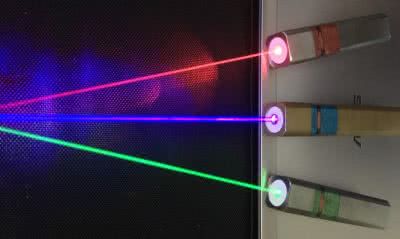
A ray of sunlight pierced through the clouds.
太陽の光線が雲を突き抜けた。

laser

/ˈleɪ.zɚ/

(noun) レーザー;

(verb) レーザーを当てる, レーザーで狙う

例:
The surgeon used a laser to perform the delicate operation.
外科医は繊細な手術を行うためにレーザーを使用した。

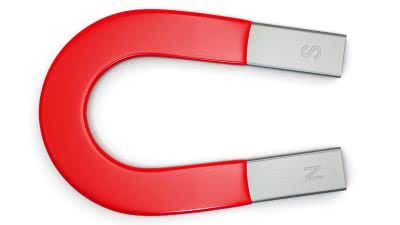
magnet

/ˈmæɡ.nət/

(noun) 磁石, 魅力的なもの

例:

The refrigerator door has a strong magnet.
冷蔵庫のドアには強力な磁石が付いています。

thermal

/ˈθɝː.məl/

(adjective) 熱の, 熱に関する, 保温の;

(noun) 上昇気流, 熱気流

例:
The house has excellent thermal insulation.
その家は優れた絶縁性を持っています。

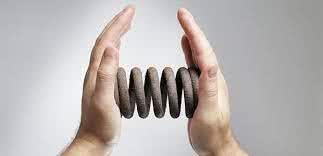
compress

/kəmˈpres/

(verb) 圧縮する, 押し縮める, 圧迫する;

(noun) 湿布, 圧迫包帯

例:
The machine can compress large bales of hay.
その機械は大きな干し草の俵を圧縮することができる。

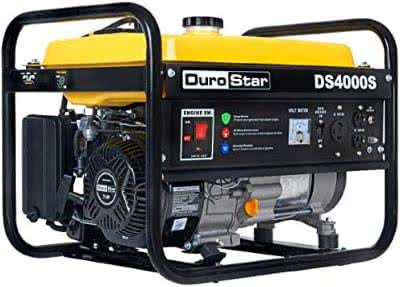
generator

/ˈdʒen.ər.eɪ.t̬ɚ/

(noun) 発電機, ジェネレーター, 生成者

例:

The power went out, so we had to start the generator.
停電したので、発電機を起動しなければならなかった。

evaporate

/ɪˈvæp.ə.reɪt/

(verb) 蒸発する, 気化する, 消え去る

例:

The water will evaporate quickly in the sun.
水は太陽の下で早く蒸発するだろう。

vacuum

/ˈvæk.juːm/

(noun) 真空, 掃除機;

(verb) 掃除機をかける

例:

Scientists created a near-perfect vacuum in the lab.
科学者たちは実験室でほぼ完璧な真空を作り出した。

infinite

/ˈɪn.fə.nət/

(adjective) 無限の, 限りない;

(noun) 無限, 無限大

例:

The universe is vast and possibly infinite.
宇宙は広大で、おそらく無限である。
Lingolandでこの語彙セットを学習