Avatar of Vocabulary Set C1 - 歴史は過去の政治である!

レベル C1 内 C1 - 歴史は過去の政治である! 語彙セット:完全かつ詳細なリスト

「レベル C1」内の「C1 - 歴史は過去の政治である!」語彙セットは国際標準教材から厳選され、短期間で語彙をマスターできます。定義、例文、標準発音を網羅…

Lingolandでこの語彙セットを学習

今すぐ学習

archive

/ˈɑːr.kaɪv/

(noun) アーカイブ, 記録保管所;

(verb) アーカイブする, 保存する

例:
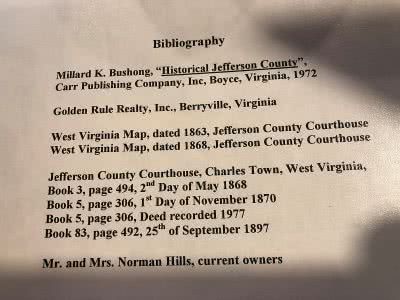
The university maintains a vast archive of historical manuscripts.
大学は歴史的な写本の膨大なアーカイブを維持している。

bibliography

/ˌbɪb.liˈɑː.ɡrə.fi/

(noun) 参考文献, 書誌, 書誌学

例:

The student included a comprehensive bibliography at the end of her thesis.
学生は論文の最後に包括的な参考文献リストを含めました。

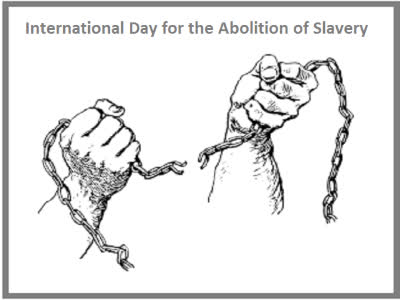
abolition

/ˌæb.əˈlɪʃ.ən/

(noun) 廃止, 撤廃

例:

The abolition of slavery was a monumental achievement.
奴隷制度の廃止は画期的な成果でした。

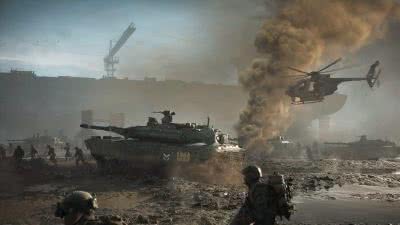
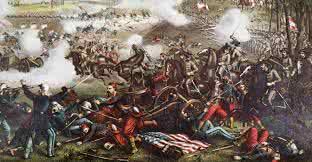
battlefield

/ˈbæt̬.əl.fiːld/

(noun) 戦場, 激戦地, 競争の場

例:

The soldiers advanced across the muddy battlefield.
兵士たちは泥だらけの戦場を進んだ。

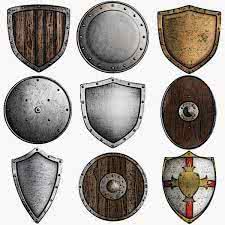
shield

/ʃiːld/

(noun) 盾, シールド, 保護;

(verb) 守る, 遮る

例:

The knight raised his shield to block the arrow.
騎士は矢を防ぐためにを上げた。

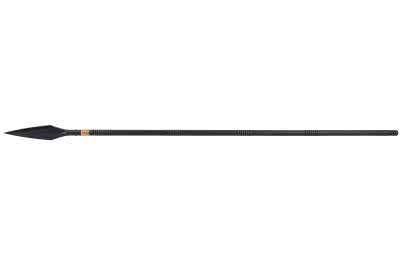
spear

/spɪr/

(noun) 槍, 矛, 芽;

(verb) 槍で突く, 刺す

例:

The hunter carried a spear for protection.
猟師は身を守るためにを持っていた。

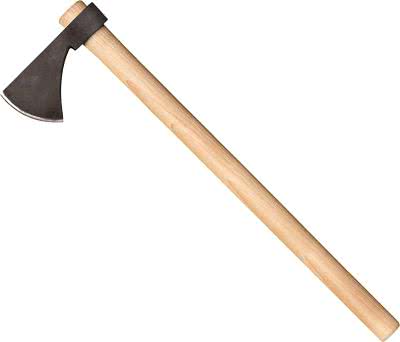
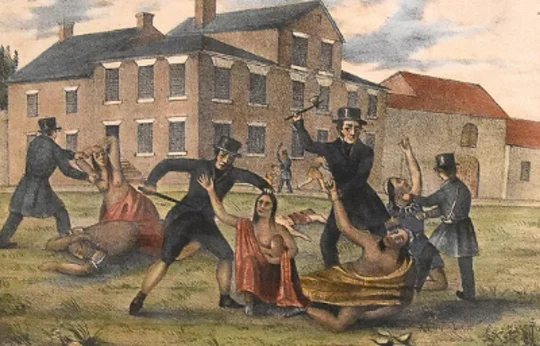
tomahawk

/ˈtɑː.mə.hɑːk/

(noun) トマホーク, 手斧;

(verb) トマホークで攻撃する, トマホークを投げる

例:

The warrior carried a sharp tomahawk.
戦士は鋭いトマホークを携えていた。

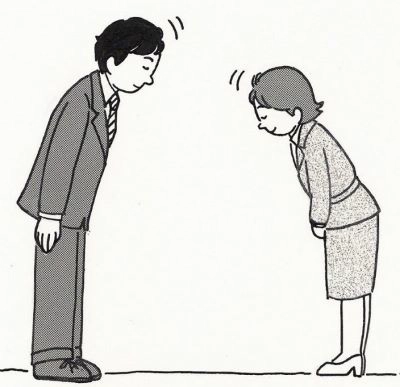
bow

/baʊ/

(noun) リボン, 蝶結び, 弓;

(verb) お辞儀をする, 頭を下げる, 曲がる

例:
She tied her hair back with a pretty pink bow.
彼女は可愛らしいピンクのリボンで髪を結んだ。

dagger

/ˈdæɡ.ɚ/

(noun) 短剣, ダガー

例:

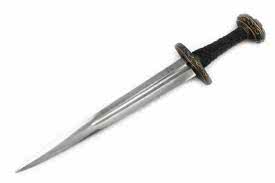
He pulled a dagger from his belt.
彼はベルトから短剣を引き抜いた。

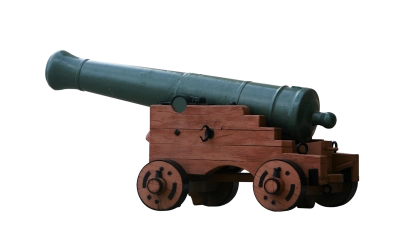
cannon

/ˈkæn.ən/

(noun) 大砲, 機関砲;

(verb) 強く打つ, 猛打する

例:

The ancient fortress still had several old cannons on display.
その古い要塞には、まだいくつかの古い大砲が展示されていた。

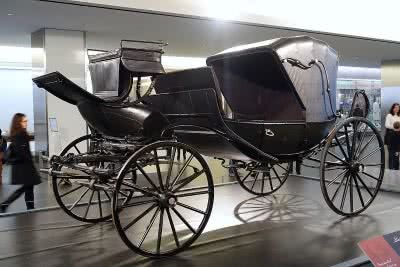
carriage

/ˈker.ɪdʒ/

(noun) 馬車, 客車, 車両

例:

The royal family arrived in a magnificent horse-drawn carriage.
王室は壮麗な馬車で到着した。

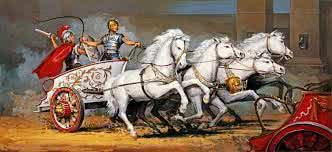
chariot

/ˈtʃer.i.ət/

(noun) チャリオット, 戦車;

(verb) チャリオットで運ぶ, チャリオットに乗せる

例:

The ancient Egyptians used chariots in battle.
古代エジプト人は戦いでチャリオットを使用した。

dungeon

/ˈdʌn.dʒən/

(noun) 地下牢, 牢獄

例:

The prisoner was thrown into the dark dungeon.
囚人は暗い地下牢に投げ込まれた。

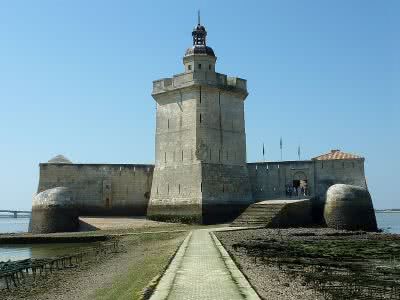
fort

/fɔːrt/

(noun) 砦, 要塞, 堡塁

例:

The soldiers defended the fort against the enemy attack.
兵士たちは敵の攻撃からを守った。

conqueror

/ˈkɑːŋ.kɚ.ɚ/

(noun) 征服者, 克服者, 達成者

例:

Alexander the Great was a famous conqueror.
アレクサンドロス大王は有名な征服者でした。

successor

/səkˈses.ɚ/

(noun) 後継者, 後任

例:

The vice president is the natural successor to the president.
副大統領は大統領の当然の後継者である。

reign

/reɪn/

(noun) 治世, 統治期間, 王位;

(verb) 統治する, 君臨する, 支配する

例:
Queen Victoria's reign lasted for 63 years.
ヴィクトリア女王の治世は63年間続いた。

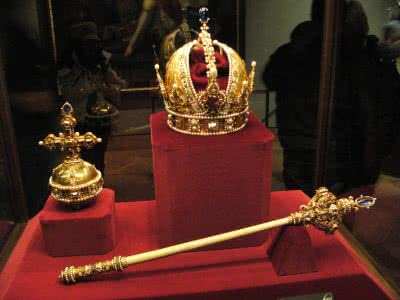
crown

/kraʊn/

(noun) 王冠, 王室, 君主;

(verb) 戴冠させる, 王位に就かせる, 飾る

例:
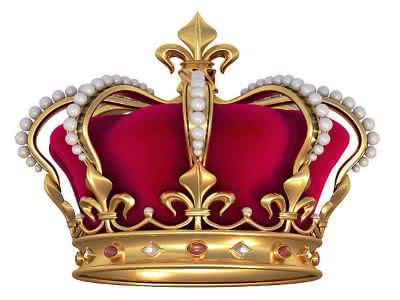
The queen wore a magnificent crown during the ceremony.
女王は式典中、壮麗な王冠を身につけていた。

peasant

/ˈpez.ənt/

(noun) 農民, 小作人, 田舎者

例:

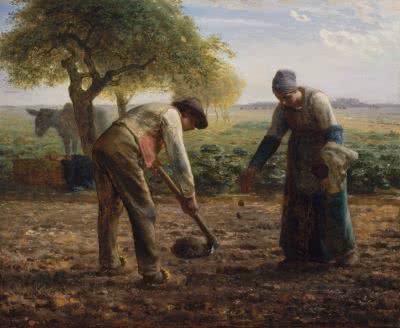
The peasants toiled in the fields from dawn till dusk.
農民たちは夜明けから夕暮れまで畑で働いた。

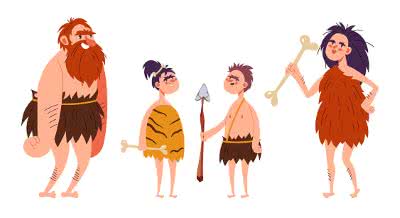
primitive

/ˈprɪm.ə.t̬ɪv/

(adjective) 原始的な, 初期の, 未発達な;

(noun) 原始人, 未開人

例:
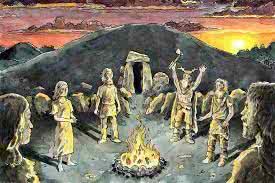
Early humans used primitive tools for hunting.
初期の人類は狩猟に原始的な道具を使った。

datable

/ˈdeɪtəbl/

(adjective) 年代測定可能, 日付を特定できる, デート向き

例:
The artifact is clearly datable to the Roman period.
その遺物はローマ時代に明確に年代測定可能である。

prehistoric

/ˌpriː.hɪˈstɔːr.ɪk/

(adjective) 先史時代, 有史以前の, 時代遅れの

例:

Dinosaurs lived in prehistoric times.
恐竜は先史時代に生きていた。

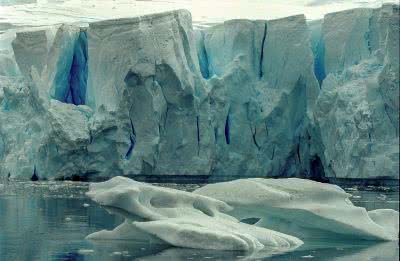
ice age

/ˈaɪs ˌeɪdʒ/

(noun) 氷河時代

例:

The last Ice Age ended about 10,000 years ago.
最後の氷河時代は約1万年前に終わった。

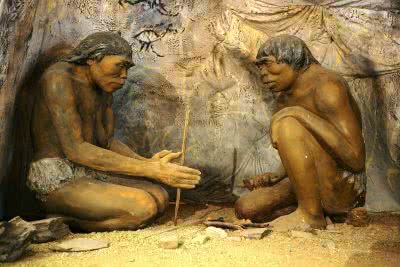
stone age

/ˈstoʊn ˌeɪdʒ/

(noun) 石器時代, 原始時代, 時代遅れ

例:

Humans lived in caves during the Stone Age.
人類は石器時代に洞窟に住んでいた。

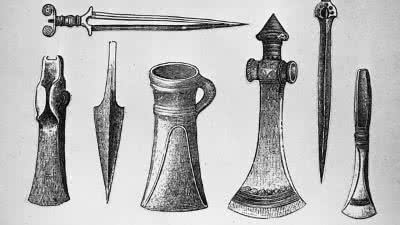
the Bronze Age

/ðə ˈbrɑːnz eɪdʒ/

(noun) 青銅器時代

例:

Archaeologists found artifacts from the Bronze Age.
考古学者は青銅器時代の遺物を発見した。

the Iron Age

/ðə ˈaɪərn eɪdʒ/

(noun) 鉄器時代

例:

Archaeologists have found many artifacts from the Iron Age.
考古学者は鉄器時代の多くの遺物を発見しました。

golden age

/ˈɡoʊl.dən ˌeɪdʒ/

(noun) 黄金時代, 最盛期

例:

The 1950s are often considered the golden age of Hollywood.
1950年代はしばしばハリウッドの黄金時代と見なされている。

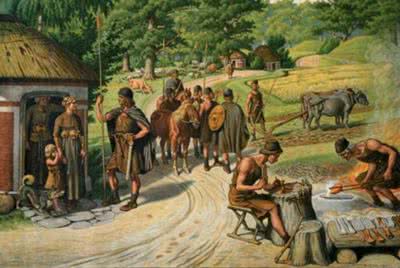
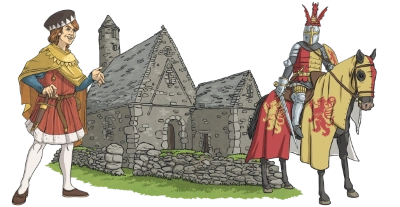
medieval

/ˌmed.iˈiː.vəl/

(adjective) 中世の, 時代遅れの, 原始的な

例:

They visited a well-preserved medieval castle.
彼らは保存状態の良い中世の城を訪れた。

enlightenment

/ɪnˈlaɪ.t̬ən.mənt/

(noun) 啓発, 悟り, 理解

例:

Reading widely can lead to intellectual enlightenment.
幅広く読書することは知的な啓発につながる。

civil war

/ˌsɪv.əl ˈwɔːr/

(noun) 内戦

例:

The country was plunged into a devastating civil war.
その国は壊滅的な内戦に突入した。

colonial

/kəˈloʊ.ni.əl/

(adjective) 植民地の, 植民地時代の

例:

The country gained independence from colonial rule.
その国は植民地支配から独立した。

imperial

/ɪmˈpɪr.i.əl/

(adjective) 帝国の, 皇帝の, ヤード・ポンド法の

例:

The Roman Empire had a vast imperial army.
ローマ帝国には広大な帝国軍があった。

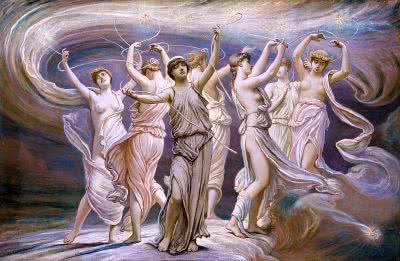
mythology

/mɪˈθɑː.lə.dʒi/

(noun) 神話, 神話学, 神話の研究

例:

Greek mythology is rich with gods, goddesses, and heroes.
ギリシャ神話は神々、女神、英雄で豊かです。

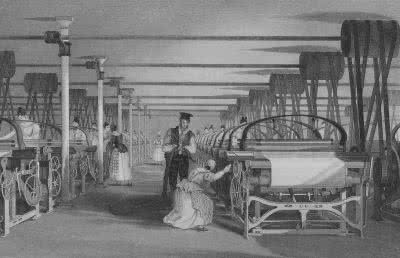
the industrial revolution

/ðə ɪnˈdʌstriəl rɛvəˈluːʃən/

(noun) 産業革命

例:

The Industrial Revolution led to significant social and economic changes.
産業革命は、社会と経済に大きな変化をもたらしました。

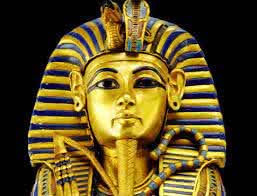
pharaoh

/ˈfer.oʊ/

(noun) ファラオ

例:

The ancient Egyptians revered their pharaohs as divine.
古代エジプト人はファラオを神聖なものとして崇拝した。

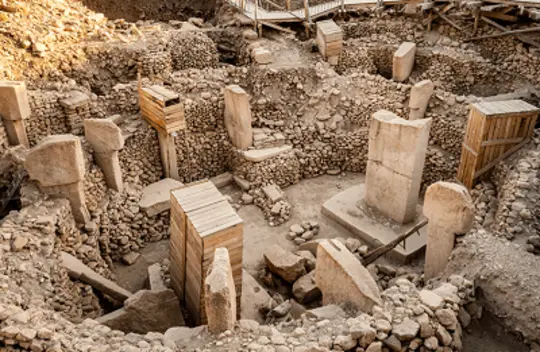
archeology

/ˌɑːr.kiˈɑː.lə.dʒi/

(noun) 考古学

例:

She decided to major in archeology at university.
彼女は大学で考古学を専攻することに決めた。

bloodline

/ˈblʌd.laɪn/

(noun) 血統, 家系

例:

The royal bloodline has been traced back for centuries.
王室の血統は何世紀にもわたって遡ることができます。

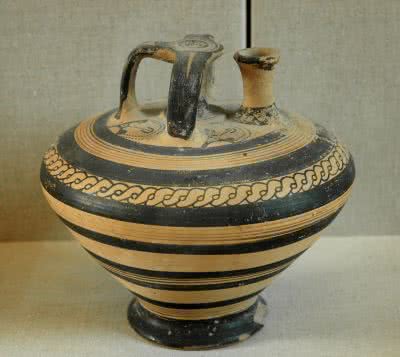
artifact

/ˈɑːr.t̬ə.fækt/

(noun) 人工物, 工芸品, アーティファクト

例:

The museum displayed ancient Roman artifacts.
博物館には古代ローマの工芸品が展示されていた。

war-torn

/ˈwɔːr.tɔːrn/

(adjective) 戦争で荒廃した, 戦禍を被った

例:

The international community sent aid to the war-torn region.
国際社会は戦争で荒廃した地域に援助を送った。

ranged weapon

/ˈreɪndʒd ˈwep.ən/

(noun) 遠距離武器, 投擲武器

例:

Archers primarily use ranged weapons like bows and arrows.
射手は主に弓矢のような遠距離武器を使用します。

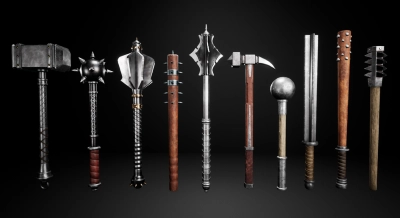
melee weapon

/ˈmeɪ.leɪ ˌwep.ən/

(noun) 近接武器, 白兵戦武器

例:

The knight preferred a melee weapon like his trusty sword for close encounters.
騎士は接近戦のために信頼できる剣のような近接武器を好んだ。

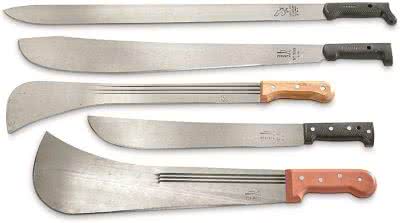
machete

/məˈʃet̬.i/

(noun) マチェーテ, 山刀

例:

He used a machete to clear a path through the dense jungle.
彼は密林を切り開くためにマチェーテを使った。

spartan

/ˈspɑːr.tən/

(adjective) スパルタの, 質素な, 禁欲的な;

(noun) スパルタ人, スパルタの住民

例:

The ancient Spartan warriors were known for their rigorous training.
古代スパルタの戦士たちは、厳しい訓練で知られていた。
Lingolandでこの語彙セットを学習