Avatar of Vocabulary Set C1 - 历史是过去的政治!

词汇集 C1 - 历史是过去的政治!(属于 C1级别):完整且详细的清单

词汇集「C1 - 历史是过去的政治!」(属于「C1级别」)从国际标准教材来源精心挑选,帮助您在短时间内掌握词汇。全面汇整定义、例句及标准发音…

在 Lingoland 学习此词汇集

立即学习

archive

/ˈɑːr.kaɪv/

(noun) 档案, 档案馆, 档案室;

(verb) 归档, 存档

示例:
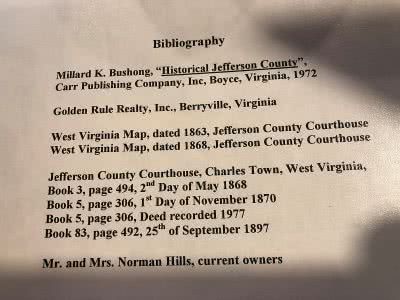
The university maintains a vast archive of historical manuscripts.
该大学保存着大量的历史手稿档案

bibliography

/ˌbɪb.liˈɑː.ɡrə.fi/

(noun) 参考书目, 文献目录, 目录学

示例:

The student included a comprehensive bibliography at the end of her thesis.
该学生在论文末尾附上了一份全面的参考书目

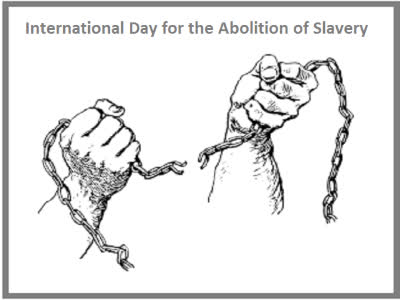
abolition

/ˌæb.əˈlɪʃ.ən/

(noun) 废除, 取消

示例:

The abolition of slavery was a monumental achievement.
奴隶制的废除是一项里程碑式的成就。

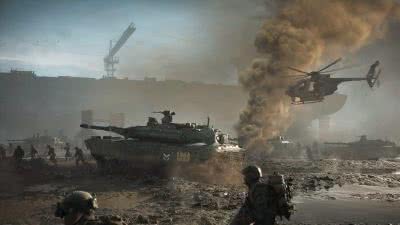
battlefield

/ˈbæt̬.əl.fiːld/

(noun) 战场, 竞技场

示例:

The soldiers advanced across the muddy battlefield.
士兵们穿过泥泞的战场

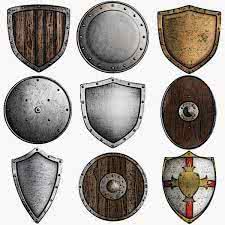
shield

/ʃiːld/

(noun) 盾牌, 防护物, 屏障;

(verb) 保护, 遮蔽

示例:
The knight raised his shield to block the arrow.
骑士举起他的盾牌以阻挡箭。

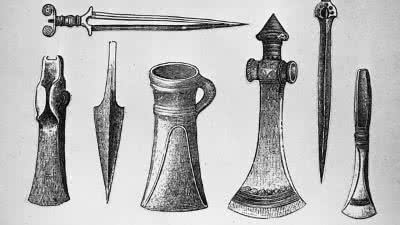
spear

/spɪr/

(noun) 长矛, 标枪, 嫩芽;

(verb) 用矛刺, 刺穿

示例:
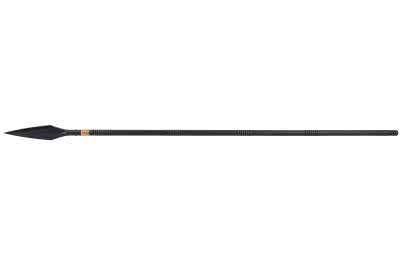
The hunter carried a spear for protection.
猎人带着长矛以防身。

tomahawk

/ˈtɑː.mə.hɑːk/

(noun) 战斧, 印第安战斧;

(verb) 用战斧砍, 投掷战斧

示例:
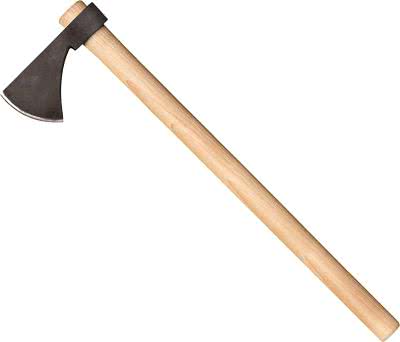
The warrior carried a sharp tomahawk.
战士带着一把锋利的战斧

bow

/baʊ/

(noun) 蝴蝶结, 弓, 琴弓;

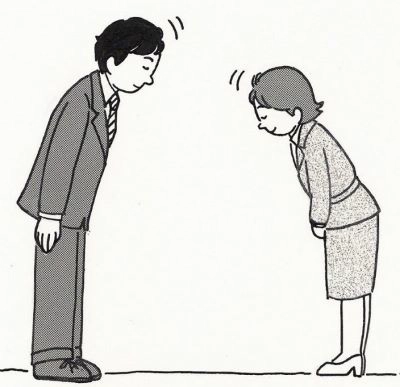
(verb) 鞠躬, 弯腰, 弯曲

示例:
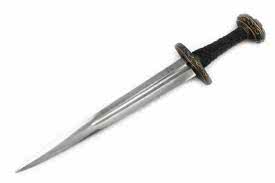
She tied her hair back with a pretty pink bow.
她用一个漂亮的粉色蝴蝶结把头发扎起来。

dagger

/ˈdæɡ.ɚ/

(noun) 匕首, 短剑

示例:

He pulled a dagger from his belt.
他从腰带里拔出一把匕首

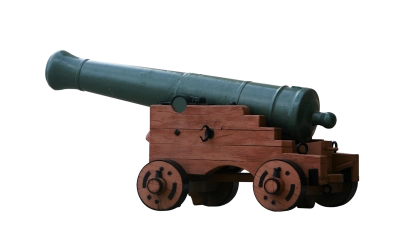
cannon

/ˈkæn.ən/

(noun) 大炮, 加农炮, 火炮;

(verb) 猛击, 猛射

示例:
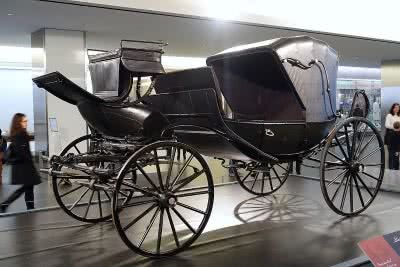
The ancient fortress still had several old cannons on display.
这座古老的堡垒仍然展示着几门旧大炮

carriage

/ˈker.ɪdʒ/

(noun) 马车, 客车, 车厢

示例:

The royal family arrived in a magnificent horse-drawn carriage.
皇室乘坐一辆华丽的马车抵达。

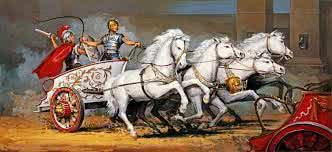
chariot

/ˈtʃer.i.ət/

(noun) 战车, 二轮马车;

(verb) 用战车运载, 驾驭战车

示例:

The ancient Egyptians used chariots in battle.
古埃及人在战斗中使用战车

dungeon

/ˈdʌn.dʒən/

(noun) 地牢, 地下室监狱

示例:

The prisoner was thrown into the dark dungeon.
囚犯被投入黑暗的地牢

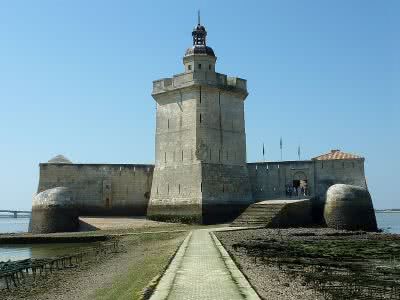
fort

/fɔːrt/

(noun) 堡垒, 要塞, 据点

示例:

The soldiers defended the fort against the enemy attack.
士兵们保卫了堡垒,抵御敌人的进攻。

conqueror

/ˈkɑːŋ.kɚ.ɚ/

(noun) 征服者, 克服者, 战胜者

示例:

Alexander the Great was a famous conqueror.
亚历山大大帝是一位著名的征服者

successor

/səkˈses.ɚ/

(noun) 继任者, 接替者

示例:

The vice president is the natural successor to the president.
副总统是总统的当然继任者

reign

/reɪn/

(noun) 统治, 君主统治时期, 王权;

(verb) 统治, 当政, 盛行

示例:

Queen Victoria's reign lasted for 63 years.
维多利亚女王的统治持续了63年。

crown

/kraʊn/

(noun) 王冠, 王室, 君主;

(verb) 加冕, 耸立在...之上, 为...画上句号

示例:
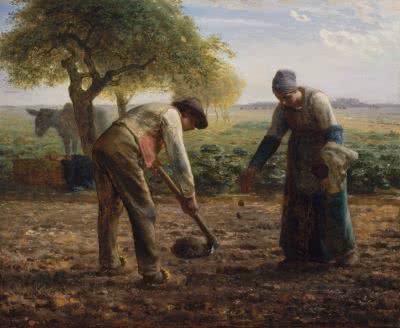
The queen wore a magnificent crown during the ceremony.
女王在典礼上戴着一顶华丽的王冠

peasant

/ˈpez.ənt/

(noun) 农民, 农夫, 粗人

示例:

The peasants toiled in the fields from dawn till dusk.
农民们从黎明到黄昏都在田里辛勤劳作。

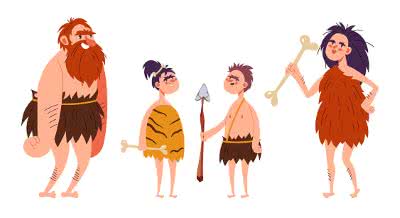
primitive

/ˈprɪm.ə.t̬ɪv/

(adjective) 原始的, 早期的, 简陋的;

(noun) 原始人, 未开化的人

示例:
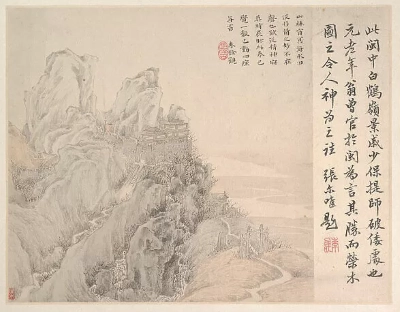
Early humans used primitive tools for hunting.
早期人类使用原始工具狩猎。

datable

/ˈdeɪtəbl/

(adjective) 可确定日期的, 可追溯的, 适合约会的

示例:

The artifact is clearly datable to the Roman period.
这件文物显然可以追溯到罗马时期。

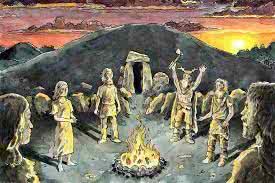
prehistoric

/ˌpriː.hɪˈstɔːr.ɪk/

(adjective) 史前的, 老旧的, 原始的

示例:

Dinosaurs lived in prehistoric times.
恐龙生活在史前时代。

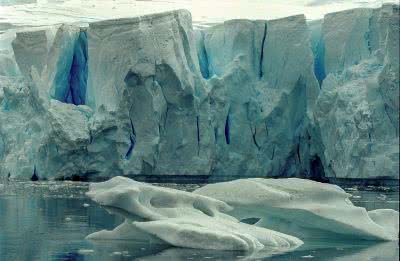
ice age

/ˈaɪs ˌeɪdʒ/

(noun) 冰河时代

示例:

The last Ice Age ended about 10,000 years ago.
上一个冰河时代大约在1万年前结束。

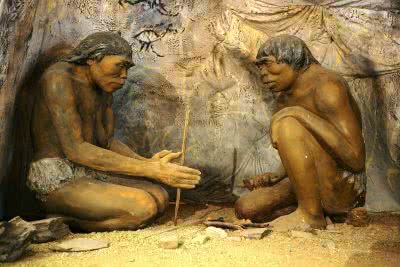
stone age

/ˈstoʊn ˌeɪdʒ/

(noun) 石器时代, 原始时代

示例:

Humans lived in caves during the Stone Age.
人类在石器时代住在洞穴里。

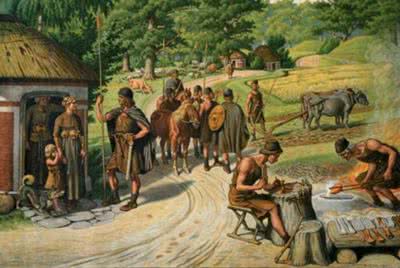
the Bronze Age

/ðə ˈbrɑːnz eɪdʒ/

(noun) 青铜时代

示例:

Archaeologists found artifacts from the Bronze Age.
考古学家发现了青铜时代的文物。

the Iron Age

/ðə ˈaɪərn eɪdʒ/

(noun) 铁器时代

示例:

Archaeologists have found many artifacts from the Iron Age.
考古学家发现了许多铁器时代的文物。

golden age

/ˈɡoʊl.dən ˌeɪdʒ/

(noun) 黄金时代, 鼎盛时期

示例:

The 1950s are often considered the golden age of Hollywood.
20世纪50年代常被认为是好莱坞的黄金时代

medieval

/ˌmed.iˈiː.vəl/

(adjective) 中世纪的, 落后的, 原始的

示例:

They visited a well-preserved medieval castle.
他们参观了一座保存完好的中世纪城堡。

enlightenment

/ɪnˈlaɪ.t̬ən.mənt/

(noun) 启迪, 领悟, 顿悟

示例:

Reading widely can lead to intellectual enlightenment.
广泛阅读可以带来思想上的启迪

civil war

/ˌsɪv.əl ˈwɔːr/

(noun) 内战

示例:

The country was plunged into a devastating civil war.
该国陷入了一场毁灭性的内战

colonial

/kəˈloʊ.ni.əl/

(adjective) 殖民的, 殖民时期的

示例:

The country gained independence from colonial rule.
该国摆脱了殖民统治获得独立。

imperial

/ɪmˈpɪr.i.əl/

(adjective) 帝国的, 皇帝的, 英制的

示例:

The Roman Empire had a vast imperial army.
罗马帝国拥有一支庞大的帝国军队。

mythology

/mɪˈθɑː.lə.dʒi/

(noun) 神话, 神话学, 对神话的研究

示例:

Greek mythology is rich with gods, goddesses, and heroes.
希腊神话充满了众神、女神和英雄。

the industrial revolution

/ðə ɪnˈdʌstriəl rɛvəˈluːʃən/

(noun) 工业革命

示例:

The Industrial Revolution led to significant social and economic changes.
工业革命导致了重大的社会和经济变革。

pharaoh

/ˈfer.oʊ/

(noun) 法老

示例:

The ancient Egyptians revered their pharaohs as divine.
古埃及人将他们的法老奉为神明。

archeology

/ˌɑːr.kiˈɑː.lə.dʒi/

(noun) 考古学

示例:

She decided to major in archeology at university.
她决定在大学主修考古学

bloodline

/ˈblʌd.laɪn/

(noun) 血统, 世系

示例:

The royal bloodline has been traced back for centuries.
皇室血统可以追溯到几个世纪前。

artifact

/ˈɑːr.t̬ə.fækt/

(noun) 文物, 人工制品, 伪影

示例:

The museum displayed ancient Roman artifacts.
博物馆展出了古罗马文物

war-torn

/ˈwɔːr.tɔːrn/

(adjective) 饱受战争蹂躏的, 战火纷飞的

示例:

The international community sent aid to the war-torn region.
国际社会向饱受战争蹂躏的地区提供了援助。

ranged weapon

/ˈreɪndʒd ˈwep.ən/

(noun) 远程武器, 投掷武器

示例:

Archers primarily use ranged weapons like bows and arrows.
弓箭手主要使用弓箭等远程武器

melee weapon

/ˈmeɪ.leɪ ˌwep.ən/

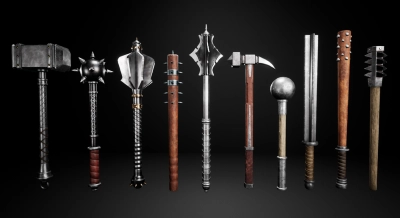
(noun) 近战武器, 冷兵器

示例:

The knight preferred a melee weapon like his trusty sword for close encounters.
骑士更喜欢用他那把值得信赖的剑之类的近战武器进行近距离战斗。

machete

/məˈʃet̬.i/

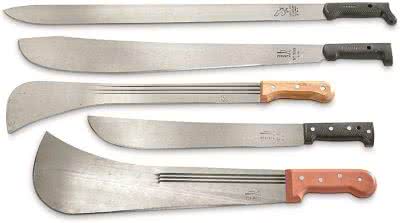
(noun) 砍刀, 大砍刀

示例:

He used a machete to clear a path through the dense jungle.
他用砍刀在茂密的丛林中开辟了一条道路。

spartan

/ˈspɑːr.tən/

(adjective) 斯巴达式的, 简朴的, 刻苦的;

(noun) 斯巴达人, 斯巴达居民

示例:

The ancient Spartan warriors were known for their rigorous training.
斯巴达战士以其严格的训练而闻名。
在 Lingoland 学习此词汇集