Avatar of Vocabulary Set B1 - 抽象的な概念

レベル B1 内 B1 - 抽象的な概念 語彙セット:完全かつ詳細なリスト

「レベル B1」内の「B1 - 抽象的な概念」語彙セットは国際標準教材から厳選され、短期間で語彙をマスターできます。定義、例文、標準発音を網羅…

Lingolandでこの語彙セットを学習

今すぐ学習

abstract

/ˈæb.strækt/

(adjective) 抽象的な, 理論的な;

(noun) 要約, 抄録;

(verb) 抽出する, 取り出す, 抽象化する

例:

Love is an abstract concept.
愛は抽象的な概念です。

content

/kənˈtent/

(noun) 内容, 目次, 含有量;

(adjective) 満足している, 満ち足りた;

(verb) 満足させる, 満たす

例:

The table of contents lists all the chapters.
目次にはすべての章が記載されています。

situation

/ˌsɪtʃ.uˈeɪ.ʃən/

(noun) 状況, 事態, 局面

例:

The economic situation is improving.
経済状況は改善している。

attitude

/ˈæt̬.ə.tuːd/

(noun) 態度, 姿勢, ポーズ

例:

She has a positive attitude towards life.
彼女は人生に対して前向きな姿勢を持っている。

impression

/ɪmˈpreʃ.ən/

(noun) 印象, 物まね, 模倣

例:

My first impression of him was that he was very kind.
彼に対する私の最初の印象は、とても親切な人だということでした。

point

/pɔɪnt/

(noun) 先端, 先, 地点;

(verb) 指す, 指摘する, 向ける

例:
The point of the knife was very sharp.
ナイフの先端はとても鋭かった。

theory

/ˈθɪr.i/

(noun) 理論, 学説, 原理

例:

The scientist proposed a new theory about the origin of the universe.
科学者は宇宙の起源に関する新しい理論を提唱した。

thinking

/ˈθɪŋ.kɪŋ/

(noun) 思考, 考え;

(verb) 考えている, 思っている;

(adjective) 考える, 思慮深い

例:

Her thinking was clear and logical.
彼女の思考は明確で論理的だった。

choice

/tʃɔɪs/

(noun) 選択, 選択肢, 最良;

(adjective) 上質な, 厳選された

例:

You have a choice between coffee and tea.
コーヒーと紅茶のどちらかを選ぶ選択肢があります。

option

/ˈɑːp.ʃən/

(noun) 選択肢, オプション, 選択権

例:

You have two options: stay or leave.
滞在するか出発するかの2つの選択肢があります。

doubt

/daʊt/

(noun) 疑い, 疑問;

(verb) 疑う, 疑問に思う

例:

I have no doubt that she will succeed.
彼女が成功することに疑いはない。

possibility

/ˌpɑː.səˈbɪl.ə.t̬i/

(noun) 可能性, 選択肢, 見込み

例:

There are many possibilities for your future career.
あなたの将来のキャリアには多くの可能性があります

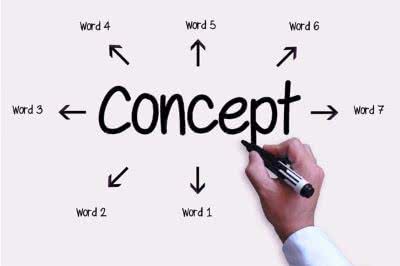
concept

/ˈkɑːn.sept/

(noun) 概念, 着想, 構想

例:

The concept of time travel is fascinating.
タイムトラベルの概念は魅力的だ。

prediction

/prɪˈdɪk.ʃən/

(noun) 予測, 予言

例:

His prediction about the election results was surprisingly accurate.
選挙結果に関する彼の予測は驚くほど正確だった。

truth

/truːθ/

(noun) 真実, 本当のこと, 真理

例:

He always speaks the truth.
彼はいつも真実を話す。

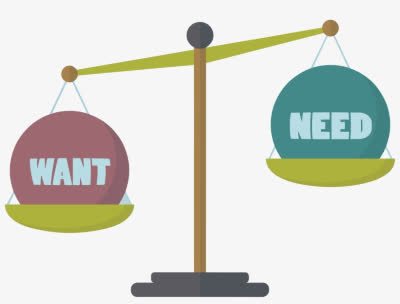
need

/niːd/

(verb) 必要とする, 〜する必要がある;

(noun) 必要, ニーズ

例:

I need to go to the bank.
銀行に行く必要があります。

permission

/pɚˈmɪʃ.ən/

(noun) 許可, 承認

例:

You need permission to enter this area.
このエリアに入るには許可が必要です。

help

/help/

(verb) 助ける, 手伝う, 改善する;

(noun) 助け, 援助;

(exclamation) 助けて, ヘルプ

例:

Can you help me with my homework?
宿題を手伝ってくれますか?

make sure

/meɪk ʃʊr/

(verb) 確認する, 確実にする

例:

Please make sure all the windows are closed before you leave.
出発する前に、すべての窓が閉まっていることを確認してください

no way

/ˌnoʊ ˈweɪ/

(exclamation) ありえない, とんでもない, まさか

例:

Are you going to finish all that food? No way!
その食べ物全部食べるの?ありえない

evidence

/ˈev.ə.dəns/

(noun) 証拠, 根拠;

(verb) 示す, 証明する, 明らかにする

例:

There is no scientific evidence to support his claim.
彼の主張を裏付ける科学的な証拠はありません。

gap

/ɡæp/

(noun) 隙間, 穴, 格差;

(verb) 隙間を作る, 間隔を空ける

例:

There's a small gap in the fence.
フェンスに小さな隙間がある。

in favor

/ɪn ˈfeɪ.vər/

(phrase) 賛成して, 支持して, 有利に

例:

Are you in favor of the new policy?
新しい方針に賛成ですか?

sorry

/ˈsɔːr.i/

(adjective) 申し訳ない, 残念な, かわいそうな;

(exclamation) ごめんなさい, すみません

例:
I'm sorry for the mistake I made.
私が犯した間違いについて申し訳ありません

unless

/ənˈles/

(conjunction) 〜しない限り, 〜でなければ

例:

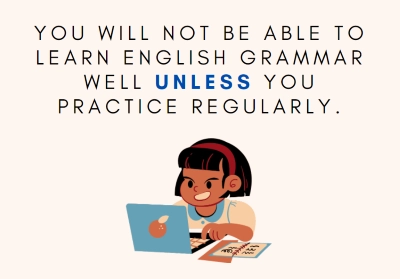
You won't pass the exam unless you study harder.
もっと勉強しない限り、試験には合格しないだろう。

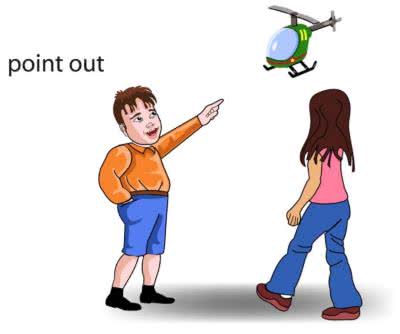
point out

/pɔɪnt aʊt/

(phrasal verb) 指し示す, 指摘する, 強調する

例:

She pointed out the star in the night sky.
彼女は夜空の星を指差した。

yeah

/jeə/

(interjection) うん, はい

例:

Yeah, I'll be there.
うん、そこにいるよ。

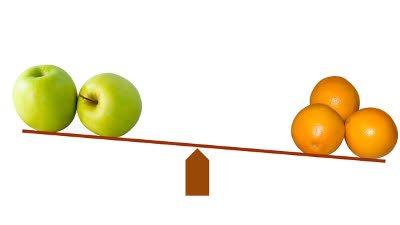
comparison

/kəmˈper.ɪ.sən/

(noun) 比較, 同等性

例:

A comparison of the two reports showed significant differences.
2つのレポートの比較は、大きな違いを示した。

concern

/kənˈsɝːn/

(noun) 関心事, 懸念, 会社;

(verb) 関する, 関係する, 心配させる

例:

The safety of the children is my main concern.
子供たちの安全が私の主な関心事です。

growth

/ɡroʊθ/

(noun) 成長, 増加, 発育

例:

The company experienced rapid growth in the last quarter.
その会社は前四半期に急速な成長を経験した。

dream

/driːm/

(noun) 夢, 願望, 理想;

(verb) 夢を見る, 夢見る, 願う

例:

I had a strange dream last night.
昨夜、奇妙なを見ました。

offer

/ˈɑː.fɚ/

(verb) 提供する, 差し出す, 申し出る;

(noun) オファー, 提案, 特別価格

例:

He offered her a cup of tea.
彼はお茶を差し出した

sort of

/sɔːrt əv/

(phrase) なんとなく, ある意味

例:

I was sort of hoping you'd say yes.
なんとなくイエスと言ってくれることを期待していました。

difference

/ˈdɪf.ɚ.əns/

(noun) 違い, 相違点, 影響

例:

There's a big difference between knowing and doing.
知っていることと実行することには大きな違いがある。

series

/ˈsɪr.iːz/

(noun) シリーズ, 一連, 連続番組

例:

The company launched a new series of products.
その会社は新製品のシリーズを発売した。

possession

/pəˈzeʃ.ən/

(noun) 所有, 所持, 所有物

例:

The family lost all their possessions in the fire.
家族は火事で全ての所有物を失った。

defense

/dɪˈfens/

(noun) 防衛, 防御, 弁護

例:

The city's defense against the invaders was strong.
侵略者に対する都市の防衛は強固だった。

middle

/ˈmɪd.əl/

(noun) 真ん中, 中央, 途中;

(adverb) 真ん中に, 中央に;

(adjective) 真ん中の, 中央の

例:

He stood in the middle of the room.
彼は部屋の真ん中に立っていた。

boundary

/ˈbaʊn.dər.i/

(noun) 境界, 境界線, 限界

例:

The river forms the natural boundary between the two countries.
その川は両国の自然な境界線を形成している。
Lingolandでこの語彙セットを学習