Avatar of Vocabulary Set B1 - Concetti Astratti

Insieme di vocabolario B1 - Concetti Astratti in Livello B1: Lista completa e dettagliata

L'insieme di vocabolario 'B1 - Concetti Astratti' in 'Livello B1' è selezionato con cura da fonti di testi standard internazionali, aiutandoti a padroneggiare il vocabolario in breve tempo. Compilazione completa di definizioni, esempi illustrativi e pronuncia standard...

Impara questo insieme di vocabolario su Lingoland

Impara ora

abstract

/ˈæb.strækt/

(adjective) astratto, teorico;

(noun) abstract, riassunto;

(verb) astrarre, estrarre, considerare separatamente

Esempio:

Love is an abstract concept.
L'amore è un concetto astratto.

content

/kənˈtent/

(noun) contenuto, indice;

(adjective) contento, soddisfatto;

(verb) accontentare, soddisfare

Esempio:

The table of contents lists all the chapters.
L'indice elenca tutti i capitoli.

situation

/ˌsɪtʃ.uˈeɪ.ʃən/

(noun) situazione, condizione, stato

Esempio:

The economic situation is improving.
La situazione economica sta migliorando.

attitude

/ˈæt̬.ə.tuːd/

(noun) atteggiamento, disposizione, posizione

Esempio:

She has a positive attitude towards life.
Ha un atteggiamento positivo verso la vita.

impression

/ɪmˈpreʃ.ən/

(noun) impressione, imitazione, parodia

Esempio:

My first impression of him was that he was very kind.
La mia prima impressione di lui fu che era molto gentile.

point

/pɔɪnt/

(noun) punta, estremità, punto;

(verb) indicare, puntare, mirare

Esempio:
The point of the knife was very sharp.
La punta del coltello era molto affilata.

theory

/ˈθɪr.i/

(noun) teoria, ipotesi, principi

Esempio:

The scientist proposed a new theory about the origin of the universe.
Lo scienziato ha proposto una nuova teoria sull'origine dell'universo.

thinking

/ˈθɪŋ.kɪŋ/

(noun) pensiero, riflessione;

(verb) pensando, riflettendo;

(adjective) pensante, riflessivo

Esempio:

Her thinking was clear and logical.
Il suo pensiero era chiaro e logico.

choice

/tʃɔɪs/

(noun) scelta, scelta migliore, prima scelta;

(adjective) di prima scelta, eccellente

Esempio:

You have a choice between coffee and tea.
Hai una scelta tra caffè e tè.

option

/ˈɑːp.ʃən/

(noun) opzione, scelta, diritto di acquisto

Esempio:

You have two options: stay or leave.
Hai due opzioni: restare o andartene.

doubt

/daʊt/

(noun) dubbio, incertezza;

(verb) dubitare, mettere in dubbio

Esempio:

I have no doubt that she will succeed.
Non ho alcun dubbio che avrà successo.

possibility

/ˌpɑː.səˈbɪl.ə.t̬i/

(noun) possibilità, alternativa, probabilità

Esempio:
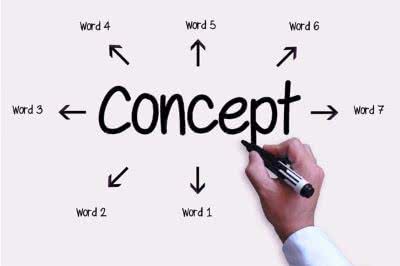
There are many possibilities for your future career.
Ci sono molte possibilità per la tua futura carriera.

concept

/ˈkɑːn.sept/

(noun) concetto, idea, concept

Esempio:

The concept of time travel is fascinating.
Il concetto di viaggio nel tempo è affascinante.

prediction

/prɪˈdɪk.ʃən/

(noun) previsione, predizione

Esempio:

His prediction about the election results was surprisingly accurate.
La sua previsione sui risultati delle elezioni era sorprendentemente accurata.

truth

/truːθ/

(noun) verità, principio

Esempio:

He always speaks the truth.
Dice sempre la verità.

need

/niːd/

(verb) aver bisogno di, necessitare;

(noun) bisogno, necessità

Esempio:
I need to go to the bank.
Ho bisogno di andare in banca.

permission

/pɚˈmɪʃ.ən/

(noun) permesso, autorizzazione

Esempio:

You need permission to enter this area.
Hai bisogno del permesso per entrare in quest'area.

help

/help/

(verb) aiutare, assistere, migliorare;

(noun) aiuto, assistenza;

(exclamation) aiuto, soccorso

Esempio:

Can you help me with my homework?
Puoi aiutarmi con i miei compiti?

make sure

/meɪk ʃʊr/

(verb) assicurarsi, accertarsi

Esempio:
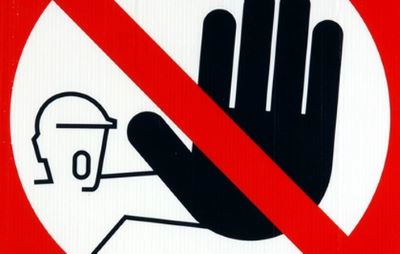
Please make sure all the windows are closed before you leave.
Per favore, assicurati che tutte le finestre siano chiuse prima di partire.

no way

/ˌnoʊ ˈweɪ/

(exclamation) assolutamente no, impossibile, non ci credo

Esempio:

Are you going to finish all that food? No way!
Finirai tutto quel cibo? Assolutamente no!

evidence

/ˈev.ə.dəns/

(noun) prova, evidenza;

(verb) evidenziare, dimostrare, indicare

Esempio:

There is no scientific evidence to support his claim.
Non ci sono prove scientifiche a sostegno della sua affermazione.

gap

/ɡæp/

(noun) fessura, buco, divario;

(verb) aprire un varco, spaziare

Esempio:

There's a small gap in the fence.
C'è una piccola fessura nella recinzione.

in favor

/ɪn ˈfeɪ.vər/

(phrase) a favore di, pro, a vantaggio di

Esempio:

Are you in favor of the new policy?
Sei a favore della nuova politica?

sorry

/ˈsɔːr.i/

(adjective) spiacente, dispiaciuto, triste;

(exclamation) scusa, mi dispiace

Esempio:
I'm sorry for the mistake I made.
Sono spiacente per l'errore che ho commesso.

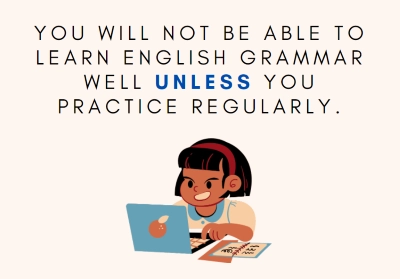
unless

/ənˈles/

(conjunction) a meno che, salvo che

Esempio:
You won't pass the exam unless you study harder.
Non supererai l'esame a meno che tu non studi di più.

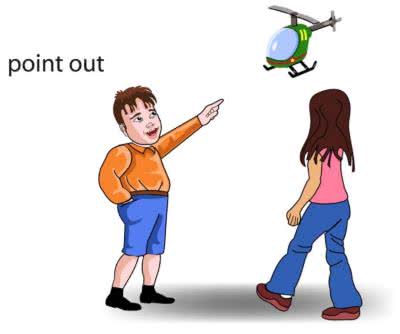
point out

/pɔɪnt aʊt/

(phrasal verb) indicare, mostrare, far notare

Esempio:

She pointed out the star in the night sky.
Ha indicato la stella nel cielo notturno.

yeah

/jeə/

(interjection)

Esempio:

Yeah, I'll be there.
, ci sarò.

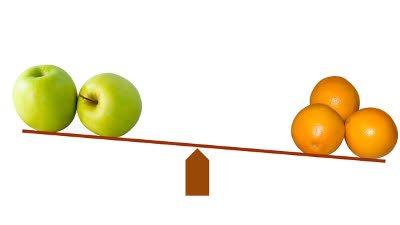
comparison

/kəmˈper.ɪ.sən/

(noun) confronto, paragone, equivalenza

Esempio:

A comparison of the two reports showed significant differences.
Un confronto dei due rapporti ha mostrato differenze significative.

concern

/kənˈsɝːn/

(noun) preoccupazione, interesse, azienda;

(verb) riguardare, concernere, preoccupare

Esempio:

The safety of the children is my main concern.
La sicurezza dei bambini è la mia principale preoccupazione.

growth

/ɡroʊθ/

(noun) crescita, aumento, sviluppo

Esempio:

The company experienced rapid growth in the last quarter.
L'azienda ha registrato una rapida crescita nell'ultimo trimestre.

dream

/driːm/

(noun) sogno, aspirazione, ideale;

(verb) sognare, aspirare

Esempio:

I had a strange dream last night.
Ho fatto uno strano sogno la scorsa notte.

offer

/ˈɑː.fɚ/

(verb) offrire, proporre, offrirsi;

(noun) offerta, proposta, sconto

Esempio:

He offered her a cup of tea.
Le offrì una tazza di tè.

sort of

/sɔːrt əv/

(phrase) in un certo senso, più o meno

Esempio:
I was sort of hoping you'd say yes.
Speravo in un certo senso che dicessi di sì.

difference

/ˈdɪf.ɚ.əns/

(noun) differenza, impatto

Esempio:

There's a big difference between knowing and doing.
C'è una grande differenza tra sapere e fare.

series

/ˈsɪr.iːz/

(noun) serie, sequenza, telefilm

Esempio:

The company launched a new series of products.
L'azienda ha lanciato una nuova serie di prodotti.

possession

/pəˈzeʃ.ən/

(noun) possesso, proprietà, bene

Esempio:

The family lost all their possessions in the fire.
La famiglia ha perso tutti i suoi beni nell'incendio.

defense

/dɪˈfens/

(noun) difesa, protezione, arringa

Esempio:

The city's defense against the invaders was strong.
La difesa della città contro gli invasori era forte.

middle

/ˈmɪd.əl/

(noun) centro, metà, cuore;

(adverb) al centro;

(adjective) medio, centrale

Esempio:

He stood in the middle of the room.
Stava al centro della stanza.

boundary

/ˈbaʊn.dər.i/

(noun) confine, limite

Esempio:

The river forms the natural boundary between the two countries.
Il fiume forma il confine naturale tra i due paesi.
Impara questo insieme di vocabolario su Lingoland