Avatar of Vocabulary Set A2 - Lettera S

Insieme di vocabolario A2 - Lettera S in Oxford 3000 - A2: Lista completa e dettagliata

L'insieme di vocabolario 'A2 - Lettera S' in 'Oxford 3000 - A2' è selezionato con cura da fonti di testi standard internazionali, aiutandoti a padroneggiare il vocabolario in breve tempo. Compilazione completa di definizioni, esempi illustrativi e pronuncia standard...

Impara questo insieme di vocabolario su Lingoland

Impara ora

sadly

/ˈsæd.li/

(adverb) tristemente, con tristezza, purtroppo

Esempio:
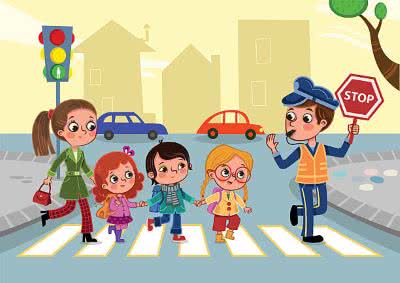
She shook her head sadly.
Scosse la testa tristemente.

safe

/seɪf/

(adjective) sicuro, protetto, innocuo;

(noun) cassaforte

Esempio:

Keep your valuables in a safe place.
Tieni i tuoi oggetti di valore in un posto sicuro.

sail

/seɪl/

(noun) vela;

(verb) navigare, veleggiare, scivolare

Esempio:

The ship hoisted its sails and departed.
La nave issò le sue vele e partì.

sailing

/ˈseɪ.lɪŋ/

(noun) vela, navigazione a vela;

(verb) veleggiando, navigando

Esempio:

We went sailing on the lake last weekend.
Siamo andati a veleggiare sul lago lo scorso fine settimana.

salary

/ˈsæl.ɚ.i/

(noun) stipendio, salario

Esempio:

His annual salary is $60,000.
Il suo stipendio annuale è di $60.000.

sale

/seɪl/

(noun) vendita, commercio, saldo

Esempio:
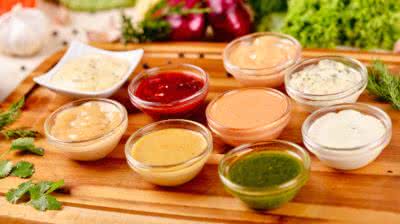
The sale of the house was completed last week.
La vendita della casa è stata completata la scorsa settimana.

sauce

/sɑːs/

(noun) salsa, sfacciataggine, insolenza;

(verb) condire, salsare, sfacciarsi

Esempio:

This pasta needs more sauce.
Questa pasta ha bisogno di più salsa.

save

/seɪv/

(verb) salvare, proteggere, risparmiare;

(noun) salvataggio, parata, risparmi

Esempio:

The lifeguard saved the drowning child.
Il bagnino ha salvato il bambino che annegava.

scared

/skerd/

(adjective) spaventato, impaurito

Esempio:

She was scared of the dark.
Era spaventata dal buio.

scary

/ˈsker.i/

(adjective) spaventoso, terrificante

Esempio:

The movie was really scary.
Il film era davvero spaventoso.

scene

/siːn/

(noun) scena, luogo, scandalo

Esempio:

The police arrived at the scene of the crime.
La polizia è arrivata sulla scena del crimine.

schedule

/ˈskedʒ.uːl/

(noun) programma, orario, calendario;

(verb) programmare, fissare

Esempio:
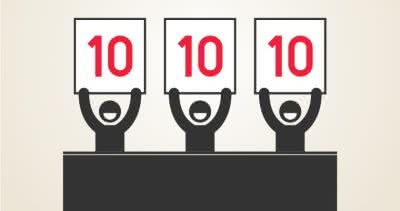
I need to check my schedule for next week.
Devo controllare il mio programma per la prossima settimana.

score

/skɔːr/

(noun) punteggio, risultato, ventina;

(verb) segnare, fare punti, incidere

Esempio:

What's the final score of the game?
Qual è il punteggio finale della partita?

screen

/skriːn/

(noun) schermo, paravento, zanzariera;

(verb) proiettare, trasmettere, selezionare

Esempio:

The movie was projected onto a large screen.
Il film è stato proiettato su un grande schermo.

search

/sɝːtʃ/

(verb) cercare, perquisire;

(noun) ricerca, perquisizione

Esempio:
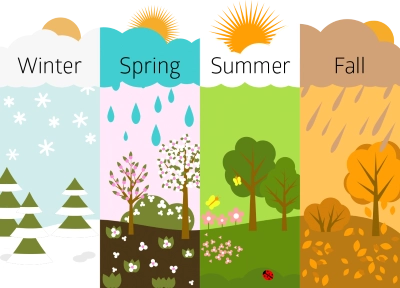
I need to search for my lost keys.
Devo cercare le mie chiavi perse.

season

/ˈsiː.zən/

(noun) stagione;

(verb) condire, insaporire

Esempio:
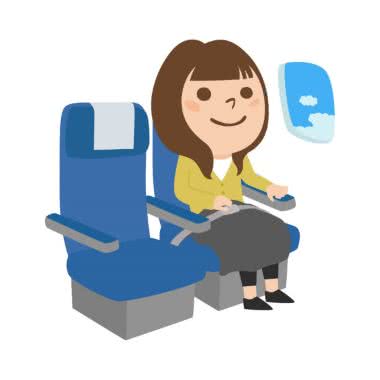
Autumn is my favorite season.
L'autunno è la mia stagione preferita.

seat

/siːt/

(noun) posto, sedile, seggio;

(verb) far sedere, accomodare

Esempio:
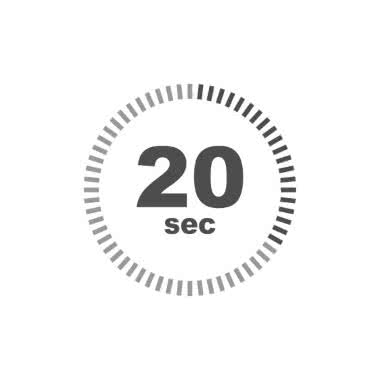
Please take a seat.
Prego, si sieda.

second

/ˈsek.ənd/

(noun) secondo, seconda posizione;

(ordinal number) secondo;

(verb) appoggiare, secondare

Esempio:

The race was won by a mere second.
La gara è stata vinta per un solo secondo.

secondly

/ˈsek.ənd.li/

(adverb) in secondo luogo, secondariamente

Esempio:

Firstly, I want to thank you all for coming, and secondly, I'd like to introduce our guest speaker.
In primo luogo, voglio ringraziarvi tutti per essere venuti, e in secondo luogo, vorrei presentare il nostro relatore ospite.

secret

/ˈsiː.krət/

(noun) segreto, trucco;

(adjective) segreto, nascosto

Esempio:

Can you keep a secret?
Puoi mantenere un segreto?

secretary

/ˈsek.rə.ter.i/

(noun) segretario, segretaria, ministro

Esempio:
My secretary handles all my appointments and correspondence.
La mia segretaria gestisce tutti i miei appuntamenti e la corrispondenza.

seem

/siːm/

(verb) sembrare, apparire, credere

Esempio:
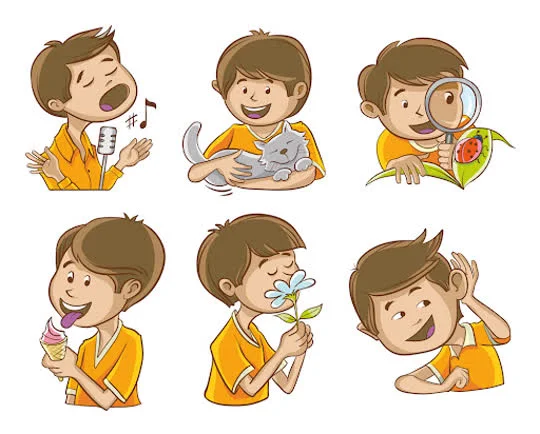
She seems happy today.
Lei sembra felice oggi.

sense

/sens/

(noun) senso, sensazione, percezione;

(verb) percepire, sentire

Esempio:

Our five senses help us understand the world.
I nostri cinque sensi ci aiutano a capire il mondo.

separate

/ˈsep.ɚ.ət/

(verb) separare, distinguere, separarsi;

(adjective) separato, distinto

Esempio:

The fence separates the two properties.
La recinzione separa le due proprietà.

series

/ˈsɪr.iːz/

(noun) serie, sequenza, telefilm

Esempio:

The company launched a new series of products.
L'azienda ha lanciato una nuova serie di prodotti.

serious

/ˈsɪr.i.əs/

(adjective) serio, grave, sincero

Esempio:

This is a serious matter that requires our full attention.
Questa è una questione seria che richiede la nostra piena attenzione.

serve

/sɝːv/

(verb) servire, essere utile;

(noun) servizio, assistenza

Esempio:

He has served the company for 20 years.
Ha servito l'azienda per 20 anni.

service

/ˈsɝː.vɪs/

(noun) servizio, aiuto, fornitura;

(verb) servire, lavorare per, offrire

Esempio:
The hotel provides excellent room service.
L'hotel offre un eccellente servizio in camera.

several

/ˈsev.ɚ.əl/

(determiner) diversi, parecchi;

(pronoun) diversi, parecchi

Esempio:

I have several books on this topic.
Ho diversi libri su questo argomento.

shake

/ʃeɪk/

(verb) scuotere, agitare, sconvolgere;

(noun) scossa, tremore

Esempio:

He began to shake the bottle to mix the contents.
Iniziò a scuotere la bottiglia per mescolare il contenuto.

shall

/ʃæl/

(modal verb) dovere, volere, dovrei

Esempio:

We shall overcome.
Noi supereremo.

shape

/ʃeɪp/

(noun) forma, sagoma, struttura;

(verb) plasmare, modellare

Esempio:

The artist molded the clay into a beautiful shape.
L'artista ha modellato l'argilla in una bella forma.

sheet

/ʃiːt/

(noun) lenzuolo, foglio, lastra;

(verb) coprire, rivestire

Esempio:

I need to change the bed sheets today.
Devo cambiare le lenzuola oggi.

ship

/ʃɪp/

(noun) nave;

(verb) spedire, trasportare

Esempio:

The cargo ship sailed across the ocean.
La nave da carico ha navigato attraverso l'oceano.

shoulder

/ˈʃoʊl.dɚ/

(noun) spalla, banchina, spalla stradale;

(verb) caricare in spalla, assumersi

Esempio:
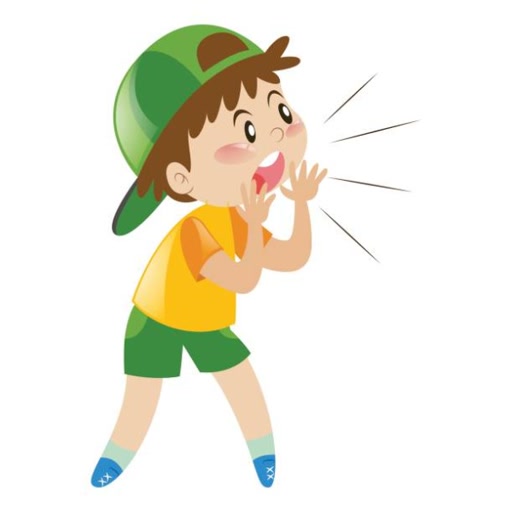
He carried the bag on his shoulder.
Portava la borsa sulla spalla.

shout

/ʃaʊt/

(verb) gridare, urlare;

(noun) grido, urlo

Esempio:
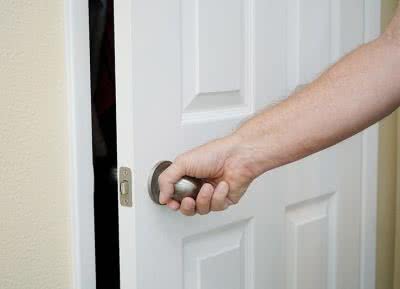
She had to shout to be heard over the music.
Ha dovuto gridare per farsi sentire sopra la musica.

shut

/ʃʌt/

(verb) chiudere, sospendere l'attività;

(adjective) chiuso

Esempio:
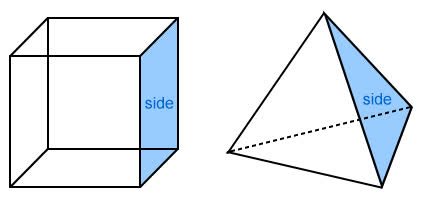
Please shut the door quietly.
Per favore, chiudi la porta piano.

side

/saɪd/

(noun) lato, fianco, aspetto;

(adjective) laterale;

(verb) schierarsi, rivestire

Esempio:

He stood by her side.
Stava al suo fianco.

sign

/saɪn/

(noun) cartello, segno, insegna;

(verb) firmare, sottoscrivere, fare segno

Esempio:

The sign said 'Stop'.
Il cartello diceva 'Stop'.

silver

/ˈsɪl.vɚ/

(noun) argento, monete d'argento;

(adjective) argento;

(verb) argentare, ricoprire d'argento

Esempio:
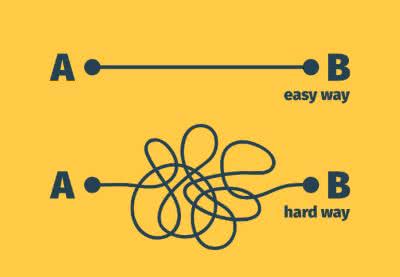
The ring is made of pure silver.
L'anello è fatto di argento puro.

simple

/ˈsɪm.pəl/

(adjective) semplice, facile, sobrio;

(noun) semplice, umile

Esempio:

The instructions were very simple.
Le istruzioni erano molto semplici.

since

/sɪns/

(preposition) da;

(conjunction) da quando, dato che, poiché;

(adverb) da allora

Esempio:

I haven't seen her since last year.
Non la vedo da l'anno scorso.

singing

/ˈsɪŋ.ɪŋ/

(noun) canto;

(verb) cantando

Esempio:
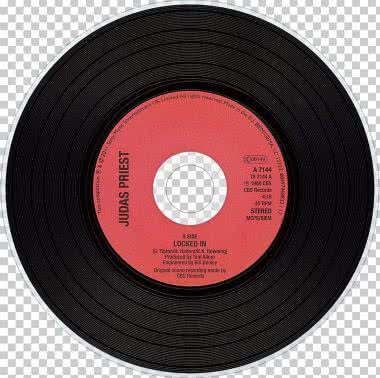
Her singing filled the room with joy.
Il suo canto riempì la stanza di gioia.

single

/ˈsɪŋ.ɡəl/

(adjective) singolo, unico, single;

(noun) singolo;

(verb) battere un singolo

Esempio:
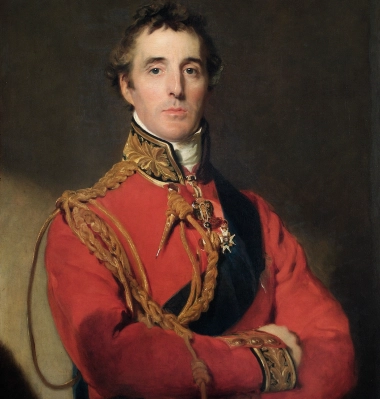
Every single person in the room agreed.
Ogni singola persona nella stanza era d'accordo.

sir

/sɝː/

(noun) signore, Sir

Esempio:

Excuse me, sir, could you tell me the way to the station?
Mi scusi, signore, potrebbe dirmi la strada per la stazione?

site

/saɪt/

(noun) sito, luogo, area;

(verb) collocare, situare, posizionare

Esempio:
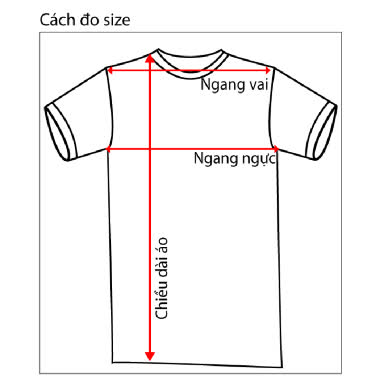
The construction of the new school is on a large site.
La costruzione della nuova scuola si trova su un grande sito.

size

/saɪz/

(noun) dimensione, taglia;

(verb) ridimensionare, adattare

Esempio:

What size shoes do you wear?
Che taglia di scarpe porti?

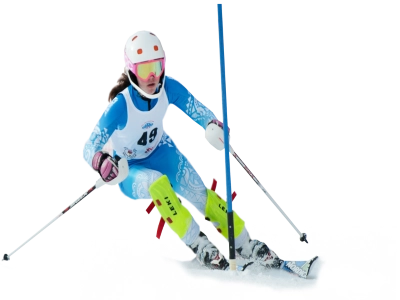
ski

/skiː/

(noun) sci;

(verb) sciare

Esempio:

He put on his skis and headed down the slope.
Si mise gli sci e si diresse giù per la pista.

skiing

/ˈskiː.ɪŋ/

(noun) sci

Esempio:

We went skiing in the Alps last winter.
Siamo andati a sciare sulle Alpi lo scorso inverno.

skin

/skɪn/

(noun) pelle, buccia;

(verb) scuoiare, spellare

Esempio:

She has very sensitive skin.
Ha la pelle molto sensibile.

sky

/skaɪ/

(noun) cielo

Esempio:

The birds flew high in the sky.
Gli uccelli volavano alti nel cielo.

sleep

/sliːp/

(noun) sonno;

(verb) dormire

Esempio:
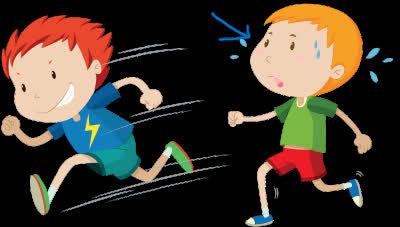
I need to get more sleep.
Ho bisogno di più sonno.

slowly

/ˈsloʊ.li/

(adverb) lentamente, piano

Esempio:

He walked slowly towards the door.
Camminò lentamente verso la porta.

smartphone

/ˈsmɑːrt.foʊn/

(noun) smartphone, telefonino intelligente

Esempio:

She uses her smartphone for everything, from checking emails to navigating.
Usa il suo smartphone per tutto, dal controllo delle email alla navigazione.

smell

/smel/

(noun) olfatto, senso dell'olfatto, odore;

(verb) annusare, sentire l'odore, odorare

Esempio:

Dogs have a very keen sense of smell.
I cani hanno un senso dell'olfatto molto acuto.

smile

/smaɪl/

(noun) sorriso;

(verb) sorridere

Esempio:

She gave a warm smile.
Ha fatto un sorriso caloroso.

smoke

/smoʊk/

(noun) fumo;

(verb) fumare, emettere fumo

Esempio:
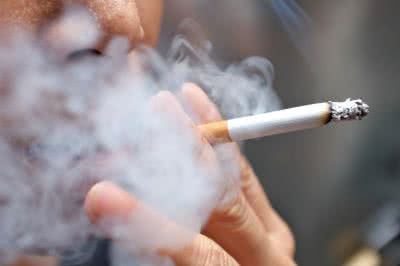
Thick smoke billowed from the chimney.
Un denso fumo si sprigionava dal camino.

smoking

/ˈsmoʊ.kɪŋ/

(noun) fumo;

(adjective) fumante, che fuma;

(verb) fumando

Esempio:

Smoking is prohibited in this building.
Il fumo è proibito in questo edificio.

soap

/soʊp/

(noun) sapone, soap opera, melodramma;

(verb) insaponare, lavare con sapone

Esempio:

She washed her hands with soap and water.
Si lavò le mani con sapone e acqua.

soccer

/ˈsɑː.kɚ/

(noun) calcio

Esempio:

My favorite sport to watch is soccer.
Il mio sport preferito da guardare è il calcio.

social

/ˈsoʊ.ʃəl/

(adjective) sociale, socievole;

(noun) evento sociale, incontro

Esempio:

Humans are social beings.
Gli esseri umani sono esseri sociali.

society

/səˈsaɪ.ə.t̬i/

(noun) società, associazione, alta società

Esempio:
Modern society faces many challenges.
La società moderna affronta molte sfide.

sock

/sɑːk/

(noun) calzino;

(verb) colpire, dare un pugno

Esempio:
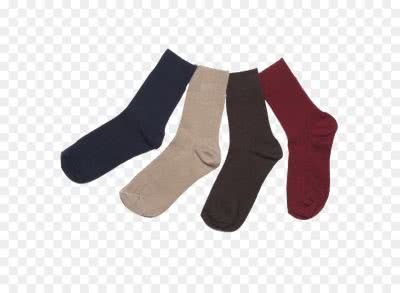
He pulled on a pair of warm wool socks.
Si è infilato un paio di calzini di lana calda.

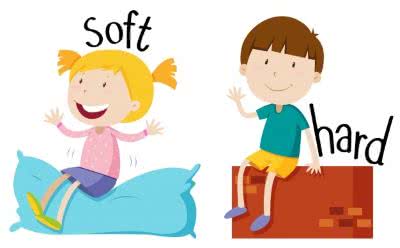
soft

/sɑːft/

(adjective) morbido, dolce, basso;

(adverb) dolcemente, piano

Esempio:

The pillow was wonderfully soft and comfortable.
Il cuscino era meravigliosamente morbido e confortevole.

soldier

/ˈsoʊl.dʒɚ/

(noun) soldato;

(verb) andare avanti, resistere

Esempio:
The brave soldier fought valiantly in the battle.
Il coraggioso soldato combatté valorosamente in battaglia.

solution

/səˈluː.ʃən/

(noun) soluzione

Esempio:

We need to find a practical solution to this issue.
Dobbiamo trovare una soluzione pratica a questo problema.

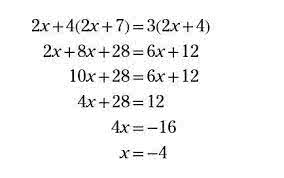
solve

/sɑːlv/

(verb) risolvere

Esempio:

We need to solve this problem quickly.
Dobbiamo risolvere questo problema rapidamente.

somewhere

/ˈsʌm.wer/

(adverb) da qualche parte, circa, intorno a

Esempio:
I left my keys somewhere in the house.
Ho lasciato le mie chiavi da qualche parte in casa.

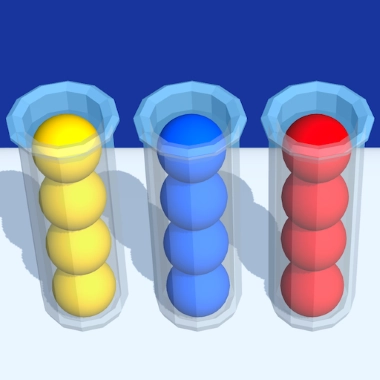
sort

/sɔːrt/

(noun) tipo, sorta;

(verb) ordinare, classificare, risolvere

Esempio:
What sort of music do you like?
Che tipo di musica ti piace?

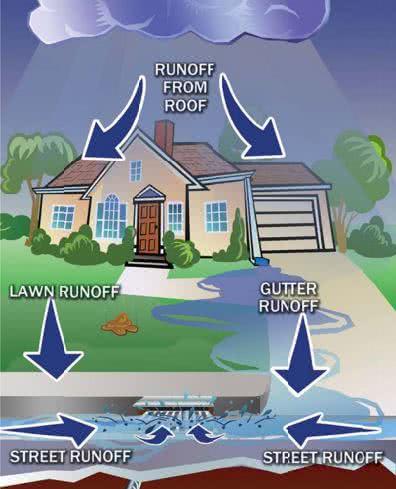
source

/sɔːrs/

(noun) fonte, sorgente;

(verb) procurarsi, rifornirsi

Esempio:

The river's source is in the mountains.
La sorgente del fiume è in montagna.

speaker

/ˈspiː.kɚ/

(noun) oratore, parlante, altoparlante

Esempio:

The main speaker at the conference was a renowned scientist.
Il relatore principale della conferenza era uno scienziato di fama.

specific

/spəˈsɪf.ɪk/

(adjective) specifico, particolare, specifico per

Esempio:

Please provide specific examples.
Si prega di fornire esempi specifici.

speech

/spiːtʃ/

(noun) parola, linguaggio, discorso

Esempio:

He lost his speech after the accident.
Ha perso la parola dopo l'incidente.

speed

/spiːd/

(noun) velocità, marcia;

(verb) sfrecciare, accelerare

Esempio:
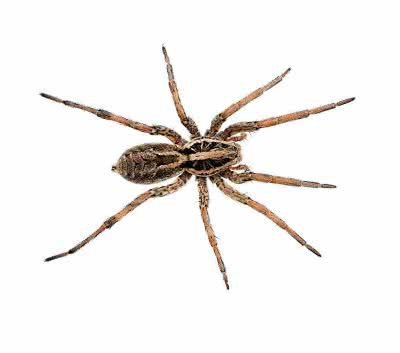
The car reached a high speed on the highway.
L'auto ha raggiunto un'alta velocità sull'autostrada.

spider

/ˈspaɪ.dɚ/

(noun) ragno, chiave a ragno

Esempio:

A large spider crawled across the ceiling.
Un grande ragno strisciò sul soffitto.

spoon

/spuːn/

(noun) cucchiaio;

(verb) versare con un cucchiaio, servire con un cucchiaio, abbracciarsi

Esempio:

Please pass me a spoon for my soup.
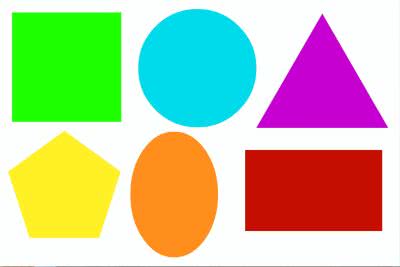
Per favore, passami un cucchiaio per la mia zuppa.

square

/skwer/

(noun) quadrato, piazza;

(adjective) quadrato, onesto, equo;

(verb) elevare al quadrato, squadrare, raddrizzare;

(adverb) dritto, in pieno

Esempio:

Draw a perfect square on the paper.
Disegna un quadrato perfetto sulla carta.

stage

/steɪdʒ/

(noun) palco, scena, fase;

(verb) mettere in scena, organizzare

Esempio:
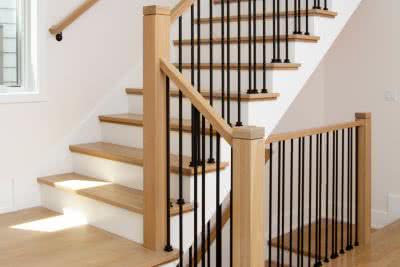
The band took the stage to a cheering crowd.
La band è salita sul palco davanti a una folla esultante.

stair

/ster/

(noun) scala, gradino

Esempio:

She slowly climbed the stairs to her apartment.
Salì lentamente le scale verso il suo appartamento.

stamp

/stæmp/

(noun) francobollo, timbro, battito;

(verb) battere, calpestare, timbrare

Esempio:

I need to buy a stamp for this letter.
Devo comprare un francobollo per questa lettera.

star

/stɑːr/

(noun) stella, star, celebrità;

(verb) essere la star, recitare da protagonista;

(adjective) stellare, eccellente

Esempio:

The night sky was filled with twinkling stars.
Il cielo notturno era pieno di stelle scintillanti.

start

/stɑːrt/

(noun) inizio, partenza, avvio;

(verb) iniziare, avviare, fondare

Esempio:
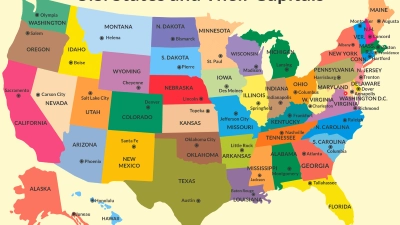
The race will start at 10 AM.
La gara inizierà alle 10 del mattino.

state

/steɪt/

(noun) stato, condizione;

(verb) dichiarare, affermare

Esempio:

The United States is a large country.
Gli Stati Uniti sono un grande paese.

stay

/steɪ/

(verb) restare, rimanere, continuare;

(noun) soggiorno, permanenza

Esempio:

Please stay here until I return.
Per favore, resta qui finché non torno.

steal

/stiːl/

(verb) rubare, sottrarre, sgattaiolare;

(noun) furto, rapina

Esempio:

He tried to steal a car.
Ha cercato di rubare un'auto.

step

/step/

(noun) passo, gradino, scalino;

(verb) passare, camminare

Esempio:
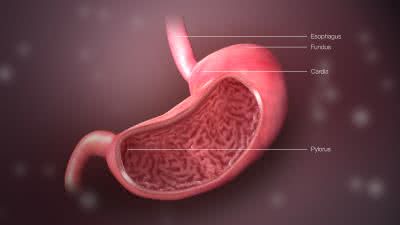
He took a step forward.
Fece un passo in avanti.

stomach

/ˈstʌm.ək/

(noun) stomaco, pancia, addome;

(verb) sopportare, tollerare

Esempio:
My stomach hurts after eating too much.
Mi fa male lo stomaco dopo aver mangiato troppo.

stone

/stoʊn/

(noun) sasso, pietra, nocciolo;

(verb) snocciolare

Esempio:

He threw a stone into the lake.
Ha lanciato un sasso nel lago.

store

/stɔːr/

(noun) negozio, bottega, scorta;

(verb) conservare, immagazzinare

Esempio:

I need to go to the grocery store to buy some milk.
Devo andare al negozio di alimentari per comprare del latte.

storm

/stɔːrm/

(noun) tempesta, bufera, scoppio;

(verb) assaltare, precipitarsi, attaccare

Esempio:

A severe storm hit the coast, causing widespread damage.
Una forte tempesta ha colpito la costa, causando danni diffusi.

straight

/streɪt/

(adjective) dritto, liscio, sincero;

(adverb) dritto, direttamente, correttamente;

(noun) rettilineo, tratto dritto

Esempio:
Draw a straight line across the page.
Disegna una linea retta sulla pagina.

strange

/streɪndʒ/

(adjective) strano, insolito, sconosciuto

Esempio:

It's strange that he hasn't called yet.
È strano che non abbia ancora chiamato.

strategy

/ˈstræt̬.ə.dʒi/

(noun) strategia, piano, strategia militare

Esempio:
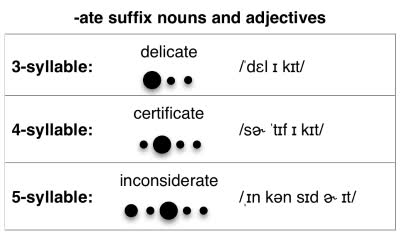
The company developed a new marketing strategy.
L'azienda ha sviluppato una nuova strategia di marketing.

stress

/stres/

(noun) stress, tensione, accento;

(verb) sottolineare, enfatizzare, stressare

Esempio:

She's been under a lot of stress lately.
È stata sotto molto stress ultimamente.

structure

/ˈstrʌk.tʃɚ/

(noun) struttura, organizzazione, edificio;

(verb) strutturare, organizzare

Esempio:
The structure of the human body is incredibly complex.
La struttura del corpo umano è incredibilmente complessa.

stupid

/ˈstuː.pɪd/

(adjective) stupido, sciocco;

(noun) stupido, sciocco

Esempio:

That was a really stupid mistake.
Quello è stato un errore davvero stupido.

succeed

/səkˈsiːd/

(verb) avere successo, riuscire, succedere

Esempio:

She worked hard to succeed in her career.
Ha lavorato sodo per avere successo nella sua carriera.

successful

/səkˈses.fəl/

(adjective) di successo, riuscito

Esempio:
She became a successful entrepreneur.
È diventata un'imprenditrice di successo.

such

/sʌtʃ/

(determiner) tale, così, come;

(pronoun) tale, così;

(adverb) così, tanto

Esempio:

I've never seen such a mess!
Non ho mai visto un tale disordine!

suddenly

/ˈsʌd.ən.li/

(adverb) improvvisamente, all'improvviso

Esempio:

The lights went out suddenly.
Le luci si spensero improvvisamente.

suggest

/səˈdʒest/

(verb) suggerire, proporre, indicare

Esempio:

I suggest we take a break.
Suggerisco di fare una pausa.

suggestion

/səˈdʒes.tʃən/

(noun) suggerimento, proposta, suggestione

Esempio:

Do you have any suggestions for dinner tonight?
Hai qualche suggerimento per la cena di stasera?

suit

/suːt/

(noun) completo, tailleur, causa;

(verb) andare bene, convenire, stare bene

Esempio:
He wore a dark blue suit to the interview.
Indossava un completo blu scuro per il colloquio.

support

/səˈpɔːrt/

(verb) sostenere, appoggiare, mantenere;

(noun) sostegno, supporto, appoggio

Esempio:

She works hard to support her family.
Lavora sodo per sostenere la sua famiglia.

suppose

/səˈpoʊz/

(verb) supporre, presumere, dovere

Esempio:
I suppose you're right.
Suppongo tu abbia ragione.

sure

/ʃʊr/

(adjective) sicuro, certo, convinto;

(adverb) sicuramente, davvero;

(exclamation) certo, sì

Esempio:

It's sure to rain later.
È sicuro che pioverà più tardi.

surprise

/sɚˈpraɪz/

(noun) sorpresa, stupore;

(verb) sorprendere, stupire

Esempio:

Her sudden arrival was a complete surprise.
Il suo arrivo improvviso è stata una completa sorpresa.

surprised

/sɚˈpraɪzd/

(adjective) sorpreso, stupito

Esempio:

She was genuinely surprised by the news.
Era sinceramente sorpresa dalla notizia.

surprising

/sɚˈpraɪ.zɪŋ/

(adjective) sorprendente, inaspettato

Esempio:

The ending of the movie was quite surprising.
Il finale del film è stato piuttosto sorprendente.

survey

/ˈsɝː.veɪ/

(noun) indagine, sondaggio, ricerca;

(verb) esaminare, ispezionare, valutare

Esempio:
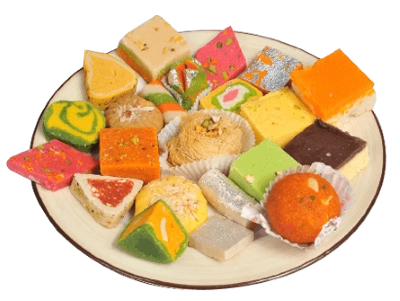
The architect conducted a survey of the building's structural integrity.
L'architetto ha condotto un'indagine sull'integrità strutturale dell'edificio.

sweet

/swiːt/

(adjective) dolce, piacevole, carino;

(noun) dolce, caramella

Esempio:
The cake was perfectly sweet.
La torta era perfettamente dolce.

symbol

/ˈsɪm.bəl/

(noun) simbolo, emblema, segno

Esempio:

The dove is a symbol of peace.
La colomba è un simbolo di pace.

system

/ˈsɪs.təm/

(noun) sistema, metodo, complesso

Esempio:

The new filing system improved efficiency.
Il nuovo sistema di archiviazione ha migliorato l'efficienza.
Impara questo insieme di vocabolario su Lingoland