
Avatar of Vocabulary Set Top 451 - 475 Verbs

Conjunto de vocabulario Top 451 - 475 Verbs en Los 500 Verbos Más Comunes en Inglés: Lista completa y detallada

El conjunto de vocabulario 'Top 451 - 475 Verbs' en 'Los 500 Verbos Más Comunes en Inglés' está seleccionado cuidadosamente de fuentes de libros de texto estándar internacionales, ayudándote a dominar el vocabulario en poco tiempo. Incluye definiciones completas, ejemplos ilustrativos y pronunciación estándar...

Aprende este conjunto de vocabulario en Lingoland

Aprender ahora

participate

/pɑːrˈtɪs.ə.peɪt/

(verb) participar, tomar parte

Ejemplo:

Everyone is encouraged to participate in the discussion.
Se anima a todos a participar en la discusión.

date

/deɪt/

(noun) fecha, cita, encuentro;

(verb) datar, salir con, tener una cita

Ejemplo:

What's the date today?
¿Cuál es la fecha de hoy?

stretch

/stretʃ/

(verb) estirar, extender, alargar;

(noun) estiramiento, extensión, tramo

Ejemplo:

She woke up and began to stretch her arms above her head.
Se despertó y comenzó a estirar los brazos por encima de la cabeza.

estimate

/ˈes.tə.meɪt/

(noun) estimación, cálculo;

(verb) estimar, calcular

Ejemplo:
Can you give me an estimate of the cost?
¿Puedes darme una estimación del costo?

transfer

/ˈtræns.fɝː/

(verb) transferir, trasladar, pasar;

(noun) transferencia, traslado, traspaso

Ejemplo:
Please transfer the files to the new folder.
Por favor, transfiera los archivos a la nueva carpeta.

benefit

/ˈben.ə.fɪt/

(noun) beneficio, ventaja, provecho;

(verb) beneficiar, aprovechar, sacar provecho

Ejemplo:

The new policy will bring many benefits to the community.
La nueva política traerá muchos beneficios a la comunidad.

defeat

/dɪˈfiːt/

(verb) derrotar, vencer, frustrar;

(noun) derrota, victoria

Ejemplo:

The army managed to defeat the enemy forces.
El ejército logró derrotar a las fuerzas enemigas.

doubt

/daʊt/

(noun) duda, incertidumbre;

(verb) dudar, cuestionar

Ejemplo:

I have no doubt that she will succeed.
No tengo ninguna duda de que ella tendrá éxito.

type

/taɪp/

(noun) tipo, clase, carácter;

(verb) escribir a máquina, teclear

Ejemplo:

What type of music do you like?
¿Qué tipo de música te gusta?

pretend

/prɪˈtend/

(verb) fingir, simular, pretender

Ejemplo:
He likes to pretend he's a superhero.
Le gusta fingir que es un superhéroe.

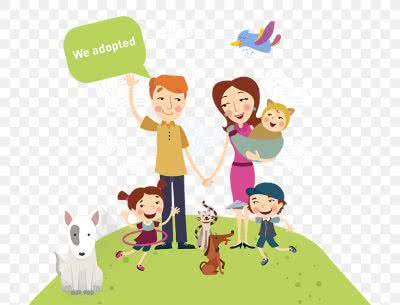
adopt

/əˈdɑːpt/

(verb) adoptar, asumir

Ejemplo:

They decided to adopt a child from the orphanage.
Decidieron adoptar un niño del orfanato.

clear

/klɪr/

(adjective) claro, nítido, transparente;

(verb) despejar, limpiar, despejarse;

(adverb) completamente, totalmente

Ejemplo:

The instructions were very clear.
Las instrucciones eran muy claras.

dress

/dres/

(noun) vestido;

(verb) vestir, vestirse, aderezar

Ejemplo:

She wore a beautiful blue dress to the party.
Ella usó un hermoso vestido azul para la fiesta.

dry

/draɪ/

(adjective) seco, seca, árido;

(verb) secar

Ejemplo:

The clothes are still dry.
La ropa todavía está seca.

pursue

/pɚˈsuː/

(verb) perseguir, cazar, seguir

Ejemplo:

The police car pursued the suspect down the highway.
El coche de policía persiguió al sospechoso por la autopista.

activate

/ˈæk.tə.veɪt/

(verb) activar, poner en marcha, estimular

Ejemplo:

You need to activate your new phone before you can use it.
Necesitas activar tu nuevo teléfono antes de poder usarlo.

investigate

/ɪnˈves.tə.ɡeɪt/

(verb) investigar, indagar

Ejemplo:

The police are investigating the cause of the fire.
La policía está investigando la causa del incendio.

freeze

/friːz/

(verb) congelar, helar, quedarse inmóvil;

(noun) helada, congelación, suspensión

Ejemplo:

The water pipes might freeze if the temperature drops too low.
Las tuberías de agua podrían congelarse si la temperatura baja demasiado.

elect

/ɪˈlekt/

(verb) elegir, votar, decidir;

(adjective) electo, elegido;

(noun) los elegidos, los electos

Ejemplo:

The citizens will elect a new president next month.
Los ciudadanos elegirán un nuevo presidente el próximo mes.

crush

/krʌʃ/

(verb) aplastar, machacar, derrotar;

(noun) flechazo, enamoramiento, aglomeración

Ejemplo:

He accidentally crushed the delicate flower.
Accidentalmente aplastó la delicada flor.

respect

/rɪˈspekt/

(noun) respeto, consideración;

(verb) respetar, admirar

Ejemplo:

She has great respect for her mentor.
Ella tiene un gran respeto por su mentor.

smoke

/smoʊk/

(noun) humo, fumar;

(verb) echar humo, humear, fumar

Ejemplo:

Thick smoke billowed from the chimney.
Un denso humo salía de la chimenea.

detect

/dɪˈtekt/

(verb) detectar, descubrir, identificar

Ejemplo:
The system can detect even the smallest changes.
El sistema puede detectar incluso los cambios más pequeños.

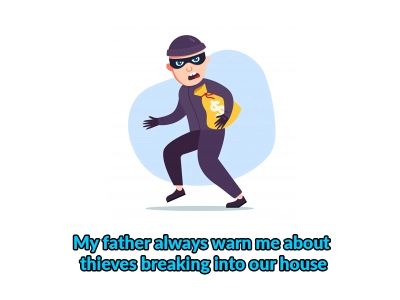
warn

/wɔːrn/

(verb) advertir, avisar, aconsejar

Ejemplo:

We tried to warn them about the approaching storm.
Intentamos advertirles sobre la tormenta que se acercaba.

question

/ˈkwes.tʃən/

(noun) pregunta, cuestión, problema;

(verb) interrogar, cuestionar, dudar de

Ejemplo:

She asked a difficult question.
Ella hizo una pregunta difícil.
Aprende este conjunto de vocabulario en Lingoland