
Avatar of Vocabulary Set Top 451 - 475 Verbs

Insieme di vocabolario Top 451 - 475 Verbs in I 500 Verbi Inglesi più Comuni: Lista completa e dettagliata

L'insieme di vocabolario 'Top 451 - 475 Verbs' in 'I 500 Verbi Inglesi più Comuni' è selezionato con cura da fonti di testi standard internazionali, aiutandoti a padroneggiare il vocabolario in breve tempo. Compilazione completa di definizioni, esempi illustrativi e pronuncia standard...

Impara questo insieme di vocabolario su Lingoland

Impara ora

participate

/pɑːrˈtɪs.ə.peɪt/

(verb) partecipare, prendere parte

Esempio:

Everyone is encouraged to participate in the discussion.
Tutti sono incoraggiati a partecipare alla discussione.

date

/deɪt/

(noun) data, appuntamento, incontro;

(verb) datare, frequentare, uscire con

Esempio:

What's the date today?
Qual è la data di oggi?

stretch

/stretʃ/

(verb) stirare, allungare, tendere;

(noun) stiramento, allungamento, tratto

Esempio:

She woke up and began to stretch her arms above her head.
Si svegliò e cominciò a stirare le braccia sopra la testa.

estimate

/ˈes.tə.meɪt/

(noun) stima, preventivo;

(verb) stimare, valutare

Esempio:
Can you give me an estimate of the cost?
Puoi darmi una stima del costo?

transfer

/ˈtræns.fɝː/

(verb) trasferire, spostare, passare;

(noun) trasferimento, spostamento, passaggio

Esempio:
Please transfer the files to the new folder.
Si prega di trasferire i file nella nuova cartella.

benefit

/ˈben.ə.fɪt/

(noun) beneficio, vantaggio, profitto;

(verb) beneficiare, giovare, trarre vantaggio

Esempio:

The new policy will bring many benefits to the community.
La nuova politica porterà molti benefici alla comunità.

defeat

/dɪˈfiːt/

(verb) sconfiggere, battere, frustrare;

(noun) sconfitta, vittoria

Esempio:

The army managed to defeat the enemy forces.
L'esercito riuscì a sconfiggere le forze nemiche.

doubt

/daʊt/

(noun) dubbio, incertezza;

(verb) dubitare, mettere in dubbio

Esempio:

I have no doubt that she will succeed.
Non ho alcun dubbio che avrà successo.

type

/taɪp/

(noun) tipo, genere, carattere;

(verb) digitare, scrivere

Esempio:

What type of music do you like?
Che tipo di musica ti piace?

pretend

/prɪˈtend/

(verb) fingere, far finta, pretendere

Esempio:

He likes to pretend he's a superhero.
Gli piace fingere di essere un supereroe.

adopt

/əˈdɑːpt/

(verb) adottare, assumere

Esempio:

They decided to adopt a child from the orphanage.
Hanno deciso di adottare un bambino dall'orfanotrofio.

clear

/klɪr/

(adjective) chiaro, nitido, trasparente;

(verb) sgombrare, liberare, schiarirsi;

(adverb) completamente, del tutto

Esempio:

The instructions were very clear.
Le istruzioni erano molto chiare.

dress

/dres/

(noun) vestito, abito;

(verb) vestire, vestirsi, condire

Esempio:

She wore a beautiful blue dress to the party.
Indossava un bellissimo vestito blu alla festa.

dry

/draɪ/

(adjective) asciutto, secco, arido;

(verb) asciugare, seccare

Esempio:

The clothes are still dry.
I vestiti sono ancora asciutti.

pursue

/pɚˈsuː/

(verb) inseguire, dare la caccia, perseguire

Esempio:

The police car pursued the suspect down the highway.
L'auto della polizia ha inseguito il sospettato lungo l'autostrada.

activate

/ˈæk.tə.veɪt/

(verb) attivare, mettere in funzione, stimolare

Esempio:

You need to activate your new phone before you can use it.
Devi attivare il tuo nuovo telefono prima di poterlo usare.

investigate

/ɪnˈves.tə.ɡeɪt/

(verb) indagare, investigare

Esempio:

The police are investigating the cause of the fire.
La polizia sta indagando sulla causa dell'incendio.

freeze

/friːz/

(verb) congelare, gelare, immobilizzarsi;

(noun) gelo, congelamento, blocco

Esempio:

The water pipes might freeze if the temperature drops too low.
I tubi dell'acqua potrebbero congelare se la temperatura scende troppo.

elect

/ɪˈlekt/

(verb) eleggere, votare, scegliere;

(adjective) eletto, prescelto;

(noun) gli eletti, i prescelti

Esempio:

The citizens will elect a new president next month.
I cittadini eleggeranno un nuovo presidente il mese prossimo.

crush

/krʌʃ/

(verb) schiacciare, frantumare, annientare;

(noun) cotta, infatuazione, folla

Esempio:

He accidentally crushed the delicate flower.
Ha accidentalmente schiacciato il fiore delicato.

respect

/rɪˈspekt/

(noun) rispetto, stima, riguardo;

(verb) rispettare, stimare

Esempio:

She has great respect for her mentor.
Ha un grande rispetto per il suo mentore.

smoke

/smoʊk/

(noun) fumo;

(verb) fumare, emettere fumo

Esempio:

Thick smoke billowed from the chimney.
Un denso fumo si sprigionava dal camino.

detect

/dɪˈtekt/

(verb) rilevare, individuare, scoprire

Esempio:
The system can detect even the smallest changes.
Il sistema può rilevare anche i più piccoli cambiamenti.

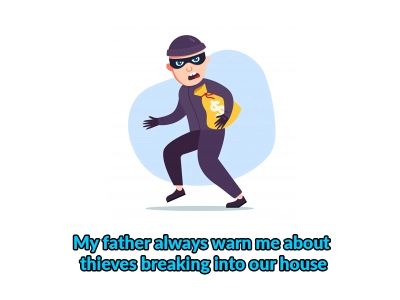
warn

/wɔːrn/

(verb) avvertire, mettere in guardia, consigliare

Esempio:

We tried to warn them about the approaching storm.
Abbiamo cercato di avvertirli della tempesta in arrivo.

question

/ˈkwes.tʃən/

(noun) domanda, questione, problema;

(verb) interrogare, chiedere, dubitare

Esempio:

She asked a difficult question.
Ha fatto una domanda difficile.
Impara questo insieme di vocabolario su Lingoland