cubism
US /ˈkjuː.bɪ.zəm/
UK /ˈkjuː.bɪ.zəm/
名词
立体主义
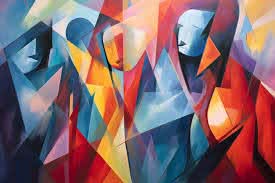
an early 20th-century avant-garde art movement that revolutionized European painting and sculpture, and inspired related movements in music, literature, and architecture. In Cubism, objects are analyzed, broken up and reassembled in an abstracted form—instead of depicting objects from one viewpoint, the artist depicts the subject from a multitude of viewpoints to represent the subject in a greater context.
示例:
•
Pablo Picasso and Georges Braque were pioneers of Cubism.
巴勃罗·毕加索和乔治·布拉克是立体主义的先驱。
•
The exhibition featured several works from the Cubism period.
此次展览展出了几件立体主义时期的作品。