
Bộ từ vựng Hệ Thống Nội Tiết trong bộ Cơ thể: Danh sách đầy đủ và chi tiết
Bộ từ vựng 'Hệ Thống Nội Tiết' trong bộ 'Cơ thể' được chọn lọc kỹ lưỡng từ các nguồn giáo trình chuẩn quốc tế, giúp bạn làm chủ vốn từ chỉ trong thời gian ngắn. Tổng hợp đầy đủ định nghĩa, ví dụ minh họa và phát âm chuẩn...
Học bộ từ vựng này tại Lingoland
Học ngay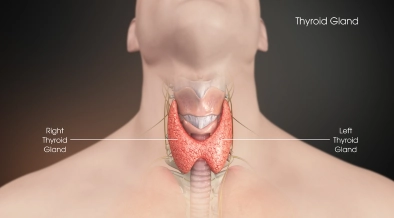
(noun) tuyến
Ví dụ:
The glands in my neck are a little bit swollen.
Các tuyến ở cổ của tôi hơi sưng.
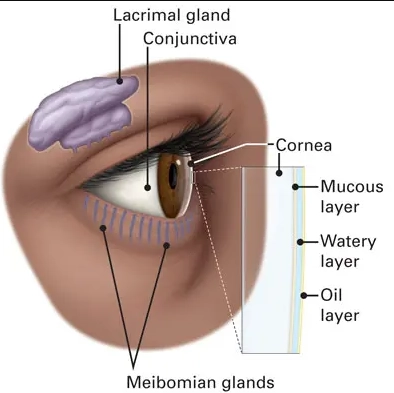
(noun) tuyến sụn mi
Ví dụ:
The tarsal glands are sebaceous glands along the rims of the eyelid inside the tarsal plate.
Các tuyến sụn mi là các tuyến bã nhờn dọc theo viền của mí mắt bên trong các sụn mi.
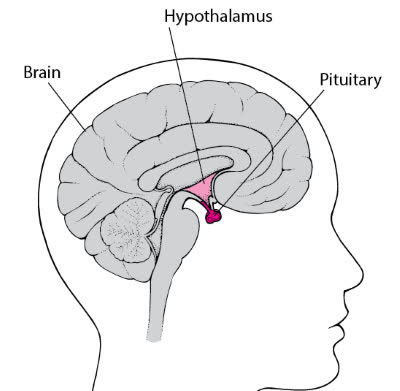
(noun) tuyến yên
Ví dụ:
The pituitary gland is a small pea-sized gland that plays a major role in regulating vital body functions and general well-being.
Tuyến yên là tuyến nhỏ có kích thước bằng hạt đậu đóng vai trò chính trong việc điều chỉnh các chức năng quan trọng của cơ thể và sức khỏe nói chung.
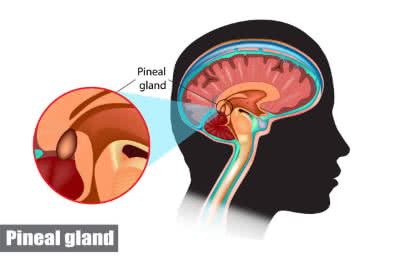
(noun) tuyến tùng quả, tuyến tùng
Ví dụ:
The pineal gland produces its hormone melatonin only during the dark.
Tuyến tùng quả chỉ sản xuất hormone melatonin trong bóng tối.
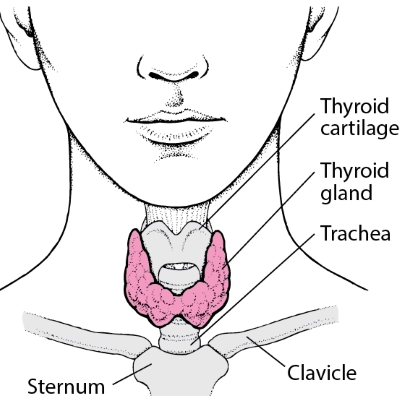
(noun) tuyến giáp
Ví dụ:
The thyroid gland releases hormones that control metabolism—the way your body uses energy.
Tuyến giáp giải phóng các hormone kiểm soát quá trình trao đổi chất—cách cơ thể chúng ta sử dụng năng lượng.
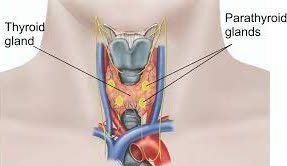
(noun) tuyến cận giáp
Ví dụ:
The parathyroid glands produce parathyroid hormone, which increases levels of calcium in the blood.
Các tuyến cận giáp sản xuất hormone tuyến cận giáp, làm tăng nồng độ canxi trong máu.
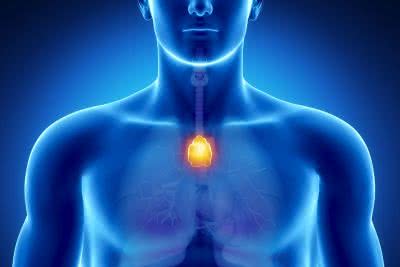
(noun) tuyến ức
Ví dụ:
The thymus is special in that, unlike most organs, it is at its largest in children.
Tuyến ức đặc biệt ở chỗ, không giống như hầu hết các cơ quan, nó lớn nhất ở trẻ em.
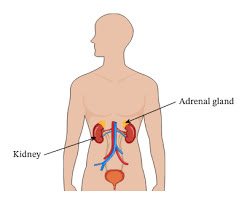
(noun) tuyến thượng thận;
(adjective) (giải phẫu) trên thận, thượng thận
Ví dụ:
Adrenal produces hormones that help regulate metabolism, immune system, blood pressure, response to stress, and other essential functions.
Tuyến thượng thận sản xuất hormone giúp điều chỉnh quá trình trao đổi chất, hệ thống miễn dịch, huyết áp, phản ứng với căng thẳng và các chức năng thiết yếu khác.

(noun) thuốc adrenaline
Ví dụ:
A shot of adrenaline was given as an antidote to the wasp sting.
Một liều adrenaline đã được tiêm như một liều thuốc giải độc cho vết đốt của ong bắp cày.
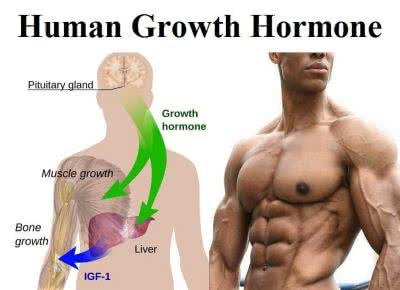
(noun) hormone tăng trưởng, nội tiết tố tăng trưởng
Ví dụ:
Scientists have warned that the use of growth hormones to make cattle grow more quickly may result in a health risk for consumers.
Các nhà khoa học cảnh báo việc sử dụng hormone tăng trưởng để gia súc lớn nhanh hơn có thể gây nguy hiểm cho sức khỏe người tiêu dùng.
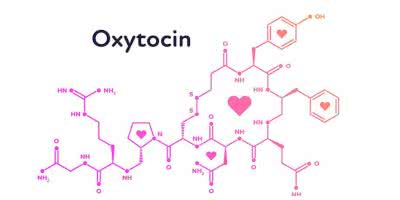
(noun) oxytocin, hoóc môn tình yêu
Ví dụ:
Hugging, kissing, cuddling, and sexual intimacy can all trigger oxytocin production, which can strengthen bonds between adults, too.
Ôm, hôn, âu yếm và thân mật tình dục đều có thể kích hoạt sản xuất oxytocin, điều này cũng có thể củng cố mối quan hệ giữa những người trưởng thành.
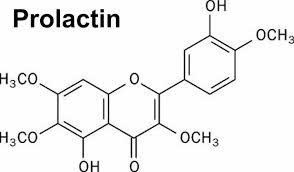
(noun) hormone prolactin
Ví dụ:
Prolactin is a hormone that's responsible for lactation, certain breast tissue development, and milk production.
Prolactin là loại hormone chịu trách nhiệm cho việc tiết sữa, phát triển mô vú nhất định và sản xuất sữa.
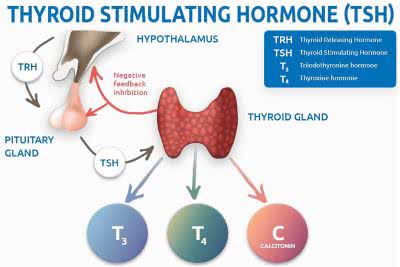
(noun) hormone kích thích tuyến giáp
Ví dụ:
The thyroid-stimulating hormone also exerts growth effects on thyroid follicular cells leading to enlargement of the thyroid.
Hormone kích thích tuyến giáp cũng có tác dụng tăng trưởng tế bào nang tuyến giáp dẫn đến phì đại tuyến giáp.
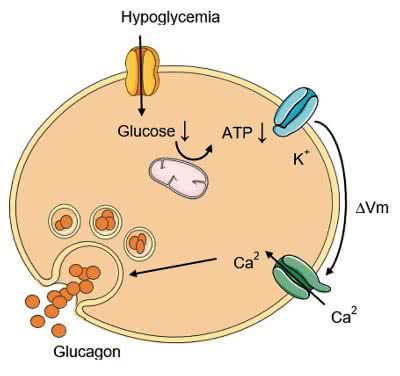
(noun) hormone glucagon
Ví dụ:
Glucagon increases your blood sugar level and prevents it from dropping too low, whereas insulin, another hormone, decreases blood sugar levels.
Glucagon làm tăng lượng đường trong máu của chúng ta và ngăn nó giảm xuống quá thấp, trong khi insulin, một loại hormone khác, làm giảm lượng đường trong máu.

(noun) hormone insulin
Ví dụ:
She has to have insulin injections for her diabetes.
Cô ấy phải tiêm insulin bởi vì bệnh tiểu đường của mình.
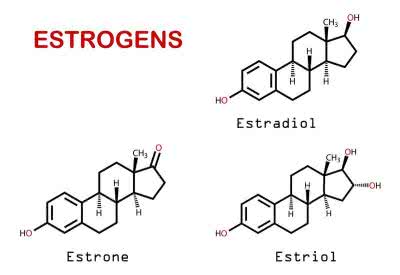
(noun) hormone estrogen
Ví dụ:
Estrogen regulates the growth, development, and physiology of the human reproductive system.
Estrogen điều chỉnh sự tăng trưởng, phát triển và sinh lý của hệ thống sinh sản của con người.
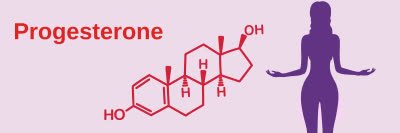
(noun) hormone progesterone
Ví dụ:
Progesterone levels begin to rise after ovulation through the end of the menstrual cycle.
Nồng độ progesterone bắt đầu tăng sau khi rụng trứng cho đến cuối chu kỳ kinh nguyệt.
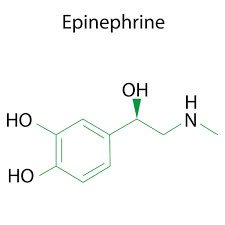
(noun) (thuốc) epinephrine
Ví dụ:
Epinephrine is used medicinally to treat asthma.
Epinephrine được sử dụng trong y học để điều trị bệnh hen suyễn.
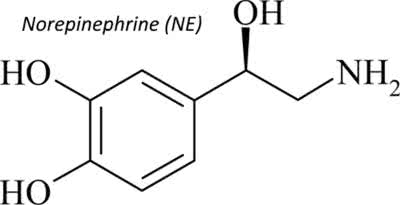
(noun) hormone norepinephrine
Ví dụ:
In the brain, norepinephrine increases arousal and alertness, promotes vigilance, enhances formation and retrieval of memory, and focuses attention; it also increases restlessness and anxiety.
Trong não, norepinephrine làm tăng hưng phấn và tỉnh táo, tăng cường cảnh giác, tăng cường hình thành và phục hồi trí nhớ, đồng thời tập trung sự chú ý; nó cũng làm tăng sự bồn chồn và lo lắng.
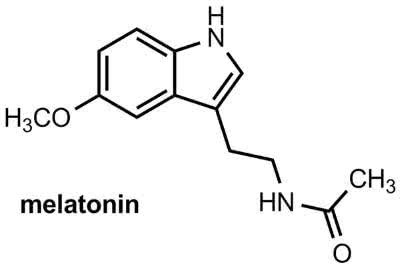
(noun) hormone melatonin
Ví dụ:
In addition to improving sleep, melatonin is also involved in managing immune function, blood pressure, and cortisol levels.
Ngoài việc cải thiện giấc ngủ, melatonin còn tham gia vào việc quản lý chức năng miễn dịch, huyết áp và nồng độ cortisol.
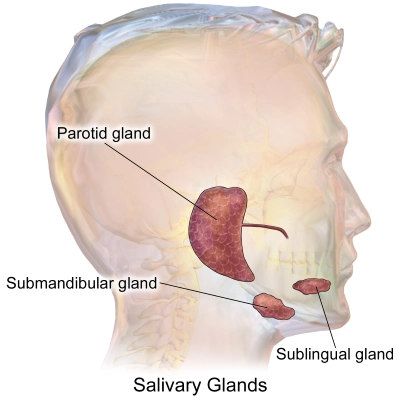
(noun) tuyến nước bọt
Ví dụ:
Humans have three paired major salivary glands.
Con người có ba cặp tuyến nước bọt chính.
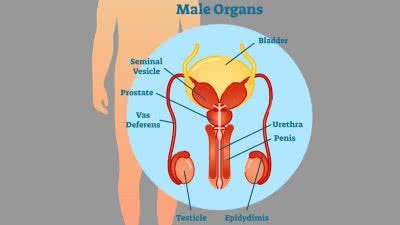
(noun) tuyến tiền liệt
Ví dụ:
The prostate gland's primary function is to produce the fluid that nourishes and transports sperm.
Chức năng chính của tuyến tiền liệt là sản xuất chất lỏng nuôi dưỡng và vận chuyển tinh trùng.
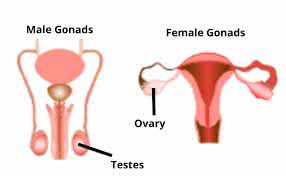
(noun) tuyến sinh dục
Ví dụ:
The two major functions of the gonads in the adult are steroid hormone production and gametogenesis.
Hai chức năng chính của tuyến sinh dục ở người trưởng thành là sản xuất hormone steroid và tạo giao tử.
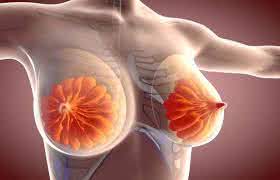
(noun) tuyến vú
Ví dụ:
The mammary gland is made up of connective tissue, fat, and tissue that contains the glands that can make milk.
Tuyến vú được tạo thành từ mô liên kết, chất béo và mô chứa các tuyến có thể tạo sữa.
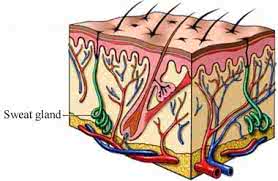
(noun) tuyến mồ hôi
Ví dụ:
Sweat glands are small tubular structures of the skin that produce sweat.
Các tuyến mồ hôi là những cấu trúc hình ống nhỏ của da tạo ra mồ hôi.
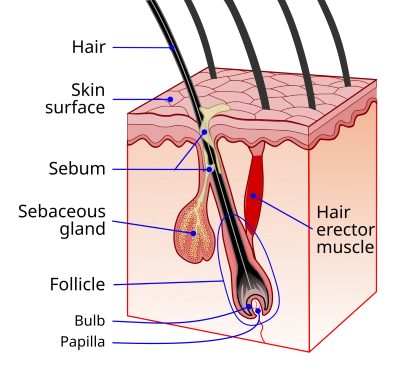
(noun) tuyến bã nhờn
Ví dụ:
The normal function of sebaceous glands is to produce and secrete sebum.
Chức năng thường của tuyến bã nhờn là sản xuất và tiết ra bã nhờn.
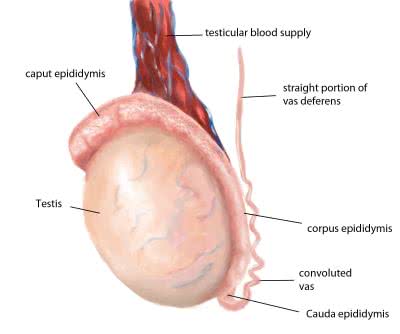
(noun) tinh hoàn
Ví dụ:
The main function of the testes is to produce and store sperm.
Chức năng chính của tinh hoàn là sản xuất và lưu trữ tinh trùng.