Avatar of Vocabulary Set Oxford 5000 - C1 - ตัวอักษร I

ชุดคำศัพท์ Oxford 5000 - C1 - ตัวอักษร I ในชุด Oxford 5000 - C1: รายการเต็มรูปแบบและละเอียด

ชุดคำศัพท์ 'Oxford 5000 - C1 - ตัวอักษร I' ในชุด 'Oxford 5000 - C1' คัดเลือกอย่างพิถีพิถันจากแหล่งตำราสากลมาตรฐาน ช่วยให้คุณเชี่ยวชาญคำศัพท์ในเวลาอันสั้น รวมคำนิยาม ตัวอย่างประกอบ และการออกเสียงมาตรฐาน...

เรียนชุดคำศัพท์นี้ที่ Lingoland

เรียนเลย

identification

/aɪˌden.t̬ə.fəˈkeɪ.ʃən/

(noun) การระบุตัวตน, การจำแนก, บัตรประจำตัว

ตัวอย่าง:

The identification of the suspect was crucial to the investigation.
การระบุตัวตนของผู้ต้องสงสัยเป็นสิ่งสำคัญต่อการสอบสวน

ideological

/ˌaɪ.di.əˈlɑː.dʒɪ.kəl/

(adjective) ทางอุดมการณ์, ทางความคิด

ตัวอย่าง:

The party's policies are driven by strong ideological beliefs.
นโยบายของพรรคขับเคลื่อนด้วยความเชื่อทางอุดมการณ์ที่แข็งแกร่ง

ideology

/ˌaɪ.diˈɑː.lə.dʒi/

(noun) อุดมการณ์, แนวคิด

ตัวอย่าง:

The political party was founded on a strong socialist ideology.
พรรคการเมืองก่อตั้งขึ้นบนอุดมการณ์สังคมนิยมที่แข็งแกร่ง

idiot

/ˈɪd.i.ət/

(noun) คนโง่, คนบ้า

ตัวอย่าง:

Don't be such an idiot! You left your keys in the car again.
อย่าโง่อย่างนั้นสิ! คุณทิ้งกุญแจไว้ในรถอีกแล้วนะ

ignorance

/ˈɪɡ.nɚ.əns/

(noun) ความไม่รู้, ความโง่เขลา

ตัวอย่าง:
His ignorance of the law was no excuse.
ความไม่รู้กฎหมายของเขาไม่ใช่ข้ออ้าง

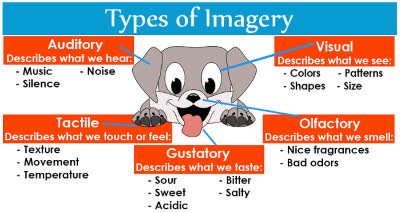
imagery

/ˈɪm.ə.dʒər.i/

(noun) ภาพพจน์, จินตภาพ, ภาพ

ตัวอย่าง:

The poet used vivid imagery to describe the sunset.
กวีใช้ภาพพจน์ที่สดใสเพื่อบรรยายพระอาทิตย์ตก

immense

/ɪˈmens/

(adjective) มหาศาล, ใหญ่โต, มากมาย

ตัวอย่าง:

The universe is of immense size.
จักรวาลมีขนาดมหาศาล

imminent

/ˈɪm.ə.nənt/

(adjective) กำลังจะเกิดขึ้น, จวนเจียน

ตัวอย่าง:

The storm is imminent, so we should seek shelter.
พายุกำลังจะมาถึง เราจึงควรหาที่กำบัง

implementation

/ˌɪm.plə.menˈteɪ.ʃən/

(noun) การนำไปปฏิบัติ, การดำเนินการ, การบังคับใช้

ตัวอย่าง:

The implementation of the new policy will take several months.
การนำไปปฏิบัติของนโยบายใหม่จะใช้เวลาหลายเดือน

imprison

/ɪmˈprɪz.ən/

(verb) จำคุก, กักขัง

ตัวอย่าง:

The government decided to imprison the political dissidents.
รัฐบาลตัดสินใจจำคุกผู้เห็นต่างทางการเมือง

imprisonment

/ɪmˈprɪz.ən.mənt/

(noun) การจำคุก, การคุมขัง, การกักขัง

ตัวอย่าง:

He faced a long period of imprisonment for his crimes.
เขาต้องเผชิญกับการจำคุกเป็นเวลานานสำหรับอาชญากรรมของเขา

inability

/ˌɪn.əˈbɪl.ə.t̬i/

(noun) การไม่สามารถ, ความไร้ความสามารถ

ตัวอย่าง:

His inability to speak French made communication difficult.
การไม่สามารถพูดภาษาฝรั่งเศสของเขาทำให้การสื่อสารเป็นเรื่องยาก

inadequate

/ɪˈnæd.ə.kwət/

(adjective) ไม่เพียงพอ, ไม่เหมาะสม, บกพร่อง

ตัวอย่าง:

The food supply was inadequate to feed all the refugees.
เสบียงอาหารไม่เพียงพอที่จะเลี้ยงผู้ลี้ภัยทั้งหมด

inappropriate

/ˌɪn.əˈproʊ.pri.ət/

(adjective) ไม่เหมาะสม, ไม่สมควร, ไม่เข้าท่า

ตัวอย่าง:

His comments were completely inappropriate for the formal dinner.
ความคิดเห็นของเขาไม่เหมาะสมอย่างยิ่งสำหรับงานเลี้ยงอาหารค่ำที่เป็นทางการ

incidence

/ˈɪn.sɪ.dəns/

(noun) อุบัติการณ์, อัตราการเกิด, ความถี่

ตัวอย่าง:

The incidence of measles has decreased significantly due to vaccination.
อุบัติการณ์ของโรคหัดลดลงอย่างมีนัยสำคัญเนื่องจากการฉีดวัคซีน

inclined

/ɪnˈklaɪnd/

(adjective) มีแนวโน้ม, เต็มใจ, ลาดเอียง

ตัวอย่าง:

I'm inclined to agree with you on this matter.
ฉันมีแนวโน้มที่จะเห็นด้วยกับคุณในเรื่องนี้

inclusion

/ɪnˈkluː.ʒən/

(noun) การรวม, การรวมเข้า, การนับรวม

ตัวอย่าง:

The inclusion of all students, regardless of ability, is a core value of our school.
การรวมนักเรียนทุกคน โดยไม่คำนึงถึงความสามารถ เป็นค่านิยมหลักของโรงเรียนของเรา

incur

/ɪnˈkɝː/

(verb) ประสบ, ได้รับ

ตัวอย่าง:

He incurred the wrath of his boss by being late.
เขาได้รับความโกรธจากเจ้านายเพราะมาสาย

indicator

/ˈɪn.də.keɪ.t̬ɚ/

(noun) ตัวบ่งชี้, ดัชนี, มาตรวัด

ตัวอย่าง:

Economic growth is a key indicator of a country's health.
การเติบโตทางเศรษฐกิจเป็นตัวบ่งชี้สำคัญของสุขภาพของประเทศ

indictment

/ɪnˈdaɪt̬.mənt/

(noun) คำฟ้อง, การฟ้องร้อง, การประณาม

ตัวอย่าง:

The grand jury issued an indictment against the suspect.
คณะลูกขุนใหญ่ได้ออกคำฟ้องต่อผู้ต้องสงสัย

indigenous

/ɪnˈdɪdʒ.ə.nəs/

(adjective) พื้นเมือง, ดั้งเดิม, ชนพื้นเมือง

ตัวอย่าง:

The kangaroo is indigenous to Australia.
จิงโจ้เป็นสัตว์พื้นเมืองของออสเตรเลีย

induce

/ɪnˈduːs/

(verb) ชักจูง, ชักนำ, ทำให้เกิด

ตัวอย่าง:

The doctor tried to induce the patient to take the medication.
แพทย์พยายามชักจูงให้ผู้ป่วยรับประทานยา

indulge

/ɪnˈdʌldʒ/

(verb) ดื่มด่ำ, ตามใจ, อนุญาต

ตัวอย่าง:

I decided to indulge in a long, hot bath after a stressful day.
ฉันตัดสินใจที่จะดื่มด่ำกับการอาบน้ำอุ่นนานๆ หลังจากวันที่เครียด

inequality

/ˌɪn.ɪˈkwɑː.lə.t̬i/

(noun) ความไม่เท่าเทียมกัน, ความเหลื่อมล้ำ, อสมการ

ตัวอย่าง:

There is a growing inequality between the rich and the poor.
มีความไม่เท่าเทียมกันที่เพิ่มขึ้นระหว่างคนรวยและคนจน

infamous

/ˈɪn.fə.məs/

(adjective) มีชื่อเสียงในทางไม่ดี, อื้อฉาว

ตัวอย่าง:

The city is infamous for its high crime rate.
เมืองนี้มีชื่อเสียงในทางไม่ดีเรื่องอัตราการเกิดอาชญากรรมที่สูง

infant

/ˈɪn.fənt/

(noun) ทารก, เด็กอ่อน;

(adjective) เกี่ยวกับทารก, ในระยะเริ่มต้น

ตัวอย่าง:

The infant slept peacefully in its crib.
ทารกนอนหลับอย่างสงบในเปล

infect

/ɪnˈfekt/

(verb) ติดเชื้อ, แพร่เชื้อ, ส่งผลกระทบ

ตัวอย่าง:

The virus can infect cells and replicate rapidly.
ไวรัสสามารถติดเชื้อเซลล์และเพิ่มจำนวนได้อย่างรวดเร็ว

inflict

/ɪnˈflɪkt/

(verb) สร้างความเสียหาย, ก่อให้เกิด

ตัวอย่าง:

The storm inflicted severe damage on the coastal towns.
พายุสร้างความเสียหายอย่างรุนแรงต่อเมืองชายฝั่ง

influential

/ˌɪn.fluˈen.ʃəl/

(adjective) มีอิทธิพล, ทรงอิทธิพล

ตัวอย่าง:

She is one of the most influential figures in modern art.
เธอเป็นหนึ่งในบุคคลที่มีอิทธิพลมากที่สุดในศิลปะสมัยใหม่

inherent

/ɪnˈhɪr.ənt/

(adjective) ที่มีมาแต่กำเนิด, โดยธรรมชาติ, โดยเนื้อแท้

ตัวอย่าง:

The desire for freedom is inherent in all humans.
ความปรารถนาในอิสรภาพเป็นสิ่งที่มีมาแต่กำเนิดในมนุษย์ทุกคน

inhibit

/ɪnˈhɪb.ɪt/

(verb) ยับยั้ง, ขัดขวาง, กีดกัน

ตัวอย่าง:

Fear can inhibit people from expressing their true feelings.
ความกลัวสามารถยับยั้งผู้คนจากการแสดงความรู้สึกที่แท้จริงของพวกเขาได้

initiate

/ɪˈnɪʃ.i.eɪt/

(verb) ริเริ่ม, เริ่มต้น, ดำเนินการ;

(noun) ผู้เริ่มต้น, สมาชิกใหม่, ผู้รับการฝึก

ตัวอย่าง:

The company decided to initiate a new marketing campaign.
บริษัทตัดสินใจริเริ่มแคมเปญการตลาดใหม่

inject

/ɪnˈdʒekt/

(verb) ฉีด, ใส่, เติม

ตัวอย่าง:

The nurse will inject the vaccine into your arm.
พยาบาลจะฉีดวัคซีนเข้าที่แขนของคุณ

injection

/ɪnˈdʒek.ʃən/

(noun) การฉีด, การฉีดยา, การอัดฉีด

ตัวอย่าง:

The nurse gave him an injection to relieve the pain.
พยาบาลฉีดยาให้เขาเพื่อบรรเทาอาการปวด

injustice

/ɪnˈdʒʌs.tɪs/

(noun) ความไม่ยุติธรรม, ความอยุติธรรม, การกระทำที่ไม่ยุติธรรม

ตัวอย่าง:

The verdict was a clear injustice.
คำตัดสินนั้นเป็นความไม่ยุติธรรมที่ชัดเจน

inmate

/ˈɪn.meɪt/

(noun) นักโทษ, ผู้ป่วยใน

ตัวอย่าง:

The prison inmate was granted parole after serving half his sentence.
นักโทษในเรือนจำได้รับการปล่อยตัวโดยมีทัณฑ์บนหลังจากรับโทษไปครึ่งหนึ่ง

insertion

/ɪnˈsɝː.ʃən/

(noun) การแทรก, การสอด, การใส่

ตัวอย่าง:

The insertion of the new data into the database was successful.
การแทรกข้อมูลใหม่ลงในฐานข้อมูลสำเร็จ

insider

/ɪnˈsaɪ.dɚ/

(noun) คนวงใน, ผู้รู้ข้อมูลภายใน

ตัวอย่าง:

As an insider, she knew all the secrets of the company.
ในฐานะคนวงใน เธอรู้ความลับทั้งหมดของบริษัท

inspect

/ɪnˈspekt/

(verb) ตรวจสอบ, ตรวจตรา, สำรวจ

ตัวอย่าง:

The mechanic will inspect the car for any damage.
ช่างจะตรวจสอบรถเพื่อหาความเสียหาย

inspection

/ɪnˈspek.ʃən/

(noun) การตรวจสอบ, การตรวจตรา, การสำรวจ

ตัวอย่าง:

The car passed its annual safety inspection.
รถยนต์ผ่านการตรวจสอบความปลอดภัยประจำปี

inspiration

/ˌɪn.spəˈreɪ.ʃən/

(noun) แรงบันดาลใจ, การดลใจ, ความคิด

ตัวอย่าง:

His artwork is a great source of inspiration for young artists.
ผลงานศิลปะของเขาเป็นแหล่งแรงบันดาลใจที่ดีสำหรับศิลปินรุ่นใหม่

instinct

/ˈɪn.stɪŋkt/

(noun) สัญชาตญาณ, ลางสังหรณ์

ตัวอย่าง:

Birds build nests by instinct.
นกสร้างรังด้วยสัญชาตญาณ

institutional

/ˌɪn.stəˈtuː.ʃən.əl/

(adjective) เกี่ยวกับสถาบัน, เกี่ยวกับองค์กร, เชิงสถาบัน

ตัวอย่าง:

The university received a large institutional grant.
มหาวิทยาลัยได้รับเงินช่วยเหลือจากสถาบันจำนวนมาก

instruct

/ɪnˈstrʌkt/

(verb) สอน, แนะนำ, สั่ง

ตัวอย่าง:

She will instruct the new employees on company policies.
เธอจะสอนพนักงานใหม่เกี่ยวกับนโยบายของบริษัท

instrumental

/ˌɪn.strəˈmen.t̬əl/

(adjective) เป็นเครื่องมือ, เป็นส่วนสำคัญ, มีประโยชน์;

(noun) เพลงบรรเลง, ดนตรีบรรเลง

ตัวอย่าง:

He was instrumental in bringing about the peace treaty.
เขาเป็นส่วนสำคัญในการนำมาซึ่งสนธิสัญญาสันติภาพ

insufficient

/ˌɪn.səˈfɪʃ.ənt/

(adjective) ไม่เพียงพอ, ไม่พอ

ตัวอย่าง:

There was insufficient evidence to convict him.
มีหลักฐานไม่เพียงพอที่จะตัดสินว่าเขามีความผิด

insult

/ˈɪn.sʌlt/

(noun) การดูถูก, การสบประมาท;

(verb) ดูถูก, สบประมาท

ตัวอย่าง:

His comments were a direct insult to her intelligence.
ความคิดเห็นของเขาเป็นการดูถูกสติปัญญาของเธอโดยตรง

intact

/ɪnˈtækt/

(adjective) ไม่เสียหาย, สมบูรณ์, ไม่บุบสลาย

ตัวอย่าง:

Despite the accident, the ancient vase remained intact.
แม้จะเกิดอุบัติเหตุ แจกันโบราณก็ยังคงไม่เสียหาย

intake

/ˈɪn.teɪk/

(noun) ปริมาณที่รับเข้า, การบริโภค, ช่องอากาศเข้า

ตัวอย่าง:

Reduce your daily intake of sugar.
ลดปริมาณน้ำตาลที่รับประทานต่อวัน

integral

/ˈɪn.t̬ə.ɡrəl/

(adjective) สำคัญ, จำเป็น, จำนวนเต็ม;

(noun) อินทิกรัล

ตัวอย่าง:

The engine is an integral part of the car.
เครื่องยนต์เป็นส่วนสำคัญของรถยนต์

integrated

/ˈɪn.t̬ə.ɡreɪ.t̬ɪd/

(adjective) บูรณาการ, รวมเข้าด้วยกัน, เป็นส่วนหนึ่ง

ตัวอย่าง:

The new system offers an integrated approach to data management.
ระบบใหม่นำเสนอแนวทางบูรณาการในการจัดการข้อมูล

integration

/ˌɪn.t̬əˈɡreɪ.ʃən/

(noun) การบูรณาการ, การรวมเข้าด้วยกัน, การรวมกลุ่ม

ตัวอย่าง:

The integration of new technologies into the system improved efficiency.
การบูรณาการเทคโนโลยีใหม่เข้าสู่ระบบช่วยเพิ่มประสิทธิภาพ

integrity

/ɪnˈteɡ.rə.t̬i/

(noun) ความซื่อสัตย์, ความสุจริต, ความสมบูรณ์

ตัวอย่าง:

He is a man of great integrity.
เขาเป็นคนที่มีความซื่อสัตย์สูง

intellectual

/ˌɪn.t̬əlˈek.tʃu.əl/

(adjective) ทางปัญญา, ทางสติปัญญา;

(noun) ปัญญาชน, ผู้ทรงภูมิปัญญา

ตัวอย่าง:

He has great intellectual abilities.
เขามีความสามารถทางสติปัญญาที่ยอดเยี่ยม

intensify

/ɪnˈten.sə.faɪ/

(verb) ทวีความรุนแรง, ทำให้เข้มข้นขึ้น

ตัวอย่าง:

The storm began to intensify as it moved closer to the coast.
พายุเริ่มทวีความรุนแรงขึ้นเมื่อเคลื่อนตัวเข้าใกล้ชายฝั่ง

intensity

/ɪnˈten.sə.t̬i/

(noun) ความเข้มข้น, ความรุนแรง

ตัวอย่าง:

The intensity of the sun was unbearable.
ความเข้มข้นของแสงแดดนั้นทนไม่ไหว

intensive

/ɪnˈten.sɪv/

(adjective) เข้มข้น, ละเอียด, หนาแน่น

ตัวอย่าง:

The course provides intensive training in computer programming.
หลักสูตรนี้ให้การฝึกอบรมเข้มข้นในการเขียนโปรแกรมคอมพิวเตอร์

intent

/ɪnˈtent/

(noun) ความตั้งใจ, เจตนา, จุดประสงค์;

(adjective) ตั้งใจ, มุ่งมั่น, จดจ่อ

ตัวอย่าง:

Her intent was to finish the project on time.
ความตั้งใจของเธอคือการทำงานให้เสร็จตรงเวลา

interactive

/ˌɪn.t̬ɚˈræk.tɪv/

(adjective) แบบโต้ตอบ, เชิงโต้ตอบ, ซึ่งมีปฏิสัมพันธ์กัน

ตัวอย่าง:

The museum has many interactive exhibits.
พิพิธภัณฑ์มีนิทรรศการแบบโต้ตอบมากมาย

interface

/ˈɪn.t̬ɚ.feɪs/

(noun) อินเทอร์เฟซ, จุดเชื่อมต่อ;

(verb) เชื่อมต่อ, ประสานงาน

ตัวอย่าง:

The software has a user-friendly interface.
ซอฟต์แวร์มีอินเทอร์เฟซที่ใช้งานง่าย

interfere

/ˌɪn.t̬ɚˈfɪr/

(verb) แทรกแซง, รบกวน, เข้าไปยุ่ง

ตัวอย่าง:

Don't interfere with my plans.
อย่าแทรกแซงแผนของฉัน

interference

/ˌɪn.t̬ɚˈfɪr.əns/

(noun) การแทรกแซง, การรบกวน

ตัวอย่าง:

The government's interference in the economy caused instability.
การแทรกแซงของรัฐบาลในเศรษฐกิจทำให้เกิดความไม่มั่นคง

interim

/ˈɪn.t̬ɚ.ɪm/

(noun) ระหว่างนี้, ช่วงเวลาชั่วคราว;

(adjective) ชั่วคราว, เฉพาะกาล

ตัวอย่าง:

In the interim, we will continue with the current plan.
ในระหว่างนี้ เราจะดำเนินการตามแผนปัจจุบันต่อไป

interior

/ɪnˈtɪr.i.ɚ/

(noun) ภายใน, ส่วนใน, พื้นที่ภายใน;

(adjective) ภายใน, ด้านใน

ตัวอย่าง:

The interior of the car was spacious and comfortable.
ภายในรถกว้างขวางและสะดวกสบาย

intermediate

/ˌɪn.t̬ɚˈmiː.di.ət/

(adjective) กลาง, ระหว่างกลาง;

(noun) ตัวกลาง, สิ่งกลาง

ตัวอย่าง:

The course is designed for intermediate learners.
หลักสูตรนี้ออกแบบมาสำหรับผู้เรียนระดับกลาง

intervene

/ˌɪn.t̬ɚˈviːn/

(verb) เข้าแทรกแซง, เข้าขัดขวาง, คั่นกลาง

ตัวอย่าง:

The police had to intervene to stop the fight.
ตำรวจต้องเข้าแทรกแซงเพื่อหยุดการต่อสู้

intervention

/ˌɪn.t̬ɚˈven.ʃən/

(noun) การแทรกแซง, การเข้าขัดขวาง, การแทรกแซง (บำบัด)

ตัวอย่าง:

Early intervention is crucial for children with developmental delays.
การแทรกแซงตั้งแต่เนิ่นๆ มีความสำคัญอย่างยิ่งสำหรับเด็กที่มีพัฒนาการล่าช้า

intimate

/ˈɪn.tə.mət/

(adjective) สนิทสนม, ใกล้ชิด, ส่วนตัว;

(verb) บอกเป็นนัย, แสดงให้เห็น

ตัวอย่าง:

They shared an intimate dinner.
พวกเขาแบ่งปันอาหารค่ำที่ใกล้ชิด

intriguing

/ɪnˈtriː.ɡɪŋ/

(adjective) น่าสนใจ, น่าหลงใหล

ตัวอย่าง:

The plot of the novel was very intriguing.
โครงเรื่องของนวนิยายนั้นน่าสนใจมาก

investigator

/ɪnˈves.tə.ɡeɪ.t̬ɚ/

(noun) ผู้สืบสวน, นักสืบ

ตัวอย่าง:

The police investigator gathered evidence at the crime scene.
ผู้สืบสวนของตำรวจรวบรวมหลักฐานที่เกิดเหตุอาชญากรรม

invisible

/ɪnˈvɪz.ə.bəl/

(adjective) มองไม่เห็น, ล่องหน, ไม่ปรากฏ

ตัวอย่าง:

The tiny particles were almost invisible to the naked eye.
อนุภาคเล็กๆ แทบจะมองไม่เห็นด้วยตาเปล่า

invoke

/ɪnˈvoʊk/

(verb) อ้างถึง, เรียกหา, วิงวอน

ตัวอย่าง:

He invoked the Fifth Amendment, refusing to answer questions.
เขาอ้างการแก้ไขรัฐธรรมนูญครั้งที่ห้า ปฏิเสธที่จะตอบคำถาม

involvement

/ɪnˈvɑːlv.mənt/

(noun) การมีส่วนร่วม, การเกี่ยวข้อง, ความสัมพันธ์

ตัวอย่าง:

Her involvement in the project was crucial to its success.
การมีส่วนร่วมของเธอในโครงการมีความสำคัญต่อความสำเร็จ

ironic

/aɪˈrɑː.nɪk/

(adjective) น่าขัน, ประชดประชัน

ตัวอย่าง:

It's ironic that he's a swimming instructor who's afraid of water.
มันน่าขันที่เขาเป็นครูสอนว่ายน้ำแต่กลัวน้ำ

ironically

/aɪˈrɑː.nɪ.kəl.i/

(adverb) อย่างน่าขัน, อย่างประชดประชัน

ตัวอย่าง:

Ironically, the fire station burned down.
น่าขันที่สถานีดับเพลิงถูกไฟไหม้

irony

/ˈaɪ.rə.ni/

(noun) การประชดประชัน, การเสียดสี, ความประชดประชัน

ตัวอย่าง:

The irony of the situation was that the fire station burned down.
ความประชดประชันของสถานการณ์คือสถานีดับเพลิงถูกไฟไหม้

irrelevant

/ɪˈrel.ə.vənt/

(adjective) ไม่เกี่ยวข้อง, ไม่สำคัญ

ตัวอย่าง:

That point is completely irrelevant to the discussion.
ประเด็นนั้นไม่เกี่ยวข้องกับการสนทนาเลย

isolation

/ˌaɪ.səlˈeɪ.ʃən/

(noun) การแยก, การโดดเดี่ยว, ความโดดเดี่ยว

ตัวอย่าง:

The patient was placed in isolation to prevent the spread of the virus.
ผู้ป่วยถูกแยกกักกันเพื่อป้องกันการแพร่กระจายของไวรัส
เรียนชุดคำศัพท์นี้ที่ Lingoland