Znaczenie słowa "the grass is always greener on the other side of the fence" po polsku
Co oznacza "the grass is always greener on the other side of the fence" po angielsku? Poznaj znaczenie, wymowę i specyficzne użycie tego słowa z Lingoland
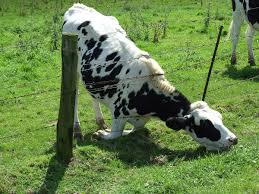
the grass is always greener on the other side of the fence
US /ðə ɡræs ɪz ˈɔːlweɪz ˈɡriːnər ɑːn ðə ˈʌðər saɪd əv ðə fens/
UK /ðə ɡrɑːs ɪz ˈɔːlweɪz ˈɡriːnə rɒn ðə ˈʌðə saɪd əv ðə fens/
Idiom
trawa u sąsiada jest zawsze bardziej zielona
used to say that other people's lives or situations always seem better than your own, even if they are not
Przykład:
•
He keeps changing jobs because he thinks the grass is always greener on the other side of the fence.
Ciągle zmienia pracę, bo myśli, że trawa u sąsiada jest zawsze bardziej zielona.
•
I sometimes envy my single friends, but I have to remind myself that the grass is always greener on the other side of the fence.
Czasami zazdroszczę moim samotnym przyjaciołom, ale muszę sobie przypominać, że trawa u sąsiada zawsze wydaje się bardziej zielona.