Betekenis van het woord "if in February there be no rain, it is neither good for hay nor grain" in het Nederlands
Wat betekent "if in February there be no rain, it is neither good for hay nor grain" in het Engels? Ontdek de betekenis, uitspraak en specifiek gebruik van dit woord met Lingoland
if in February there be no rain, it is neither good for hay nor grain
US /ɪf ɪn ˈfɛbjueri ðɛr bi noʊ reɪn, ɪt ɪz ˈniðər ɡʊd fɔr heɪ nɔr ɡreɪn/
UK /ɪf ɪn ˈfɛbruəri ðeə bi nəʊ reɪn, ɪt ɪz ˈnaɪðə ɡʊd fɔː heɪ nɔː ɡreɪn/
Idioom
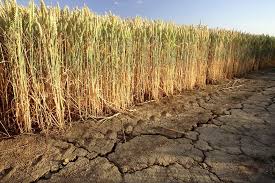
geen regen in februari betekent een slechte oogst
An old English proverb suggesting that rain in February is essential for a good harvest of hay and grain later in the year.
Voorbeeld:
•
The farmers are worried about the drought because if in February there be no rain, it is neither good for hay nor grain.
De boeren maken zich zorgen over de droogte, want als het in februari niet regent, is dat noch goed voor het hooi, noch voor het graan.
•
My grandfather always said, 'If in February there be no rain, it is neither good for hay nor grain,' so he's happy to see the storms today.
Mijn grootvader zei altijd: 'Als het in februari niet regent, is dat noch goed voor het hooi, noch voor het graan', dus hij is blij met de stormen van vandaag.