TOEFL 고급 어휘 내 인체 해부학 어휘 세트: 완전하고 상세한 목록
'TOEFL 고급 어휘' 내 '인체 해부학' 어휘 세트는 국제 표준 교재 출처에서 엄선되어 짧은 시간 안에 어휘를 마스터할 수 있도록 도와줍니다. 정의, 예문, 표준 발음을 완벽하게 수록...
Lingoland에서 이 어휘 세트 학습하기
지금 학습하기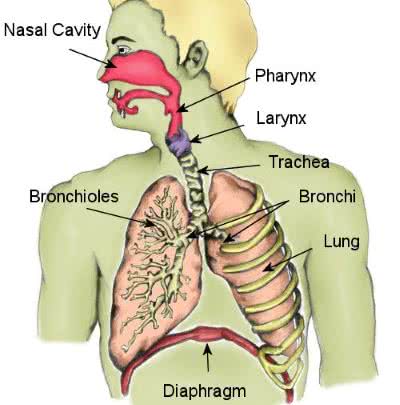
/ˈtreɪ.kiə/
(noun) 기관
예시:
The surgeon carefully intubated the patient's trachea.
외과 의사는 환자의 기관을 조심스럽게 삽관했다.
/ˌres.pəˈreɪ.ʃən/
(noun) 호흡, 호흡 작용
예시:
The doctor monitored the patient's respiration during the surgery.
의사는 수술 중 환자의 호흡을 모니터링했다.
/ˈler.ɪŋks/
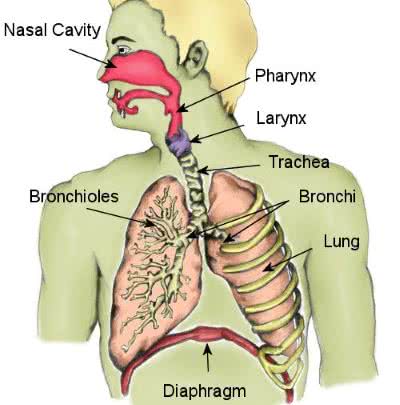
(noun) 후두
예시:
The doctor examined his larynx for any abnormalities.
의사는 그의 후두에 이상이 있는지 검사했다.

/səˈlaɪ.və/
(noun) 침
예시:
The thought of food made his mouth water with saliva.
음식 생각에 그의 입에는 침이 고였다.
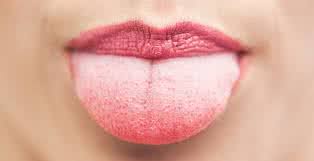
/ˈteɪst bʌd/
(noun) 미뢰, 맛봉오리
예시:
Sweet foods activate the taste buds at the tip of the tongue.
단 음식은 혀끝의 미뢰를 활성화시킨다.
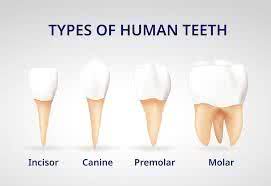
/ɪnˈsaɪ.zɚ/
(noun) 앞니, 절치
예시:
The dentist examined her incisors for any signs of decay.
치과 의사는 그녀의 앞니에 충치 징후가 있는지 검사했다.
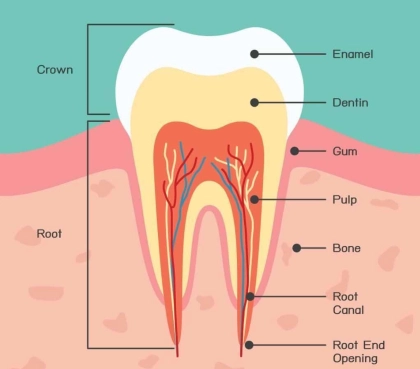
/ɪˈnæm.əl/
(noun) 에나멜, 법랑, 치아 에나멜;
(verb) 에나멜을 입히다, 법랑 처리하다
예시:
The old bathtub had a chipped enamel finish.
오래된 욕조는 에나멜 마감이 벗겨져 있었다.
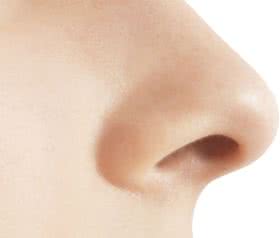
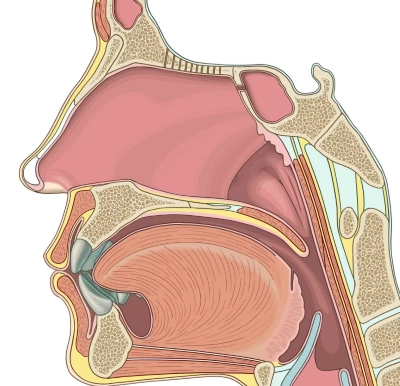
/ˈneɪ.zəl/
(adjective) 코의, 비음의, 비음;
(noun) 비음
예시:
She has a slight nasal voice.
그녀는 약간 비음이 섞인 목소리를 가지고 있다.
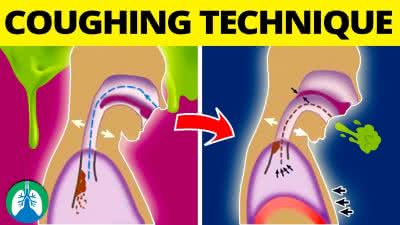
/flem/
(noun) 가래, 담, 침착
예시:
He coughed up some phlegm after a long night.
그는 긴 밤 후에 가래를 뱉어냈다.
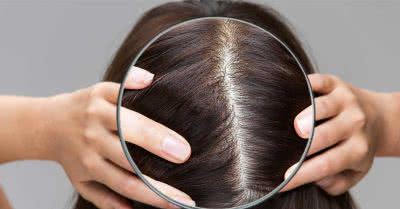
/skælp/
(noun) 두피;
(verb) 두피를 벗기다, 되팔다, 암표를 팔다
예시:
He scratched his scalp due to an itch.
그는 가려움 때문에 두피를 긁었다.

/ˈsaɪ.nəs/
(noun) 부비동, 동굴, 사인
예시:
I have a terrible headache due to my inflamed sinuses.
염증이 생긴 부비동 때문에 두통이 심하다.
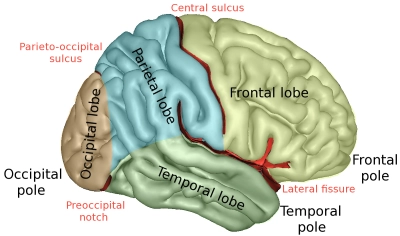
/loʊb/
(noun) 엽, 귓불
예시:
The frontal lobe is involved in planning and decision-making.
전두엽은 계획과 의사 결정에 관여합니다.
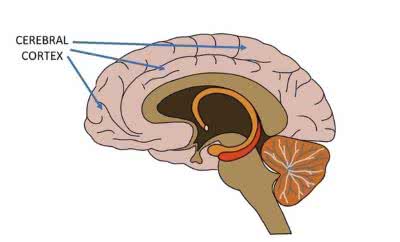
/ˈkɔːr.teks/
(noun) 피질, 대뇌 피질, 겉질
예시:
The frontal lobe of the cerebral cortex is involved in planning and decision-making.
대뇌 피질의 전두엽은 계획 및 의사 결정에 관여합니다.

/ˈpjuː.pəl/
(noun) 학생, 제자, 동공
예시:
The teacher praised the pupil for her excellent work.
선생님은 학생의 훌륭한 작업에 대해 칭찬했다.

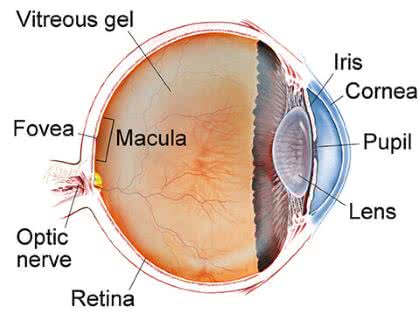
/ˈret.ən.ə/
(noun) 망막
예시:
Light rays focus on the retina at the back of the eye.
빛은 눈 뒤쪽의 망막에 초점을 맞춘다.
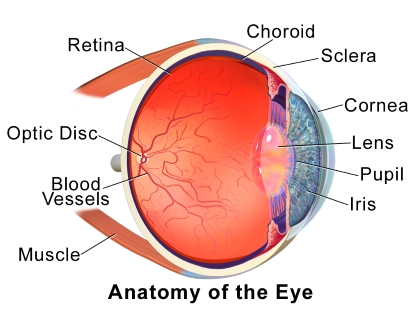
/ˈkɔːr.ni.ə/
(noun) 각막
예시:
The doctor examined the patient's cornea for scratches.
의사는 환자의 각막에 긁힌 자국이 있는지 검사했다.

/trʌŋk/
(noun) 줄기, 몸통, 코
예시:
The elephant rubbed its back against the rough trunk of the tree.
코끼리는 거친 나무 줄기에 등을 비볐다.
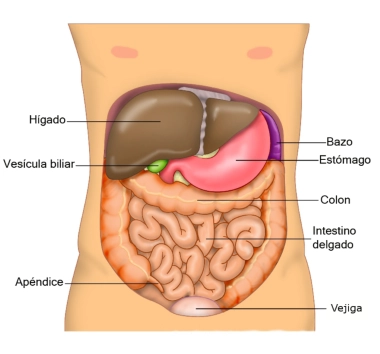
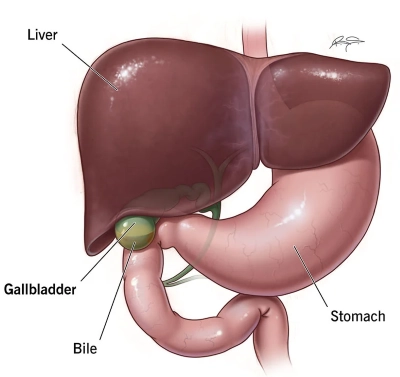
/baɪl/
(noun) 담즙, 분노, 짜증
예시:
The liver produces bile to help break down fats.
간은 지방 분해를 돕기 위해 담즙을 생성한다.
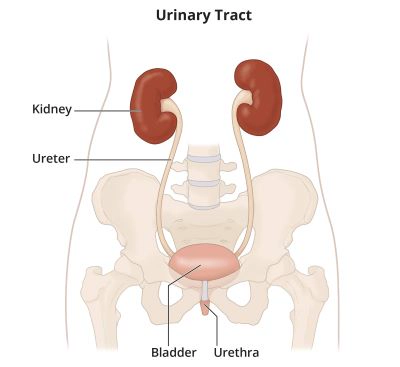
/ˈblæd.ɚ/
(noun) 방광, 주머니, 튜브
예시:
The doctor examined the patient's bladder.
의사는 환자의 방광을 검사했다.
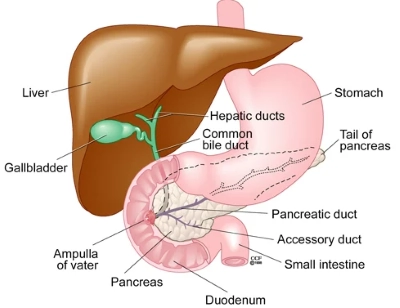
/ˈpæŋ.kri.əs/
(noun) 췌장
예시:
The pancreas plays a vital role in digestion and blood sugar regulation.
췌장은 소화와 혈당 조절에 중요한 역할을 한다.
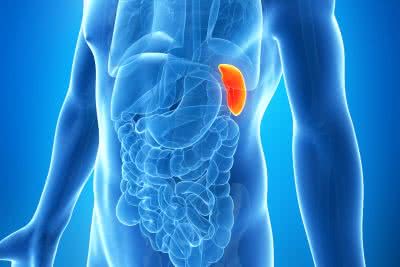
/spliːn/
(noun) 비장, 악의, 분노
예시:
The doctor examined his spleen for any abnormalities.
의사는 그의 비장에 이상이 있는지 검사했다.

/ˈkoʊ.lən/
(noun) 콜론, 결장, 대장
예시:
The recipe requires the following ingredients: flour, sugar, and eggs.
레시피에는 다음 재료가 필요합니다: 밀가루, 설탕, 달걀.
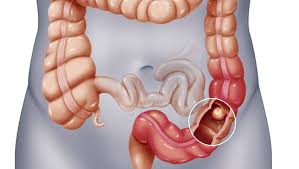
/ˈbaʊ.əl/
(noun) 장, 창자
예시:
The doctor examined his bowel for any abnormalities.
의사는 그의 장에 이상이 있는지 검사했다.

/ˈpel.vɪs/
(noun) 골반
예시:
The doctor examined the patient's pelvis for any fractures.
의사는 환자의 골반에 골절이 있는지 검사했다.
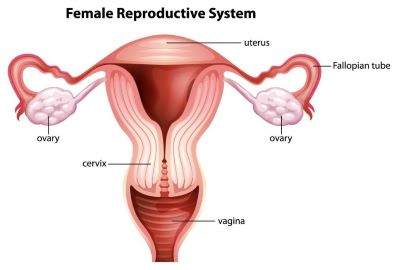
/wuːm/
(noun) 자궁, 요람, 발상지
예시:
The baby developed safely in the mother's womb.
아기는 엄마의 자궁 속에서 안전하게 자랐다.
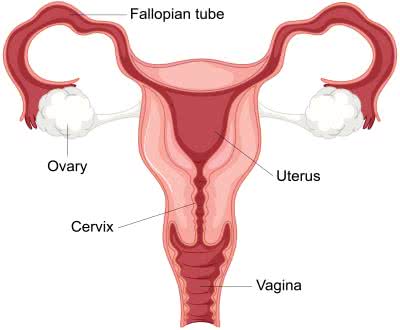
/ˈsɝː.vɪks/
(noun) 자궁경부
예시:
During childbirth, the cervix dilates to allow the baby to pass through.
출산 중에는 아기가 통과할 수 있도록 자궁경부가 확장됩니다.
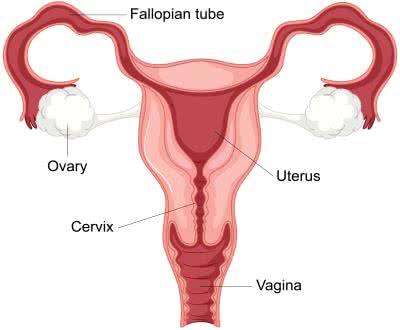
/ˈjuː.t̬ɚ.əs/
(noun) 자궁
예시:
The baby develops inside the mother's uterus.
아기는 엄마의 자궁 안에서 자란다.
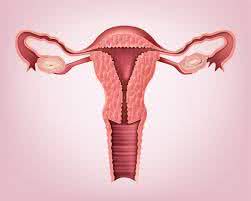
/ˈoʊ.vər.i/
(noun) 난소, 씨방
예시:
The doctor explained the function of the ovary.
의사는 난소의 기능을 설명했다.
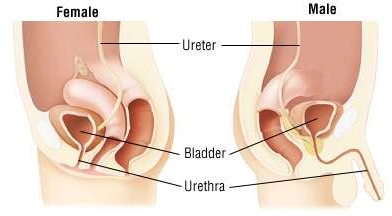
/jʊˈriː.θrə/
(noun) 요도
예시:
The doctor explained the function of the urethra.
의사는 요도의 기능을 설명했다.
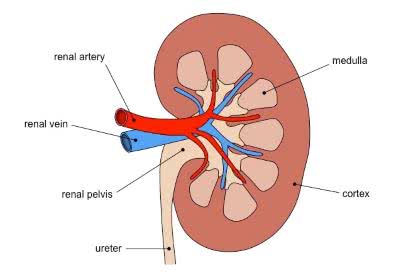
/ˈriː.nəl/
(adjective) 신장의, 신장과 관련된
예시:
The patient is suffering from chronic renal failure.
환자는 만성 신부전으로 고통받고 있다.
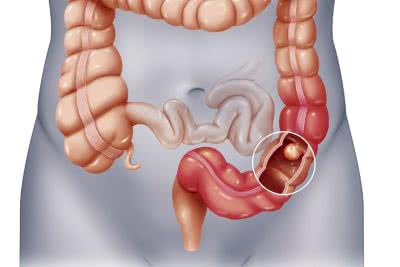
/ˌɪnˈtes.tɪn.əl/
(adjective) 장, 장의
예시:
The doctor diagnosed an intestinal infection.
의사는 장 감염을 진단했다.
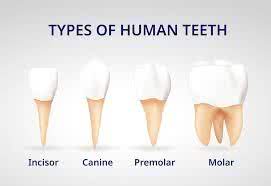
/ˈkeɪ.naɪn/
(adjective) 개의, 개과 동물의;
(noun) 개과 동물, 개, 송곳니
예시:
The veterinarian specializes in canine health.
수의사는 개의 건강을 전문으로 한다.
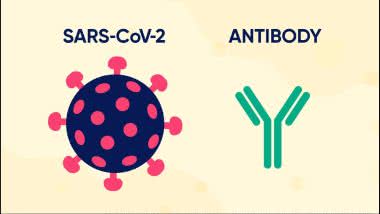
/ˈæn.t̬iˌbɑː.di/
(noun) 항체
예시:
The vaccine stimulates the production of antibodies.
백신은 항체 생성을 자극한다.
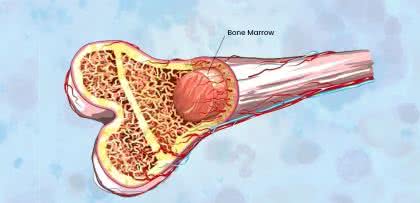
/ˈboʊn ˌmer.oʊ/
(noun) 골수
예시:
The doctor explained that bone marrow is essential for producing blood cells.
의사는 골수가 혈액 세포 생성에 필수적이라고 설명했다.