Avatar of Vocabulary Set Anatomie humaine

Ensemble de vocabulaire Anatomie humaine dans Vocabulaire avancé pour le TOEFL : Liste complète et détaillée

L'ensemble de vocabulaire 'Anatomie humaine' dans 'Vocabulaire avancé pour le TOEFL' est soigneusement sélectionné à partir de sources de manuels internationaux standard, vous aidant à maîtriser le vocabulaire en peu de temps. Compilation complète de définitions, exemples illustratifs et prononciation standard...

Apprendre cet ensemble de vocabulaire sur Lingoland

Apprendre maintenant
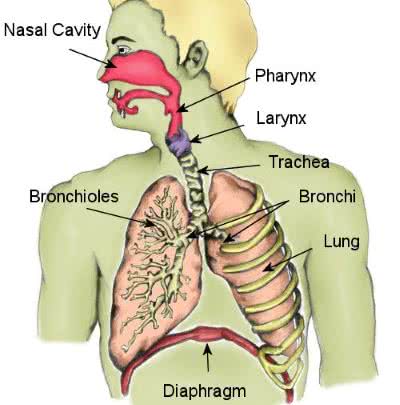
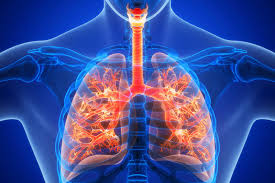
trachea

/ˈtreɪ.kiə/

(noun) trachée

Exemple:

The surgeon carefully intubated the patient's trachea.
Le chirurgien a soigneusement intubé la trachée du patient.

respiration

/ˌres.pəˈreɪ.ʃən/

(noun) respiration, respiration cellulaire

Exemple:
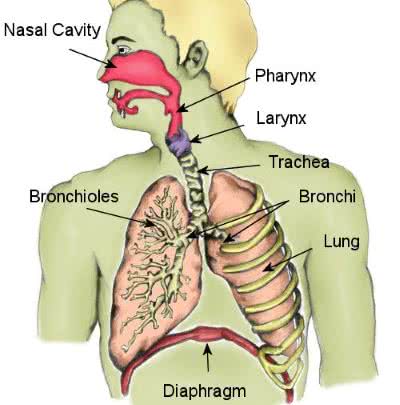
The doctor monitored the patient's respiration during the surgery.
Le médecin a surveillé la respiration du patient pendant l'opération.

larynx

/ˈler.ɪŋks/

(noun) larynx

Exemple:

The doctor examined his larynx for any abnormalities.
Le médecin a examiné son larynx pour détecter toute anomalie.

saliva

/səˈlaɪ.və/

(noun) salive

Exemple:

The thought of food made his mouth water with saliva.
La pensée de la nourriture fit saliver sa bouche avec de la salive.

taste bud

/ˈteɪst bʌd/

(noun) papille gustative, bourgeon du goût

Exemple:
Sweet foods activate the taste buds at the tip of the tongue.
Les aliments sucrés activent les papilles gustatives au bout de la langue.

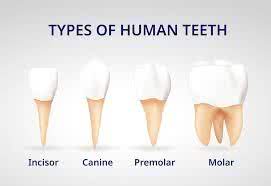
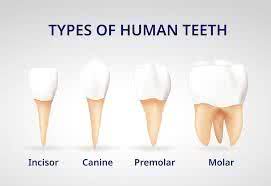
incisor

/ɪnˈsaɪ.zɚ/

(noun) incisive

Exemple:

The dentist examined her incisors for any signs of decay.
Le dentiste a examiné ses incisives pour détecter tout signe de carie.

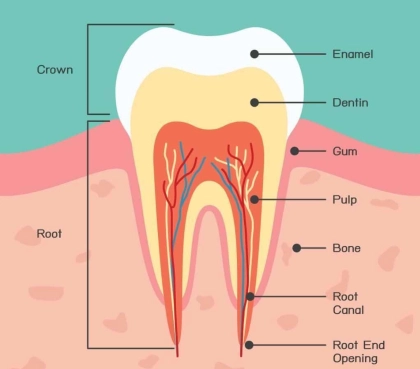
enamel

/ɪˈnæm.əl/

(noun) émail, émail dentaire;

(verb) émailler

Exemple:
The old bathtub had a chipped enamel finish.
L'ancienne baignoire avait une finition en émail ébréchée.

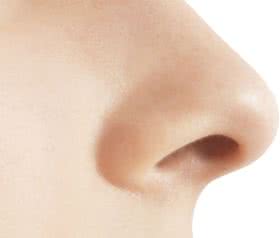
nostril

/ˈnɑː.strəl/

(noun) narine

Exemple:

He flared his nostrils in anger.
Il a dilaté ses narines de colère.

nasal

/ˈneɪ.zəl/

(adjective) nasal, son nasal;

(noun) nasale, consonne nasale

Exemple:
She has a slight nasal voice.
Elle a une légère voix nasale.

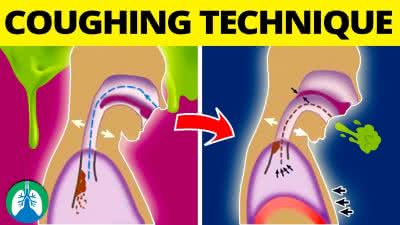
phlegm

/flem/

(noun) phlegme, crachat, calme

Exemple:

He coughed up some phlegm after a long night.
Il a craché du phlegme après une longue nuit.

scalp

/skælp/

(noun) cuir chevelu;

(verb) scalper, revendre à la sauvette, faire du marché noir

Exemple:

He scratched his scalp due to an itch.
Il s'est gratté le cuir chevelu à cause d'une démangeaison.

sinus

/ˈsaɪ.nəs/

(noun) sinus, courbe sinusoïdale

Exemple:
I have a terrible headache due to my inflamed sinuses.
J'ai un terrible mal de tête à cause de mes sinus enflammés.

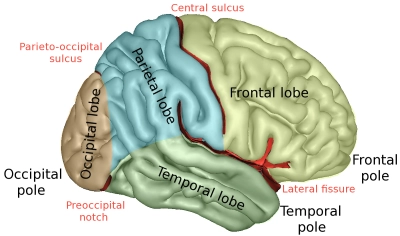
lobe

/loʊb/

(noun) lobe, lobe de l'oreille

Exemple:
The frontal lobe is involved in planning and decision-making.
Le lobe frontal est impliqué dans la planification et la prise de décision.

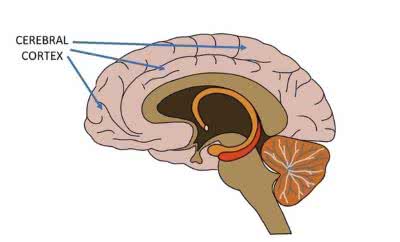
cortex

/ˈkɔːr.teks/

(noun) cortex, cortex cérébral, couche externe

Exemple:

The frontal lobe of the cerebral cortex is involved in planning and decision-making.
Le lobe frontal du cortex cérébral est impliqué dans la planification et la prise de décision.

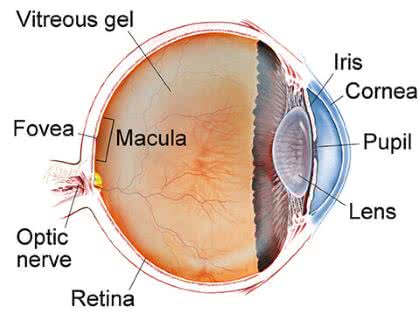
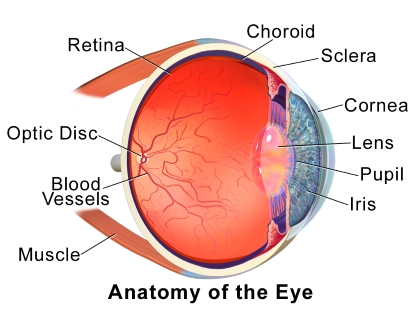
pupil

/ˈpjuː.pəl/

(noun) élève, écolier, pupille

Exemple:

The teacher praised the pupil for her excellent work.
Le professeur a félicité l'élève pour son excellent travail.

iris

/ˈaɪ.rɪs/

(noun) iris

Exemple:

Her blue iris sparkled in the sunlight.
Son iris bleu scintillait au soleil.

retina

/ˈret.ən.ə/

(noun) rétine

Exemple:

Light rays focus on the retina at the back of the eye.
Les rayons lumineux se concentrent sur la rétine à l'arrière de l'œil.

cornea

/ˈkɔːr.ni.ə/

(noun) cornée

Exemple:

The doctor examined the patient's cornea for scratches.
Le médecin a examiné la cornée du patient à la recherche de rayures.

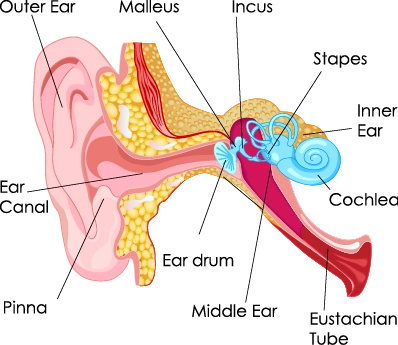
eardrum

/ˈɪr.drʌm/

(noun) tympan

Exemple:

Loud noises can damage your eardrum.
Les bruits forts peuvent endommager votre tympan.

trunk

/trʌŋk/

(noun) tronc, trompe, malle

Exemple:

The elephant rubbed its back against the rough trunk of the tree.
L'éléphant frotta son dos contre le tronc rugueux de l'arbre.

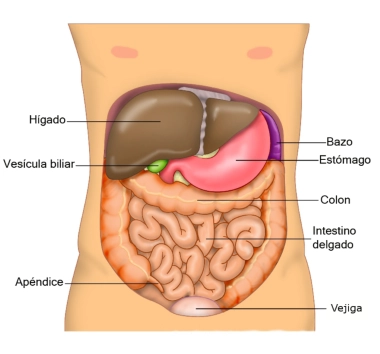
abdomen

/ˈæb.də.mən/

(noun) abdomen, ventre

Exemple:

He felt a sharp pain in his abdomen.
Il a ressenti une douleur aiguë dans son abdomen.

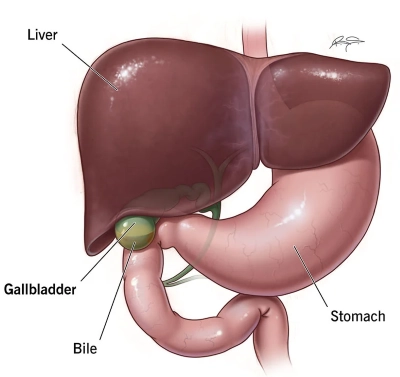
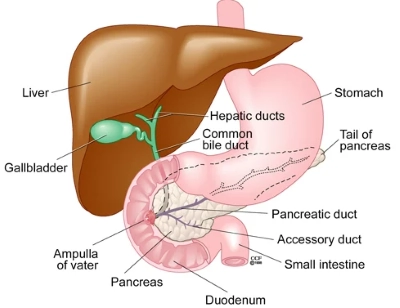
bile

/baɪl/

(noun) bile, colère

Exemple:

The liver produces bile to help break down fats.
Le foie produit de la bile pour aider à décomposer les graisses.

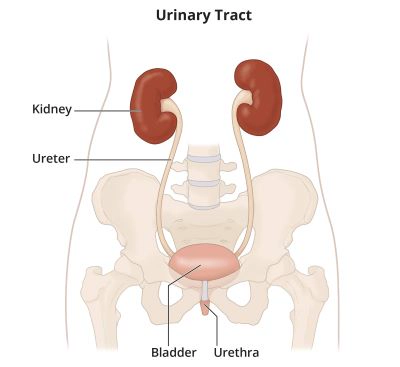
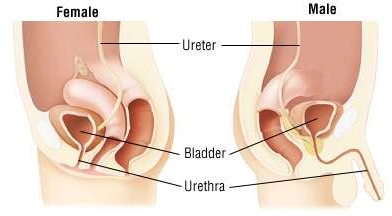
bladder

/ˈblæd.ɚ/

(noun) vessie, sac gonflable

Exemple:
The doctor examined the patient's bladder.
Le médecin a examiné la vessie du patient.

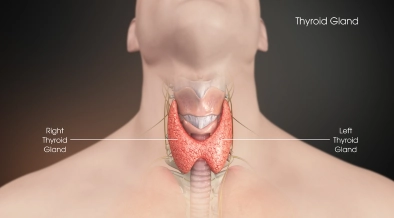
gland

/ɡlænd/

(noun) glande

Exemple:

The thyroid gland regulates metabolism.
La glande thyroïde régule le métabolisme.

pancreas

/ˈpæŋ.kri.əs/

(noun) pancréas

Exemple:

The pancreas plays a vital role in digestion and blood sugar regulation.
Le pancréas joue un rôle vital dans la digestion et la régulation de la glycémie.

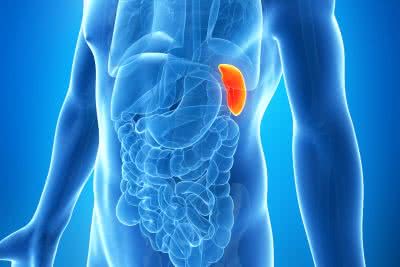
spleen

/spliːn/

(noun) rate, colère, malice

Exemple:

The doctor examined his spleen for any abnormalities.
Le médecin a examiné sa rate pour détecter toute anomalie.

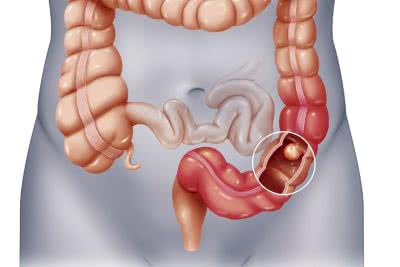
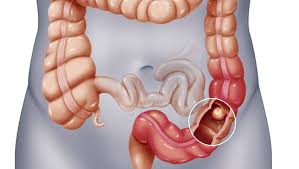
colon

/ˈkoʊ.lən/

(noun) deux-points, côlon, gros intestin

Exemple:
The recipe requires the following ingredients: flour, sugar, and eggs.
La recette demande les ingrédients suivants: farine, sucre et œufs.

bowel

/ˈbaʊ.əl/

(noun) intestin, boyau

Exemple:

The doctor examined his bowel for any abnormalities.
Le médecin a examiné son intestin à la recherche d'anomalies.

pelvis

/ˈpel.vɪs/

(noun) bassin

Exemple:

The doctor examined the patient's pelvis for any fractures.
Le médecin a examiné le bassin du patient pour détecter d'éventuelles fractures.

womb

/wuːm/

(noun) utérus, matrice, berceau

Exemple:
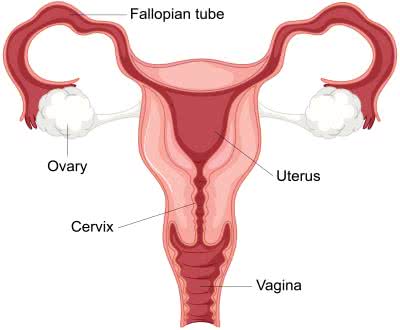
The baby developed safely in the mother's womb.
Le bébé s'est développé en toute sécurité dans l'utérus de la mère.

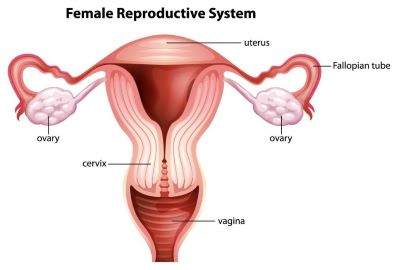
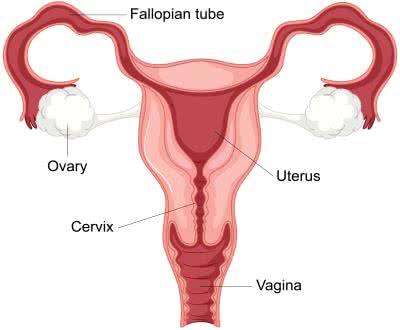
cervix

/ˈsɝː.vɪks/

(noun) col de l'utérus

Exemple:

During childbirth, the cervix dilates to allow the baby to pass through.
Pendant l'accouchement, le col de l'utérus se dilate pour permettre au bébé de passer.

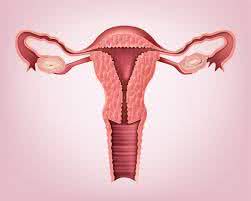
uterus

/ˈjuː.t̬ɚ.əs/

(noun) utérus

Exemple:

The baby develops inside the mother's uterus.
Le bébé se développe à l'intérieur de l'utérus de la mère.

ovary

/ˈoʊ.vər.i/

(noun) ovaire, ovaire (botanique)

Exemple:
The doctor explained the function of the ovary.
Le médecin a expliqué la fonction de l'ovaire.

urethra

/jʊˈriː.θrə/

(noun) urètre

Exemple:

The doctor explained the function of the urethra.
Le médecin a expliqué la fonction de l'urètre.

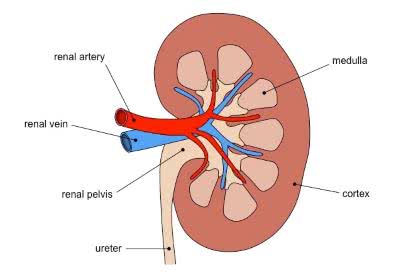
renal

/ˈriː.nəl/

(adjective) rénal

Exemple:

The patient is suffering from chronic renal failure.
Le patient souffre d'insuffisance rénale chronique.

intestinal

/ˌɪnˈtes.tɪn.əl/

(adjective) intestinal

Exemple:

The doctor diagnosed an intestinal infection.
Le médecin a diagnostiqué une infection intestinale.

canine

/ˈkeɪ.naɪn/

(adjective) canin;

(noun) canidé, chien, canine

Exemple:
The veterinarian specializes in canine health.
Le vétérinaire est spécialisé dans la santé canine.

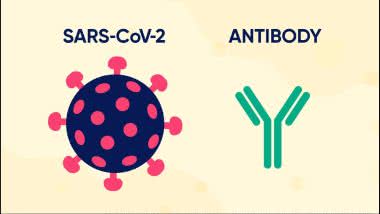
antibody

/ˈæn.t̬iˌbɑː.di/

(noun) anticorps

Exemple:

The vaccine stimulates the production of antibodies.
Le vaccin stimule la production d'anticorps.

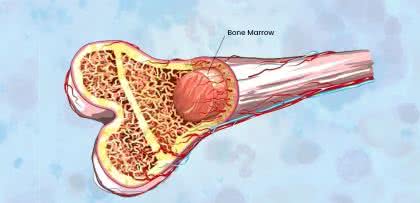
bone marrow

/ˈboʊn ˌmer.oʊ/

(noun) moelle osseuse

Exemple:

The doctor explained that bone marrow is essential for producing blood cells.
Le médecin a expliqué que la moelle osseuse est essentielle pour la production de cellules sanguines.
Apprendre cet ensemble de vocabulaire sur Lingoland