Avatar of Vocabulary Set 사람들

SAT 인문학 관련 어휘 내 사람들 어휘 세트: 완전하고 상세한 목록

'SAT 인문학 관련 어휘' 내 '사람들' 어휘 세트는 국제 표준 교재 출처에서 엄선되어 짧은 시간 안에 어휘를 마스터할 수 있도록 도와줍니다. 정의, 예문, 표준 발음을 완벽하게 수록...

Lingoland에서 이 어휘 세트 학습하기

지금 학습하기

contact

/ˈkɑːn.tækt/

(noun) 접촉, 연락, 연락처;

(verb) 연락하다, 접촉하다, 닿다

예시:

Please keep in contact with us.
저희와 연락을 유지해 주세요.

acquaintance

/əˈkweɪn.təns/

(noun) 지인, 아는 사람, 지식

예시:

She introduced me to an old acquaintance from college.
그녀는 나를 대학 시절의 오랜 지인에게 소개했다.

prodigy

/ˈprɑː.də.dʒi/

(noun) 신동, 천재, 경이

예시:

The young pianist was a musical prodigy.
그 젊은 피아니스트는 음악 신동이었다.

clairvoyant

/ˌklerˈvɔɪ.ənt/

(noun) 투시가, 천리안;

(adjective) 투시의, 예지력이 있는

예시:

She went to see a clairvoyant to ask about her future career.
그녀는 미래의 직업에 대해 묻기 위해 투시가를 찾아갔다.

buff

/bʌf/

(noun) 황갈색, 버프색, 광팬;

(verb) 닦다, 광내다, 강화하다;

(adjective) 근육질의, 탄탄한

예시:

The walls were painted a soft buff.
벽은 부드러운 황갈색으로 칠해져 있었다.

luminary

/ˈluː.mə.ner.i/

(noun) 권위자, 명사, 발광체

예시:

The conference was attended by several luminaries in the field of physics.
그 컨퍼런스에는 물리학 분야의 여러 권위자들이 참석했다.

buffoon

/bəˈfuːn/

(noun) 익살꾼, 광대, 바보

예시:

The director was tired of the actor acting like a buffoon on set.
감독은 배우가 촬영장에서 익살꾼처럼 행동하는 것에 질렸다.

vagabond

/ˈvæɡ.ə.bɑːnd/

(noun) 방랑자, 부랑자;

(adjective) 방랑하는, 떠도는

예시:

He spent his youth as a vagabond, traveling across Europe with nothing but a backpack.
그는 배낭 하나만 메고 유럽 전역을 여행하며 방랑자로 젊은 시절을 보냈다.

poacher

/ˈpoʊ.tʃɚ/

(noun) 밀렵꾼, 찜기, 수란기

예시:

The game warden caught a poacher setting traps in the national park.
산림 감시원이 국립공원에서 덫을 놓는 밀렵꾼을 잡았다.

amateur

/ˈæm.ə.tʃɚ/

(noun) 아마추어, 비전문가, 서투른;

(adjective) 아마추어의, 비전문적인, 서투른

예시:

He's an amateur photographer, but his photos are stunning.
그는 아마추어 사진작가지만, 그의 사진은 놀랍다.

smuggler

/ˈsmʌɡ.lɚ/

(noun) 밀수업자, 밀입국 주선자

예시:

The smuggler was caught at the border with illegal goods.
밀수업자는 불법 물품을 가지고 국경에서 잡혔다.

homemaker

/ˈhoʊmˌmeɪ.kɚ/

(noun) 주부, 가정주부

예시:

She decided to become a full-time homemaker after the birth of her child.
그녀는 아이가 태어난 후 전업 주부가 되기로 결정했다.

invalid

/ɪnˈvæl.ɪd/

(noun) 환자, 병약자;

(adjective) 유효하지 않은, 무효의, 타당하지 않은

예시:

The nurse helped the invalid to sit up in bed.
간호사는 환자가 침대에 앉도록 도왔다.

explorer

/ɪkˈsplɔːr.ɚ/

(noun) 탐험가, 탐색가, 탐색기

예시:

Ferdinand Magellan was a famous Portuguese explorer.
페르디난드 마젤란은 유명한 포르투갈 탐험가였다.

missionary

/ˈmɪʃ.er.i/

(noun) 선교사;

(adjective) 선교의

예시:

The missionary dedicated her life to helping the poor in Africa.
선교사는 아프리카의 가난한 사람들을 돕는 데 평생을 바쳤다.

posterity

/pɑːˈster.ə.t̬i/

(noun) 후세, 자손

예시:

We must preserve these natural resources for posterity.
우리는 후세를 위해 이 천연자원들을 보존해야 한다.

cohort

/ˈkoʊ.hɔːrt/

(noun) 코호트, 집단, 동료

예시:

The study followed a cohort of students from their freshman year to graduation.
이 연구는 신입생부터 졸업까지의 학생 집단을 추적했다.

elite

/iˈliːt/

(noun) 엘리트, 정예;

(adjective) 엘리트의, 고급의

예시:

The country is governed by a small elite.
그 나라는 소수의 엘리트에 의해 통치된다.

surrogate

/ˈsɝː.ə.ɡət/

(noun) 대리인, 대용품, 대체물;

(adjective) 대리의, 대용의;

(verb) 대리하다, 대신하다

예시:
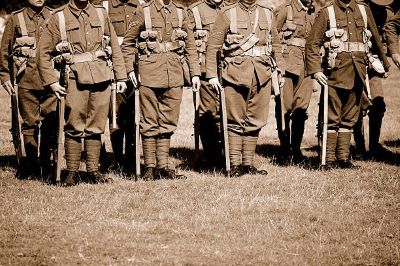
The vice president acted as a surrogate for the ailing president.
부통령은 병든 대통령의 대리인 역할을 했다.

regiment

/ˈredʒ.ə.mənt/

(noun) 연대;

(verb) 연대로 편성하다, 규율하다

예시:

The entire regiment was deployed to the front lines.
연대가 최전선에 배치되었다.

garrison

/ˈɡer.ə.sən/

(noun) 수비대, 주둔군, 주둔지;

(verb) 주둔시키다, 수비하다

예시:
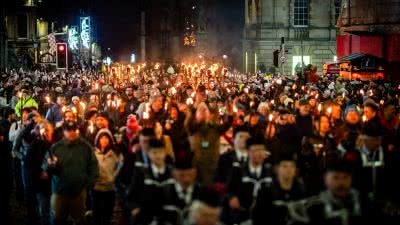
The garrison was prepared for a long siege.
수비대는 긴 포위 공격에 대비했다.

procession

/prəˈseʃ.ən/

(noun) 행렬, 행진, 연속

예시:

The wedding procession moved slowly down the aisle.
결혼 행렬이 통로를 따라 천천히 움직였다.

line-up

/ˈlaɪn.ʌp/

(noun) 라인업, 출연진, 선수 명단

예시:

The festival's line-up includes several famous bands.
페스티벌의 라인업에는 여러 유명 밴드가 포함되어 있다.

masses

/ˈmæs·ɪz/

(plural noun) 대중, 일반 사람들

예시:

The government should listen to the voice of the masses.
정부는 대중의 목소리에 귀 기울여야 한다.

folks

/foʊks/

(plural noun) 여러분, 사람들, 부모님

예시:

Hello, folks! Welcome to our show.
안녕하세요, 여러분! 저희 쇼에 오신 것을 환영합니다.

quorum

/ˈkwɔːr.əm/

(noun) 정족수, 의사정족수

예시:

The meeting was postponed because there was no quorum.
정족수가 없어서 회의가 연기되었다.

cavalcade

/ˌkæv.əlˈkeɪd/

(noun) 행렬, 말 탄 사람들의 무리, 연속

예시:

The royal cavalcade moved slowly through the crowded streets.
왕실 행렬이 붐비는 거리를 천천히 통과했다.

pseudonym

/ˈsuː.də.nɪm/

(noun) 필명, 가명

예시:

Mark Twain was the pseudonym of Samuel Langhorne Clemens.
마크 트웨인은 새뮤얼 랭혼 클레먼스의 필명이었습니다.

moniker

/ˈmɑː.nɪ.kɚ/

(noun) 별명, 이름

예시:

He earned the moniker 'The King of Rock and Roll'.
그는 '록앤롤의 왕'이라는 별명을 얻었다.

anonymous

/əˈnɑː.nə.məs/

(adjective) 익명의, 무명의, 개성 없는

예시:

The donation was made by an anonymous donor.
기부는 익명의 기부자에 의해 이루어졌다.

possessed

/pəˈzest/

(adjective) 빙의된, 홀린, 소유된;

(past participle) 사로잡힌, 소유된

예시:

The old house was rumored to be haunted by a possessed doll.
그 낡은 집은 빙의된 인형에 의해 유령이 나온다고 소문이 났다.

juvenile

/ˈdʒuː.və.nəl/

(noun) 청소년, 미성년자;

(adjective) 청소년의, 어린이의, 유치한

예시:

The court deals with both adult and juvenile offenders.
법원은 성인 범죄자와 청소년 범죄자 모두를 다룬다.

swashbuckling

/ˈswɑːʃˌbʌk.lɪŋ/

(adjective) 호탕한, 모험적인, 용감한

예시:

The movie featured a swashbuckling hero who saved the day.
그 영화는 하루를 구한 호탕한 영웅을 다루었다.

renowned

/rɪˈnaʊnd/

(adjective) 유명한, 명성 있는

예시:

She is a renowned expert in her field.
그녀는 자신의 분야에서 유명한 전문가이다.

dub

/dʌb/

(verb) 별명을 붙이다, 부르다, 더빙하다;

(noun) 덥 (음악 장르)

예시:

They decided to dub him 'The Rocket' because of his speed.
그들은 그의 속도 때문에 그를 '로켓'이라고 별명을 붙이기로 결정했다.

flush

/flʌʃ/

(verb) 붉어지다, 상기되다, 내리다;

(noun) 홍조, 붉어짐, 물 내림;

(adjective) 수평의, 평평한

예시:

She flushed with embarrassment when he complimented her.
그가 칭찬하자 그녀는 부끄러워 얼굴이 붉어졌다.

gawk

/ɡɑːk/

(verb) 멍하니 쳐다보다, 얼빠진 듯이 보다

예시:

Don't just stand there and gawk at me.
거기 서서 나를 멍하니 쳐다보지 마.

populate

/ˈpɑː.pjə.leɪt/

(verb) 거주하다, 서식하다, 채우다

예시:

The island is populated by rare species of birds.
그 섬에는 희귀한 새들이 서식하고 있다.

mediate

/ˈmiː.di.eɪt/

(verb) 중재하다, 조정하다, 중재하여 이루다

예시:

The UN was asked to mediate in the conflict.
유엔은 분쟁을 중재해달라는 요청을 받았다.

tinker

/ˈtɪŋ.kɚ/

(verb) 만지작거리다, 조금씩 손보다;

(noun) 땜장이, 수선공

예시:

He spent the whole afternoon tinkering with his old car engine.
그는 오후 내내 낡은 자동차 엔진을 만지작거리며 보냈다.

waive

/weɪv/

(verb) 포기하다, 면제하다

예시:

He decided to waive his right to an attorney.
그는 변호사를 선임할 권리를 포기하기로 결정했다.

inherit

/ɪnˈher.ɪt/

(verb) 상속받다, 유전되다, 물려받다

예시:

She inherited a fortune from her grandmother.
그녀는 할머니로부터 재산을 상속받았다.

conduct

/kənˈdʌkt/

(noun) 행동, 진행, 관리;

(verb) 수행하다, 진행하다, 지휘하다

예시:

The conduct of the meeting was very professional.
회의 진행은 매우 전문적이었다.

undertake

/ˌʌn.dɚˈteɪk/

(verb) 착수하다, 떠맡다, 수행하다

예시:

She decided to undertake the challenging project.
그녀는 도전적인 프로젝트를 착수하기로 결정했다.

don

/dɑːn/

(verb) 입다, 착용하다;

(noun) 대학 교수, 교수, 돈

예시:

He stopped to don his coat.
그는 코트를 입기 위해 멈췄다.

prattle

/ˈpræt̬.əl/

(verb) 재잘거리다, 지껄이다;

(noun) 재잘거림, 지껄임

예시:

She continued to prattle on about her vacation.
그녀는 계속 휴가에 대해 재잘거렸다.

woo

/wuː/

(verb) 유혹하다, 구애하다, 끌어들이다

예시:

He tried to woo her with flowers and chocolates.
그는 꽃과 초콜릿으로 그녀를 유혹하려 했다.

court

/kɔːrt/

(noun) 법원, 법정, 코트;

(verb) 유혹하다, 얻다

예시:

The suspect was brought before the court.
용의자는 법정에 끌려왔다.

accompany

/əˈkʌm.pə.ni/

(verb) 동반하다, 수행하다, 동반되다

예시:

The children were accompanied by their parents.
아이들은 부모님과 동반했다.
Lingoland에서 이 어휘 세트 학습하기