syllogism
US /ˈsɪl.ə.dʒɪ.zəm/
UK /ˈsɪl.ə.dʒɪ.zəm/
명사
삼단논법, 연역법
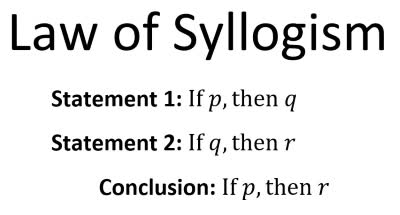
a form of reasoning in which a conclusion is drawn from two given or assumed propositions (premises), each of which shares a term with the conclusion, and one of which shares a common or middle term with the other premise, that is not present in the conclusion. A typical form is "All A are C; all B are A; therefore, all B are C."
예시:
•
The philosopher presented a complex syllogism to prove his point.
그 철학자는 자신의 주장을 증명하기 위해 복잡한 삼단논법을 제시했다.
•
Her argument was structured as a perfect syllogism, making it hard to refute.
그녀의 주장은 완벽한 삼단논법으로 구성되어 반박하기 어려웠다.