"if in February there be no rain, it is neither good for hay nor grain" 단어의 한국어 의미
"if in February there be no rain, it is neither good for hay nor grain"는 영어로 무엇을 의미하나요? Lingoland와 함께 이 단어의 의미, 발음 및 구체적인 사용법을 알아보세요
if in February there be no rain, it is neither good for hay nor grain
US /ɪf ɪn ˈfɛbjueri ðɛr bi noʊ reɪn, ɪt ɪz ˈniðər ɡʊd fɔr heɪ nɔr ɡreɪn/
UK /ɪf ɪn ˈfɛbruəri ðeə bi nəʊ reɪn, ɪt ɪz ˈnaɪðə ɡʊd fɔː heɪ nɔː ɡreɪn/
관용구
2월의 비는 풍년의 징조
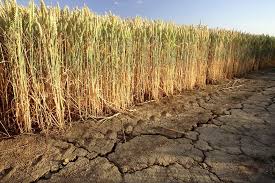
An old English proverb suggesting that rain in February is essential for a good harvest of hay and grain later in the year.
예시:
•
The farmers are worried about the drought because if in February there be no rain, it is neither good for hay nor grain.
농부들은 가뭄을 걱정하고 있는데, 2월에 비가 오지 않으면 건초나 곡물 모두에 좋지 않기 때문입니다.
•
My grandfather always said, 'If in February there be no rain, it is neither good for hay nor grain,' so he's happy to see the storms today.
우리 할아버지는 항상 '2월에 비가 오지 않으면 건초나 곡물 모두에 좋지 않다'고 말씀하셨기에, 오늘 폭풍이 치는 것을 보고 기뻐하십니다.