Avatar of Vocabulary Set 800ポイント

27日目 - 友人と株 内 800ポイント 語彙セット:完全かつ詳細なリスト

「27日目 - 友人と株」内の「800ポイント」語彙セットは国際標準教材から厳選され、短期間で語彙をマスターできます。定義、例文、標準発音を網羅…

Lingolandでこの語彙セットを学習

今すぐ学習

at one's disposal

/æt wʌnz dɪˈspoʊ.zəl/

(idiom) (人の)自由にできる, (人の)意のままになる

例:

I will be at your disposal if you need any help with the project.
プロジェクトで助けが必要なら、私はあなたの自由になります(いつでもお手伝いします)。

be reluctant to do

/bi rɪˈlʌk.tənt tu duː/

(phrase) 〜するのをためらう, 〜するのを嫌がる

例:

Many parents are reluctant to talk about their finances with their children.
多くの親は子供と自分たちの財政について話すのをためらっています

believe it or not

/bɪˈliːv ɪt ɔːr nɑːt/

(idiom) 信じられないかもしれないが, 信じようと信じまいと

例:

Believe it or not, I've never been to New York.
信じられないかもしれないが、私は一度もニューヨークに行ったことがない。

blame A on B

/bleɪm eɪ ɑːn biː/

(idiom) AをBのせいにする

例:

Don't blame your mistakes on others.
自分のミスを他人のせいにしないでください。

call an urgent meeting

/kɔːl æn ˈɜːrdʒənt ˈmiːtɪŋ/

(phrase) 緊急会議を招集する

例:

The CEO decided to call an urgent meeting to discuss the budget cuts.
CEOは予算削減について話し合うために緊急会議を招集することにした。

call for some assistance

/kɔːl fɔːr sʌm əˈsɪs.təns/

(phrase) 助けを求める, 援助を要請する

例:

If the situation worsens, we will have to call for some assistance.
状況が悪化すれば、助けを求める必要があるでしょう。

circumstances

/ˈsɜːr.kəm.stæn.sɪz/

(plural noun) 状況, 事情

例:

Under normal circumstances, we would have finished by now.
通常の状況であれば、今頃は終わっていたでしょう。

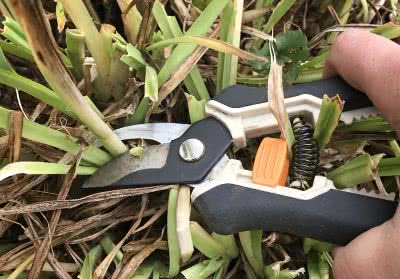
cut back

/kʌt bæk/

(phrasal verb) 削減する, 控える, 剪定する

例:

We need to cut back on expenses to save money.
お金を節約するために、出費を削減する必要があります。

emergency evacuation

/ɪˈmɜːr.dʒən.si ɪˌvæk.juˈeɪ.ʃən/

(noun) 緊急避難, 非常時の立ち退き

例:

The building was cleared quickly during the emergency evacuation.
緊急避難の際、建物は速やかに空にされました。

festive

/ˈfes.tɪv/

(adjective) お祭り気分, 祝祭の, 陽気な

例:

The city was decorated with festive lights for the holidays.
街は休日のためにお祭り気分のイルミネーションで飾られていた。

frustrate

/ˈfrʌs.treɪt/

(verb) 妨げる, 挫折させる, イライラさせる

例:

The bad weather frustrated our plans for a picnic.
悪天候がピクニックの計画を妨げた

get rid of

/ɡɛt rɪd əv/

(phrasal verb) 処分する, 取り除く, 追い払う

例:

I need to get rid of these old clothes.
これらの古い服を処分する必要がある。

give it a try

/ɡɪv ɪt ə traɪ/

(idiom) やってみる, 試してみる

例:

I've never played golf before, but I'm willing to give it a try.
ゴルフは一度もしたことがありませんが、やってみるつもりです。

have reason to do

/hæv ˈriː.zən tu duː/

(idiom) する理由がある, する根拠がある

例:

I have reason to believe that he is lying.
彼が嘘をついていると信じるに足る理由があります。

hazardous

/ˈhæz.ɚ.dəs/

(adjective) 危険な, 有害な

例:

Working with chemicals can be hazardous.
化学物質を扱うのは危険な場合があります。

in private

/ɪn ˈpraɪ.vət/

(phrase) 内密に, 二人きりで, 非公開で

例:

Can I speak to you in private for a moment?
少し二人きりでお話しできますか?

in the distant past

/ɪn ðə ˈdɪs.tənt pæst/

(phrase) 遠い昔に, はるか昔に

例:

Dinosaurs roamed the Earth in the distant past.
遠い昔、恐竜が地球を歩き回っていた。

intake

/ˈɪn.teɪk/

(noun) 摂取量, 取り込み, 取り入れ

例:

Reduce your daily intake of sugar.
砂糖の1日の摂取量を減らしてください。

leaky

/ˈliː.ki/

(adjective) 水漏れしている, 漏れやすい

例:

We need to fix the leaky faucet.
水漏れしている蛇口を直す必要があります。

look for

/lʊk fɔːr/

(phrasal verb) 探す, 捜す, 期待する

例:

I need to look for my keys; I can't find them anywhere.
鍵を探す必要があります。どこにも見つかりません。

organize a picnic

/ˈɔːr.ɡə.naɪz ə ˈpɪk.nɪk/

(collocation) ピクニックを計画する, ピクニックを準備する

例:

Let's organize a picnic by the lake this weekend.
今週末、湖のほとりでピクニックを計画しましょう

pair up with

/per ʌp wɪð/

(phrasal verb) と組む, とペアになる

例:

I'm going to pair up with Sarah for the science project.
科学のプロジェクトでサラと組むつもりです。

reflection

/rɪˈflek.ʃən/

(noun) 反射, 映り込み, 熟考

例:

The calm lake offered a perfect reflection of the mountains.
穏やかな湖は山の完璧な反射を提供した。

self-esteem

/ˌself ɪˈstiːm/

(noun) 自尊心, 自己肯定感

例:

Building a child's self-esteem is crucial for their development.
子供の自尊心を育むことは、彼らの発達にとって非常に重要です。

show off

/ʃoʊ ɑːf/

(phrasal verb) 見せびらかす, ひけらかす, 自慢する

例:

He's always showing off his new car.
彼はいつも新しい車を見せびらかしている。

sponsored by

/ˈspɑːn.sɚd baɪ/

(phrase) の提供で, がスポンサーの

例:

This charity event is sponsored by a local bank.
このチャリティーイベントは地元の銀行の提供でお送りします

stock market

/ˈstɑːk ˌmɑːr.kɪt/

(noun) 株式市場, 証券取引所

例:

The stock market closed higher today.
今日の株式市場は高値で引けた。

supporting

/səˈpɔːr.t̬ɪŋ/

(adjective) 支える, 支援する, 支持する;

(noun) 支援, 支持;

(verb) 支援する, 支持する

例:

She has always been a supporting friend.
彼女はいつも支えとなる友人だった。

tear

/ter/

(verb) 破る, 引き裂く, 穴を開ける;

(noun)

例:

She accidentally tore the letter in half.
彼女は誤って手紙を半分に破ってしまった。

unconditionally

/ˌʌn.kənˈdɪʃ.ən.əl.i/

(adverb) 無条件に

例:

Parents usually love their children unconditionally.
親は通常、子供を無条件に愛します。

abundantly

/əˈbʌn.dənt.li/

(adverb) 豊富に, たくさん, 十分に

例:

The garden produced fruit abundantly this year.
庭は今年、果物を豊富に生産した。

additionally

/əˈdɪʃ.ən.əl.i/

(adverb) さらに, 加えて

例:

Additionally, we need to consider the environmental impact.
さらに、環境への影響も考慮する必要があります。

ambitious

/æmˈbɪʃ.əs/

(adjective) 野心的な, 意欲的な, 困難な

例:

She is an ambitious young lawyer.
彼女は野心的な若い弁護士です。

cautiously

/ˈkɑː.ʃəs.li/

(adverb) 慎重に, 用心深く

例:

She opened the door cautiously, peering out.
彼女は慎重にドアを開け、外を覗いた。

considerate

/kənˈsɪd.ɚ.ət/

(adjective) 思いやりがある, 配慮がある, 親切な

例:

It was very considerate of you to offer me a ride.
私に車に乗せてくれるなんて、とても思いやりがあるね。

consultation

/ˌkɑːn.sʌlˈteɪ.ʃən/

(noun) 相談, 協議, 診察

例:

The doctor held a consultation with the patient's family.
医師は患者の家族と相談を行った。

effectively

/əˈfek.tɪv.li/

(adverb) 効果的に, 効率的に, 事実上

例:

She managed to complete the task effectively and on time.
彼女はタスクを効果的に、そして時間通りに完了することができた。

favored

/ˈfeɪ.vɚd/

(adjective) お気に入りの, 優勝候補の, 持っている

例:

She was always the favored child.
彼女はいつもお気に入りの子供だった。

impractical

/ɪmˈpræk.tɪ.kəl/

(adjective) 非実用的な, 非現実的な

例:

His idea of building a house with no walls was completely impractical.
壁のない家を建てるという彼の考えは、全く非現実的だった。

improper

/ɪmˈprɑː.pɚ/

(adjective) 不適切な, 不作法な, 間違った

例:

It's considered improper to wear a hat indoors during a formal event.
フォーマルなイベント中に屋内で帽子をかぶるのは不適切とされています。

insecure

/ˌɪn.səˈkjʊr/

(adjective) 不安な, 自信がない, 不安定な

例:

She felt insecure about her appearance.
彼女は自分の外見に不安を感じていた。

insecurely

/ˌɪn.sɪˈkjʊr.li/

(adverb) 不安定に, 不十分に, 自信なさげに

例:

The heavy mirror was hanging insecurely on the wall.
重い鏡が壁に不安定に掛かっていた。

justify

/ˈdʒʌs.tə.faɪ/

(verb) 正当化する, 弁明する

例:

The end does not always justify the means.
目的は常に手段を正当化するわけではない。

reduced

/rɪˈduːst/

(adjective) 削減された, 縮小された, 割引された;

(verb) 削減した, 縮小した, 減らした

例:

The store is offering reduced prices on all electronics.
その店はすべての電化製品に割引価格を提供しています。

reluctance

/rɪˈlʌk.təns/

(noun) ためらい, 不本意, 嫌気

例:

There was a noticeable reluctance on his part to discuss the matter.
彼にはその件について話し合うことに明らかなためらいがあった。

reviewer

/rɪˈvjuː.ɚ/

(noun) 評論家, 批評家, 審査員

例:

The film reviewer praised the director's latest work.
映画評論家は監督の最新作を絶賛した。

take pride in

/teɪk praɪd ɪn/

(idiom) 誇りに思う, 自慢する

例:

She takes pride in her work and always delivers high-quality results.
彼女は自分の仕事に誇りを持っており、常に質の高い結果を出します。

threaten

/ˈθret.ən/

(verb) 脅す, 脅迫する, 脅かす

例:

He threatened to report them to the police.
彼は警察に通報すると脅した

venture

/ˈven.tʃɚ/

(noun) ベンチャー, 冒険, 事業;

(verb) 思い切ってする, 冒険する, あえて言う

例:

Their latest business venture failed.
彼らの最新のビジネスベンチャーは失敗した。

branch office

/bræntʃ ˈɑː.fɪs/

(noun) 支店, 営業所

例:

The bank is opening a new branch office in the city center.
その銀行は市街地に新しい支店を開設する予定だ。

confusion

/kənˈfjuː.ʒən/

(noun) 混乱, 困惑, 混同

例:

There was a lot of confusion about the new rules.
新しい規則について多くの混乱があった。

controversy

/ˈkɑːn.trə.vɝː.si/

(noun) 論争, 議論, 物議

例:

The new policy sparked a huge controversy.
新しい政策は大きな論争を巻き起こした。

cost analysis

/kɑːst əˈnæl.ə.sɪs/

(noun) コスト分析, 費用分析

例:

The company conducted a thorough cost analysis before launching the new product.
会社は新製品を発売する前に徹底的なコスト分析を行いました。

faintly

/ˈfeɪnt.li/

(adverb) かすかに, ぼんやりと, うっすらと

例:

She smiled faintly, as if remembering something pleasant.
彼女は何か楽しいことを思い出しているかのように、かすかに微笑んだ。

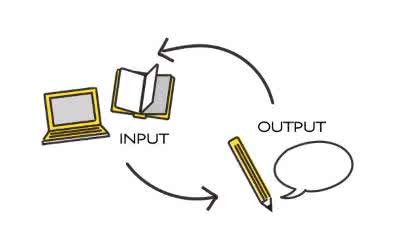
input

/ˈɪn.pʊt/

(noun) 入力, 意見, 情報;

(verb) 入力する, 投入する

例:

The computer requires user input to start the program.
コンピューターはプログラムを開始するためにユーザーの入力を必要とします。

investor

/ɪnˈves.t̬ɚ/

(noun) 投資家

例:

She is a long-term investor in the stock market.
彼女は株式市場の長期投資家です。

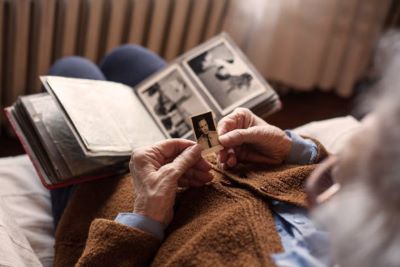
legacy

/ˈleɡ.ə.si/

(noun) 遺産, 遺贈, 遺物

例:

She received a substantial legacy from her grandmother.
彼女は祖母から多額の遺産を受け取った。

meet the expenses

/miːt ði ɪkˈspensɪz/

(idiom) 費用を賄う, 費用を支払う

例:

The scholarship was enough to meet the expenses of his tuition.
奨学金は彼の授業料の費用を賄うのに十分だった。

on a regular basis

/ɑn ə ˈrɛɡjələr ˈbeɪsɪs/

(phrase) 定期的に, 規則正しく

例:

You should exercise on a regular basis to stay healthy.
健康を維持するために、定期的に運動すべきです。

on one's own account

/ɑn wʌnz oʊn əˈkaʊnt/

(idiom) 独力で, 自分の責任で, 自らの勘定で

例:

After years of working for others, she decided to start a business on her own account.
他人のために何年も働いた後、彼女は自らの勘定でビジネスを始めることにした。

pioneer

/ˌpaɪəˈnɪr/

(noun) 開拓者, 先駆者;

(verb) 開拓する, 先駆ける

例:

The early pioneers faced many hardships on their journey west.
初期の開拓者たちは西への旅で多くの困難に直面した。

projected

/prəˈdʒek.tɪd/

(adjective) 予測された, 推定された, 突き出た

例:

The projected sales for next quarter are very promising.
来四半期の予測売上は非常に有望です。

re-examine

/ˌriː.ɪɡˈzæm.ɪn/

(verb) 再検討する, 再調査する

例:

We need to re-examine the evidence before making a decision.
決定を下す前に、証拠を再検討する必要があります。

repetitive

/rɪˈpet̬.ə.t̬ɪv/

(adjective) 反復的な, 繰り返しの, 単調な

例:

The work was so repetitive that I quickly got bored.
その仕事はとても反復的で、すぐに飽きてしまった。

set up a business

/sɛt ʌp ə ˈbɪznəs/

(phrase) 起業する, ビジネスを立ち上げる

例:

She decided to set up a business selling handmade jewelry.
彼女は手作りジュエリーを販売するビジネスを立ち上げることに決めた。

strength

/streŋθ/

(noun) 力, 強さ, 強度

例:

He lifted the heavy box with surprising strength.
彼は驚くべきで重い箱を持ち上げた。

take precautions

/teɪk prɪˈkɔː.ʃənz/

(phrase) 予防策を講じる, 用心する

例:

You should take precautions against the cold before going out.
外出する前に寒さに対して予防策を講じるべきです。

throw out

/θroʊ aʊt/

(phrasal verb) 捨てる, 廃棄する, 追い出す

例:

Please throw out the old newspapers.
古い新聞を捨ててください。
Lingolandでこの語彙セットを学習