Avatar of Vocabulary Set 800ポイント

9日目 - 経済の再生 内 800ポイント 語彙セット:完全かつ詳細なリスト

「9日目 - 経済の再生」内の「800ポイント」語彙セットは国際標準教材から厳選され、短期間で語彙をマスターできます。定義、例文、標準発音を網羅…

Lingolandでこの語彙セットを学習

今すぐ学習

blueprint

/ˈbluː.prɪnt/

(noun) 設計図, 青写真, 計画;

(verb) 青写真にする, 設計する

例:

The architect presented the blueprint for the new building.
建築家は新しい建物の設計図を提示した。

business deal

/ˈbɪz.nəs diːl/

(noun) ビジネス取引, 商談

例:

The two companies finally signed a major business deal yesterday.
両社は昨日、ついに大きなビジネス取引に署名しました。

family-run

/ˈfæm.ə.li rʌn/

(adjective) 家族経営の, 家族が運営する

例:

They operate a small family-run restaurant.
彼らは小さな家族経営のレストランを経営している。

fluctuation

/ˌflʌk.tʃuˈeɪ.ʃən/

(noun) 変動, 動揺, 上下

例:

We've seen some significant fluctuations in the stock market recently.
最近、株式市場でかなりの変動が見られました。

for business

/fɔːr ˈbɪznəs/

(phrase) 仕事で, 営業のために

例:

I am traveling to London for business.
仕事でロンドンへ行きます。

foreign trade

/ˈfɔːr.ən treɪd/

(noun) 外国貿易, 国際貿易

例:

The government is keen to promote foreign trade.
政府は外国貿易の促進に熱心です。

go into business

/ɡoʊ ˈɪn.tuː ˈbɪz.nɪs/

(idiom) 商売を始める, 実業界に入る

例:

After years of working for others, she decided to go into business for herself.
他人の下で何年も働いた後、彼女は自分で商売を始めることにした。

go out of business

/ɡoʊ aʊt əv ˈbɪz.nɪs/

(phrase) 廃業する, 倒産する

例:

Many small shops had to go out of business during the recession.
不況の間、多くの小規模店舗が廃業せざるを得なかった。

mutual

/ˈmjuː.tʃu.əl/

(adjective) 相互の, 共通の

例:

Their respect for each other was mutual.
彼らのお互いへの尊敬は相互的だった。

nationwide

/ˌneɪ.ʃənˈwaɪd/

(adjective) 全国的な, 全国規模の;

(adverb) 全国的に, 全国で

例:

The company launched a nationwide advertising campaign.
その会社は全国的な広告キャンペーンを開始した。

need monitoring

/niːd ˈmɑː.nə.t̬ɚ.ɪŋ/

(phrase) 監視が必要, モニタリングを要する

例:

The patient's heart rate will need monitoring throughout the night.
患者の心拍数は一晩中監視が必要です。

neighboring

/ˈneɪ.bər.ɪŋ/

(adjective) 隣接する, 近隣の

例:

Our neighboring country has a similar culture.
私たちの隣国は似た文化を持っています。

real estate sale

/ˈriːl əˌsteɪt seɪl/

(noun) 不動産売却, 不動産販売

例:

The real estate sale was finalized after months of negotiation.
数ヶ月にわたる交渉の末、その不動産売却は完了した。

recession

/rɪˈseʃ.ən/

(noun) 景気後退, 不況, 後退

例:

The country is currently experiencing a deep recession.
その国は現在、深刻な景気後退を経験している。

relieve pain

/rɪˈliːv peɪn/

(collocation) 痛みを和らげる, 痛みを軽減する

例:

This medication can help to relieve pain quickly.
この薬は痛みを素早く和らげるのに役立ちます。

role model

/ˈroʊl ˌmɑː.dəl/

(noun) ロールモデル, 模範

例:

She became a role model for young women in science.
彼女は科学分野の若い女性たちのロールモデルとなった。

session

/ˈseʃ.ən/

(noun) セッション, 会合, 会期

例:

The training session lasted for two hours.
トレーニングセッションは2時間続いた。

unplug

/ʌnˈplʌɡ/

(verb) プラグを抜く, 電源を切る, 詰まりを取る

例:

Remember to unplug the toaster after use.
使用後はトースターのプラグを抜くのを忘れないでください。

worsen

/ˈwɝː.sən/

(verb) 悪化する, 悪くする

例:

His condition began to worsen after he stopped taking his medication.
彼が薬の服用をやめてから、容態が悪化し始めた。

accumulation

/əˌkjuː.mjəˈleɪ.ʃən/

(noun) 蓄積, 累積, 堆積物

例:

The accumulation of dust on the shelves was noticeable.
棚の上のほこりの蓄積が目立った。

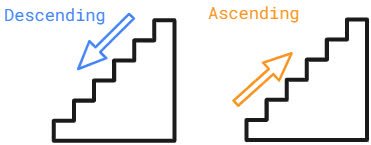
ascend

/əˈsend/

(verb) 上がる, 上昇する, 就く

例:

The path began to ascend steeply.
道は急に上り始めた。

commerce

/ˈkɑː.mɝːs/

(noun) 商業, 貿易

例:

International commerce has increased significantly.
国際商業は著しく増加した。

indifferent

/ɪnˈdɪf.ɚ.ənt/

(adjective) 無関心な, どうでもよい, 平凡な

例:

She was indifferent to his pleas for help.
彼女は彼の助けを求める声に無関心だった。

prolong

/prəˈlɑːŋ/

(verb) 長引かせる, 延長する

例:

The doctor advised him to rest to prolong his life.
医者は彼に寿命を延ばすために休むように忠告した。

relevantly

/ˈrel.ə.vənt.li/

(adverb) 関連して, 適切に

例:

The speaker relevantly pointed out the flaws in the current system.
話し手は現在のシステムの欠陥を関連性を持って指摘した。

stimulate

/ˈstɪm.jə.leɪt/

(verb) 刺激する, 促進する, 活性化する

例:

The government plans to introduce measures to stimulate the economy.
政府は経済を刺激するための措置を導入する予定です。

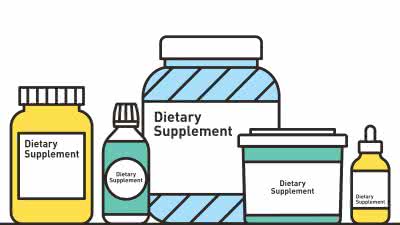
supplement

/ˈsʌp.lə.mənt/

(noun) サプリメント, 補足, 付録;

(verb) 補う, 追加する

例:

The vitamin C is a good supplement to your diet.
ビタミンCはあなたの食事の良いサプリメントです。

tedious

/ˈtiː.di.əs/

(adjective) 退屈な, うんざりする, 骨の折れる

例:

The work was tedious and repetitive.
その仕事は退屈で繰り返しだった。

unavoidable

/ˌʌn.əˈvɔɪ.də.bəl/

(adjective) 避けられない, 不可避の

例:

Due to unavoidable circumstances, the meeting has been canceled.
避けられない事情により、会議は中止されました。

be related to

/bi rɪˈleɪtɪd tu/

(phrase) に関連している, と親戚である

例:

The rise in prices is directly related to the shortage of oil.
価格の上昇は石油不足に直接関係しています

bring in

/brɪŋ ɪn/

(phrasal verb) 導入する, 持ち込む, もたらす

例:

The government plans to bring in new regulations next year.
政府は来年、新しい規制を導入する予定です。

brokerage

/ˈbroʊ.kər.ɪdʒ/

(noun) 仲介業, 仲介手数料, 証券会社

例:

He paid a substantial brokerage fee for the stock transaction.
彼は株式取引に多額の仲介手数料を支払った。

business management

/ˈbɪz.nəs ˈmæn.ɪdʒ.mənt/

(noun) 経営学, 経営管理

例:

She decided to major in business management at university.
彼女は大学で経営学を専攻することに決めた。

business practice

/ˈbɪz.nɪs ˌpræk.tɪs/

(noun) ビジネス慣行, 商習慣

例:

The company was criticized for its unethical business practices.
その企業は非倫理的なビジネス慣行で批判された。

collapse

/kəˈlæps/

(verb) 崩壊する, 倒れる, 暴落する;

(noun) 崩壊, 倒壊, 破綻

例:

The old bridge finally collapsed under the heavy load.
古い橋は重い荷物の下でついに崩壊した

cope with

/koʊp wɪð/

(phrasal verb) 対処する, 乗り切る, うまくやる

例:

It's hard to cope with the loss of a loved one.
大切な人を失うことに対処するのは難しい。

cost-effective

/ˌkɔst ɪˈfɛktɪv/

(adjective) 費用対効果の高い, 経済的な

例:

Investing in energy-efficient appliances is a cost-effective way to save money.
エネルギー効率の良い家電製品への投資は、お金を節約するための費用対効果の高い方法です。

descending

/dɪˈsen.dɪŋ/

(adjective) 下降する, 下り坂の, 低くなる

例:

The plane began its descending flight.
飛行機は下降飛行を開始した。

dominate

/ˈdɑː.mə.neɪt/

(verb) 支配する, 優位に立つ, 目立つ

例:

The company has managed to dominate the market.
その会社は市場を支配することに成功した。

downturn

/ˈdaʊn.tɝːn/

(noun) 景気後退, 低迷, 落ち込み

例:

The company faced a significant downturn in sales last quarter.
先四半期、その会社は売上の大幅な落ち込みに直面した。

entail

/ɪnˈteɪl/

(verb) 伴う, 必要とする, 必然的に含む

例:

A job in the police force entails a lot of responsibility.
警察官の仕事は多くの責任を伴う

exchange rate

/ɪksˈtʃeɪndʒ reɪt/

(noun) 為替レート, 交換レート

例:

The exchange rate between the dollar and the euro fluctuates daily.
ドルとユーロの為替レートは毎日変動します。

flourish

/ˈflɝː.ɪʃ/

(verb) 繁栄する, 栄える, 振り回す;

(noun) 身振り, 誇示, ファンファーレ

例:

The plants flourish in warm, humid climates.
植物は温暖で湿潤な気候で繁栄する

for large purchases

/fɔːr lɑːrdʒ ˈpɜːr.tʃə.sɪz/

(phrase) 高額な買い物のために, 大きな買い物のために

例:

Many people use credit cards for large purchases like appliances.
多くの人が家電製品などの高額な買い物にクレジットカードを利用します。

for the benefit of

/fɔːr ðə ˈben.ə.fɪt əv/

(phrase) 〜の利益のために, 〜のために

例:

The new laws were designed for the benefit of the environment.
新しい法律は環境の利益のために設計されました。

foremost

/ˈfɔːr.moʊst/

(adjective) 最も重要な, 主要な, 第一の;

(adverb) まず第一に, 何よりも

例:

His foremost concern was the safety of his family.
彼の最も重要な関心事は家族の安全だった。

forerunner

/ˈfɔːrˌrʌn.ɚ/

(noun) 先駆者, 前触れ

例:

The invention of the printing press was a forerunner of the information age.
活版印刷の発明は情報化時代の先駆けでした。

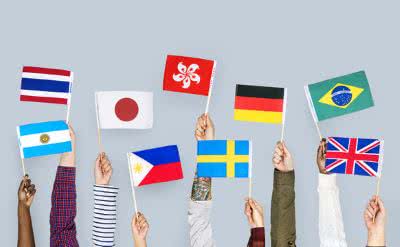
from around the globe

/frʌm əˈraʊnd ðə ɡloʊb/

(phrase) 世界中から, 地球の至る所から

例:

Athletes from around the globe gathered for the Olympic Games.
世界中からアスリートがオリンピックのために集まった。

infrastructure

/ˈɪn.frəˌstrʌk.tʃɚ/

(noun) インフラ, 社会基盤

例:

The country's aging infrastructure needs significant investment.
国の老朽化したインフラには多大な投資が必要です。

marketable

/ˈmɑːr.kɪ.t̬ə.bəl/

(adjective) 市場性のある, 売れる

例:

The product needs to be more marketable to attract buyers.
その製品は買い手を引きつけるためにもっと市場性がある必要がある。

multinational corporation

/ˌmʌl.tɪˈnæʃ.ən.əl ˌkɔːr.pəˈreɪ.ʃən/

(noun) 多国籍企業, 多国籍会社

例:

Many well-known brands are actually multinational corporations.
多くの有名ブランドは実際には多国籍企業です。

multi-regional

/ˌmʌl.tiˈriː.dʒə.nəl/

(adjective) 多地域の, 複数地域の

例:

The company has a multi-regional presence across Asia.
その会社はアジア全体で多地域にわたる存在感を示している。

nationality

/ˌnæʃ.ənˈæl.ə.t̬i/

(noun) 国籍, 民族, 国民

例:

What is your nationality?
あなたの国籍は何ですか?

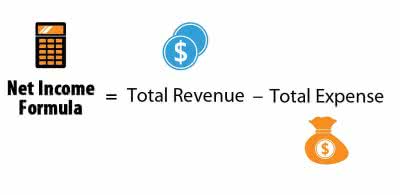
net income

/ˌnet ˈɪn.kʌm/

(noun) 純利益, 純所得

例:

The company reported a significant increase in net income for the last quarter.
その会社は前四半期の純利益が大幅に増加したと報告した。

penalize

/ˈpiː.nəl.aɪz/

(verb) ペナルティを科す, 罰する, 不利にする

例:

The referee decided to penalize the player for a foul.
審判はファウルで選手をペナルティにすることを決定した。

put forth

/pʊt fɔrθ/

(phrasal verb) 提出する, 述べる, 提案する

例:

The committee will put forth a new proposal next week.
委員会は来週、新しい提案を提出する

ratio

/ˈreɪ.ʃi.oʊ/

(noun) 比率, 割合

例:

The ratio of boys to girls in the class is 2:1.
クラスの男子と女子の比率は2:1です。

set up

/set ʌp/

(phrasal verb) 設立する, 設置する, 準備する

例:

They plan to set up a new business next year.
彼らは来年、新しいビジネスを立ち上げる予定です。

skyrocket

/ˈskaɪˌrɑː.kɪt/

(verb) 急騰する, 急上昇する

例:

Housing prices have skyrocketed in recent years.
住宅価格は近年急騰している。

so far

/soʊ fɑr/

(adverb) これまでのところ, 今のところ

例:

So far, everything is going according to plan.
これまでのところ、すべて計画通りに進んでいます。

surge

/sɝːdʒ/

(noun) 急増, 殺到, 増加;

(verb) 殺到する, 押し寄せる, 急上昇する

例:

A sudden surge of water broke through the dam.
突然の水の急増がダムを突破した。

synergy

/ˈsɪn.ɚ.dʒi/

(noun) 相乗効果, 共同作用

例:

The synergy between the two departments led to a highly successful project.
2つの部署間の相乗効果により、非常に成功したプロジェクトが生まれました。

synthesis

/ˈsɪn.θə.sɪs/

(noun) 統合, 合成, 総合

例:

The report provides a synthesis of the research findings.
この報告書は研究結果の統合を提供します。

tactics

/ˈtæk.tɪks/

(noun) 戦術, 兵法, 戦略

例:

The general was praised for his brilliant battlefield tactics.
将軍は彼の見事な戦場戦術で称賛された。

unemployment

/ˌʌn.ɪmˈplɔɪ.mənt/

(noun) 失業

例:

The government is working to reduce unemployment.
政府は失業率を減らすために取り組んでいます。

variable

/ˈver.i.ə.bəl/

(adjective) 変わりやすい, 変動する;

(noun) 変数

例:

The weather here is highly variable.
ここの天気は非常に変わりやすい

vicious circle

/ˈvɪʃ.əs ˈsɜːr.kl̩/

(noun) 悪循環

例:

The company was caught in a vicious circle of declining sales and budget cuts.
その会社は売上減少と予算削減の悪循環に陥っていた。

without a doubt

/wɪˈðaʊt ə daʊt/

(idiom) 疑いようもなく, 間違いなく

例:

She is without a doubt the best candidate for the job.
彼女は疑いようもなくその仕事に最適な候補者だ。
Lingolandでこの語彙セットを学習