Avatar of Vocabulary Set 戦争と平和

TOEFL必須語彙 内 戦争と平和 語彙セット:完全かつ詳細なリスト

「TOEFL必須語彙」内の「戦争と平和」語彙セットは国際標準教材から厳選され、短期間で語彙をマスターできます。定義、例文、標準発音を網羅…

Lingolandでこの語彙セットを学習

今すぐ学習
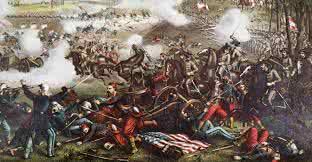
civil war

/ˌsɪv.əl ˈwɔːr/

(noun) 内戦

例:

The country was plunged into a devastating civil war.
その国は壊滅的な内戦に突入した。

conflict

/ˈkɑːn.flɪkt/

(noun) 対立, 紛争, 衝突;

(verb) 矛盾する, 対立する, 衝突する

例:

There was a lot of conflict between the two brothers.
二人の兄弟の間には多くの対立があった。

action

/ˈæk.ʃən/

(noun) 行動, 措置, アクション

例:

The government must take action to reduce crime.
政府は犯罪を減らすために行動を起こさなければならない。

clash

/klæʃ/

(noun) 衝突音, がちゃがちゃ音, 衝突;

(verb) 衝突する, がちゃがちゃ音を立てる, 対立する

例:

The swords met with a loud clash.
剣は大きな衝突音を立ててぶつかった。

combat

/ˈkɑːm.bæt/

(noun) 戦闘, 戦い;

(verb) 戦う, 対抗する

例:

The soldiers were trained for close combat.
兵士たちは近接戦闘のために訓練された。

defend

/dɪˈfend/

(verb) 守る, 防御する, 擁護する

例:

The soldiers bravely defended the city.
兵士たちは勇敢に都市を守った

desert

/ˈdez.ɚt/

(noun) 砂漠;

(verb) 見捨てる, 脱走する

例:

The Sahara is the largest hot desert in the world.
サハラ砂漠は世界最大の熱い砂漠です。

civilian

/səˈvɪl.jən/

(noun) 民間人, 一般人;

(adjective) 民間人の, 一般の

例:
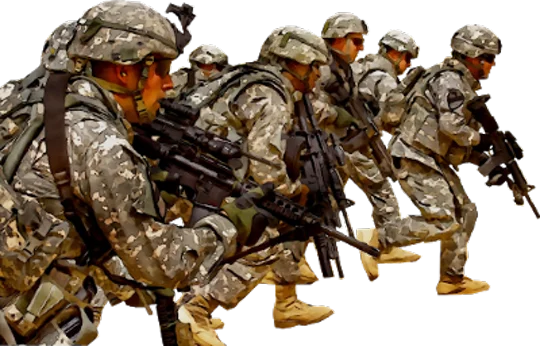
The soldiers were ordered to protect the civilians.
兵士たちは民間人を保護するよう命じられた。

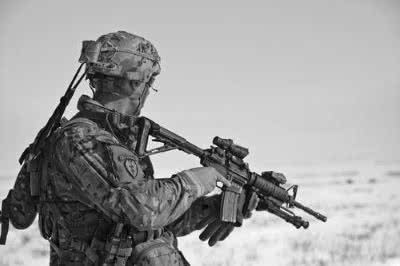
military

/ˈmɪl.ə.ter.i/

(noun) 軍隊, 軍;

(adjective) 軍事の, 軍の

例:

He joined the military after high school.
彼は高校卒業後、軍隊に入隊した。

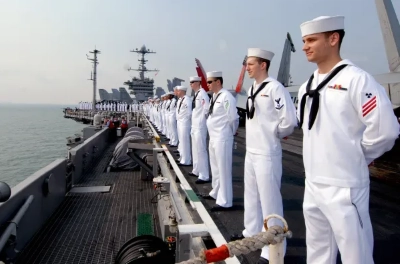
navy

/ˈneɪ.vi/

(noun) 海軍, 艦隊, ネイビー;

(adjective) ネイビーの, 濃紺の

例:
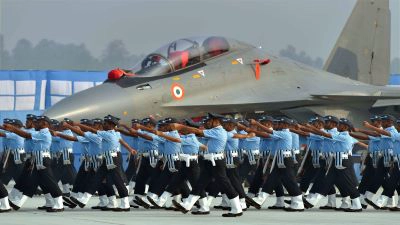
She joined the Navy after graduating from college.
彼女は大学卒業後、海軍に入隊した。

air force

/ˈer fɔːrs/

(noun) 空軍

例:

My brother joined the Air Force after high school.
兄は高校卒業後、空軍に入隊した。

armed

/ɑːrmd/

(adjective) 武装した, 武器を持った, 腕のある;

(verb) 武装させる, 武器を与える

例:

The police officer was heavily armed.
警察官は重く武装していた。

recruit

/rɪˈkruːt/

(noun) 新兵, 新入隊員, 新メンバー;

(verb) 募集する, 採用する, 編成する

例:
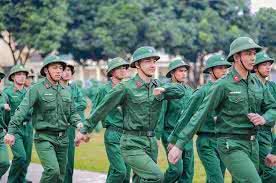
The new recruits arrived at the training camp.
新しい新兵たちが訓練キャンプに到着した。

enlist

/ɪnˈlɪst/

(verb) 入隊する, 徴兵される, 募る

例:

He decided to enlist in the army after high school.
彼は高校卒業後、陸軍に入隊することを決めた。

warfare

/ˈwɔːr.fer/

(noun) 戦争, 戦闘

例:

Modern warfare often involves cyber attacks and drones.
現代の戦争はしばしばサイバー攻撃やドローンを伴う。

deploy

/dɪˈplɔɪ/

(verb) 展開する, 配置する, 活用する

例:

The troops were deployed to the conflict zone.
部隊は紛争地域に展開された。

rebel

/ˈreb.əl/

(noun) 反逆者, 反乱軍, 反抗者;

(verb) 反抗する, 反乱を起こす, 抵抗する

例:
The rebels stormed the capital city.
反乱軍は首都を襲撃した。

occupy

/ˈɑː.kjə.paɪ/

(verb) 占有する, 居住する, 占める

例:

The new tenants will occupy the apartment next month.
新しいテナントは来月そのアパートを占有するでしょう。

invade

/ɪnˈveɪd/

(verb) 侵略する, 侵攻する, 侵害する

例:

The army prepared to invade the neighboring territory.
軍は隣接する領土を侵略する準備をした。

strike

/straɪk/

(verb) 打つ, たたく, ストライキをする;

(noun) ストライキ, 打撃, 攻撃

例:

He raised his hand to strike the ball.
彼はボールを打つために手を上げた。

curfew

/ˈkɝː.fjuː/

(noun) 門限, 外出禁止令

例:

The city imposed a strict curfew after the unrest.
市は暴動後、厳格な外出禁止令を課した。

peacekeeping

/ˈpiːsˌkiː.pɪŋ/

(noun) 平和維持, 平和維持活動;

(adjective) 平和維持の, 平和維持に関する

例:
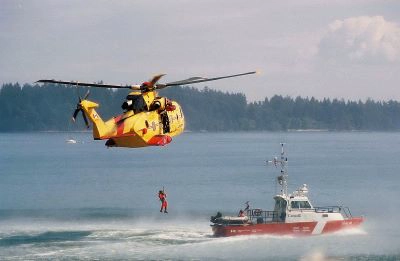
The UN deployed a peacekeeping force to the conflict zone.
国連は紛争地域に平和維持部隊を派遣した。

rescue

/ˈres.kjuː/

(noun) 救助, 救出;

(verb) 救助する, 救い出す

例:

The firefighters performed a daring rescue of the trapped hikers.
消防士たちは閉じ込められたハイカーたちの大胆な救助を行った。

retreat

/rɪˈtriːt/

(verb) 撤退する, 退く;

(noun) 撤退, 隠れ家

例:

The army was forced to retreat after heavy losses.
軍は大きな損失の後、撤退を余儀なくされた。

surrender

/səˈren.dɚ/

(verb) 降伏する, 引き渡す, 屈する;

(noun) 降伏, 引き渡し

例:
The enemy was forced to surrender their weapons.
敵は武器を降伏させられた。

casualty

/ˈkæʒ.uː.əl.ti/

(noun) 死傷者, 犠牲者, 犠牲

例:

There were many casualties in the earthquake.
地震で多くの死傷者が出た。

general

/ˈdʒen.ər.əl/

(adjective) 一般的な, 広範な, 専門的でない;

(noun) 将軍, 大将

例:

There is a general feeling of optimism.
全体的に楽観的な雰囲気がある。

major

/ˈmeɪ.dʒɚ/

(adjective) 主要な, 重要な, 大きな;

(noun) 少佐, 専攻;

(verb) 専攻する

例:
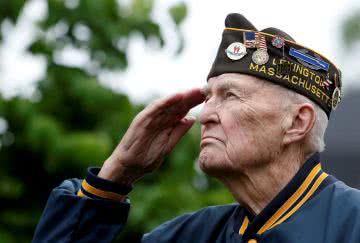
This is a major problem that needs immediate attention.
これは早急な対応が必要な主要な問題です。

veteran

/ˈve.t̬ɚ.ən/

(noun) ベテラン, 経験者, 退役軍人;

(adjective) ベテランの, 経験豊富な

例:

She is a veteran teacher with over 30 years of experience.
彼女は30年以上の経験を持つベテラン教師です。

spy

/spaɪ/

(noun) スパイ, 秘密情報員;

(verb) スパイする, 秘密裏に調べる, 見つける

例:
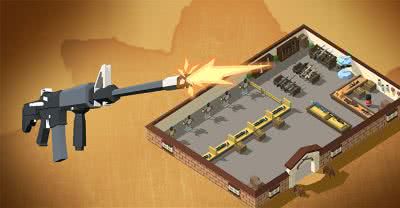
The government arrested a foreign spy.
政府は外国のスパイを逮捕した。

arms

/ɑːrmz/

(plural noun) 腕, 武器, 兵器;

(verb) 武装させる

例:

She held the baby in her arms.
彼女は赤ちゃんを腕に抱いた。

explosive

/ɪkˈsploʊ.sɪv/

(noun) 爆発物;

(adjective) 爆発性の, 爆発的な

例:
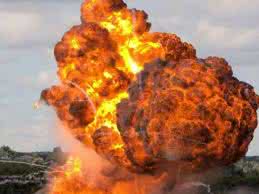
The police found a large quantity of explosives hidden in the warehouse.
警察は倉庫に隠されていた大量の爆発物を発見した。

blast

/blæst/

(noun) 爆風, 突風, 大音量;

(verb) 爆破する, 吹き飛ばす, 鳴らす

例:
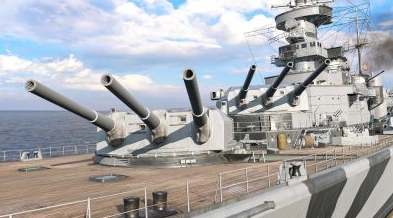
The explosion sent a powerful blast through the building.
爆発は建物中に強力な爆風を送った。

warship

/ˈwɔːr.ʃɪp/

(noun) 軍艦

例:

The navy deployed a new warship to the region.
海軍は新しい軍艦をその地域に配備した。

missile

/ˈmɪs.əl/

(noun) ミサイル, 投擲物

例:

The anti-aircraft missile intercepted the enemy plane.
対空ミサイルが敵機を迎撃した。

mine

/maɪn/

(noun) 鉱山, 採掘場, 地雷;

(verb) 採掘する, 掘る, 地雷を敷設する;

(pronoun) 私のもの, 私の

例:
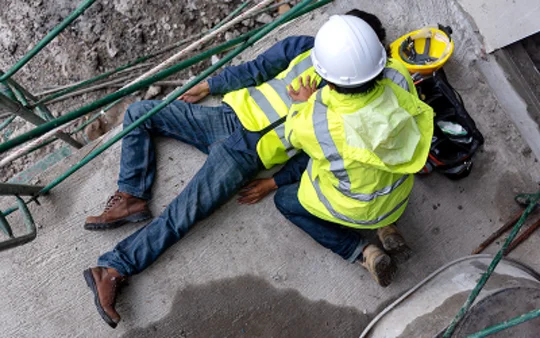
The coal mine was closed due to safety concerns.
安全上の懸念から石炭鉱山は閉鎖された。

fatality

/fəˈtæl.ə.t̬i/

(noun) 死亡者, 死者, 宿命

例:

There were no fatalities in the plane crash, thankfully.
幸いなことに、飛行機事故での死者はいなかった。

ally

/ˈæl.aɪ/

(noun) 同盟国, 味方, 支援者;

(verb) 提携する, 同盟する

例:

During the war, several nations formed an ally against the common enemy.
戦争中、いくつかの国は共通の敵に対して同盟国を結成した。

alliance

/əˈlaɪ.əns/

(noun) 同盟, 提携

例:

The two countries formed a military alliance.
両国は軍事同盟を結んだ。

conquer

/ˈkɑːŋ.kɚ/

(verb) 征服する, 攻略する, 克服する

例:

The Roman Empire sought to conquer new territories.
ローマ帝国は新しい領土を征服しようとした。
Lingolandでこの語彙セットを学習