Avatar of Vocabulary Set 環境と天候

TOEFL必須語彙 内 環境と天候 語彙セット:完全かつ詳細なリスト

「TOEFL必須語彙」内の「環境と天候」語彙セットは国際標準教材から厳選され、短期間で語彙をマスターできます。定義、例文、標準発音を網羅…

Lingolandでこの語彙セットを学習

今すぐ学習
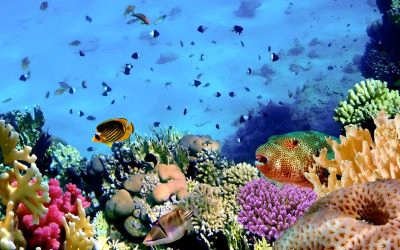
ecosystem

/ˈiː.koʊˌsɪs.təm/

(noun) 生態系, エコシステム, 複雑なネットワーク

例:

The rainforest is a complex ecosystem with diverse plant and animal life.
熱帯雨林は多様な動植物の生命を持つ複雑な生態系です。

ecology

/iˈkɑː.lə.dʒi/

(noun) 生態学, エコロジー, 環境保護運動

例:

She is studying ecology at university.
彼女は大学で生態学を学んでいます。

sanctuary

/ˈsæŋk.tʃu.er.i/

(noun) 聖域, 避難所, 保護区

例:

The old church became a sanctuary for the homeless.
その古い教会はホームレスのための聖域となった。

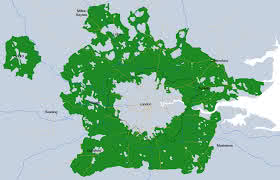
green belt

/ˈɡriːn belt/

(noun) グリーンベルト, 緑地帯

例:

The city council is committed to preserving the green belt.
市議会はグリーンベルトの保全に尽力している。

reserve

/rɪˈzɝːv/

(noun) 予備, 蓄え, 保護区;

(verb) 予約する, 確保する, 留保する;

(adjective) 予備の, 控えの

例:

The country has large oil reserves.
その国は大量の石油埋蔵量を持っている。

environmentalism

/ɪnˌvaɪ.rəˈmen.t̬əl.ɪ.zəm/

(noun) 環境保護主義, 環境運動

例:

The rise of environmentalism has led to greater awareness of climate change.
環境保護主義の台頭は、気候変動への意識を高めました。

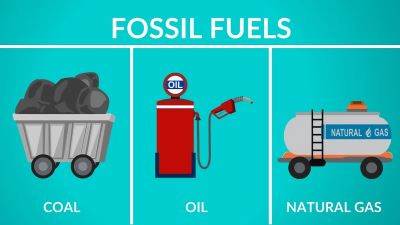
fossil fuel

/ˈfɑː.səl ˌfjuː.əl/

(noun) 化石燃料

例:

Burning fossil fuels releases carbon dioxide into the atmosphere.
化石燃料を燃やすと二酸化炭素が大気中に放出される。

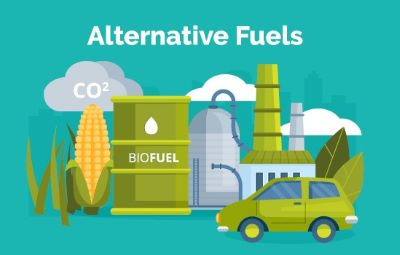
alternative fuel

/ɑːlˈtɝː.nə.t̬ɪv ˈfjuː.əl/

(noun) 代替燃料

例:

Hydrogen is being developed as a clean alternative fuel for cars.
水素は自動車用のクリーンな代替燃料として開発されています。

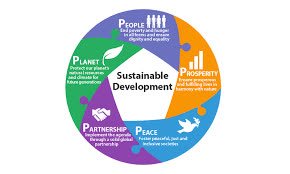
sustainable

/səˈsteɪ.nə.bəl/

(adjective) 持続可能な, 維持できる, 環境に優しい

例:

The company aims for sustainable growth.
その会社は持続可能な成長を目指している。

zero-emission

/ˌzɪroʊ ɪˈmɪʃən/

(adjective) ゼロエミッション, 排出ゼロ

例:

The city aims to have a fleet of zero-emission buses by 2030.
市は2030年までにゼロエミッションバスのフリートを持つことを目指している。

environmentally friendly

/ɪnˌvaɪ.rənˈmen.təl.i ˈfrend.li/

(adjective) 環境に優しい, エコフレンドリー

例:

We should all try to use more environmentally friendly products.
私たちは皆、もっと環境に優しい製品を使うべきです。

biodegradable

/ˌbaɪ.oʊ.dɪˈɡreɪ.də.bəl/

(adjective) 生分解性

例:

Many plastics are not biodegradable.
多くのプラスチックは生分解性ではありません。

eco-friendly

/ˌiː.koʊˈfrend.li/

(adjective) 環境に優しい, エコフレンドリー

例:

We should all try to use more eco-friendly products.
私たちは皆、もっと環境に優しい製品を使うべきです。

refine

/rɪˈfaɪn/

(verb) 精製する, 純化する, 磨く

例:

The company uses advanced techniques to refine crude oil.
その会社は原油を精製するために高度な技術を使用しています。

preservation

/ˌprez.ɚˈveɪ.ʃən/

(noun) 保存, 維持

例:

The preservation of historical buildings is crucial for cultural heritage.
歴史的建造物の保存は文化遺産にとって極めて重要です。

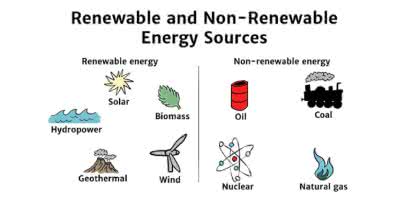
non-renewable

/ˌnɑːn.rɪˈnuː.ə.bəl/

(adjective) 再生不可能な

例:

Fossil fuels are a prime example of a non-renewable resource.
化石燃料は再生不可能な資源の典型的な例です。

conservation

/ˌkɑːn.sɚˈveɪ.ʃən/

(noun) 保護, 保全, 節約

例:

Wildlife conservation efforts are crucial for endangered species.
野生生物の保護活動は絶滅危惧種にとって極めて重要です。

acid rain

/ˈæs.ɪd ˌreɪn/

(noun) 酸性雨

例:

The factory's emissions are contributing to acid rain in the region.
工場の排出物がこの地域の酸性雨の一因となっている。

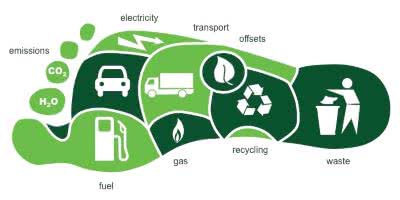
carbon footprint

/ˈkɑːr.bən ˌfʊt.prɪnt/

(noun) 二酸化炭素排出量, カーボンフットプリント

例:

Reducing your carbon footprint helps combat climate change.
二酸化炭素排出量を削減することは、気候変動対策に役立ちます。

climate change

/ˈklaɪ.mət ˌtʃeɪndʒ/

(noun) 気候変動

例:

The scientific consensus is that human activities are the primary driver of recent climate change.
科学的コンセンサスは、人間の活動が最近の気候変動の主な要因であるということです。

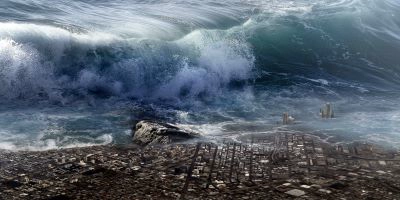
tsunami

/tsuːˈnɑː.mi/

(noun) 津波

例:

The coastal town was devastated by a powerful tsunami.
沿岸の町は強力な津波によって壊滅した。

toxic

/ˈtɑːk.sɪk/

(adjective) 有毒な, 毒性の, 有害な

例:

The chemical waste is highly toxic.
その化学廃棄物は非常に有毒です。

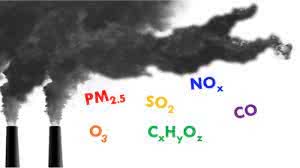
pollutant

/pəˈluː.t̬ənt/

(noun) 汚染物質, 汚染源

例:

Carbon monoxide is a dangerous pollutant.
一酸化炭素は危険な汚染物質です。

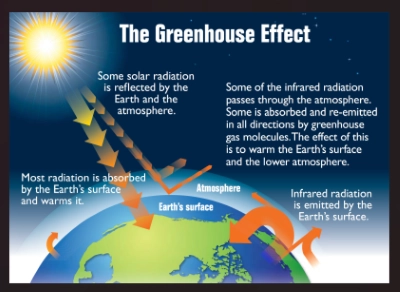
greenhouse effect

/ˈɡriːn.haʊs ɪˌfekt/

(noun) 温室効果

例:

The greenhouse effect is a natural process that warms the Earth's surface.
温室効果は地球の表面を暖める自然なプロセスです。

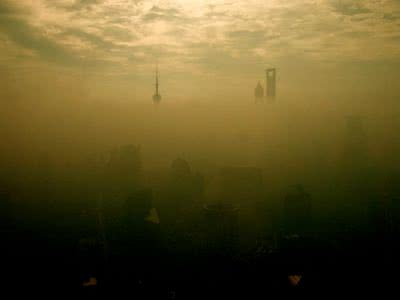
smog

/smɑːɡ/

(noun) スモッグ, 煙霧

例:

The city was covered in a thick layer of smog.
その都市は厚いスモッグの層に覆われていた。

ozone layer

/ˈoʊ.zoʊn ˌleɪ.ər/

(noun) オゾン層

例:

The depletion of the ozone layer is a major environmental concern.
オゾン層の破壊は主要な環境問題です。

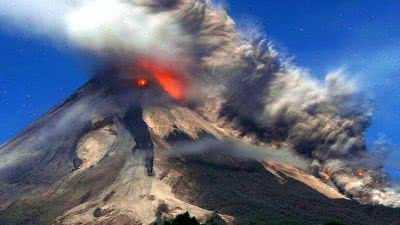
eruption

/ɪˈrʌp.ʃən/

(noun) 噴火, 爆発, 発疹

例:

The volcanic eruption caused widespread ashfall.
火山の噴火は広範囲にわたる降灰を引き起こした。

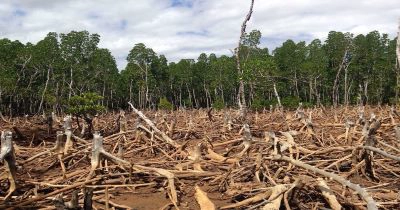
deforestation

/diːˌfɔːr.əˈsteɪ.ʃən/

(noun) 森林伐採, 森林破壊

例:

Deforestation is a major cause of climate change.
森林伐採は気候変動の主要な原因です。

contaminate

/kənˈtæm.ə.neɪt/

(verb) 汚染する, 汚す

例:

The spill could contaminate the entire water supply.
流出は水供給全体を汚染する可能性がある。

consumption

/kənˈsʌmp.ʃən/

(noun) 消費, 使用, 摂取

例:

Water consumption increases during summer.
夏の間に水の消費量が増加します。

blizzard

/ˈblɪz.ɚd/

(noun) 吹雪, ブリザード

例:

The city was shut down by a massive blizzard.
その都市は大規模な吹雪によって閉鎖された。

fahrenheit

/ˈfer.ən.haɪt/

(noun) 華氏;

(adjective) 華氏の

例:

The temperature today is 75 degrees Fahrenheit.
今日の気温は75度華氏です。

centigrade

/ˈsen.t̬ə.ɡreɪd/

(adjective) 摂氏;

(noun) 摂氏

例:

The temperature today is 25 degrees Centigrade.
今日の気温は25度摂氏です。

humid

/ˈhjuː.mɪd/

(adjective) 湿気のある, 蒸し暑い

例:

The weather today is very humid.
今日の天気はとても湿気が多い。

monsoon

/mɑːnˈsuːn/

(noun) モンスーン, 季節風, モンスーンの季節

例:

The monsoon season brings heavy rains to the region.
モンスーンの季節は地域に大雨をもたらします。

thunder

/ˈθʌn.dɚ/

(noun) 雷鳴, 雷;

(verb) 轟く, 雷鳴を轟かせる

例:

We heard a loud clap of thunder in the distance.
遠くで大きな雷鳴が聞こえた。
Lingolandでこの語彙セットを学習