Avatar of Vocabulary Set 動物界

TOEFL必須語彙 内 動物界 語彙セット:完全かつ詳細なリスト

「TOEFL必須語彙」内の「動物界」語彙セットは国際標準教材から厳選され、短期間で語彙をマスターできます。定義、例文、標準発音を網羅…

Lingolandでこの語彙セットを学習

今すぐ学習

creature

/ˈkriː.tʃɚ/

(noun) 生き物, 動物, 人間

例:

The forest is home to many wild creatures.
森には多くの野生の生き物が生息している。

wildlife

/ˈwaɪld.laɪf/

(noun) 野生生物, 野生動物

例:

The national park is home to diverse wildlife.
国立公園は多様な野生生物の生息地です。

species

/ˈspiː.ʃiːz/

(noun) 種, 種類

例:

The giant panda is an endangered species.
ジャイアントパンダは絶滅危惧です。

habitat

/ˈhæb.ə.tæt/

(noun) 生息地, 棲息環境

例:

The panda's natural habitat is the bamboo forest.
パンダの自然な生息地は竹林です。

freshwater

/ˈfreʃˌwɑː.t̬ɚ/

(adjective) 淡水

例:

Many species of fish live in freshwater habitats.
多くの魚種が淡水の生息地に生息しています。

saltwater

/ˈsɑːltˌwɔː.t̬ɚ/

(adjective) 海水, 海洋の

例:

Many species of saltwater fish are brightly colored.
多くの海水魚は鮮やかな色をしています。

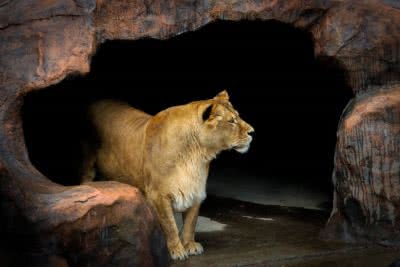
beast

/biːst/

(noun) 獣, 動物, 野獣

例:

The lion is a magnificent beast.
ライオンは素晴らしいだ。

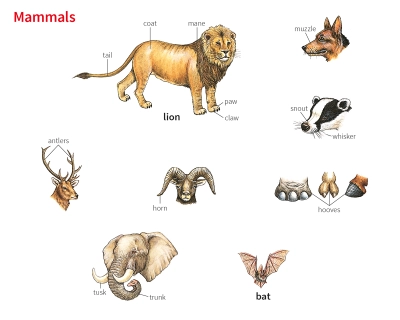
mammal

/ˈmæm.əl/

(noun) 哺乳類

例:

Humans are mammals.
人間は哺乳類です。

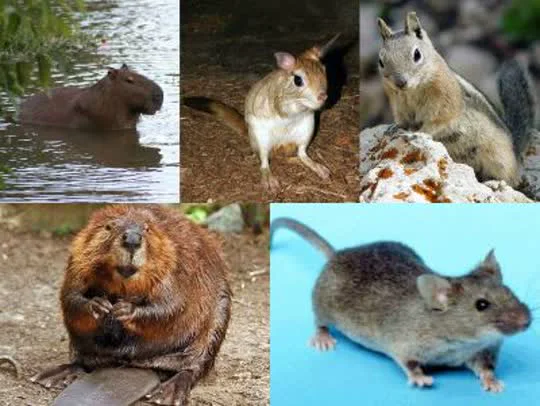
rodent

/ˈroʊ.dənt/

(noun) げっ歯類

例:

The house was infested with rodents, so they called an exterminator.
家はげっ歯類に侵されていたので、彼らは駆除業者を呼んだ。

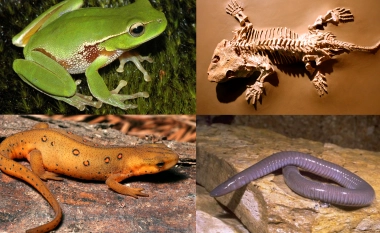
amphibian

/æmˈfɪb.i.ən/

(noun) 両生類;

(adjective) 両生類の, 水陸両用の

例:
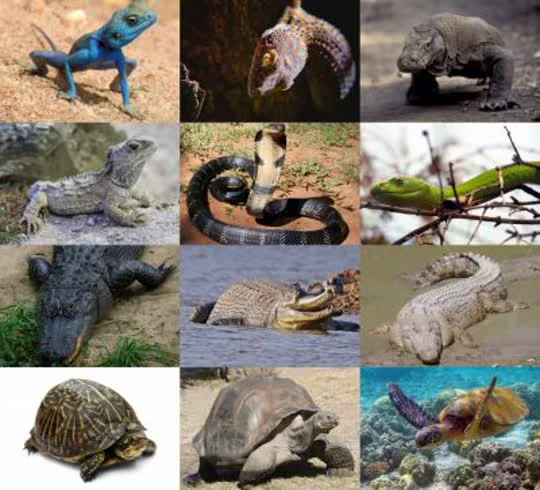
Frogs are a common type of amphibian.
カエルは一般的な両生類の一種です。

reptile

/ˈrep.taɪl/

(noun) 爬虫類

例:

Snakes are fascinating reptiles.
ヘビは魅力的な爬虫類です。

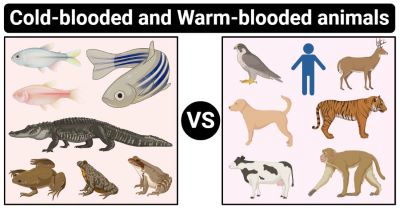
cold-blooded

/ˈkoʊldˌblʌdɪd/

(adjective) 冷血の, 変温の, 冷酷な

例:

Reptiles are cold-blooded animals.
爬虫類は冷血動物です。

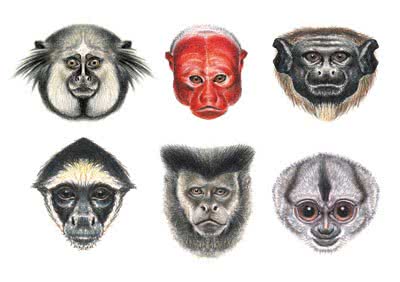
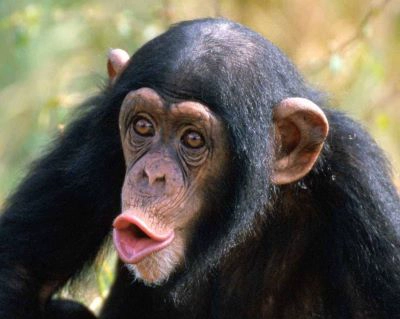
primate

/ˈpraɪ.meɪt/

(noun) 霊長類, 首座主教, 大司教

例:

Chimpanzees are fascinating primates.
チンパンジーは魅力的な霊長類です。

ape

/eɪp/

(noun) 類人猿, サル;

(verb) 模倣する, まねる

例:

Chimpanzees are a type of ape.
チンパンジーは類人猿の一種です。

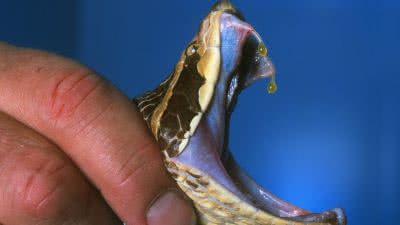
venom

/ˈvenəm/

(noun) 毒, 毒液, 悪意

例:

The snake injected its venom into the mouse.
ヘビはネズミにを注入した。

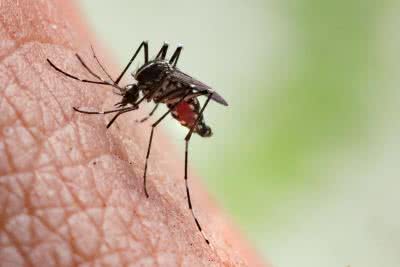
sting

/stɪŋ/

(noun) 針, 刺傷, 痛み;

(verb) 刺す, チクチクする, しみる

例:
The bee left its sting in my arm.
ミツバチは私の腕にを残した。

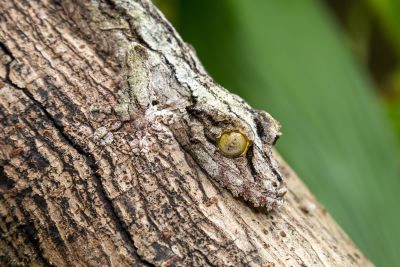
camouflage

/ˈkæm.ə.flɑːʒ/

(noun) カモフラージュ, 迷彩, 隠蔽;

(verb) カモフラージュする, 迷彩する, 隠す

例:

The soldiers used natural foliage for camouflage.
兵士たちはカモフラージュのために自然の葉を使った。

breed

/briːd/

(verb) 繁殖させる, 繁殖する, 生み出す;

(noun) 品種, 種類, タイプ

例:

They breed horses for racing.
彼らは競走馬を繁殖させている。

lay

/leɪ/

(verb) 置く, 横たえる, 産む;

(noun) 配置, 配列;

(adjective) 一般の, 俗人の

例:
She carefully laid the baby in the crib.
彼女は慎重に赤ちゃんをベビーベッドに寝かせた

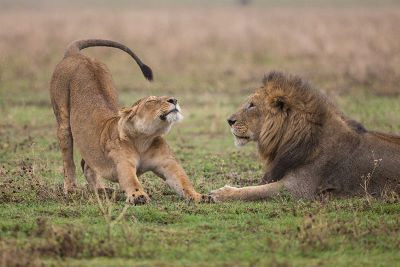
mate

/meɪt/

(noun) 仲間, 友達, つがい;

(verb) 交尾する, 交配させる

例:

He's my best mate from school.
彼は学校からの親友です。

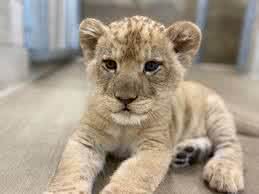
cub

/kʌb/

(noun) 子, 幼獣, ひよっこ

例:

The lioness protected her cub from danger.
雌ライオンは危険からを守った。

den

/den/

(noun) ねぐら, 巣穴, 書斎;

(verb) 住み着く, 巣穴を作る

例:
The bear retreated to its den for the winter.
クマは冬の間、ねぐらに引きこもった。

flock

/flɑːk/

(noun) 群れ, 群衆, 大勢の人々;

(verb) 群がる, 集まる

例:
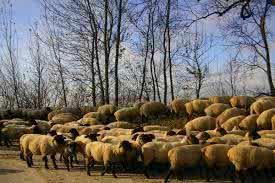
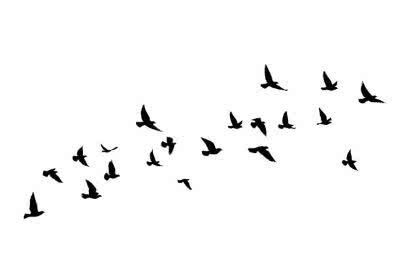
A large flock of birds flew overhead.
大きな鳥の群れが頭上を飛んでいった。

herd

/hɝːd/

(noun) 群れ, 群衆, 大衆;

(verb) 群れをなす, 誘導する

例:

A herd of elephants crossed the savanna.
象の群れがサバンナを横切った。

pack

/pæk/

(noun) 荷物, 包み, パック;

(verb) 詰める, 荷造りする, 満たす

例:

He carried a large pack on his back.
彼は大きな荷物を背負っていた。

paw

/pɑː/

(noun) 足, 前足;

(verb) 乱暴に触る, 手で触る

例:

The dog lifted its paw to shake hands.
犬は握手するためにを上げた。

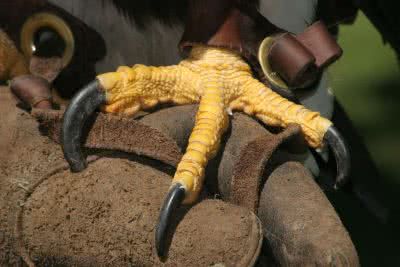
claw

/klɑː/

(noun) 爪, 鉤爪, ハサミ;

(verb) 引っ掻く, かき分ける

例:
The cat sharpened its claws on the scratching post.
猫は爪とぎでを研いだ。

beak

/biːk/

(noun) くちばし, 船首, へさき

例:

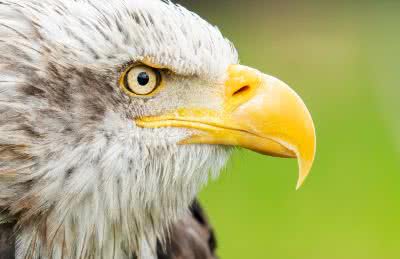
The parrot used its strong beak to crack nuts.
オウムは強いくちばしを使って木の実を割った。

call

/kɑːl/

(verb) 呼ぶ, 叫ぶ, 電話する;

(noun) 訪問, 電話, 通話

例:
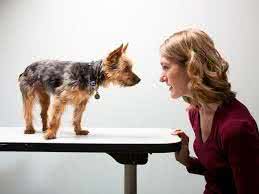
She had to call his name twice before he heard her.
彼女は彼が聞く前に彼の名前を二度呼ばなければならなかった。

domesticate

/dəˈmes.tɪ.keɪt/

(verb) 家畜化する, 飼いならす, 適合させる

例:

Humans began to domesticate animals thousands of years ago.
人類は何千年も前に動物を家畜化し始めました。

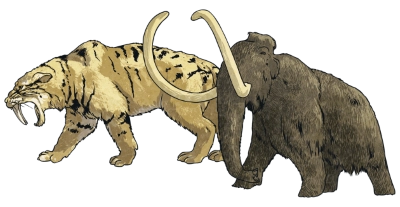
extinct

/ɪkˈstɪŋkt/

(adjective) 絶滅した, 休火山, 活動を停止した

例:

Dinosaurs have been extinct for millions of years.
恐竜は何百万年も前に絶滅しました。

migrate

/ˈmaɪ.ɡreɪt/

(verb) 移動する, 渡る, 移住する

例:

Birds migrate south for the winter.
鳥は冬に南へ移動します。

veterinarian

/ˌvet.ər.ɪˈner.i.ən/

(noun) 獣医

例:

We took our dog to the veterinarian for his annual check-up.
私たちは犬を年次検診のために獣医に連れて行きました。
Lingolandでこの語彙セットを学習