
SAT理科語彙 内 天文学と航空宇宙科学 語彙セット:完全かつ詳細なリスト
「SAT理科語彙」内の「天文学と航空宇宙科学」語彙セットは国際標準教材から厳選され、短期間で語彙をマスターできます。定義、例文、標準発音を網羅…
Lingolandでこの語彙セットを学習
今すぐ学習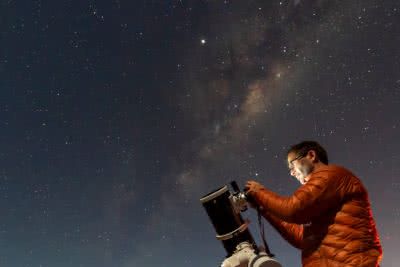
/əˈstrɑː.nə.mɚ/
(noun) 天文学者
例:
The astronomer observed distant galaxies through the powerful telescope.
その天文学者は強力な望遠鏡で遠くの銀河を観測した。
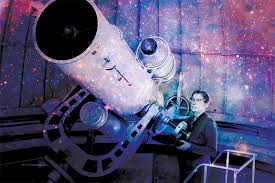
/ˌæs.troʊˈfɪz.ɪ.sɪst/
(noun) 天体物理学者
例:
The astrophysicist explained how black holes are formed.
その天体物理学者はブラックホールがどのように形成されるかを説明した。
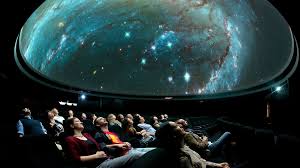
/ˌplæn.ɪˈter.i.əm/
(noun) プラネタリウム
例:
We visited the local planetarium to learn about the constellations.
星座について学ぶために地元のプラネタリウムを訪れました。
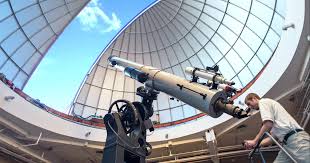
/əbˈzɝː.və.tɔːr.i/

/sɪˈles.tʃəl/
(adjective) 天の, 宇宙の, 天上の
例:
Astronomers study celestial bodies like stars and planets.
天文学者は星や惑星のような天体を研究する。
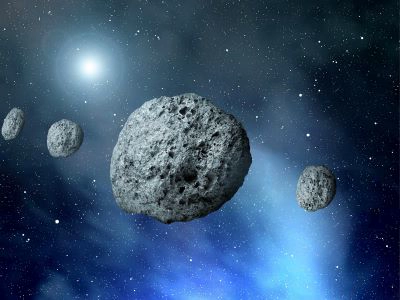
/ˈæs.tə.rɔɪd/
(noun) 小惑星
例:
Scientists are tracking an asteroid that might pass close to Earth.
科学者たちは地球に接近する可能性のある小惑星を追跡している。
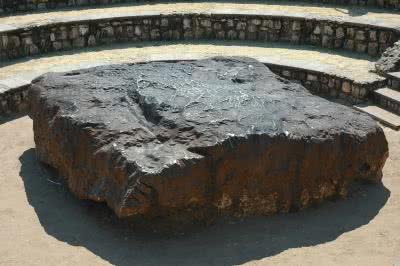
/-t̬i.ə.raɪt/
(noun) 隕石
例:
Scientists found a large meteorite in the desert.
科学者たちは砂漠で大きな隕石を発見した。
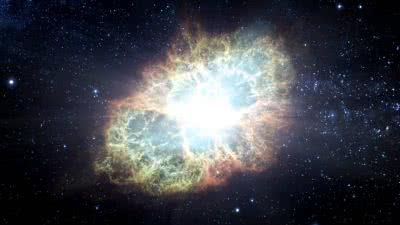
/ˌsuː.pɚˈnoʊ.və/
(noun) 超新星
例:
The distant galaxy was home to a spectacular supernova.
遠くの銀河は壮大な超新星の故郷だった。

/ˌkɑːn.stəˈleɪ.ʃən/
(noun) 星座, 集まり, 集合体
例:
Orion is a prominent constellation visible in the winter sky.
オリオン座は冬の空に見える有名な星座です。
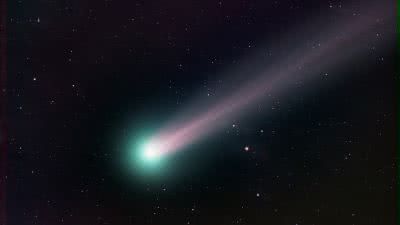
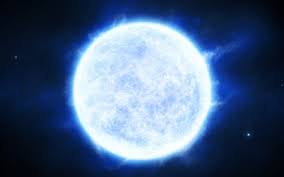
/waɪt dwɔːrf/
(noun) 白色矮星
例:
The Sun will eventually become a white dwarf after it sheds its outer layers.
太陽は外層を放出した後、最終的に白色矮星になります。
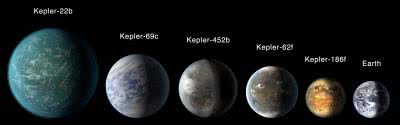
/ˈek.soʊˌplæn.ɪt/
(noun) 系外惑星
例:
Scientists have discovered thousands of exoplanets.
科学者たちは何千もの系外惑星を発見しました。
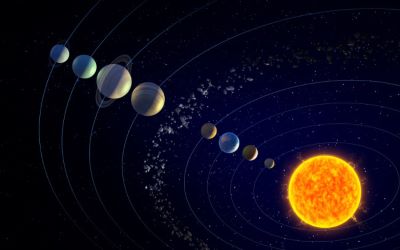
/ˈæs.tə.rɔɪd belt/
(noun) 小惑星帯
例:
Most of the asteroids in our solar system are located in the asteroid belt.
太陽系のほとんどの小惑星は小惑星帯に位置しています。
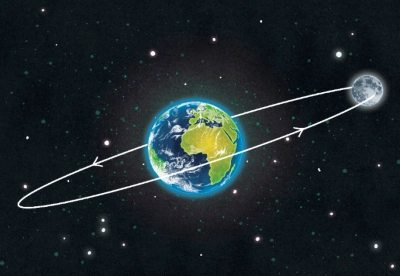
/ˈɔːr.bɪt/
(noun) 軌道, 影響範囲, 勢力圏;
(verb) 公転する, 周回する
例:
The Earth revolves around the Sun in an elliptical orbit.
地球は楕円形の軌道で太陽の周りを公転している。

/ˌrev.əˈluː.ʃən/
(noun) 革命, 劇的な変化, 大変革
例:
The French Revolution changed the course of history.
フランス革命は歴史の流れを変えた。
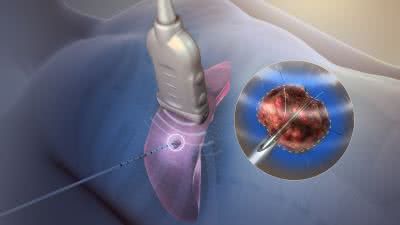
/ˌæbˈleɪ.ʃən/
(noun) アブレーション, 切除, 融解
例:
The patient underwent a cardiac ablation to correct an irregular heartbeat.
患者は不規則な心拍を修正するために心臓アブレーションを受けました。

/kəˈroʊ.nə/
(noun) コロナ, 光冠, コロナウイルス
例:
During the total solar eclipse, the sun's corona became visible.
皆既日食の間、太陽のコロナが見えるようになった。

/fler/
(noun) 閃光, フレア, 信号弾;
(verb) 燃え上がる, 閃光を放つ, 広がる
例:
A sudden flare of light illuminated the night sky.
突然の光の閃光が夜空を照らした。
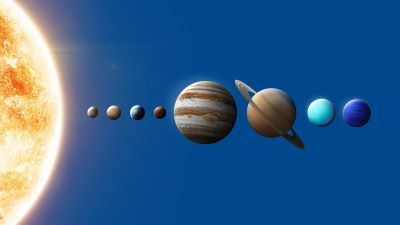
/ˈplæn.ɪ.ter.i/
(adjective) 惑星の, 地球規模の, 世界的な
例:
The scientist studied the planetary orbits.
科学者は惑星の軌道を研究した。
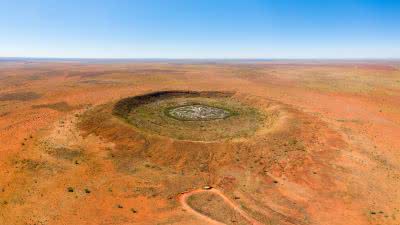
/ˈkreɪ.t̬ɚ/
(noun) クレーター, 噴火口;
(verb) クレーターを作る, 穴を開ける
例:
The meteor left a massive crater in the desert.
その隕石は砂漠に巨大なクレーターを残した。

/ˌek.strə.təˈres.tri.əl/
(adjective) 地球外の;
(noun) 地球外生命体, 宇宙人
例:
Scientists are searching for signs of extraterrestrial life.
科学者たちは地球外生命体の兆候を探している。
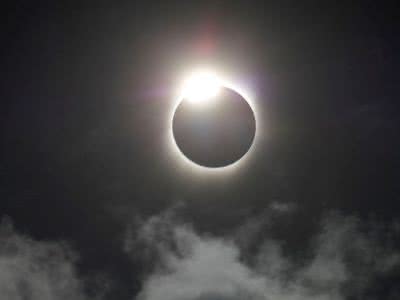
/ɪˈklɪps/
(noun) 食, 蝕, 衰退;
(verb) 凌駕する, 影を薄くする
例:
A total solar eclipse will be visible next year.
来年、皆既日食が見られるでしょう。
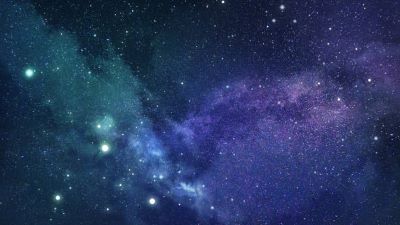
/ˌɪn.t̬ɚˈstel.ɚ/
(adjective) 恒星間の
例:
The spacecraft is traveling through interstellar space.
その宇宙船は恒星間空間を旅している。
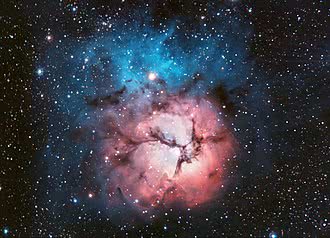
/ˈneb.jə.lə/
(noun) 星雲
例:
The Orion Nebula is a well-known star-forming region.
オリオン星雲はよく知られた星形成領域です。
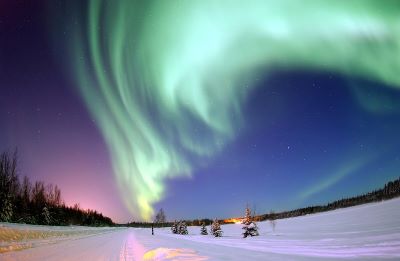
/ɔːˈrɔːr.ə/
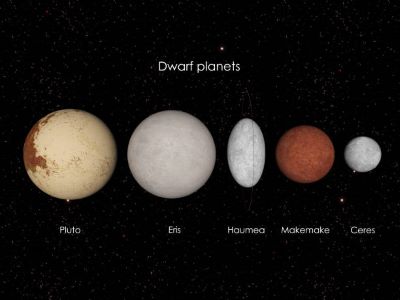
/dwɔːrf ˈplæn.ɪt/
(noun) 準惑星
例:
Pluto was reclassified as a dwarf planet in 2006.
冥王星は2006年に準惑星に再分類されました。
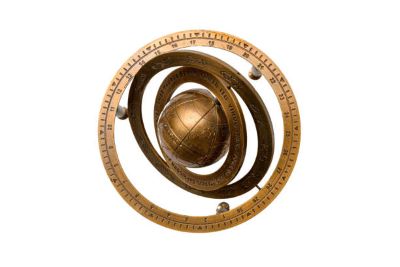
/ˈɑːr.mə.ler.i sfɪr/
(noun) アーミラリ天球儀, 渾天儀
例:
The astronomer used an armillary sphere to demonstrate the movement of celestial bodies.
天文学者は天体の動きを説明するためにアーミラリ天球儀を使用した。

/ˌer.əˈnɑː.t̬ɪks/
(noun) 航空学, 航空術
例:
She is studying aeronautics at a prestigious university.
彼女は名門大学で航空学を学んでいます。
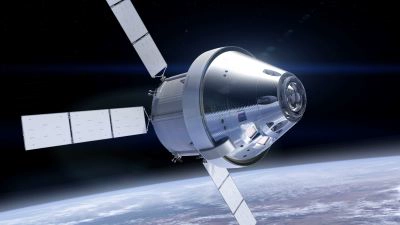
/ˈspeɪs.kræft/
(noun) 宇宙船, 宇宙機
例:
The spacecraft successfully landed on Mars.
その宇宙船は火星に無事着陸した。

/lɑːntʃ/
(verb) 発売する, 開始する, 打ち上げる;
(noun) 発売, 打ち上げ
例:
The company plans to launch a new product next quarter.
その会社は来四半期に新製品を発売する予定です。
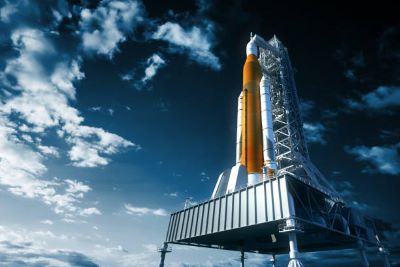
/ˈlɑːntʃ ˌpæd/
(noun) 発射台, 出発点, 登竜門
例:
The rocket stood ready on the launch pad.
ロケットは発射台の上で準備が整っていた。
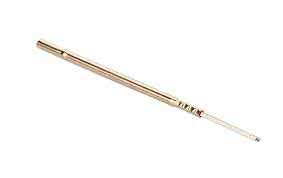
/proʊb/
(noun) プローブ, 探針, 宇宙探査機;
(verb) 探る, 調査する
例:
The surgeon used a probe to examine the extent of the injury.
外科医は損傷の程度を調べるためにプローブを使用した。
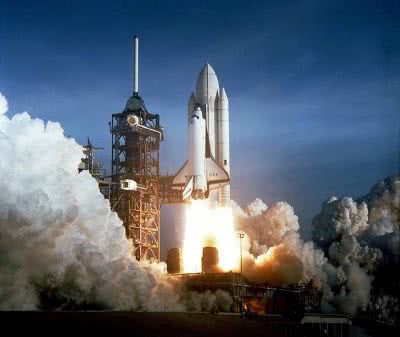
/ˈspeɪs ˌʃʌt.l̩/
(noun) スペースシャトル
例:
The space shuttle launched successfully this morning.
スペースシャトルは今朝、無事に打ち上げられた。
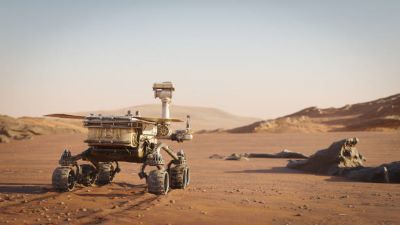
/ˈroʊ.vɚ/
(noun) 放浪者, 旅人, 探査車
例:
He was a restless rover, always seeking new adventures.
彼は落ち着きのない放浪者で、常に新しい冒険を求めていた。