
词汇集 天文学和航空航天科学(属于 SAT科学词汇):完整且详细的清单
词汇集「天文学和航空航天科学」(属于「SAT科学词汇」)从国际标准教材来源精心挑选,帮助您在短时间内掌握词汇。全面汇整定义、例句及标准发音…
在 Lingoland 学习此词汇集
立即学习
/əˈstrɑː.nə.mɚ/
(noun) 天文学家
示例:
The astronomer observed distant galaxies through the powerful telescope.
这位天文学家通过强大的望远镜观测遥远的星系。
/ˌæs.troʊˈfɪz.ɪ.sɪst/
(noun) 天体物理学家
示例:
The astrophysicist explained how black holes are formed.
这位天体物理学家解释了黑洞是如何形成的。

/ˌplæn.ɪˈter.i.əm/
(noun) 天文馆
示例:
We visited the local planetarium to learn about the constellations.
我们参观了当地的天文馆,了解星座。
/əbˈzɝː.və.tɔːr.i/

/sɪˈles.tʃəl/
(adjective) 天体的, 天空的, 美妙绝伦的
示例:
Astronomers study celestial bodies like stars and planets.
天文学家研究恒星和行星等天体。
/ˈæs.tə.rɔɪd/
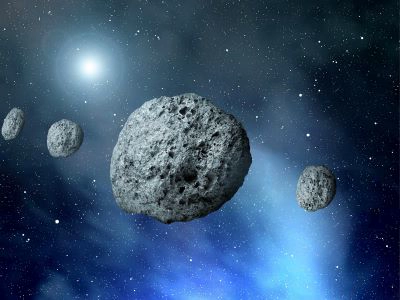
(noun) 小行星
示例:
Scientists are tracking an asteroid that might pass close to Earth.
科学家正在追踪一颗可能靠近地球的小行星。
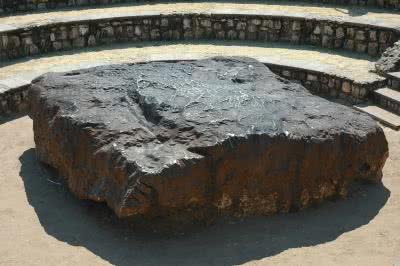
/-t̬i.ə.raɪt/
(noun) 陨石
示例:
Scientists found a large meteorite in the desert.
科学家在沙漠中发现了一块大型陨石。
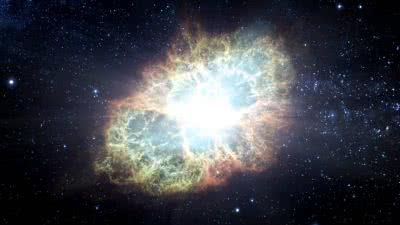
/ˌsuː.pɚˈnoʊ.və/
(noun) 超新星
示例:
The distant galaxy was home to a spectacular supernova.
遥远的星系是壮观的超新星的所在地。

/ˌkɑːn.stəˈleɪ.ʃən/
(noun) 星座, 集合, 群
示例:
Orion is a prominent constellation visible in the winter sky.
猎户座是冬季天空中可见的一个突出星座。
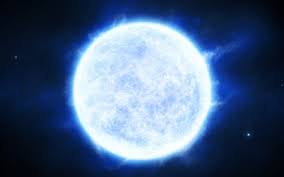
/waɪt dwɔːrf/
(noun) 白矮星
示例:
The Sun will eventually become a white dwarf after it sheds its outer layers.
太阳在脱落外层后最终将变成一颗白矮星。
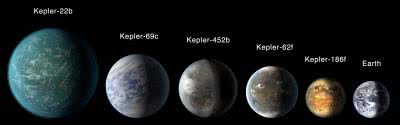
/ˈek.soʊˌplæn.ɪt/
(noun) 系外行星
示例:
Scientists have discovered thousands of exoplanets.
科学家们已经发现了数千颗系外行星。
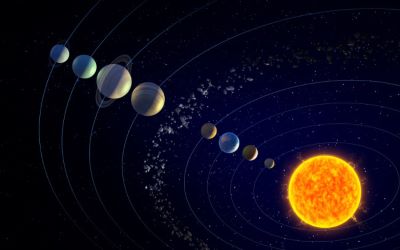
/ˈæs.tə.rɔɪd belt/
(noun) 小行星带
示例:
Most of the asteroids in our solar system are located in the asteroid belt.
太阳系中的大多数小行星都位于小行星带中。
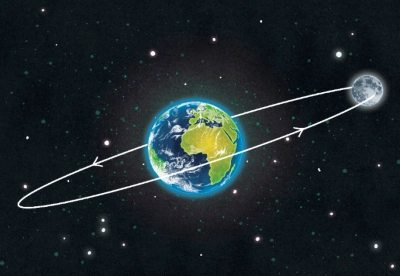
/ˈɔːr.bɪt/
(noun) 轨道, 势力范围, 影响范围;
(verb) 绕轨道运行, 环绕
示例:
The Earth revolves around the Sun in an elliptical orbit.
地球以椭圆形轨道绕太阳公转。

/ˌrev.əˈluː.ʃən/
(noun) 革命, 巨变, 革新
示例:
The French Revolution changed the course of history.
法国大革命改变了历史的进程。
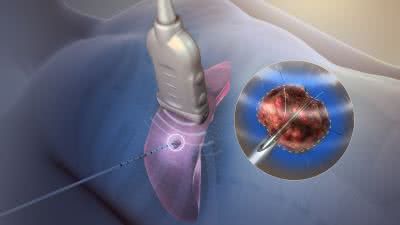
/ˌæbˈleɪ.ʃən/
(noun) 消融, 切除, 融化
示例:
The patient underwent a cardiac ablation to correct an irregular heartbeat.
患者接受了心脏消融术以纠正心律不齐。

/kəˈroʊ.nə/
(noun) 日冕, 冠状病毒, 新冠
示例:
During the total solar eclipse, the sun's corona became visible.
在日全食期间,太阳的日冕变得可见。

/fler/
(noun) 闪光, 信号弹, 照明弹;
(verb) 闪耀, 燃起, 散开
示例:
A sudden flare of light illuminated the night sky.
一道突然的光芒照亮了夜空。
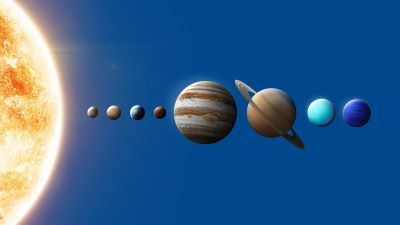
/ˈplæn.ɪ.ter.i/
(adjective) 行星的, 全球的, 世界的
示例:
The scientist studied the planetary orbits.
科学家研究了行星轨道。
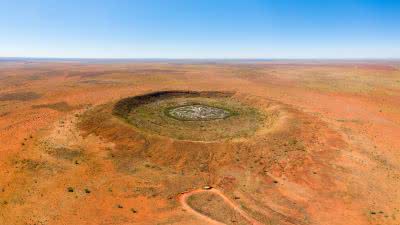
/ˈkreɪ.t̬ɚ/
(noun) 陨石坑, 火山口;
(verb) 形成陨石坑, 使...出现坑
示例:
The meteor left a massive crater in the desert.
陨石在沙漠中留下了一个巨大的陨石坑。

/ˌek.strə.təˈres.tri.əl/
(adjective) 外星的, 地球外的;
(noun) 外星人, 外星生物
示例:
Scientists are searching for signs of extraterrestrial life.
科学家们正在寻找外星生命的迹象。
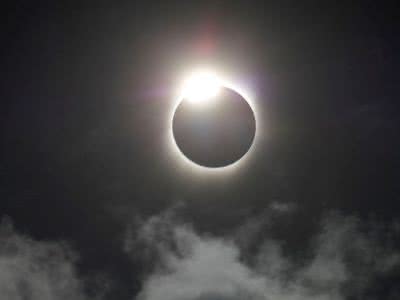
/ɪˈklɪps/
(noun) 食, 蚀, 衰落;
(verb) 盖过, 使失色
示例:
A total solar eclipse will be visible next year.
明年将出现一次日全食。

/ˌɪn.t̬ɚˈstel.ɚ/
(adjective) 星际的
示例:
The spacecraft is traveling through interstellar space.
这艘飞船正在星际空间中穿行。
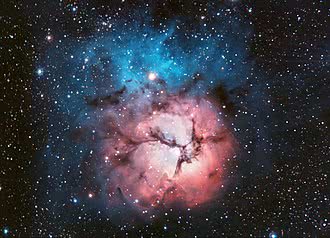
/ˈneb.jə.lə/
(noun) 星云
示例:
The Orion Nebula is a well-known star-forming region.
猎户座星云是一个著名的恒星形成区。
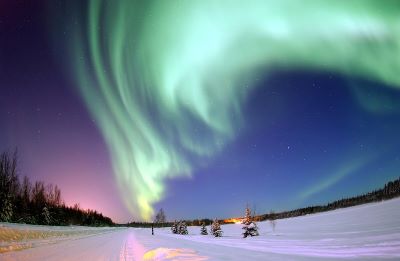
/ɔːˈrɔːr.ə/
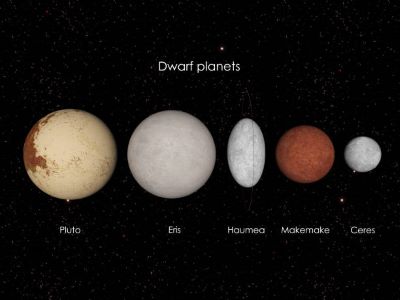
/dwɔːrf ˈplæn.ɪt/
(noun) 矮行星
示例:
Pluto was reclassified as a dwarf planet in 2006.
冥王星在2006年被重新归类为矮行星。
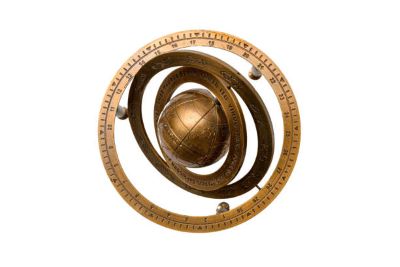
/ˈɑːr.mə.ler.i sfɪr/
(noun) 浑天仪, 浑象
示例:
The astronomer used an armillary sphere to demonstrate the movement of celestial bodies.
天文学家使用浑天仪来演示天体的运行。

/ˌer.əˈnɑː.t̬ɪks/
(noun) 航空学, 航空术
示例:
She is studying aeronautics at a prestigious university.
她正在一所著名大学学习航空学。
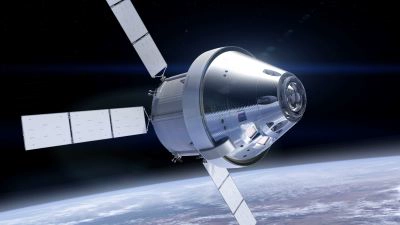
/ˈspeɪs.kræft/
(noun) 宇宙飞船, 航天器
示例:
The spacecraft successfully landed on Mars.
宇宙飞船成功降落在火星上。

/lɑːntʃ/
(verb) 推出, 发起, 发射;
(noun) 发布, 发射
示例:
The company plans to launch a new product next quarter.
公司计划下季度推出新产品。
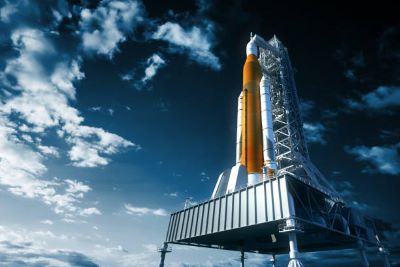
/ˈlɑːntʃ ˌpæd/
(noun) 发射台, 发射场, 跳板
示例:
The rocket stood ready on the launch pad.
火箭在发射台上准备就绪。
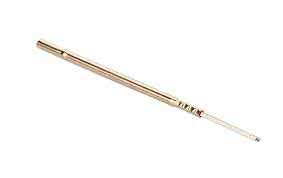
/proʊb/
(noun) 探针, 探测器, 太空探测器;
(verb) 探查, 探测, 调查
示例:
The surgeon used a probe to examine the extent of the injury.
外科医生用探针检查伤势的程度。
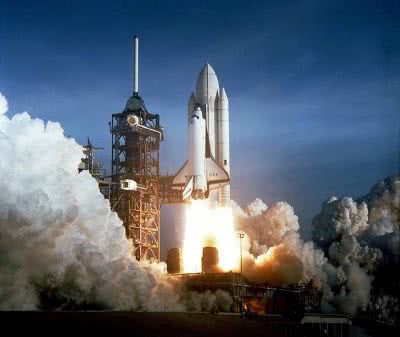
/ˈspeɪs ˌʃʌt.l̩/
(noun) 航天飞机
示例:
The space shuttle launched successfully this morning.
航天飞机今天早上成功发射。
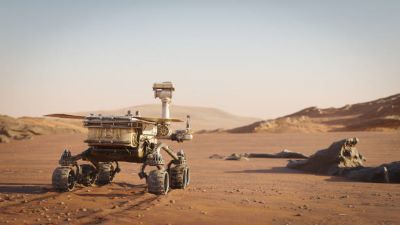
/ˈroʊ.vɚ/
(noun) 流浪者, 漫游者, 探测车
示例:
He was a restless rover, always seeking new adventures.
他是一个不安分的流浪者,总是寻求新的冒险。