Avatar of Vocabulary Set 천문학 및 항공우주과학

SAT 과학 어휘 내 천문학 및 항공우주과학 어휘 세트: 완전하고 상세한 목록

'SAT 과학 어휘' 내 '천문학 및 항공우주과학' 어휘 세트는 국제 표준 교재 출처에서 엄선되어 짧은 시간 안에 어휘를 마스터할 수 있도록 도와줍니다. 정의, 예문, 표준 발음을 완벽하게 수록...

Lingoland에서 이 어휘 세트 학습하기

지금 학습하기
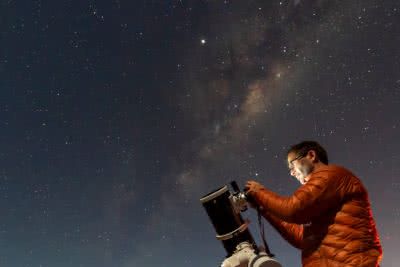
astronomer

/əˈstrɑː.nə.mɚ/

(noun) 천문학자

예시:

The astronomer observed distant galaxies through the powerful telescope.
천문학자는 강력한 망원경으로 먼 은하들을 관측했다.

astrophysicist

/ˌæs.troʊˈfɪz.ɪ.sɪst/

(noun) 천체 물리학자

예시:

The astrophysicist explained how black holes are formed.
천체 물리학자는 블랙홀이 어떻게 형성되는지 설명했다.

planetarium

/ˌplæn.ɪˈter.i.əm/

(noun) 천문관, 플라네타륨

예시:

We visited the local planetarium to learn about the constellations.
우리는 별자리에 대해 배우기 위해 지역 천문관을 방문했다.

observatory

/əbˈzɝː.və.tɔːr.i/

celestial

/sɪˈles.tʃəl/

(adjective) 천체의, 하늘의, 천상의

예시:

Astronomers study celestial bodies like stars and planets.
천문학자들은 별과 행성 같은 천체를 연구한다.

asteroid

/ˈæs.tə.rɔɪd/

(noun) 소행성

예시:

Scientists are tracking an asteroid that might pass close to Earth.
과학자들은 지구 근처를 지나갈 수도 있는 소행성을 추적하고 있다.

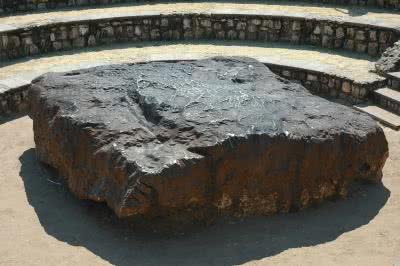
meteorite

/-t̬i.ə.raɪt/

(noun) 운석

예시:

Scientists found a large meteorite in the desert.
과학자들은 사막에서 큰 운석을 발견했다.

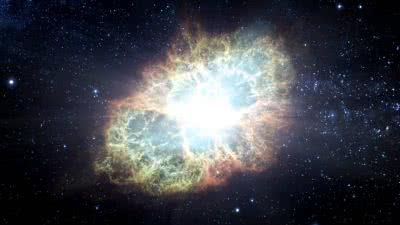
supernova

/ˌsuː.pɚˈnoʊ.və/

(noun) 초신성

예시:

The distant galaxy was home to a spectacular supernova.
멀리 떨어진 은하는 장엄한 초신성의 고향이었다.

constellation

/ˌkɑːn.stəˈleɪ.ʃən/

(noun) 별자리, 집합, 모음

예시:

Orion is a prominent constellation visible in the winter sky.
오리온은 겨울 하늘에서 볼 수 있는 눈에 띄는 별자리이다.

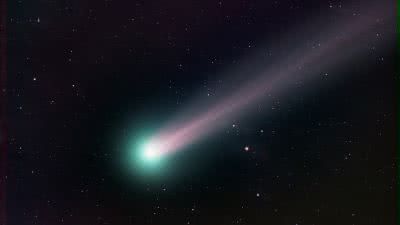
comet

/ˈkɑː.mɪt/

(noun) 혜성

예시:

Halley's Comet is one of the most famous comets.
핼리 혜성은 가장 유명한 혜성 중 하나이다.

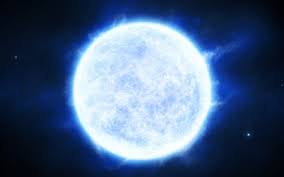
white dwarf

/waɪt dwɔːrf/

(noun) 백색 왜성

예시:

The Sun will eventually become a white dwarf after it sheds its outer layers.
태양은 외층을 방출한 후 결국 백색 왜성이 될 것입니다.

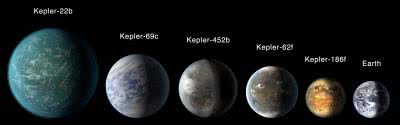
exoplanet

/ˈek.soʊˌplæn.ɪt/

(noun) 외계 행성

예시:

Scientists have discovered thousands of exoplanets.
과학자들은 수천 개의 외계 행성을 발견했습니다.

asteroid belt

/ˈæs.tə.rɔɪd belt/

(noun) 소행성대

예시:

Most of the asteroids in our solar system are located in the asteroid belt.
우리 태양계의 대부분의 소행성은 소행성대에 위치해 있습니다.

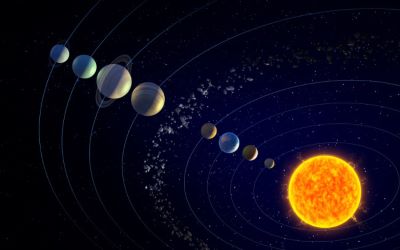
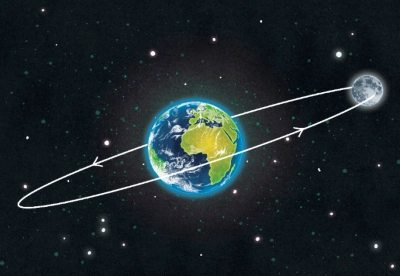
orbit

/ˈɔːr.bɪt/

(noun) 궤도, 영향권, 활동 범위;

(verb) 공전하다, 궤도를 돌다

예시:

The Earth revolves around the Sun in an elliptical orbit.
지구는 타원형 궤도로 태양 주위를 공전한다.

revolution

/ˌrev.əˈluː.ʃən/

(noun) 혁명, 대변혁, 혁신

예시:

The French Revolution changed the course of history.
프랑스 혁명은 역사의 흐름을 바꾸었다.

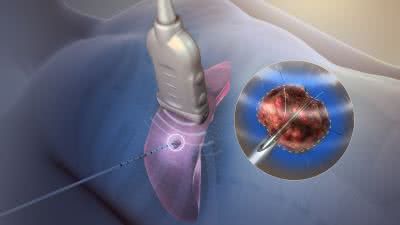
ablation

/ˌæbˈleɪ.ʃən/

(noun) 절제술, 제거, 소실

예시:

The patient underwent a cardiac ablation to correct an irregular heartbeat.
환자는 불규칙한 심장 박동을 교정하기 위해 심장 절제술을 받았다.

corona

/kəˈroʊ.nə/

(noun) 코로나, 태양 코로나, 코로나바이러스

예시:

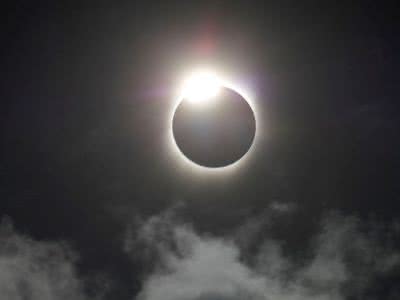
During the total solar eclipse, the sun's corona became visible.
개기일식 동안 태양의 코로나가 보였다.

flare

/fler/

(noun) 섬광, 불꽃, 신호탄;

(verb) 활활 타오르다, 번쩍이다, 퍼지다

예시:
A sudden flare of light illuminated the night sky.
갑작스러운 빛의 섬광이 밤하늘을 밝혔다.

planetary

/ˈplæn.ɪ.ter.i/

(adjective) 행성의, 행성적인, 전 세계적인

예시:

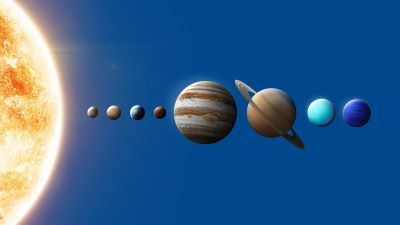
The scientist studied the planetary orbits.
과학자는 행성 궤도를 연구했다.

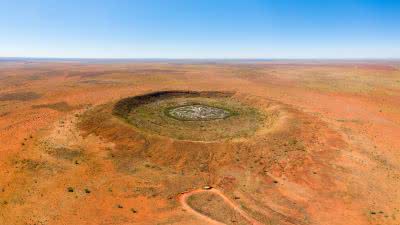
crater

/ˈkreɪ.t̬ɚ/

(noun) 분화구, 움푹 들어간 곳;

(verb) 분화구를 만들다, 움푹 들어가게 하다

예시:

The meteor left a massive crater in the desert.
그 운석은 사막에 거대한 분화구를 남겼다.

extraterrestrial

/ˌek.strə.təˈres.tri.əl/

(adjective) 지구 밖의, 외계의;

(noun) 외계인, 지구 밖 생명체

예시:
Scientists are searching for signs of extraterrestrial life.
과학자들은 지구 밖 생명체의 흔적을 찾고 있다.

eclipse

/ɪˈklɪps/

(noun) 식, 일식, 월식;

(verb) 압도하다, 빛을 잃게 하다

예시:

A total solar eclipse will be visible next year.
내년에 개기일이 보일 것이다.

interstellar

/ˌɪn.t̬ɚˈstel.ɚ/

(adjective) 성간의

예시:

The spacecraft is traveling through interstellar space.
그 우주선은 성간 우주를 여행하고 있다.

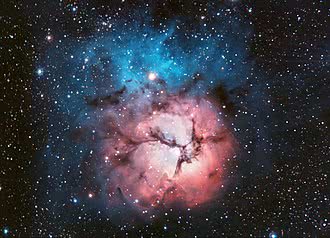
nebula

/ˈneb.jə.lə/

(noun) 성운

예시:

The Orion Nebula is a well-known star-forming region.
오리온 성운은 잘 알려진 별 형성 지역이다.

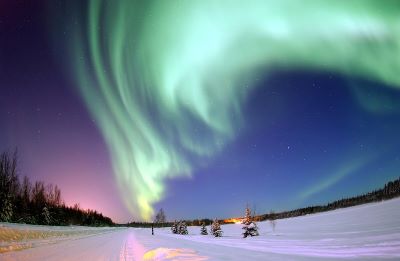
aurora

/ɔːˈrɔːr.ə/

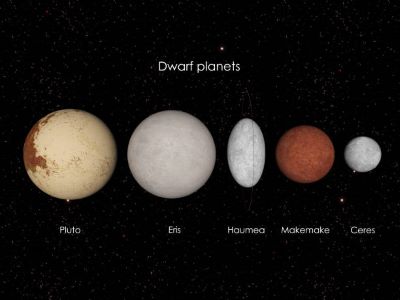
dwarf planet

/dwɔːrf ˈplæn.ɪt/

(noun) 왜소행성

예시:

Pluto was reclassified as a dwarf planet in 2006.
명왕성은 2006년에 왜소행성으로 재분류되었습니다.

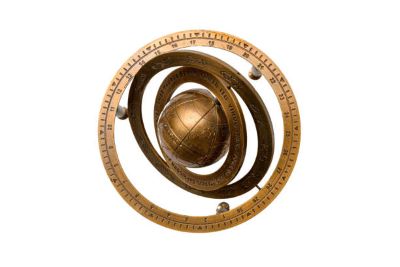
armillary sphere

/ˈɑːr.mə.ler.i sfɪr/

(noun) 혼천의

예시:

The astronomer used an armillary sphere to demonstrate the movement of celestial bodies.
천문학자는 천체의 움직임을 설명하기 위해 혼천의를 사용했다.

aeronautics

/ˌer.əˈnɑː.t̬ɪks/

(noun) 항공학, 항공술

예시:

She is studying aeronautics at a prestigious university.
그녀는 명문 대학에서 항공학을 공부하고 있습니다.

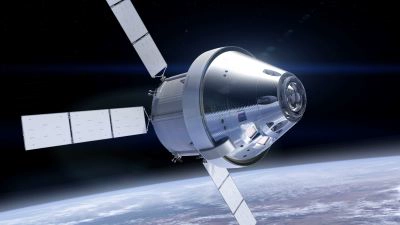
spacecraft

/ˈspeɪs.kræft/

(noun) 우주선, 우주 비행체

예시:

The spacecraft successfully landed on Mars.
우주선은 화성에 성공적으로 착륙했다.

launch

/lɑːntʃ/

(verb) 출시하다, 시작하다, 발사하다;

(noun) 출시, 발사

예시:
The company plans to launch a new product next quarter.
회사는 다음 분기에 신제품을 출시할 계획이다.

launch pad

/ˈlɑːntʃ ˌpæd/

(noun) 발사대, 발판, 도약대

예시:

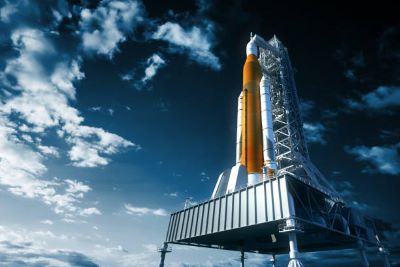
The rocket stood ready on the launch pad.
로켓이 발사대 위에서 준비를 마쳤다.

probe

/proʊb/

(noun) 탐침, 탐사기, 우주 탐사선;

(verb) 탐색하다, 조사하다

예시:
The surgeon used a probe to examine the extent of the injury.
외과 의사는 부상 정도를 확인하기 위해 탐침을 사용했다.

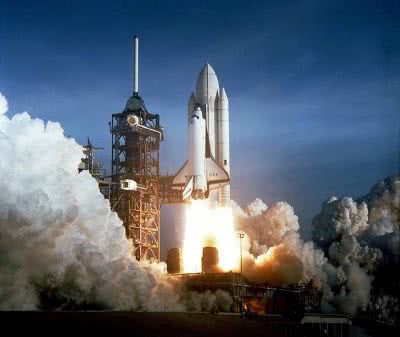
space shuttle

/ˈspeɪs ˌʃʌt.l̩/

(noun) 우주왕복선

예시:

The space shuttle launched successfully this morning.
우주왕복선이 오늘 아침 성공적으로 발사되었다.

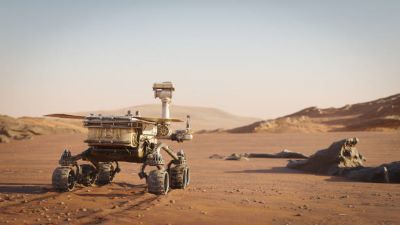
rover

/ˈroʊ.vɚ/

(noun) 방랑자, 유랑자, 탐사 로봇

예시:

He was a restless rover, always seeking new adventures.
그는 끊임없이 새로운 모험을 찾아다니는 방랑자였다.
Lingoland에서 이 어휘 세트 학습하기