Avatar of Vocabulary Set 意見

人文科学に関連するSAT語彙 内 意見 語彙セット:完全かつ詳細なリスト

「人文科学に関連するSAT語彙」内の「意見」語彙セットは国際標準教材から厳選され、短期間で語彙をマスターできます。定義、例文、標準発音を網羅…

Lingolandでこの語彙セットを学習

今すぐ学習

standpoint

/ˈstænd.pɔɪnt/

(noun) 観点, 視点

例:

From an economic standpoint, the decision was sound.
経済的な観点から見ると、その決定は妥当だった。

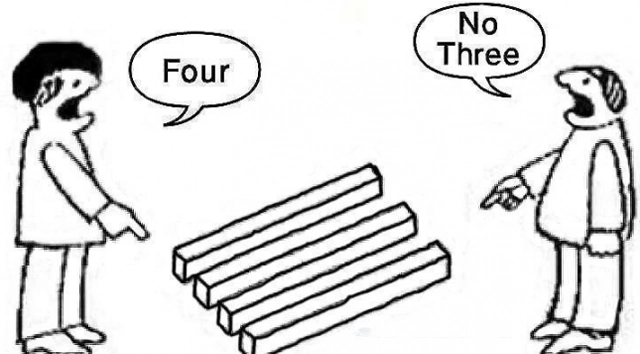
perspective

/pɚˈspek.tɪv/

(noun) 視点, 観点, 遠近法

例:

Her unique perspective on the issue offered new insights.
その問題に対する彼女のユニークな視点は、新しい洞察をもたらした。

viewpoint

/ˈvjuː.pɔɪnt/

(noun) 見解, 視点, 眺望地点

例:

From my viewpoint, the decision was fair.
私の見解では、その決定は公平でした。

conviction

/kənˈvɪk.ʃən/

(noun) 有罪判決, 判決, 確信

例:

The jury returned a conviction after only two hours of deliberation.
陪審員はわずか2時間の審議の後、有罪判決を下した。

impression

/ɪmˈpreʃ.ən/

(noun) 印象, 物まね, 模倣

例:

My first impression of him was that he was very kind.
彼に対する私の最初の印象は、とても親切な人だということでした。

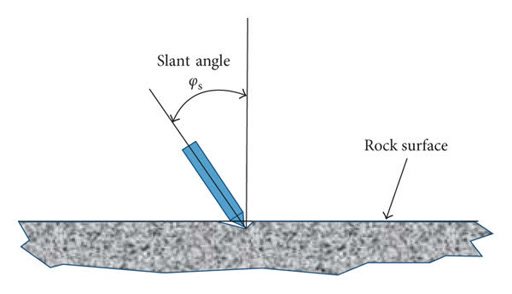
slant

/slænt/

(noun) 偏り, 傾向, 視点;

(verb) 傾く, 斜めになる, 歪曲する

例:

The news report had a clear political slant.
そのニュース報道には明確な政治的偏りがあった。

preconception

/ˌpriː.kənˈsep.ʃən/

(noun) 先入観, 予断, 偏見

例:

It's important to approach new cultures without preconceptions.
新しい文化には先入観なしで接することが重要です。

objection

/əbˈdʒek.ʃən/

(noun) 異議, 反対

例:

My main objection is the cost.
私の主な異議は費用です。

discord

/ˈdɪs.kɔːrd/

(noun) 不和, 不一致, 不協和音;

(verb) 不一致である, 不調和である;

(trademark) Discord, Discordプラットフォーム

例:

There was much discord among the committee members.
委員会メンバーの間には多くの不和があった。

morale

/məˈræl/

(noun) 士気, 意気込み

例:

The team's morale was high after their big win.
大勝利の後、チームの士気は高かった。

unanimity

/ˌjuː.nəˈnɪm.ə.t̬i/

(noun) 満場一致, 全員一致

例:

The decision was made with complete unanimity.
その決定は完全な満場一致で行われた。

consensus

/kənˈsen.səs/

(noun) 合意, 意見の一致

例:

There is a growing consensus among scientists that climate change is real.
気候変動が現実であるという科学者の間でコンセンサスが高まっている。

chastisement

/tʃæsˈtaɪz.mənt/

(noun) 懲らしめ, 折檻, 叱責

例:

The child received a severe chastisement for his disobedience.
その子は不従順のために厳しい懲らしめを受けた。

distaste

/dɪsˈteɪst/

(noun) 嫌悪, 不快感;

(verb) 嫌う, 嫌悪する

例:

She has a strong distaste for gossip.
彼女は噂話に対して強い嫌悪感を抱いている。

detractor

/dɪˈtræk.tɚ/

(noun) 批判者, 中傷者

例:

Despite the film's success, it still has many detractors.
映画の成功にもかかわらず、依然として多くの批判者がいる。

naysayer

/ˈneɪˌseɪ.ɚ/

(noun) 反対者, 否定的な人

例:

Despite the warnings from naysayers, the mission was a success.
反対者たちの警告にもかかわらず、任務は成功した。

contrarian

/kənˈtrer.i.ən/

(noun) 逆張り屋, 反対論者;

(adjective) 逆張り的な, 反対の

例:

He's always been a contrarian, arguing against popular beliefs.
彼は常に逆張り屋で、一般的な信念に反対してきた。

dissenter

/dɪˈsen.t̬ɚ/

(noun) 反対者, 異議を唱える者

例:

The lone dissenter in the group voiced his objections to the proposal.
グループ内の唯一の反対者は、その提案に対する異議を表明した。

antagonistic

/ænˌtæɡ.ənˈɪs.tɪk/

(adjective) 敵対的な, 反目する

例:

He has always been antagonistic toward new ideas.
彼は常に新しい考えに対して敵対的でした。

discretion

/dɪˈskreʃ.ən/

(noun) 慎重さ, 思慮分別, 裁量

例:

She handled the sensitive matter with great discretion.
彼女はデリケートな問題を非常に慎重に扱った。

reception

/rɪˈsep.ʃən/

(noun) 受け入れ, 歓迎, レセプション

例:

The reception of the new policy was mixed.
新しい政策の受け入れはまちまちだった。

preferential

/ˌpref.ərˈen.ʃəl/

(adjective) 優遇の, 優先的な

例:

Some customers receive preferential treatment.
一部の顧客は優遇措置を受けます。

unexceptionable

/ˌʌn.ɪkˈsep.ʃən.ə.bəl/

(adjective) 申し分のない, 非の打ち所がない

例:

Her conduct throughout the trial was unexceptionable.
裁判中の彼女の振る舞いは申し分のないものだった。

impartial

/ɪmˈpɑːr.ʃəl/

(adjective) 公平な, 中立な, 偏りのない

例:

A judge must remain impartial throughout the trial.
裁判官は裁判中ずっと公平でなければならない。

unbiased

/ʌnˈbaɪəst/

(adjective) 公平な, 偏りのない, 中立な

例:

A good journalist should always strive to be unbiased in their reporting.
優れたジャーナリストは、報道において常に公平であるよう努めるべきです。

averse

/əˈvɝːs/

(adjective) 嫌って, 反対して, 気が進まない

例:

He is not averse to hard work.
彼は懸命な努力を嫌がらない

disfavor

/dɪsˈfeɪ.vɚ/

(noun) 不興, 不評;

(verb) 嫌う, 不利にする

例:

The minister fell into disfavor with the king.
大臣は王の不興を買った。

opt

/ɑːpt/

(verb) 選択する, 選ぶ

例:

You can opt for a refund or a replacement.
返金または交換を選択できます。

despise

/dɪˈspaɪz/

(verb) 軽蔑する, 嫌悪する

例:

She despises him for his dishonesty.
彼女は彼の不誠実さを軽蔑している

fault

/fɑːlt/

(noun) 欠点, 過失, 責任;

(verb) 非難する, 欠点を見つける

例:

It's not my fault that the car broke down.
車が故障したのは私のせいではありません。

remark

/rɪˈmɑːrk/

(noun) 発言, コメント;

(verb) 述べる, コメントする

例:

He made a rude remark about her dress.
彼は彼女のドレスについて失礼な発言をした。

contend

/kənˈtend/

(verb) 闘う, 対処する, 主張する

例:

She had to contend with a serious illness.
彼女は深刻な病気と闘わなければならなかった。

critique

/krɪˈtiːk/

(noun) 批評, 評論;

(verb) 批評する, 分析する

例:

The professor provided a thorough critique of the student's essay.
教授は学生のエッセイに徹底的な批評を与えた。

acclaim

/əˈkleɪm/

(verb) 絶賛する, 喝采する, 称賛する;

(noun) 絶賛, 喝采, 称賛

例:

The critics acclaimed her performance as a masterpiece.
批評家たちは彼女の演技を傑作だと絶賛した

laud

/lɑːd/

(verb) 称賛する, 賛美する;

(noun) 賛歌, 賛美

例:

The critics lauded her performance in the play.
批評家たちは彼女の劇での演技を称賛した

exalt

/ɪɡˈzɑːlt/

(verb) 賛美する, 高める, 昇進させる

例:

The choir will exalt the Lord with their songs.
聖歌隊は歌で主を賛美するだろう。

repudiate

/rɪˈpjuː.di.eɪt/

(verb) 拒否する, 否認する, 履行を拒否する

例:

She decided to repudiate the accusations made against her.
彼女は自分に向けられた告発を拒否することにした。

concur

/kənˈkɝː/

(verb) 同意する, 一致する, 同時に起こる

例:

I concur with your assessment of the situation.
私はあなたの状況判断に同意します

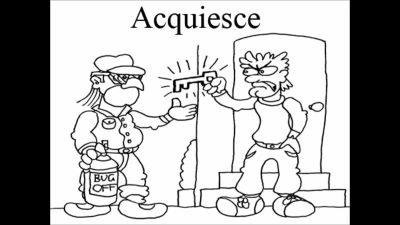
acquiesce

/ˌæk.wiˈes/

(verb) 黙認する, しぶしぶ同意する

例:

She will acquiesce to their demands.
彼女は彼らの要求に黙認するだろう。

idolize

/ˈaɪ.dəl.aɪz/

(verb) 崇拝する, 偶像化する

例:

Many young children idolize professional athletes.
多くの幼い子供たちがプロのアスリートを崇拝している

conclude

/kənˈkluːd/

(verb) 終える, 締めくくる, 結論付ける

例:

The meeting concluded with a vote.
会議は投票で終了した
Lingolandでこの語彙セットを学習