Avatar of Vocabulary Set 观点

词汇集 观点(属于 SAT人文相关词汇):完整且详细的清单

词汇集「观点」(属于「SAT人文相关词汇」)从国际标准教材来源精心挑选,帮助您在短时间内掌握词汇。全面汇整定义、例句及标准发音…

在 Lingoland 学习此词汇集

立即学习

standpoint

/ˈstænd.pɔɪnt/

(noun) 观点, 立场

示例:

From an economic standpoint, the decision was sound.
从经济角度来看,这个决定是明智的。

perspective

/pɚˈspek.tɪv/

(noun) 视角, 观点, 透视

示例:

Her unique perspective on the issue offered new insights.
她对这个问题的独特视角提供了新的见解。

viewpoint

/ˈvjuː.pɔɪnt/

(noun) 观点, 看法, 观景点

示例:

From my viewpoint, the decision was fair.
从我的观点来看,这个决定是公平的。

conviction

/kənˈvɪk.ʃən/

(noun) 定罪, 判决, 信念

示例:

The jury returned a conviction after only two hours of deliberation.
陪审团经过仅仅两小时的审议就作出了有罪判决

impression

/ɪmˈpreʃ.ən/

(noun) 印象, 模仿, 滑稽模仿

示例:

My first impression of him was that he was very kind.
我对他的第一印象是他非常善良。

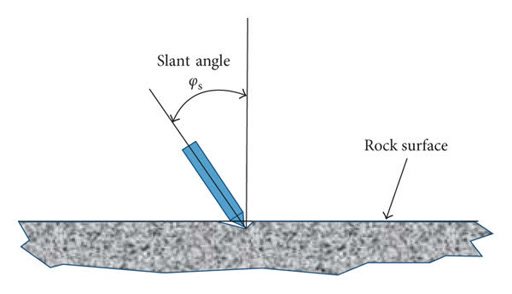
slant

/slænt/

(noun) 倾向, 偏见, 观点;

(verb) 倾斜, 斜向, 歪曲

示例:

The news report had a clear political slant.
这篇新闻报道有明显的政治倾向

preconception

/ˌpriː.kənˈsep.ʃən/

(noun) 先入之见, 偏见, 成见

示例:

It's important to approach new cultures without preconceptions.
重要的是在接触新文化时不要带有先入之见

objection

/əbˈdʒek.ʃən/

(noun) 异议, 反对

示例:

My main objection is the cost.
我主要的异议是费用。

discord

/ˈdɪs.kɔːrd/

(noun) 不和, 不一致, 纷争;

(verb) 不一致, 不协调;

(trademark) Discord, Discord平台

示例:

There was much discord among the committee members.
委员会成员之间存在很多不和

morale

/məˈræl/

(noun) 士气, 斗志

示例:

The team's morale was high after their big win.
大胜之后,团队的士气很高。

unanimity

/ˌjuː.nəˈnɪm.ə.t̬i/

(noun) 一致, 全体同意

示例:

The decision was made with complete unanimity.
该决定是在完全一致的情况下做出的。

consensus

/kənˈsen.səs/

(noun) 共识, 一致意见

示例:

There is a growing consensus among scientists that climate change is real.
科学家们之间日益形成共识,认为气候变化是真实的。

chastisement

/tʃæsˈtaɪz.mənt/

(noun) 惩罚, 惩戒, 责备

示例:

The child received a severe chastisement for his disobedience.
那个孩子因为不听话而受到了严厉的惩罚

distaste

/dɪsˈteɪst/

(noun) 厌恶, 反感;

(verb) 讨厌, 不喜欢

示例:

She has a strong distaste for gossip.
她非常厌恶闲言碎语。

detractor

/dɪˈtræk.tɚ/

(noun) 诋毁者, 贬低者

示例:

Despite the film's success, it still has many detractors.
尽管电影取得了成功,但仍有许多诋毁者

naysayer

/ˈneɪˌseɪ.ɚ/

(noun) 反对者, 唱反调的人

示例:

Despite the warnings from naysayers, the mission was a success.
尽管有反对者的警告,任务还是成功了。

contrarian

/kənˈtrer.i.ən/

(noun) 逆向思维者, 反向操作者;

(adjective) 逆向的, 反向的

示例:

He's always been a contrarian, arguing against popular beliefs.
他一直是个逆向思维者,反对流行的观点。

dissenter

/dɪˈsen.t̬ɚ/

(noun) 异议者, 持不同政见者

示例:

The lone dissenter in the group voiced his objections to the proposal.
小组中唯一的异议者表达了他对提案的反对意见。

antagonistic

/ænˌtæɡ.ənˈɪs.tɪk/

(adjective) 敌对的, 对抗的

示例:

He has always been antagonistic toward new ideas.
他一直对新想法持敌对态度。

discretion

/dɪˈskreʃ.ən/

(noun) 谨慎, 慎重, 自由裁量权

示例:

She handled the sensitive matter with great discretion.
她以极大的谨慎处理了敏感事务。

reception

/rɪˈsep.ʃən/

(noun) 接收, 反响, 招待会

示例:

The reception of the new policy was mixed.
新政策的反响褒贬不一。

preferential

/ˌpref.ərˈen.ʃəl/

(adjective) 优惠的, 优先的

示例:

Some customers receive preferential treatment.
一些客户获得优惠待遇。

unexceptionable

/ˌʌn.ɪkˈsep.ʃən.ə.bəl/

(adjective) 无可挑剔的, 无懈可击的

示例:

Her conduct throughout the trial was unexceptionable.
她在整个审判过程中的表现是无可挑剔的

impartial

/ɪmˈpɑːr.ʃəl/

(adjective) 公正的, 无偏见的, 中立的

示例:

A judge must remain impartial throughout the trial.
法官在审判过程中必须保持公正

unbiased

/ʌnˈbaɪəst/

(adjective) 公正的, 无偏见的, 客观的

示例:

A good journalist should always strive to be unbiased in their reporting.
一个好的记者在报道中应该始终力求公正

averse

/əˈvɝːs/

(adjective) 厌恶的, 反对的, 不情愿的

示例:

He is not averse to hard work.
他不厌恶辛勤工作。

disfavor

/dɪsˈfeɪ.vɚ/

(noun) 失宠, 不喜欢;

(verb) 不赞成, 不利于

示例:

The minister fell into disfavor with the king.
这位大臣失去了国王的宠信

opt

/ɑːpt/

(verb) 选择, 挑选

示例:

You can opt for a refund or a replacement.
您可以选择退款或更换。

despise

/dɪˈspaɪz/

(verb) 鄙视, 蔑视

示例:

She despises him for his dishonesty.
她因他的不诚实而鄙视他。

fault

/fɑːlt/

(noun) 缺点, 过失, 错误;

(verb) 指责, 挑剔

示例:

It's not my fault that the car broke down.
车坏了不是我的

remark

/rɪˈmɑːrk/

(noun) 评论, 言论;

(verb) 评论, 说

示例:

He made a rude remark about her dress.
他对她的裙子发表了粗鲁的评论

contend

/kənˈtend/

(verb) 与...作斗争, 处理, 主张

示例:

She had to contend with a serious illness.
她不得不重病作斗争

critique

/krɪˈtiːk/

(noun) 评论, 批判;

(verb) 评论, 批判

示例:

The professor provided a thorough critique of the student's essay.
教授对学生的论文进行了透彻的评论

acclaim

/əˈkleɪm/

(verb) 称赞, 喝彩, 赞扬;

(noun) 赞扬, 喝彩, 好评

示例:

The critics acclaimed her performance as a masterpiece.
评论家们称赞她的表演是杰作。

laud

/lɑːd/

(verb) 赞扬, 称赞;

(noun) 赞美诗, 赞歌

示例:

The critics lauded her performance in the play.
评论家们称赞了她在剧中的表演。

exalt

/ɪɡˈzɑːlt/

(verb) 颂扬, 提升, 赞扬

示例:

The choir will exalt the Lord with their songs.
唱诗班将用歌声颂扬主。

repudiate

/rɪˈpjuː.di.eɪt/

(verb) 否认, 拒绝, 拒绝履行

示例:

She decided to repudiate the accusations made against her.
她决定否认对她的指控。

concur

/kənˈkɝː/

(verb) 同意, 赞同, 同时发生

示例:

I concur with your assessment of the situation.
同意你对情况的评估。

acquiesce

/ˌæk.wiˈes/

(verb) 默许, 默认

示例:

She will acquiesce to their demands.
她将默许他们的要求。

idolize

/ˈaɪ.dəl.aɪz/

(verb) 崇拜, 偶像化

示例:

Many young children idolize professional athletes.
许多小孩子崇拜职业运动员。

conclude

/kənˈkluːd/

(verb) 结束, 总结, 得出结论

示例:

The meeting concluded with a vote.
会议以投票结束
在 Lingoland 学习此词汇集