Avatar of Vocabulary Set 利便性と創造性

SAT試験に必須の語彙 内 利便性と創造性 語彙セット:完全かつ詳細なリスト

「SAT試験に必須の語彙」内の「利便性と創造性」語彙セットは国際標準教材から厳選され、短期間で語彙をマスターできます。定義、例文、標準発音を網羅…

Lingolandでこの語彙セットを学習

今すぐ学習

accessory

/əkˈses.ər.i/

(noun) アクセサリー, 付属品, 共犯者;

(adjective) 共犯の, 従犯の

例:
She bought a new phone accessory.
彼女は新しい携帯電話のアクセサリーを買った。

merit

/ˈmer.ɪt/

(noun) 価値, 長所, 功績;

(verb) 値する, ふさわしい

例:

The proposal has considerable merit.
その提案にはかなりの価値がある。

application

/ˌæp.ləˈkeɪ.ʃən/

(noun) 応募, 申請, 応用

例:

I submitted my application for the new job.
新しい仕事の応募を提出しました。

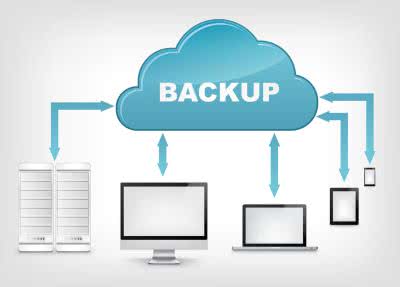
backup

/ˈbæk.ʌp/

(noun) バックアップ, 控え, サポート;

(verb) バックアップする, 控えを取る;

(adjective) バックアップの, 控えの

例:
Always make a backup of your important documents.
重要なドキュメントは常にバックアップを取ってください。

makeshift

/ˈmeɪk.ʃɪft/

(adjective) 急造の, 間に合わせの;

(noun) 代用品, 間に合わせ

例:
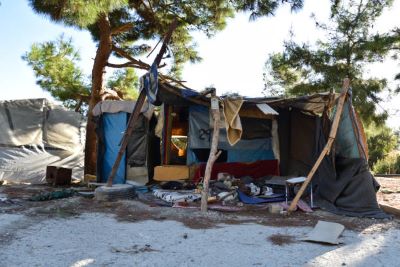
The refugees slept in makeshift tents made of plastic sheets.
難民たちはビニールシートで作られた急造のテントで眠った。

stopgap

/ˈstɑːp.ɡæp/

(noun) 一時しのぎ, 穴埋め;

(adjective) 一時しのぎの, 暫定的な

例:
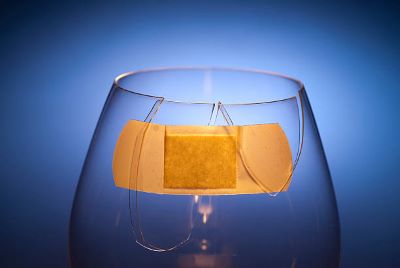
The arrangement was only intended as a stopgap until a permanent solution could be found.
その取り決めは、恒久的な解決策が見つかるまでの一時しのぎに過ぎなかった。

efficiency

/ɪˈfɪʃ.ən.si/

(noun) 効率, 能率

例:

The new system improved the efficiency of the production line.
新しいシステムは生産ラインの効率を向上させた。

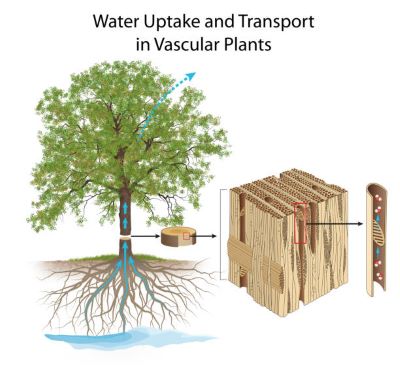
uptake

/ˈʌp.teɪk/

(noun) 吸収, 取り込み, 採用

例:

The plant's uptake of water was slow due to the dry soil.
乾燥した土壌のため、植物の水の吸収は遅かった。

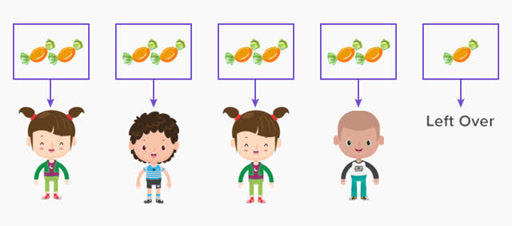
remainder

/rɪˈmeɪn.dɚ/

(noun) 残り, 残余, 余り

例:

He spent the remainder of his life in peace.
彼は人生の残りを平和に過ごした。

contribution

/ˌkɑːn.trɪˈbjuː.ʃən/

(noun) 貢献, 寄付, 寄与

例:

We made a significant contribution to the charity.
私たちは慈善団体に多大な貢献をしました。

complementary

/ˌkɑːm.pləˈmen.t̬ɚ.i/

(adjective) 補完的な, 相補的な

例:

The two colors are complementary and look great together.
この2色は補完的で、一緒に見ると素晴らしい。

impractical

/ɪmˈpræk.tɪ.kəl/

(adjective) 非実用的な, 非現実的な

例:

His idea of building a house with no walls was completely impractical.
壁のない家を建てるという彼の考えは、全く非現実的だった。

be instrumental in

/biː ˌɪn.strəˈmen.t̬əl ɪn/

(idiom) 重要な役割を果たす, に貢献する

例:

She was instrumental in the success of the project.
彼女はそのプロジェクトの成功に重要な役割を果たしました

versatile

/ˈvɝː.sə.t̬əl/

(adjective) 多才な, 多用途の

例:

She is a versatile artist who can paint, sculpt, and draw.
彼女は絵を描いたり、彫刻したり、デッサンしたりできる多才な芸術家です。

interchangeable

/ˌɪn.t̬ɚˈtʃeɪn.dʒə.bəl/

(adjective) 交換可能, 互換性のある

例:

The parts of the machine are interchangeable.
機械の部品は交換可能です。

applicable

/əˈplɪk.ə.bəl/

(adjective) 適用される, 該当する

例:

Please fill in all applicable sections of the form.
フォームの該当するすべてのセクションにご記入ください。

substitute

/ˈsʌb.stə.tuːt/

(noun) 代わり, 代替品;

(verb) 代用する, 置き換える;

(adjective) 代用の, 代替の

例:

The teacher had a substitute for the day.
先生は一日代わりの人がいた。

leftover

/ˈlefˌt̬oʊ.vɚ/

(noun) 残り物, 食べ残し, 名残;

(adjective) 残りの, 余りの

例:

We had leftovers for lunch the next day.
翌日の昼食に残り物を食べました。

appropriate

/əˈproʊ.pri.ət/

(adjective) 適切な, ふさわしい;

(verb) 横領する, 充当する, 割り当てる

例:

Please wear appropriate attire for the ceremony.
式典には適切な服装でお越しください。

alternative

/ɑːlˈtɝː.nə.t̬ɪv/

(adjective) 代替の, 別の;

(noun) 選択肢, 代替案

例:
Do you have an alternative solution?
代替案はありますか?

supplementary

/ˌsʌp.ləˈmen.t̬ɚ.i/

(adjective) 補足の, 追加の

例:

The teacher provided supplementary materials for the students.
先生は生徒のために補足的な資料を提供した。

informative

/ɪnˈfɔːr.mə.t̬ɪv/

(adjective) 有益な, 情報を提供する

例:

The documentary was very informative and well-researched.
そのドキュメンタリーは非常に有益で、よく調査されていた。

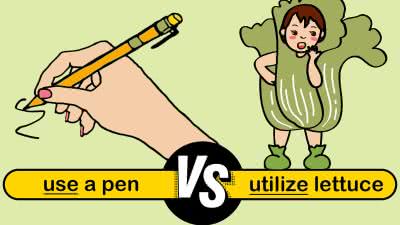
utilize

/ˈjuː.t̬əl.aɪz/

(verb) 活用する, 利用する, 役立てる

例:

The company decided to utilize new technology to improve efficiency.
その会社は効率を改善するために新しい技術を活用することを決定した。

implement

/ˈɪm.plə.ment/

(noun) 用具, 道具;

(verb) 実施する, 実行する

例:

Agricultural implements are essential for farming.
農業用具は農業に不可欠です。

deploy

/dɪˈplɔɪ/

(verb) 展開する, 配置する, 活用する

例:

The troops were deployed to the conflict zone.
部隊は紛争地域に展開された。

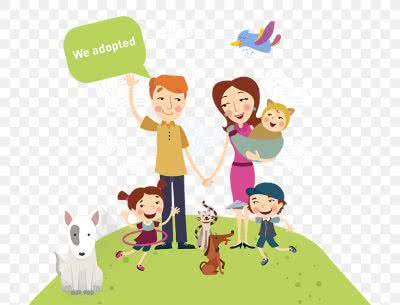
adopt

/əˈdɑːpt/

(verb) 養子にする, 引き取る, 採用する

例:

They decided to adopt a child from the orphanage.
彼らは孤児院から子供を養子に迎えることにした。

derive

/dɪˈraɪv/

(verb) 由来する, 得る, 導き出す

例:

Many English words are derived from Latin.
多くの英単語はラテン語に由来する。

manipulate

/məˈnɪp.jə.leɪt/

(verb) 操作する, 扱う, 操る

例:

He skillfully manipulated the controls of the drone.
彼はドローンの操縦を巧みに操作した

double

/ˈdʌb.əl/

(adjective) 二重の, 倍の, 2倍の;

(verb) 倍増する, 二倍にする;

(adverb) 2倍, 倍;

(noun) ダブル, 二塁打

例:

She ordered a double espresso.
彼女はダブルエスプレッソを注文した。

harness

/ˈhɑːr.nəs/

(noun) 馬具, ハーネス, 安全ハーネス;

(verb) 馬具をつける, ハーネスをつける, 利用する

例:

The farmer put the harness on the horse before plowing the field.
農夫は畑を耕す前に馬に馬具を装着した。

retrieve

/rɪˈtriːv/

(verb) 取り戻す, 回収する, 取得する

例:

She was able to retrieve her lost wallet.
彼女は失くした財布を取り戻すことができた。

reclaim

/rɪˈkleɪm/

(verb) 取り戻す, 回収する, 開墾する

例:

You can reclaim your luggage at the baggage claim.
手荷物受取所で荷物を受け取ることができます

supersede

/ˌsuː.pɚˈsiːd/

(verb) 取って代わる, 取って替わる

例:

Most of the old-style methods have been superseded by modern technologies.
旧式の方法のほとんどは、現代の技術に取って代わられました。

overtax

/ˌoʊ.vɚˈtæks/

(verb) 負担をかけすぎる, 酷使する, 過重な税を課す

例:

Be careful not to overtax your heart during the workout.
トレーニング中に心臓に負担をかけすぎないように注意してください。

exploit

/ɪkˈsplɔɪt/

(verb) 活用する, 利用する, 搾取する;

(noun) 偉業, 功績

例:

The company needs to exploit new markets.
会社は新しい市場を開拓する必要がある。

construct

/kənˈstrʌkt/

(verb) 建設する, 構築する, 構成する;

(noun) 構成概念, 構築物

例:
They plan to construct a new bridge over the river.
彼らは川に新しい橋を建設する予定です。

found

/faʊnd/

(verb) 設立する, 創設する;

(past tense) 見つけた, 発見した

例:

The university was founded in 1880.
その大学は1880年に設立された

generate

/ˈdʒen.ə.reɪt/

(verb) 生成する, 生み出す, 発生させる

例:

The new system will generate a lot of data.
新しいシステムは多くのデータを生成するでしょう。

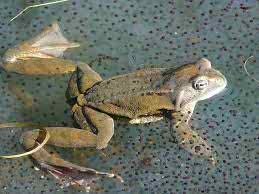
spawn

/spɑːn/

(noun) 卵, 稚魚, 産物;

(verb) 産卵する, 発生する, 生み出す

例:
The salmon returned to the river to lay their spawn.
サケはを産むために川に戻った。

contrive

/kənˈtraɪv/

(verb) 考案する, もくろむ, 何とかして〜する

例:

They contrived a plan to escape from the prison.
彼らは刑務所から脱走する計画を考案した

devise

/dɪˈvaɪz/

(verb) 考案する, 工夫する, 計画する

例:

Scientists are trying to devise a new way to combat climate change.
科学者たちは気候変動と戦う新しい方法を考案しようとしている。

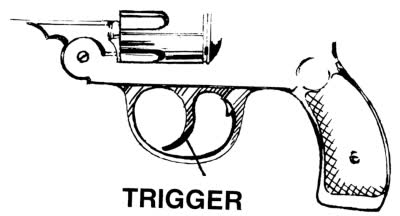
trigger

/ˈtrɪɡ.ɚ/

(noun) 引き金, トリガー, きっかけ;

(verb) 作動させる, 引き起こす, 誘発する

例:

He pulled the trigger and the gun fired.
彼が引き金を引くと、銃が発射された。

craft

/kræft/

(noun) 工芸, 手芸, 船;

(verb) 作る, 巧みに作り上げる

例:

She enjoys various forms of craft, such as knitting and pottery.
彼女は編み物や陶芸など、さまざまな工芸を楽しんでいます。

establish

/ɪˈstæb.lɪʃ/

(verb) 設立する, 確立する, 立証する

例:

The company was established in 1990.
その会社は1990年に設立されました。

fabricate

/ˈfæb.rɪ.keɪt/

(verb) でっち上げる, 捏造する, 製造する

例:

He tried to fabricate an alibi to avoid suspicion.
彼は疑いを避けるためにアリバイをでっち上げようとした。

originate

/əˈrɪdʒ.ən.eɪt/

(verb) 始まる, 由来する, 生み出す

例:

The custom originated in ancient Egypt.
その習慣は古代エジプトで始まった

launch

/lɑːntʃ/

(verb) 発売する, 開始する, 打ち上げる;

(noun) 発売, 打ち上げ

例:
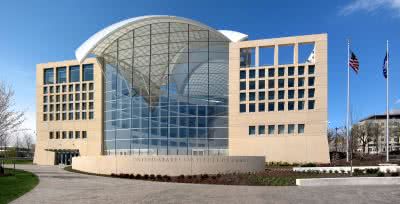
The company plans to launch a new product next quarter.
その会社は来四半期に新製品を発売する予定です。

institute

/ˈɪn.stə.tuːt/

(noun) 機関, 研究所, 学校;

(verb) 制定する, 設立する, 開始する

例:
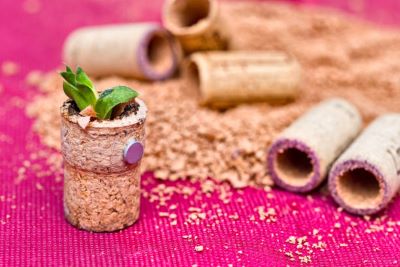
The research institute published its findings.
その研究機関は調査結果を発表した。

repurpose

/ˌriːˈpɝː.pəs/

(verb) 再利用する, 別の目的に使う

例:

The company decided to repurpose the old warehouse into a modern office space.
会社は古い倉庫を現代的なオフィススペースに再利用することに決めた。

assemble

/əˈsem.bəl/

(verb) 集まる, 集合する, 組み立てる

例:

The students began to assemble in the auditorium for the morning meeting.
生徒たちは朝の会議のために講堂に集まり始めた。

forge

/fɔːrdʒ/

(verb) 鍛造する, 形作る, 偽造する;

(noun) 鍛冶場, 鍛冶屋

例:

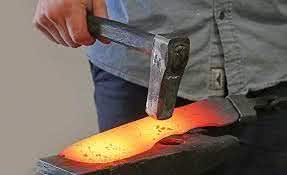
The blacksmith will forge the iron into a sword.
鍛冶屋は鉄を剣に鍛造するだろう。

fashion

/ˈfæʃ.ən/

(noun) ファッション, 流行, やり方;

(verb) 形作る, 作る

例:
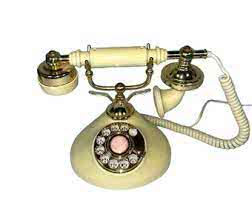
She always dresses in the latest fashion.
彼女はいつも最新のファッションを着ている。

cradle

/ˈkreɪ.dəl/

(noun) ゆりかご, 揺り籠, 発祥地;

(verb) 抱きしめる, 優しく抱える

例:

The baby slept peacefully in its cradle.
赤ちゃんはゆりかごの中で安らかに眠った。
Lingolandでこの語彙セットを学習