Avatar of Vocabulary Set Comodidad y creatividad

Conjunto de vocabulario Comodidad y creatividad en Vocabulario esencial para el examen SAT: Lista completa y detallada

El conjunto de vocabulario 'Comodidad y creatividad' en 'Vocabulario esencial para el examen SAT' está seleccionado cuidadosamente de fuentes de libros de texto estándar internacionales, ayudándote a dominar el vocabulario en poco tiempo. Incluye definiciones completas, ejemplos ilustrativos y pronunciación estándar...

Aprende este conjunto de vocabulario en Lingoland

Aprender ahora

accessory

/əkˈses.ər.i/

(noun) accesorio, cómplice;

(adjective) cómplice

Ejemplo:
She bought a new phone accessory.
Ella compró un nuevo accesorio para el teléfono.

merit

/ˈmer.ɪt/

(noun) mérito, valor;

(verb) merecer

Ejemplo:

The proposal has considerable merit.
La propuesta tiene un considerable mérito.

application

/ˌæp.ləˈkeɪ.ʃən/

(noun) solicitud, aplicación, uso

Ejemplo:
I submitted my application for the new job.
Presenté mi solicitud para el nuevo trabajo.

backup

/ˈbæk.ʌp/

(noun) copia de seguridad, respaldo, apoyo;

(verb) hacer una copia de seguridad, respaldar;

(adjective) de respaldo, suplente

Ejemplo:
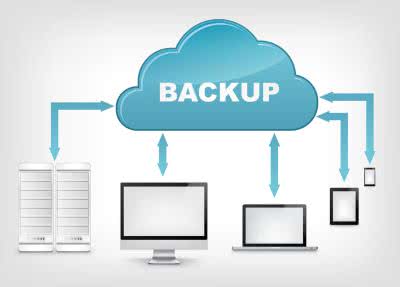
Always make a backup of your important documents.
Siempre haga una copia de seguridad de sus documentos importantes.

makeshift

/ˈmeɪk.ʃɪft/

(adjective) provisional, improvisado;

(noun) sustituto temporal, remiendo

Ejemplo:

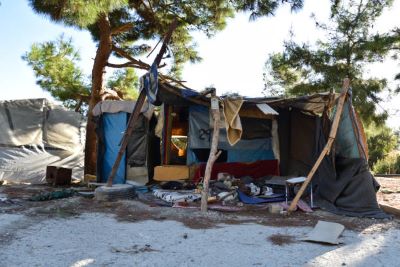
The refugees slept in makeshift tents made of plastic sheets.
Los refugiados durmieron en tiendas provisionales hechas de láminas de plástico.

stopgap

/ˈstɑːp.ɡæp/

(noun) solución provisional, parche;

(adjective) provisional, interino

Ejemplo:
The arrangement was only intended as a stopgap until a permanent solution could be found.
El acuerdo solo pretendía ser una solución provisional hasta que se pudiera encontrar una solución permanente.

efficiency

/ɪˈfɪʃ.ən.si/

(noun) eficiencia, eficacia

Ejemplo:

The new system improved the efficiency of the production line.
El nuevo sistema mejoró la eficiencia de la línea de producción.

uptake

/ˈʌp.teɪk/

(noun) absorción, captación, adopción

Ejemplo:
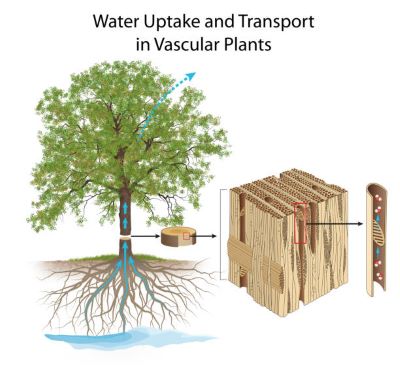
The plant's uptake of water was slow due to the dry soil.
La absorción de agua por la planta fue lenta debido al suelo seco.

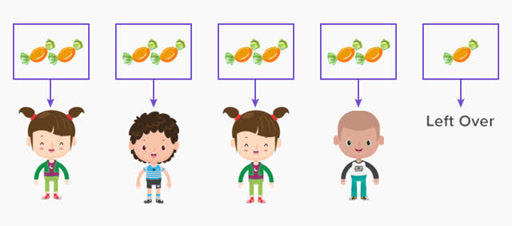
remainder

/rɪˈmeɪn.dɚ/

(noun) resto, remanente, residuo

Ejemplo:

He spent the remainder of his life in peace.
Pasó el resto de su vida en paz.

contribution

/ˌkɑːn.trɪˈbjuː.ʃən/

(noun) contribución, donación, aporte

Ejemplo:

We made a significant contribution to the charity.
Hicimos una contribución significativa a la caridad.

complementary

/ˌkɑːm.pləˈmen.t̬ɚ.i/

(adjective) complementario

Ejemplo:

The two colors are complementary and look great together.
Los dos colores son complementarios y se ven geniales juntos.

impractical

/ɪmˈpræk.tɪ.kəl/

(adjective) impracticable, poco práctico

Ejemplo:
His idea of building a house with no walls was completely impractical.
Su idea de construir una casa sin paredes era completamente impracticable.

be instrumental in

/biː ˌɪn.strəˈmen.t̬əl ɪn/

(idiom) ser fundamental en, contribuir a

Ejemplo:

She was instrumental in the success of the project.
Ella fue fundamental en el éxito del proyecto.

versatile

/ˈvɝː.sə.t̬əl/

(adjective) versátil, polivalente

Ejemplo:
She is a versatile artist who can paint, sculpt, and draw.
Es una artista versátil que puede pintar, esculpir y dibujar.

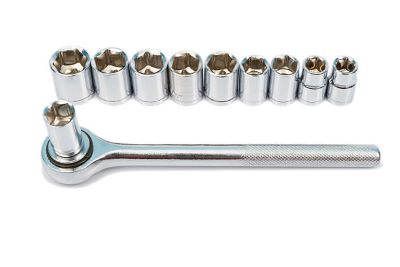
interchangeable

/ˌɪn.t̬ɚˈtʃeɪn.dʒə.bəl/

(adjective) intercambiable, permutables

Ejemplo:

The parts of the machine are interchangeable.
Las piezas de la máquina son intercambiables.

applicable

/əˈplɪk.ə.bəl/

(adjective) aplicable, pertinente

Ejemplo:

Please fill in all applicable sections of the form.
Por favor, rellene todas las secciones aplicables del formulario.

substitute

/ˈsʌb.stə.tuːt/

(noun) sustituto, reemplazo;

(verb) sustituir, reemplazar;

(adjective) sustituto, de reemplazo

Ejemplo:

The teacher had a substitute for the day.
El profesor tuvo un sustituto por el día.

leftover

/ˈlefˌt̬oʊ.vɚ/

(noun) sobras, restos, remanente;

(adjective) sobrante, restante

Ejemplo:

We had leftovers for lunch the next day.
Comimos las sobras para el almuerzo al día siguiente.

appropriate

/əˈproʊ.pri.ət/

(adjective) apropiado, adecuado;

(verb) apropiarse, destinar, asignar

Ejemplo:

Please wear appropriate attire for the ceremony.
Por favor, use vestimenta apropiada para la ceremonia.

alternative

/ɑːlˈtɝː.nə.t̬ɪv/

(adjective) alternativo, otro;

(noun) alternativa, opción

Ejemplo:
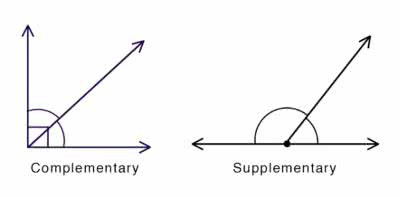
Do you have an alternative solution?
¿Tienes una solución alternativa?

supplementary

/ˌsʌp.ləˈmen.t̬ɚ.i/

(adjective) suplementario, adicional

Ejemplo:

The teacher provided supplementary materials for the students.
El profesor proporcionó materiales suplementarios para los estudiantes.

informative

/ɪnˈfɔːr.mə.t̬ɪv/

(adjective) informativo, ilustrativo

Ejemplo:
The documentary was very informative and well-researched.
El documental fue muy informativo y bien investigado.

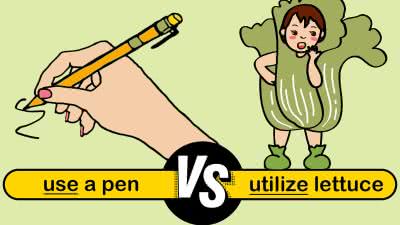
utilize

/ˈjuː.t̬əl.aɪz/

(verb) utilizar, emplear, aprovechar

Ejemplo:

The company decided to utilize new technology to improve efficiency.
La empresa decidió utilizar nueva tecnología para mejorar la eficiencia.

implement

/ˈɪm.plə.ment/

(noun) implemento, herramienta;

(verb) implementar, ejecutar

Ejemplo:
Agricultural implements are essential for farming.
Los implementos agrícolas son esenciales para la agricultura.

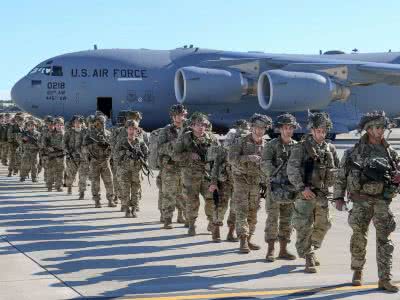
deploy

/dɪˈplɔɪ/

(verb) desplegar, movilizar, emplear

Ejemplo:
The troops were deployed to the conflict zone.
Las tropas fueron desplegadas en la zona de conflicto.

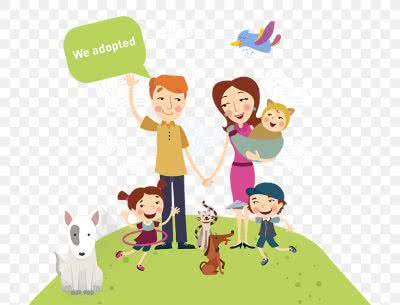
adopt

/əˈdɑːpt/

(verb) adoptar, asumir

Ejemplo:

They decided to adopt a child from the orphanage.
Decidieron adoptar un niño del orfanato.

derive

/dɪˈraɪv/

(verb) derivar, obtener, basar

Ejemplo:

Many English words are derived from Latin.
Muchas palabras en inglés se derivan del latín.

manipulate

/məˈnɪp.jə.leɪt/

(verb) manipular, manejar, influenciar

Ejemplo:

He skillfully manipulated the controls of the drone.
Él manipuló hábilmente los controles del dron.

double

/ˈdʌb.əl/

(adjective) doble, duplicado, el doble de;

(verb) doblar, duplicar;

(adverb) doble, el doble;

(noun) doble, duplicado

Ejemplo:

She ordered a double espresso.
Ella pidió un espresso doble.

harness

/ˈhɑːr.nəs/

(noun) arnés, aparejo, arnés de seguridad;

(verb) enganchar, poner el arnés, aprovechar

Ejemplo:
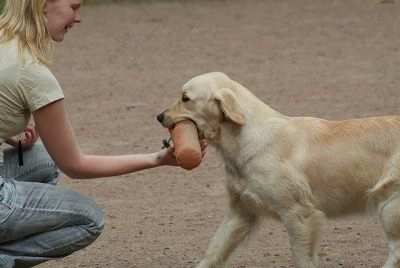
The farmer put the harness on the horse before plowing the field.
El granjero puso el arnés al caballo antes de arar el campo.

retrieve

/rɪˈtriːv/

(verb) recuperar, rescatar, extraer

Ejemplo:

She was able to retrieve her lost wallet.
Pudo recuperar su cartera perdida.

reclaim

/rɪˈkleɪm/

(verb) reclamar, recuperar, rehabilitar

Ejemplo:

You can reclaim your luggage at the baggage claim.
Puede reclamar su equipaje en la zona de recogida de equipaje.

supersede

/ˌsuː.pɚˈsiːd/

(verb) reemplazar, sustituir, suplantar

Ejemplo:

Most of the old-style methods have been superseded by modern technologies.
La mayoría de los métodos antiguos han sido reemplazados por tecnologías modernas.

overtax

/ˌoʊ.vɚˈtæks/

(verb) sobrecargar, exigir demasiado de, gravar en exceso

Ejemplo:

Be careful not to overtax your heart during the workout.
Ten cuidado de no sobrecargar tu corazón durante el entrenamiento.

exploit

/ɪkˈsplɔɪt/

(verb) explotar, aprovechar, abusar de;

(noun) hazaña, proeza

Ejemplo:

The company needs to exploit new markets.
La empresa necesita explotar nuevos mercados.

construct

/kənˈstrʌkt/

(verb) construir, edificar, formular;

(noun) constructo, construcción

Ejemplo:
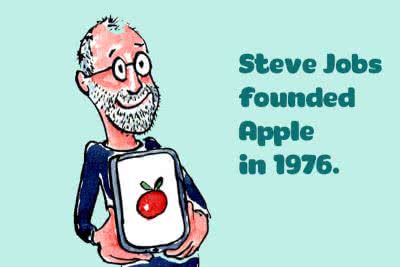
They plan to construct a new bridge over the river.
Planean construir un nuevo puente sobre el río.

found

/faʊnd/

(verb) fundar, establecer;

(past tense) encontró, encontrado

Ejemplo:

The university was founded in 1880.
La universidad fue fundada en 1880.

generate

/ˈdʒen.ə.reɪt/

(verb) generar, producir, crear

Ejemplo:
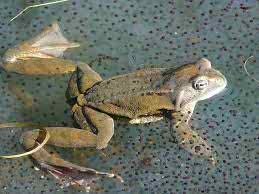
The new system will generate a lot of data.
El nuevo sistema generará muchos datos.

spawn

/spɑːn/

(noun) hueva, desove, engendro;

(verb) desovar, engendrar, generar

Ejemplo:

The salmon returned to the river to lay their spawn.
El salmón regresó al río para desovar su hueva.

contrive

/kənˈtraɪv/

(verb) idear, ingeniar, maquinar

Ejemplo:

They contrived a plan to escape from the prison.
Idearon un plan para escapar de la prisión.

devise

/dɪˈvaɪz/

(verb) idear, inventar, concebir

Ejemplo:
Scientists are trying to devise a new way to combat climate change.
Los científicos están tratando de idear una nueva forma de combatir el cambio climático.

trigger

/ˈtrɪɡ.ɚ/

(noun) gatillo, disparador, detonante;

(verb) activar, desencadenar, provocar

Ejemplo:

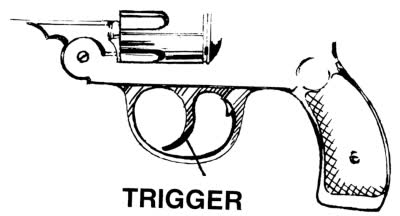
He pulled the trigger and the gun fired.
Él apretó el gatillo y la pistola disparó.

craft

/kræft/

(noun) artesanía, oficio, embarcación;

(verb) elaborar, crear

Ejemplo:

She enjoys various forms of craft, such as knitting and pottery.
Ella disfruta de varias formas de artesanía, como tejer y la alfarería.

establish

/ɪˈstæb.lɪʃ/

(verb) establecer, fundar, crear

Ejemplo:

The company was established in 1990.
La empresa fue establecida en 1990.

fabricate

/ˈfæb.rɪ.keɪt/

(verb) fabricar, inventar, falsear

Ejemplo:

He tried to fabricate an alibi to avoid suspicion.
Intentó fabricar una coartada para evitar sospechas.

originate

/əˈrɪdʒ.ən.eɪt/

(verb) originarse, surgir, crear

Ejemplo:

The custom originated in ancient Egypt.
La costumbre se originó en el antiguo Egipto.

launch

/lɑːntʃ/

(verb) lanzar, iniciar, disparar;

(noun) lanzamiento, inicio

Ejemplo:
The company plans to launch a new product next quarter.
La empresa planea lanzar un nuevo producto el próximo trimestre.

institute

/ˈɪn.stə.tuːt/

(noun) instituto, establecimiento;

(verb) instituir, establecer, iniciar

Ejemplo:

The research institute published its findings.
El instituto de investigación publicó sus hallazgos.

repurpose

/ˌriːˈpɝː.pəs/

(verb) reutilizar, dar un nuevo uso

Ejemplo:
The company decided to repurpose the old warehouse into a modern office space.
La empresa decidió reutilizar el antiguo almacén como un espacio de oficina moderno.

assemble

/əˈsem.bəl/

(verb) reunir, congregar, ensamblar

Ejemplo:

The students began to assemble in the auditorium for the morning meeting.
Los estudiantes comenzaron a reunirse en el auditorio para la reunión de la mañana.

forge

/fɔːrdʒ/

(verb) forjar, moldear, falsificar;

(noun) fragua, herrería

Ejemplo:

The blacksmith will forge the iron into a sword.
El herrero forjará el hierro en una espada.

fashion

/ˈfæʃ.ən/

(noun) moda, estilo, manera;

(verb) moldear, dar forma

Ejemplo:
She always dresses in the latest fashion.
Ella siempre viste a la última moda.

cradle

/ˈkreɪ.dəl/

(noun) cuna, origen;

(verb) acunar, sostener con delicadeza

Ejemplo:

The baby slept peacefully in its cradle.
El bebé durmió plácidamente en su cuna.
Aprende este conjunto de vocabulario en Lingoland