Avatar of Vocabulary Set プログラミング

情報技術 内 プログラミング 語彙セット:完全かつ詳細なリスト

「情報技術」内の「プログラミング」語彙セットは国際標準教材から厳選され、短期間で語彙をマスターできます。定義、例文、標準発音を網羅…

Lingolandでこの語彙セットを学習

今すぐ学習
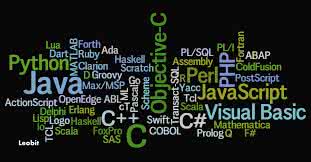
programming language

/ˈproʊ.ɡræm.ɪŋ ˌlæŋ.ɡwɪdʒ/

(noun) プログラミング言語

例:

Python is a popular programming language for data science.
Pythonはデータサイエンスで人気のプログラミング言語です。

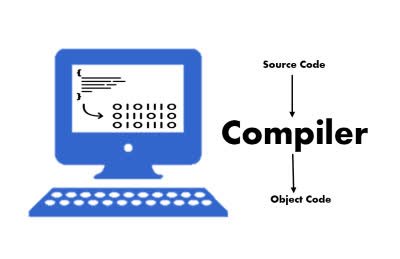
compiler

/kəmˈpaɪ.lɚ/

(noun) コンパイラ

例:

The C++ compiler translated the source code into an executable program.
C++ コンパイラはソースコードを実行可能なプログラムに変換した。

interpreter

/ɪnˈtɝː.prə.t̬ɚ/

(noun) 通訳者, 解釈者, インタプリタ (コンピュータ)

例:

The diplomat spoke through an interpreter.
外交官は通訳を介して話した。

debugger

/ˈdɛbʌɡər/

(noun) デバッガー, デバッグツール

例:

The developer used a debugger to identify the source of the software crash.
開発者はソフトウェアクラッシュの原因を特定するためにデバッガーを使用した。

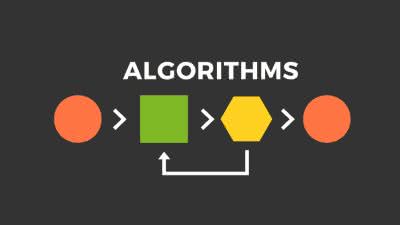
algorithm

/ˈæl.ɡə.rɪ.ðəm/

(noun) アルゴリズム

例:

The search engine uses a complex algorithm to rank websites.
検索エンジンはウェブサイトをランク付けするために複雑なアルゴリズムを使用します。

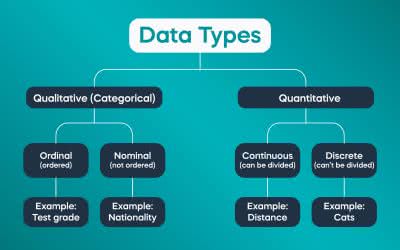
data type

/ˈdeɪtə taɪp/

(noun) データ型

例:

In programming, an integer is a common data type.
プログラミングでは、整数は一般的なデータ型です。

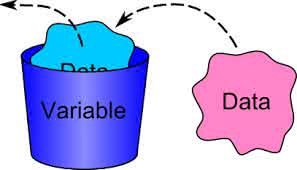
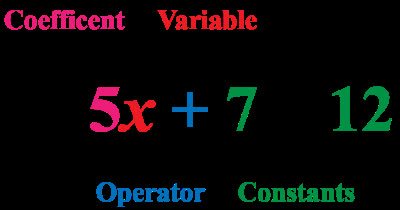
variable

/ˈver.i.ə.bəl/

(adjective) 変わりやすい, 変動する;

(noun) 変数

例:
The weather here is highly variable.
ここの天気は非常に変わりやすい

constant

/ˈkɑːn.stənt/

(adjective) 絶え間ない, 一定の, 不変の;

(noun) 定数

例:

The machine makes a constant humming noise.
その機械は絶え間ないハミング音を立てる。

operator

/ˈɑː.pə.reɪ.t̬ɚ/

(noun) オペレーター, 操作員, 事業者

例:

The crane operator carefully lifted the heavy beam.
クレーンオペレーターは慎重に重い梁を持ち上げた。

expression

/ɪkˈspreʃ.ən/

(noun) 表現, 表明, 言い回し

例:

Art is a form of self-expression.
芸術は自己表現の一形態である。

statement

/ˈsteɪt.mənt/

(noun) 声明, 陳述, 明細書

例:

The witness gave a detailed statement to the police.
証人は警察に詳細な供述をした。

function

/ˈfʌŋk.ʃən/

(noun) 機能, 役割, 催し;

(verb) 機能する, 作動する

例:

The main function of the heart is to pump blood.
心臓の主な機能は血液を送り出すことです。

class

/klæs/

(noun) クラス, 学級, 授業;

(verb) 分類する, 格付けする;

(adjective) 上品な, 高級な

例:

The teacher greeted the class.
先生はクラスに挨拶した。

object

/ˈɑːb.dʒɪkt/

(noun) 物体, 物, 対象;

(verb) 反対する, 異議を唱える

例:
She picked up a strange object from the ground.
彼女は地面から奇妙な物体を拾い上げた。

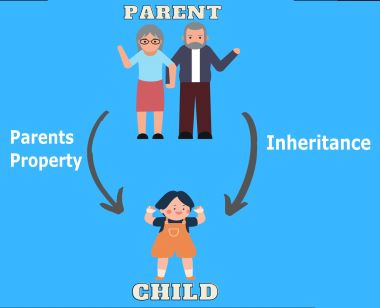
inheritance

/ɪnˈher.ɪ.təns/

(noun) 遺産, 相続, 遺伝

例:

She received a large inheritance from her grandmother.
彼女は祖母から多額の遺産を受け取った。

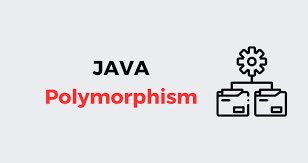
polymorphism

/ˌpɑː.liˈmɔːr.fɪ.zəm/

(noun) 多型, 多形性, ポリモーフィズム

例:

Genetic polymorphism is common in human populations.
遺伝的多型はヒト集団で一般的です。

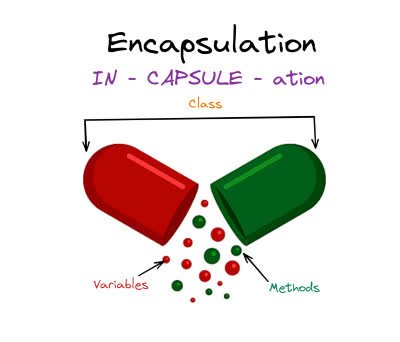
encapsulation

/ɪnˌkæp.sjəˈleɪ.ʃən/

(noun) カプセル化, 封入

例:

The drug requires special encapsulation for targeted delivery.
その薬は標的送達のために特別なカプセル化が必要です。

abstraction

/æbˈstræk.ʃən/

(noun) 抽象, 抽象概念, 抽象化

例:

His philosophy often delves into the realm of pure abstraction.
彼の哲学はしばしば純粋な抽象の領域に深く入り込む。

loop

/luːp/

(noun) 輪, ループ, 繰り返し;

(verb) 輪にする, ループさせる, ループする

例:
Tie the rope into a loop.
ロープをに結びなさい。

array

/əˈreɪ/

(noun) 配列, 品揃え, 陳列;

(verb) 配置する, 並べる, 整列させる

例:

There was a vast array of books in the library.
図書館には膨大な蔵書があった。

list

/lɪst/

(noun) リスト, 一覧;

(verb) リストアップする, 記載する

例:

Make a shopping list before you go to the store.
店に行く前に買い物リストを作ってください。

queue

/kjuː/

(noun) 列, 行列;

(verb) 列に並ぶ, 行列する

例:

There was a long queue for tickets.
チケット売り場には長いができていた。

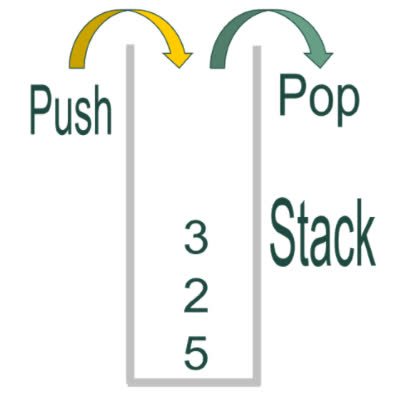
stack

/stæk/

(noun) 積み重ね, 山, 大量;

(verb) 積み重ねる, 積む

例:

He placed the books in a neat stack on the table.
彼は本をテーブルの上にきちんと積み重ねた

pointer

/ˈpɔɪn.t̬ɚ/

(noun) 指示棒, ポインター, ヒント

例:

The teacher used a pointer to highlight the important parts of the diagram.
先生は図の重要な部分を強調するために指示棒を使った。

recursion

/rɪˈkɝː.ʒən/

(noun) 再帰, 自己定義

例:

The function uses recursion to calculate the factorial of a number.
その関数は数値の階乗を計算するために再帰を使用します。

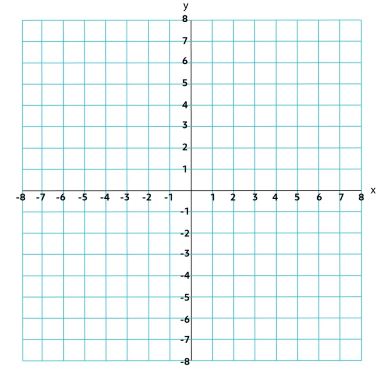
graph

/ɡræf/

(noun) グラフ, 図;

(verb) グラフ化する, 図示する

例:
The report included a graph showing sales trends over the last quarter.
レポートには、過去四半期の売上傾向を示すグラフが含まれていました。

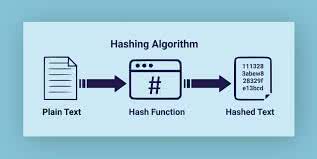
hashing

/ˈhæʃɪŋ/

(noun) ハッシュ化, ハッシング;

(verb) 細かく刻む, 検討する

例:
Data hashing is crucial for ensuring data integrity and security.
データハッシュは、データの整合性とセキュリティを確保するために不可欠です。

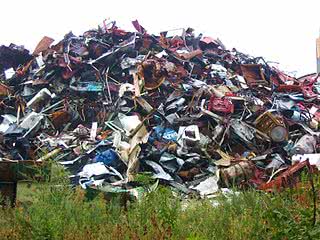
heap

/hiːp/

(noun) 山, 堆積, たくさん;

(verb) 積み重ねる, 山にする, 惜しみなく与える

例:

There was a heap of clothes on the floor.
床に服のがあった。
Lingolandでこの語彙セットを学習