
一般IELTS語彙(バンド6-7) 内 些細な 語彙セット:完全かつ詳細なリスト
「一般IELTS語彙(バンド6-7)」内の「些細な」語彙セットは国際標準教材から厳選され、短期間で語彙をマスターできます。定義、例文、標準発音を網羅…
Lingolandでこの語彙セットを学習
今すぐ学習
/roʊˈbʌst/
(adjective) 頑丈な, 強健な, しっかりした
例:
He is a robust man who rarely gets sick.
彼はめったに病気にならない頑丈な男だ。

/dɪˈtɝː.mɪnd/
(adjective) 決意した, 断固とした;
(verb) 特定された, 決定された
例:
She was determined to succeed.
彼女は成功すると決意していた。

/ˈdɑː.mə.neɪ.t̬ɪŋ/
(adjective) 支配的な, 威圧的な;
(verb) 支配する, 優位に立つ
例:
His dominating personality made it difficult for others to express their opinions.
彼の支配的な性格は、他の人が意見を表明するのを困難にした。

/ʌnˈstɑː.pə.bəl/
(adjective) 止めることのできない, 勢いの激しい
例:
The team's momentum was unstoppable after the first goal.
最初のゴールの後、チームの勢いは止めることができなかった。

/əˈθɔːr.ə.t̬ə.t̬ɪv/
(adjective) 信頼できる, 権威のある, 威厳のある
例:
The report provides an authoritative account of the events.
その報告書は、出来事の信頼できる説明を提供している。

/ˈæd.ə.mənt/
(adjective) 断固とした, 頑固な, 揺るぎない
例:
She was adamant that she would not resign.
彼女は辞任しないと断固としていた。

/ˌɪn.ɪˈfɪʃ.ənt/
(adjective) 非効率な, 無駄の多い
例:
The old machine was very inefficient and used too much power.
その古い機械は非常に非効率的で、電力を使いすぎた。

/ˈɪm.pə.t̬ənt/
(adjective) 無力な, 無能な, インポテンツの
例:
The government was impotent to stop the rising prices.
政府は物価上昇を抑えるのに無力だった。

/ɪnˈkeɪ.pə.bəl/
(adjective) 能力がない, できない, 適性がない
例:
He seems incapable of understanding simple instructions.
彼は簡単な指示を理解する能力がないようだ。

/ˌɪn.ɪˈfek.tʃu.əl/
(adjective) 効果のない, 無力な
例:
The efforts to clean up the oil spill were largely ineffectual.
原油流出を清掃する努力は、ほとんど効果がなかった。

/ˈfjuː.t̬əl/
(adjective) 無駄な, 無益な, 効果のない
例:
It was a futile attempt to try and change his mind.
彼の考えを変えようとするのは無駄な試みだった。

/ɪnˈfiː.bəld/
(adjective) 衰弱した, 弱体化した;
(past tense) 弱らせた, 衰えさせた
例:
The patient was enfeebled by the long illness.
患者は長引く病気で衰弱していた。

/prɪˈdɑː.mə.nənt/
(adjective) 主要な, 優勢な
例:
The predominant color in the painting is blue.
絵画の主要な色は青です。

/kəˈmæn.dɪŋ/
(adjective) 威厳のある, 支配的な, 命令的な
例:
She has a commanding presence in the boardroom.
彼女は役員会議室で威厳のある存在感を示している。

/ˈvʌl.nɚ.ə.bəl/
(adjective) 脆弱
例:
The small village was vulnerable to attack.
その小さな村は攻撃に対して脆弱だった。

/kəmˈpel.ɪŋ/
(adjective) 説得力のある, 魅力的な, 抗しがたい
例:
The documentary presented a compelling argument for environmental protection.
そのドキュメンタリーは環境保護のための説得力のある議論を提示した。

/fɔːrˈmɪd.ə.bəl/
(adjective) 手強い, 恐るべき, 畏敬の念を起こさせる
例:
The team faces a formidable opponent in the finals.
チームは決勝で手強い相手に直面している。

/ˈwɪʃ.iˌwɑː.ʃi/
(adjective) どっちつかずの, 優柔不断な, 薄い
例:
The candidate gave a wishy-washy answer to the reporter's question.
候補者は記者の質問に対してどっちつかずの回答をした。

/ˈtuːθ.ləs/
(adjective) 歯のない, 骨抜きの, 実効性のない
例:
The toothless old man smiled at the children.
その歯のない老人は子供たちに微笑んだ。

/təˈneɪ.ʃəs/
(adjective) 粘り強い, しっかり掴む, しぶとい
例:
The ivy is a tenacious plant, clinging to the old stone wall.
ツタは古い石壁にしがみつく粘り強い植物だ。

/ˌɪnˈɑː.pɚ.ə.t̬ɪv/
(adjective) 動かない, 無効な, 作動していない
例:
The elevator has been inoperative since the power outage.
停電以来、エレベーターは動いていません。
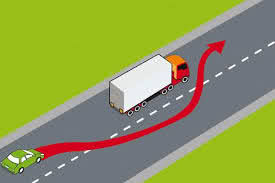
/ˌoʊ.vɚˈteɪk/
(verb) 追い越す, 追い抜く, 上回る
例:
The car quickly overtook the truck on the highway.
車は高速道路でトラックを素早く追い越した。