
IELTS アカデミック語彙(バンド6-7) 内 メンタリティ 語彙セット:完全かつ詳細なリスト
「IELTS アカデミック語彙(バンド6-7)」内の「メンタリティ」語彙セットは国際標準教材から厳選され、短期間で語彙をマスターできます。定義、例文、標準発音を網羅…
Lingolandでこの語彙セットを学習
今すぐ学習

/kəmˈpʌl.ʃən/
(noun) 衝動, 強迫観念, 強制
例:
He felt a compulsion to check the door lock one more time.
彼はもう一度ドアの鍵を確認せずにはいられない衝動に駆られた。
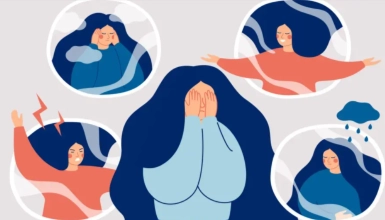
/dɪˈluː.ʒən/
(noun) 妄想, 錯覚, 欺瞞
例:
He suffers from the delusion that he is a famous rock star.
彼は自分が有名なロックスターであるという妄想に苦しんでいる。

/həˌluː.səˈneɪ.ʃən/
(noun) 幻覚, 幻影
例:
He suffered from vivid hallucinations during his illness.
彼は病気の間、鮮明な幻覚に苦しんだ。

/ˌper.əˈnɔɪ.ə/
(noun) パラノイア, 偏執病, 疑心暗鬼
例:
His increasing paranoia made him distrust everyone around him.
彼の増大するパラノイアは、彼が周りのすべての人を不信に思うようにさせた。

/hɪpˈnoʊ.sɪs/
(noun) 催眠
例:
The therapist used hypnosis to help the patient overcome their fear.
セラピストは患者が恐怖を克服するのを助けるために催眠を用いた。

/kɑːmˈpleks/
(adjective) 複雑な, 入り組んだ, 理解しにくい;
(noun) 複合施設, 団地, コンプレックス
例:
The human brain is a highly complex organ.
人間の脳は非常に複雑な器官です。
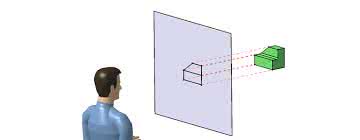
/prəˈdʒek.ʃən/
(noun) 予測, 見積もり, 投影
例:
The company's financial projections show steady growth.
会社の財務予測は着実な成長を示しています。
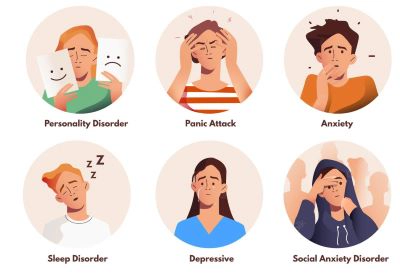
/dɪˈsɔːr.dɚ/
(noun) 混乱, 無秩序, 疾患;
(verb) 乱す, 混乱させる
例:
The room was in complete disorder after the party.
パーティーの後、部屋は完全に混乱状態だった。

/ˈiː.ɡoʊ/
(noun) エゴ, 自我, 自尊心
例:
His ego was bruised when he didn't get the promotion.
昇進できなかったとき、彼の自尊心は傷ついた。


/ˌæn.əˈrek.si.ə/
(noun) 拒食症, アノレキシア
例:
She was diagnosed with anorexia after losing a dangerous amount of weight.
彼女は危険なほど体重が減少した後、拒食症と診断された。

/ˈmeɪ.ni.ə/
(noun) 躁病, 熱狂, 狂気
例:
She was diagnosed with bipolar disorder, which includes episodes of mania.
彼女は双極性障害と診断され、躁病のエピソードが含まれる。
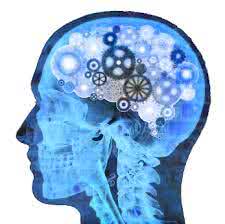
/kɑːɡ-/
(noun) 認知, 認識
例:
The study of cognition is central to psychology.
認知の研究は心理学の中心である。

/æmˈniː.ʒə/
(noun) 記憶喪失, 健忘症
例:
After the accident, he suffered from temporary amnesia.
事故後、彼は一時的な記憶喪失に苦しんだ。
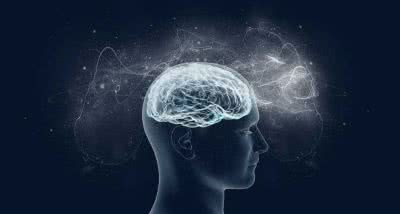
/ˈkɑːn.ʃəs.nəs/
(noun) 意識, 知覚, 認識
例:
He lost consciousness after hitting his head.
彼は頭を打った後、意識を失った。
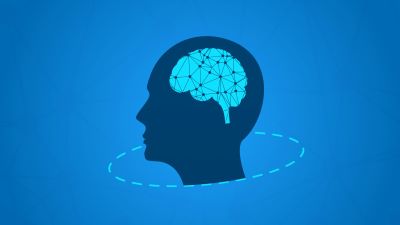
/ˌsʌbˈkɑːn.ʃəs/
(adjective) 潜在的な, 意識下の;
(noun) 潜在意識
例:
He has a subconscious fear of failure.
彼には潜在的な失敗への恐怖心がある。
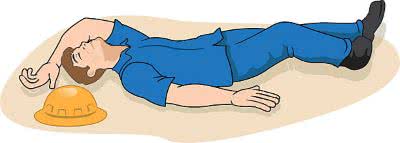
/ʌnˈkɑːn.ʃəs/
(adjective) 意識不明の, 無意識の
例:
He was knocked unconscious by the blow to his head.
彼は頭への打撃で意識不明になった。

/ˈtrɑː.mə/
(noun) トラウマ, 心的外傷, 外傷
例:
The accident caused him severe emotional trauma.
その事故は彼に深刻な精神的外傷を与えた。

/əbˈseʃ.ən/
(noun) 強迫観念, 執着
例:
His obsession with cleanliness made him wash his hands constantly.
彼の清潔さへの執着は、彼に絶えず手を洗わせた。

/ˌself.əˈwer.nəs/
(noun) 自己認識, 自覚
例:
Meditation can help you develop a greater sense of self-awareness.
瞑想はより高い自己認識を高めるのに役立ちます。