
IELTS アカデミック語彙(バンド6-7) 内 歴史 語彙セット:完全かつ詳細なリスト
「IELTS アカデミック語彙(バンド6-7)」内の「歴史」語彙セットは国際標準教材から厳選され、短期間で語彙をマスターできます。定義、例文、標準発音を網羅…
Lingolandでこの語彙セットを学習
今すぐ学習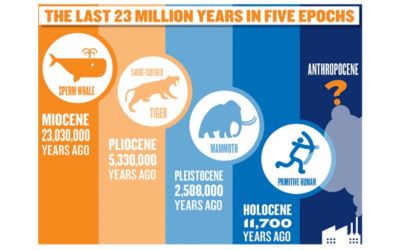
/ˈiː.pɑːk/
(noun) 時代, 紀元, 画期
例:
The invention of the printing press marked a new epoch in human history.
活版印刷の発明は人類史における新たな時代を画した。

/hɪˌstɒr.iˈɑː.ɡrə.fi/
(noun) 歴史記述, 歴史学, ヒストリオグラフィー
例:
The course covers the historiography of the French Revolution.
その講義ではフランス革命の歴史記述(ヒストリオグラフィー)を扱っている。
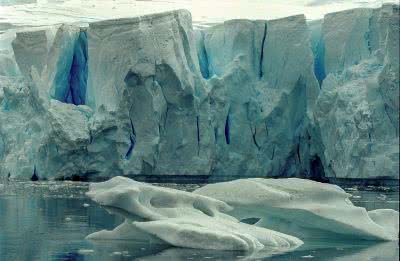
/ˈaɪs ˌeɪdʒ/
(noun) 氷河時代
例:
The last Ice Age ended about 10,000 years ago.
最後の氷河時代は約1万年前に終わった。
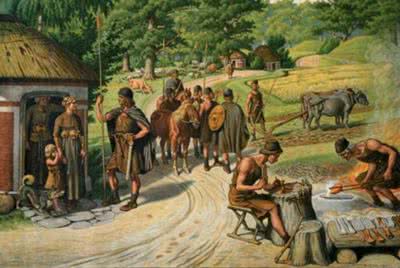
/ðə ˈbrɑːnz eɪdʒ/
(noun) 青銅器時代
例:
Archaeologists found artifacts from the Bronze Age.
考古学者は青銅器時代の遺物を発見した。
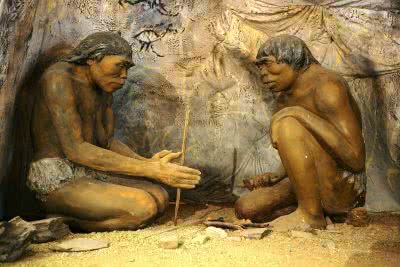
/ˈstoʊn ˌeɪdʒ/
(noun) 石器時代, 原始時代, 時代遅れ
例:
Humans lived in caves during the Stone Age.
人類は石器時代に洞窟に住んでいた。
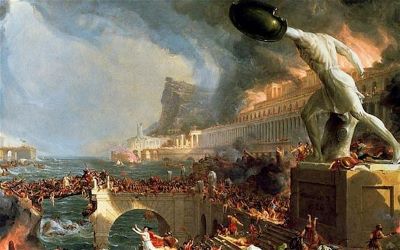
/ðə dɑːrk ˈeɪ.dʒɪz/
(noun) 暗黒時代, 無知な時代
例:
Many historical myths about the Dark Ages have been debunked by modern scholars.
暗黒時代に関する多くの歴史的神話が、現代の学者によって否定されてきました。
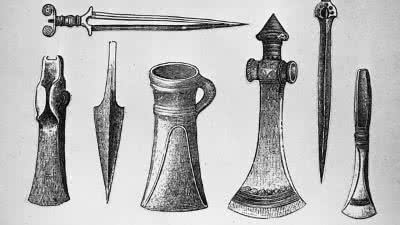
/ðə ˈaɪərn eɪdʒ/
(noun) 鉄器時代
例:
Archaeologists have found many artifacts from the Iron Age.
考古学者は鉄器時代の多くの遺物を発見しました。
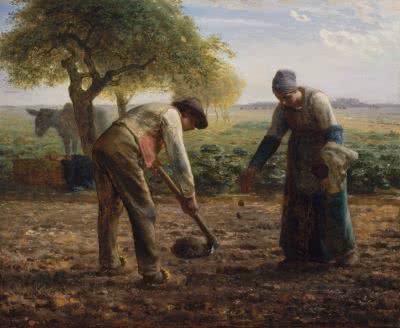
/ˈpez.ənt/
(noun) 農民, 小作人, 田舎者
例:
The peasants toiled in the fields from dawn till dusk.
農民たちは夜明けから夕暮れまで畑で働いた。

/ˈren.ə.sɑːns/
(noun) ルネサンス, 復活, 再興
例:
The Italian Renaissance was a period of great cultural change and achievement.
イタリアルネサンスは、大きな文化的変化と成果の時代でした。
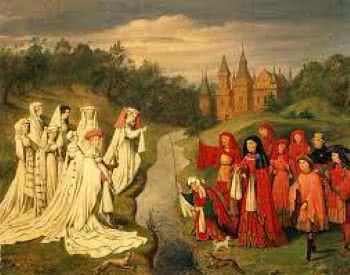
/ðə ˌmɪd.əl ˈeɪ.dʒɪz/
(noun) 中世
例:
Life was very different during the Middle Ages.
中世の生活は大きく異なっていた。
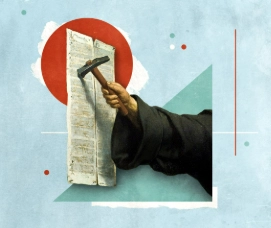
/ˌref.ɚˈmeɪ.ʃən/
(noun) 改革, 改善, 修正
例:
The government promised a comprehensive reformation of the education system.
政府は教育制度の包括的な改革を約束した。
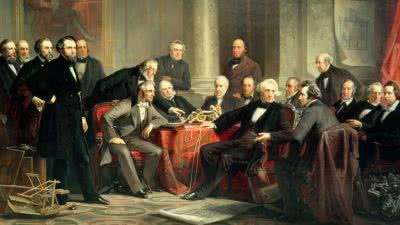
/ɪnˈlaɪ.t̬ən.mənt/
(noun) 啓発, 悟り, 理解
例:
Reading widely can lead to intellectual enlightenment.
幅広く読書することは知的な啓発につながる。
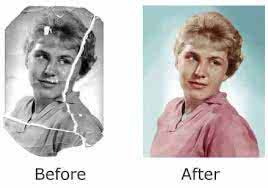
/ˌres.təˈreɪ.ʃən/
(noun) 修復, 回復, 復元
例:
The restoration of the old painting took months.
古い絵画の修復には数ヶ月かかった。
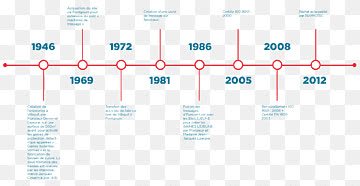
/krəˈnɑː.lə.dʒi/
(noun) 年表, 年代記, 時系列
例:
The book presents a detailed chronology of the Roman Empire.
その本はローマ帝国の詳細な年表を提示している。
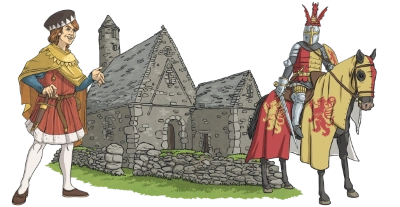
/ˌmed.iˈiː.vəl/
(adjective) 中世の, 時代遅れの, 原始的な
例:
They visited a well-preserved medieval castle.
彼らは保存状態の良い中世の城を訪れた。
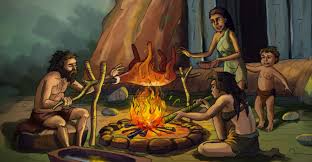
/priːˈhɪs.t̬ɚ.i/
(noun) 先史時代
例:
Archaeologists study artifacts from prehistory to understand early human societies.
考古学者は初期人類社会を理解するために先史時代の遺物を研究する。

/ˈmaɪl.stoʊn/
(noun) 画期的な出来事, 節目, 里程標
例:
The discovery of penicillin was a major milestone in medicine.
ペニシリンの発見は医学における主要な画期的な出来事でした。
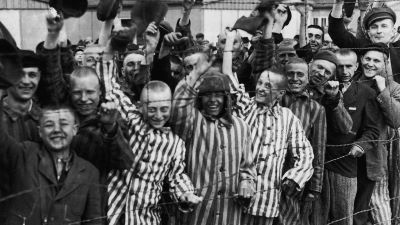
/ˈhɑː.lə.kɑːst/
(noun) 大破壊, 大量殺戮, ホロコースト
例:
The city was reduced to ashes in a fiery holocaust.
その都市は炎の大破壊で灰燼に帰した。
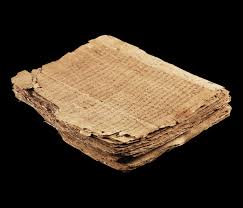
/pəˈpaɪ.rəs/
(noun) パピルス, パピルス植物
例:
Ancient Egyptians wrote on sheets of papyrus.
古代エジプト人はパピルスのシートに書いた。

/ˈdʒen.ə.saɪd/
(noun) ジェノサイド, 大量虐殺
例:
The international community condemned the act of genocide.
国際社会はジェノサイド行為を非難した。
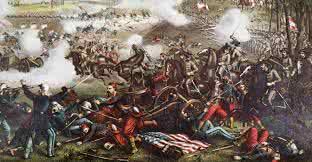
/ˌsɪv.əl ˈwɔːr/
(noun) 内戦
例:
The country was plunged into a devastating civil war.
その国は壊滅的な内戦に突入した。
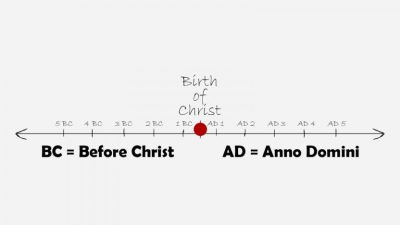
/ˌæn.oʊ ˈdɑː.mɪ.ni/
(adverb) 紀元, 西暦
例:
The Roman Empire reached its greatest extent in 117 Anno Domini.
ローマ帝国は紀元117年に最大版図に達した。
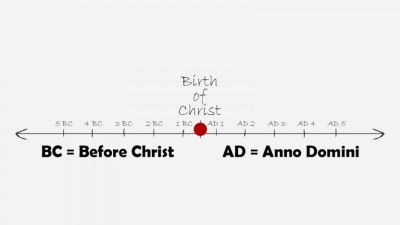
/bɪˈfɔːr kraɪst/
(adverb) 紀元前
例:
The Great Pyramid was built over 2,500 years before Christ.
大ピラミッドは紀元前2500年以上前に建てられました。
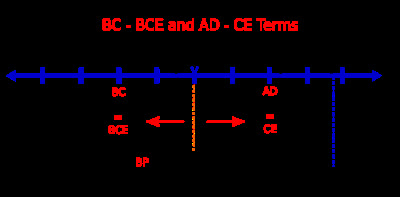
/ˈkɑː.mən ˈer.ə/
(noun) 西暦, 共通紀元
例:
The Roman Empire reached its peak in the second century of the Common Era.
ローマ帝国は西暦2世紀に全盛期を迎えました。