
IELTS 학술 어휘 (밴드 6-7) 내 역사 어휘 세트: 완전하고 상세한 목록
'IELTS 학술 어휘 (밴드 6-7)' 내 '역사' 어휘 세트는 국제 표준 교재 출처에서 엄선되어 짧은 시간 안에 어휘를 마스터할 수 있도록 도와줍니다. 정의, 예문, 표준 발음을 완벽하게 수록...
Lingoland에서 이 어휘 세트 학습하기
지금 학습하기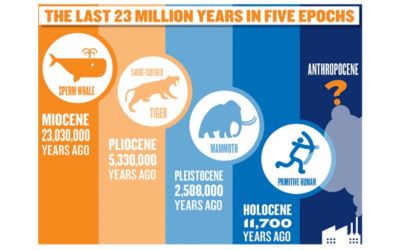
/ˈiː.pɑːk/
(noun) 시대, 시기, 획기적인 사건
예시:
The invention of the printing press marked a new epoch in human history.
인쇄술의 발명은 인류 역사에 새로운 시대를 열었다.
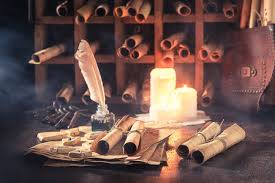
/hɪˌstɒr.iˈɑː.ɡrə.fi/
(noun) 사학사, 사학, 역사 기록학
예시:
The course covers the historiography of the French Revolution.
이 과정은 프랑스 혁명의 사학사를 다룹니다.
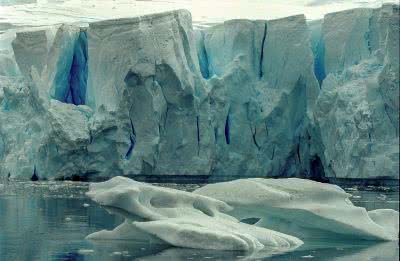
/ˈaɪs ˌeɪdʒ/
(noun) 빙하기
예시:
The last Ice Age ended about 10,000 years ago.
마지막 빙하기는 약 1만 년 전에 끝났다.
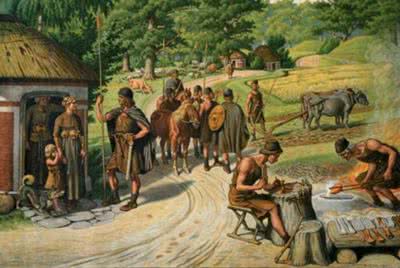
/ðə ˈbrɑːnz eɪdʒ/
(noun) 청동기 시대
예시:
Archaeologists found artifacts from the Bronze Age.
고고학자들은 청동기 시대 유물을 발견했다.
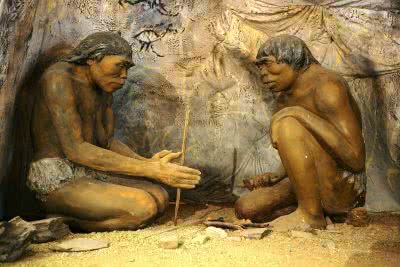
/ˈstoʊn ˌeɪdʒ/
(noun) 석기 시대, 원시 시대, 구식 시대
예시:
Humans lived in caves during the Stone Age.
인류는 석기 시대에 동굴에서 살았다.
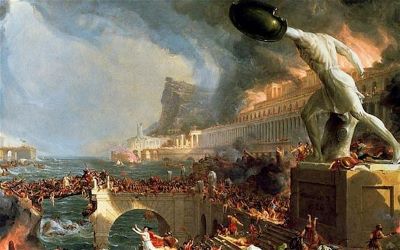
/ðə dɑːrk ˈeɪ.dʒɪz/
(noun) 암흑 시대, 암흑기, 낙후된 시대
예시:
Many historical myths about the Dark Ages have been debunked by modern scholars.
암흑 시대에 대한 많은 역사적 신화들이 현대 학자들에 의해 반박되었습니다.
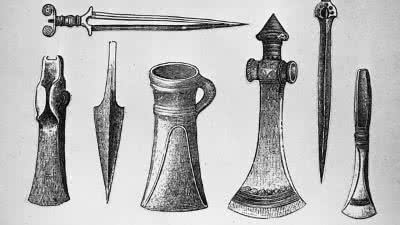
/ðə ˈaɪərn eɪdʒ/
(noun) 철기 시대
예시:
Archaeologists have found many artifacts from the Iron Age.
고고학자들은 철기 시대의 많은 유물을 발견했다.
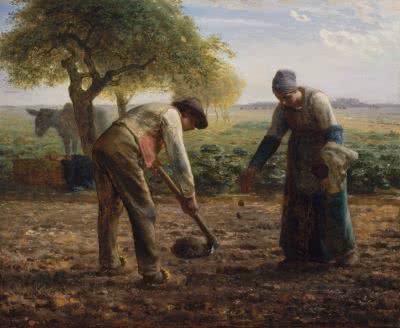
/ˈpez.ənt/
(noun) 농민, 소작농, 촌뜨기
예시:
The peasants toiled in the fields from dawn till dusk.
농민들은 새벽부터 해질녘까지 밭에서 힘들게 일했다.

/ˈren.ə.sɑːns/
(noun) 르네상스, 부흥, 재생
예시:
The Italian Renaissance was a period of great cultural change and achievement.
이탈리아 르네상스는 위대한 문화적 변화와 성취의 시기였다.
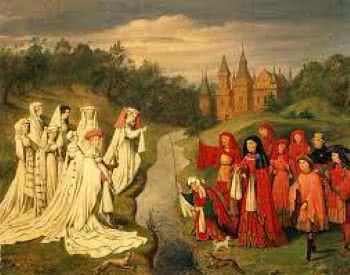
/ðə ˌmɪd.əl ˈeɪ.dʒɪz/
(noun) 중세
예시:
Life was very different during the Middle Ages.
중세 시대에는 삶이 매우 달랐다.
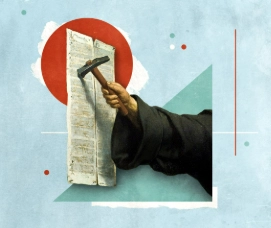
/ˌref.ɚˈmeɪ.ʃən/
(noun) 개혁, 개선, 수정
예시:
The government promised a comprehensive reformation of the education system.
정부는 교육 시스템의 전면적인 개혁을 약속했다.
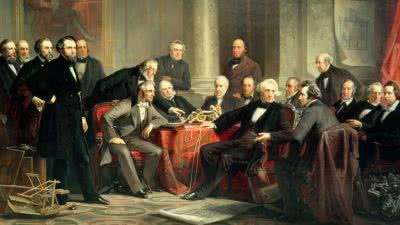
/ɪnˈlaɪ.t̬ən.mənt/
(noun) 깨달음, 계몽, 계몽주의
예시:
Reading widely can lead to intellectual enlightenment.
폭넓은 독서는 지적인 깨달음으로 이어질 수 있다.
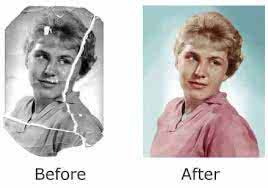
/ˌres.təˈreɪ.ʃən/
(noun) 복원, 회복, 수리
예시:
The restoration of the old painting took months.
오래된 그림의 복원은 몇 달이 걸렸다.
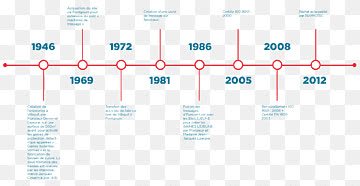
/krəˈnɑː.lə.dʒi/
(noun) 연대기, 연표, 시간순서
예시:
The book presents a detailed chronology of the Roman Empire.
그 책은 로마 제국의 상세한 연대기를 제시한다.
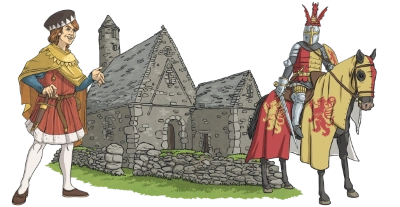
/ˌmed.iˈiː.vəl/
(adjective) 중세의, 구식의, 원시적인
예시:
They visited a well-preserved medieval castle.
그들은 잘 보존된 중세 성을 방문했다.
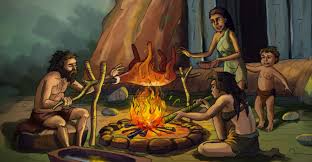
/priːˈhɪs.t̬ɚ.i/
(noun) 선사 시대
예시:
Archaeologists study artifacts from prehistory to understand early human societies.
고고학자들은 초기 인류 사회를 이해하기 위해 선사 시대 유물을 연구한다.

/ˈmaɪl.stoʊn/
(noun) 이정표, 획기적인 사건, 중요한 단계
예시:
The discovery of penicillin was a major milestone in medicine.
페니실린의 발견은 의학의 중요한 이정표였다.
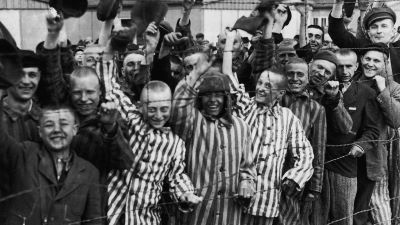
/ˈhɑː.lə.kɑːst/
(noun) 대참사, 대량 학살, 홀로코스트
예시:
The city was reduced to ashes in a fiery holocaust.
그 도시는 불타는 대참사로 잿더미가 되었다.
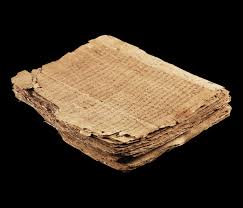
/pəˈpaɪ.rəs/
(noun) 파피루스, 파피루스 식물
예시:
Ancient Egyptians wrote on sheets of papyrus.
고대 이집트인들은 파피루스 종이에 글을 썼다.

/ˈdʒen.ə.saɪd/
(noun) 집단 학살, 대량 학살
예시:
The international community condemned the act of genocide.
국제 사회는 집단 학살 행위를 규탄했다.
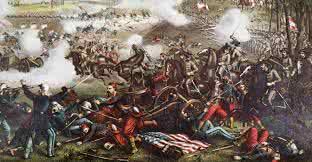
/ˌsɪv.əl ˈwɔːr/
(noun) 내전
예시:
The country was plunged into a devastating civil war.
그 나라는 파괴적인 내전에 빠져들었다.
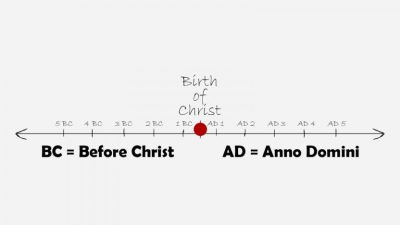
/ˌæn.oʊ ˈdɑː.mɪ.ni/
(adverb) 서기
예시:
The Roman Empire reached its greatest extent in 117 Anno Domini.
로마 제국은 서기 117년에 최대 영토에 도달했다.
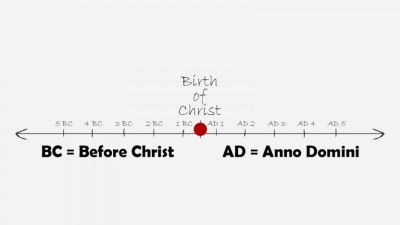
/bɪˈfɔːr kraɪst/
(adverb) 기원전
예시:
The Great Pyramid was built over 2,500 years before Christ.
대피라미드는 기원전 2,500년 이전에 지어졌다.
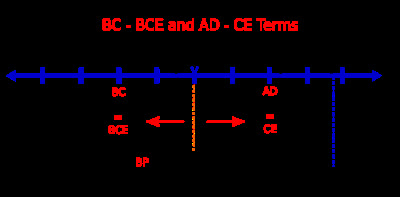
/ˈkɑː.mən ˈer.ə/
(noun) 서기, 공통 시대
예시:
The Roman Empire reached its peak in the second century of the Common Era.
로마 제국은 서기 2세기에 전성기를 맞이했습니다.