Avatar of Vocabulary Set ユニット5:ベトナムの驚異

9年生 内 ユニット5:ベトナムの驚異 語彙セット:完全かつ詳細なリスト

「9年生」内の「ユニット5:ベトナムの驚異」語彙セットは国際標準教材から厳選され、短期間で語彙をマスターできます。定義、例文、標準発音を網羅…

Lingolandでこの語彙セットを学習

今すぐ学習

administrative

/ædˈmɪn.ɪˌstreɪ.t̬ɪv/

(adjective) 管理の, 行政の

例:

She handles all the administrative tasks in the office.
彼女はオフィスでのすべての管理業務を担当しています。

astounding

/əˈstaʊn.dɪŋ/

(adjective) 驚くべき, 驚異的な, 目覚ましい

例:

The magician performed an astounding trick.
マジシャンは驚くべきトリックを披露した。

backdrop

/ˈbæk.drɑːp/

(noun) 背景幕, 背景, 状況

例:

The play used a beautiful hand-painted backdrop of a forest.
その劇では、森の美しい手描きの背景幕が使われた。

breathtaking

/ˈbreθˌteɪ.kɪŋ/

(adjective) 息をのむような, 素晴らしい

例:

The view from the mountain top was absolutely breathtaking.
山頂からの眺めはまさに息をのむほどだった。

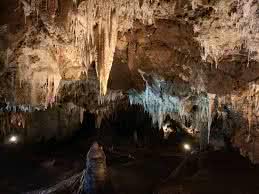
cavern

/ˈkæv.ɚn/

(noun) 洞窟, 大洞穴;

(verb) 洞窟状に削る, 洞窟を形成する

例:
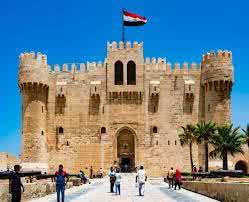
The explorers discovered a hidden cavern deep within the mountain.
探検家たちは山の奥深くで隠された洞窟を発見した。

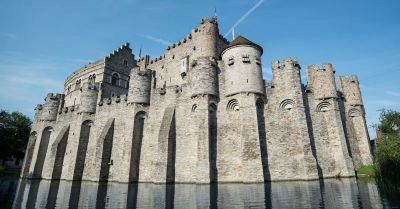
citadel

/ˈsɪt̬.ə.del/

(noun) 城塞, 要塞, 砦

例:

The ancient citadel stood proudly overlooking the city.
古代の城塞は街を見下ろして堂々と立っていた。

complex

/kɑːmˈpleks/

(adjective) 複雑な, 入り組んだ, 理解しにくい;

(noun) 複合施設, 団地, コンプレックス

例:

The human brain is a highly complex organ.
人間の脳は非常に複雑な器官です。

conserve

/kənˈsɝːv/

(verb) 保護する, 保存する, 節約する;

(noun) コンサーブ, ジャム

例:

We must conserve our natural resources for future generations.
私たちは将来の世代のために天然資源を保護しなければならない。

contestant

/kənˈtes.t̬ənt/

(noun) 出場者, 競技者

例:

Each contestant had to perform a song.
出場者は歌を披露しなければならなかった。

excited

/ɪkˈsaɪ.t̬ɪd/

(adjective) 興奮した, ワクワクした

例:

The children were very excited about their trip to the zoo.
子供たちは動物園への旅行にとても興奮していました。

fortress

/ˈfɔːr.trəs/

(noun) 要塞, 城塞, 拠点

例:

The ancient fortress stood proudly on the hill, guarding the city below.
古代の要塞は丘の上に堂々と立ち、下の街を守っていた。

geological

/ˌdʒi.əˈlɑː.dʒɪ.kəl/

(adjective) 地質学的な

例:

The area is known for its unique geological formations.
この地域は、そのユニークな地質学的な形成で知られています。

heritage

/ˈher.ɪ.t̬ɪdʒ/

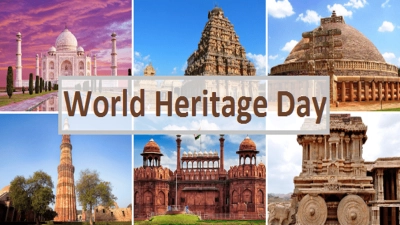
(noun) 遺産, 相続財産, 文化遺産

例:

The old house was part of her family's heritage.
その古い家は彼女の家族の遺産の一部だった。

honour

/ˈɑː.nɚ/

(noun) 名誉, 尊敬, 誠実さ;

(verb) 称える, 尊敬する, 守る

例:
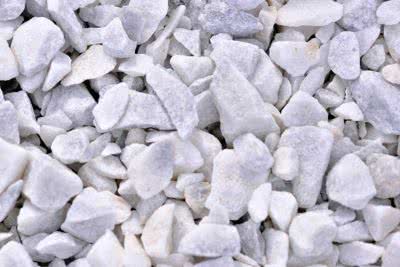
He was buried with full military honour.
彼は完全な軍事栄誉をもって埋葬された。

limestone

/ˈlaɪm.stoʊn/

(noun) 石灰岩

例:

The ancient temple was built from local limestone.
その古代の寺院は地元の石灰岩で建てられた。

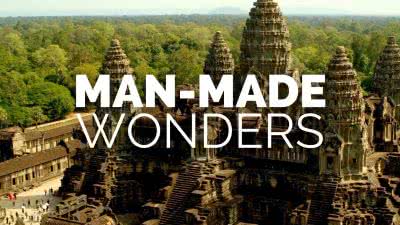
man-made

/ˈmæn.meɪd/

(adjective) 人工の, 人造の

例:

The lake is a man-made reservoir.
その湖は人工の貯水池です。

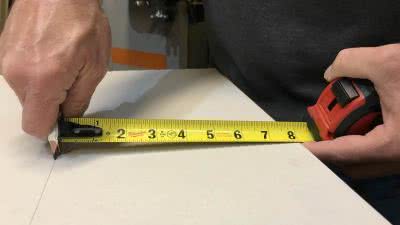
measure

/ˈmeʒ.ɚ/

(verb) 測定する, 測る, 〜の大きさである;

(noun) 尺度, 測定方法, 措置

例:
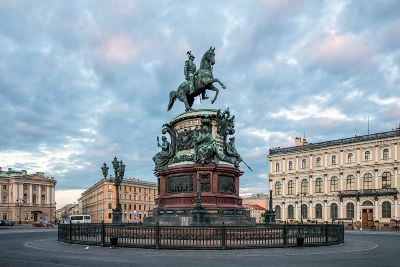
The tailor will measure you for a new suit.
仕立て屋が新しいスーツのためにあなたを採寸します。

monument

/ˈmɑːn.jə.mənt/

(noun) 記念碑, モニュメント, 永続的な証拠

例:

The Washington Monument is a famous landmark in the United States.
ワシントン記念塔はアメリカ合衆国の有名なランドマークです。

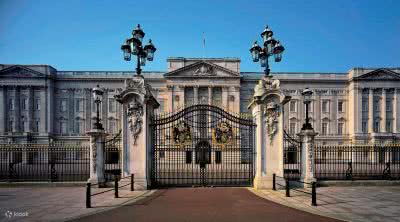
palace

/ˈpæl.ɪs/

(noun) 宮殿, 豪邸, 大邸宅

例:

Buckingham Palace is the official residence of the British monarch.
バッキンガム宮殿は英国君主の公邸です。

paradise

/ˈper.ə.daɪs/

(noun) 楽園, 天国

例:

The island was a true paradise with its white sands and clear waters.
その島は白い砂浜と澄んだ水がある真の楽園だった。

picturesque

/ˌpɪk.tʃərˈesk/

(adjective) 絵のように美しい, 風光明媚な

例:

The village is very picturesque with its old stone houses and narrow streets.
その村は古い石造りの家々と狭い通りがあり、とても絵のように美しい

pilgrim

/ˈpɪl.ɡrɪm/

(noun) 巡礼者, ピルグリム, 初期入植者

例:

Many pilgrims visit Mecca each year.
毎年多くの巡礼者がメッカを訪れます。

recognition

/ˌrek.əɡˈnɪʃ.ən/

(noun) 認識, 承認

例:

He received a medal in recognition of his bravery.
彼は勇敢さを認められメダルを受け取った。

reign

/reɪn/

(noun) 治世, 統治期間, 王位;

(verb) 統治する, 君臨する, 支配する

例:

Queen Victoria's reign lasted for 63 years.
ヴィクトリア女王の治世は63年間続いた。

religious

/rɪˈlɪdʒ.əs/

(adjective) 宗教的な, 信仰心の厚い, きちょうめん

例:

She comes from a very religious family.
彼女は非常に宗教的な家庭の出身です。

restore

/rɪˈstɔːr/

(verb) 回復する, 復活させる, 返還する

例:

The government promised to restore peace and order.
政府は平和と秩序を回復すると約束した。

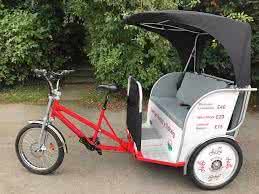
rickshaw

/ˈrɪk.ʃɑː/

(noun) 人力車

例:

We took a rickshaw ride through the old city.
私たちは古い街を人力車で巡った。

round

/raʊnd/

(adjective) 丸い, 円形の, きっかりの;

(noun) ラウンド, 回, 発;

(verb) 回る, 丸める, 四捨五入する;

(adverb) ぐるりと, 周りに;

(preposition) 周りに, 周囲に

例:
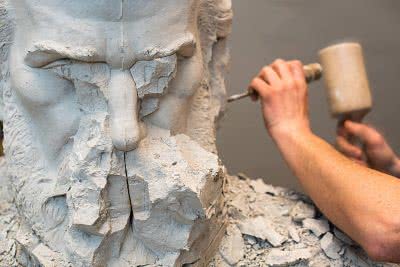
The table is round.
テーブルは丸い

sculpture

/ˈskʌlp.tʃɚ/

(noun) 彫刻, 彫刻芸術, 彫像;

(verb) 彫刻する, 形作る

例:
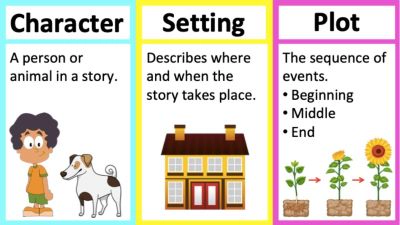
He studied sculpture at art school.
彼は美術学校で彫刻を学んだ。

setting

/ˈset̬.ɪŋ/

(noun) 舞台, 環境, 設定

例:

The movie's setting was a remote island.
映画の舞台は遠隔の島だった。

severe

/səˈvɪr/

(adjective) 深刻な, 激しい, 厳しい

例:

The patient is experiencing severe pain.
患者は激しい痛みを経験している。

souvenir

/ˌsuː.vəˈnɪr/

(noun) お土産, 記念品

例:

I bought a small statue as a souvenir of my trip to Paris.
パリ旅行のお土産として小さな像を買いました。

spectacular

/spekˈtæk.jə.lɚ/

(adjective) 壮観な, 華やかな, 壮大な

例:

The view from the mountain was spectacular.
山からの眺めは壮観だった。

structure

/ˈstrʌk.tʃɚ/

(noun) 構造, 構成, 建造物;

(verb) 構成する, 構築する

例:

The structure of the human body is incredibly complex.
人体の構造は信じられないほど複雑です。

theme

/θiːm/

(noun) テーマ, 主題, 旋律;

(verb) テーマにする, 主題とする

例:
The main theme of the novel is love and loss.
小説の主なテーマは愛と喪失です。

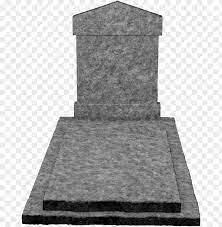
tomb

/tuːm/

(noun) 墓, 墓所;

(verb) 埋葬する, 墓に納める

例:

The ancient pharaoh's tomb was discovered by archaeologists.
古代ファラオのは考古学者によって発見された。
Lingolandでこの語彙セットを学習