
5年生 内 ユニット5: 今週末、どこにいますか? 語彙セット:完全かつ詳細なリスト
「5年生」内の「ユニット5: 今週末、どこにいますか?」語彙セットは国際標準教材から厳選され、短期間で語彙をマスターできます。定義、例文、標準発音を網羅…
Lingolandでこの語彙セットを学習
今すぐ学習
/ˈmaʊn.tən/
(noun) 山, 大量
例:
Mount Everest is the highest mountain in the world.
エベレストは世界で最も高い山です。

/ˈpɪk.nɪk/
(noun) ピクニック, 野外食事;
(verb) ピクニックをする
例:
We're planning a picnic by the lake this weekend.
今週末、湖畔でピクニックを計画しています。
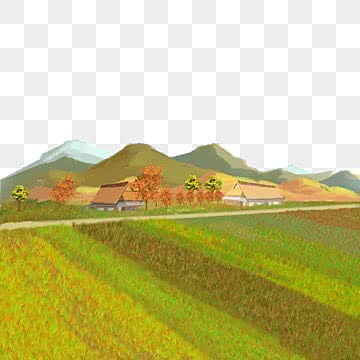
/ˈkʌn.tri.saɪd/
(noun) 田舎, 田園地帯
例:
We spent our vacation exploring the beautiful countryside.
私たちは美しい田園地帯を探索して休暇を過ごしました。

/biːtʃ/
(noun) ビーチ, 浜辺;
(verb) 座礁させる, 浜に上げる
例:
We spent the day relaxing on the beach.
私たちは一日中ビーチでリラックスして過ごした。



/ˈvɪz.ɪt/
(verb) 訪れる, 訪問する;
(noun) 訪問, 面会, 往診
例:
I'm going to visit my grandparents next weekend.
来週末、祖父母を訪ねるつもりです。


/ɪkˈsplɔːr/
(verb) 探検する, 探索する, 検討する
例:
They set out to explore the Amazon rainforest.
彼らはアマゾンの熱帯雨林を探検するために出発した。
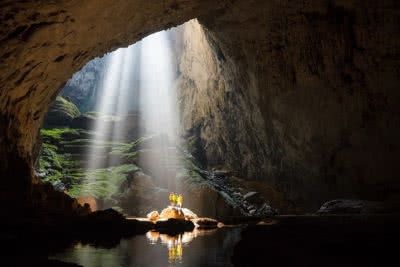
/keɪv/
(noun) 洞窟, ほら穴;
(verb) 屈する, 折れる
例:
The explorers discovered a hidden cave behind the waterfall.
探検家たちは滝の裏に隠された洞窟を発見した。
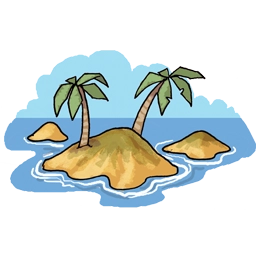
/ˈaɪ.lənd/
(noun) 島, アイランド, 分離帯
例:
We spent our vacation on a beautiful tropical island.
私たちは美しい熱帯の島で休暇を過ごしました。
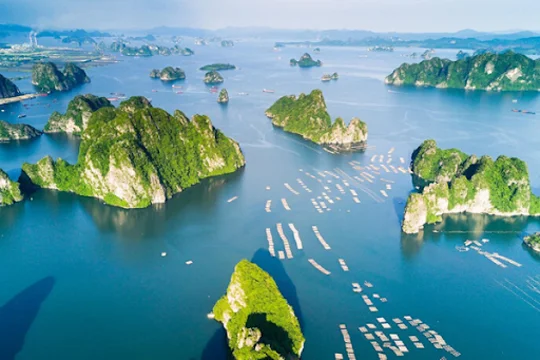
/beɪ/
(noun) 湾, 入り江, スペース;
(verb) 吠える, 遠吠えする
例:
The ship sailed into the calm bay.
船は穏やかな湾に航行した。


/ˈsændˌkæs.əl/
(noun) 砂の城
例:
The children spent hours building a magnificent sandcastle on the beach.
子供たちはビーチで壮大な砂の城を建てるのに何時間も費やした。




/sænd/
(noun) 砂;
(verb) やすりがけする, 研磨する
例:
The children played in the sand on the beach.
子供たちはビーチの砂で遊んだ。

/ˈsʌn.beɪð/
(verb) 日光浴をする
例:
She loves to sunbathe on the beach during her vacation.
彼女は休暇中にビーチで日光浴をするのが大好きです。

/bɪld/
(verb) 建てる, 構築する, 高まる;
(noun) 体格, 体つき
例:
They plan to build a new house next year.
彼らは来年、新しい家を建てる予定です。

/ækˈtɪv.ə.t̬i/
(noun) 活動, 動き, 行事
例:
There was a lot of activity in the kitchen.
キッチンでは多くの活動があった。

/ˈɪn.t̬ɚ.vjuː/
(noun) 面接, インタビュー, 会見;
(verb) 面接する, インタビューする
例:
She has an interview for a new job tomorrow.
彼女は明日、新しい仕事の面接があります。

/ɡreɪt/
(adjective) 大きい, 偉大な, 素晴らしい;
(adverb) 素晴らしく, 見事に
例:
The company achieved great success this year.
その会社は今年大きな成功を収めた。

/əˈraʊnd/
(preposition) 周りに, 周囲に, あたりに;
(adverb) あたりに, 周りに, 世界中を
例:
The fence goes around the garden.
フェンスは庭の周りにあります。

/hoʊm/
(noun) 家, 自宅, 故郷;
(adverb) 家に, 自宅で;
(adjective) 家庭の, 自宅の;
(verb) 帰る, 向かう
例:
I'm going home for the holidays.
休暇で家に帰ります。

/end/
(noun) 終わり, 最後, 端;
(verb) 終わる, 終了する, 終わらせる
例:
We reached the end of the road.
道の終わりにたどり着いた。