Avatar of Vocabulary Set ユニット2:都市化

グレード12 内 ユニット2:都市化 語彙セット:完全かつ詳細なリスト

「グレード12」内の「ユニット2:都市化」語彙セットは国際標準教材から厳選され、短期間で語彙をマスターできます。定義、例文、標準発音を網羅…

Lingolandでこの語彙セットを学習

今すぐ学習


abundant

/əˈbʌn.dənt/

(adjective) 豊富な, たくさんの, 豊かな

例:

Water is abundant in the region.
その地域では水が豊富です。

accelerate

/ekˈsel.ɚ.eɪt/

(verb) 加速する, 促進する, 早める

例:

The car began to accelerate as it entered the highway.
車は高速道路に入ると加速し始めた。

address

/ˈæd.res/

(noun) 住所, 演説, 講演;

(verb) 話しかける, 対処する, 宛名を書く

例:

Please write your name and address on the form.
フォームに氏名と住所を記入してください。

adequate

/ˈæd.ə.kwət/

(adjective) 十分な, 適切な, 足りる

例:

The food supply was barely adequate for the refugees.
食料供給は難民にとってかろうじて十分だった。

aggravate

/ˈæɡ.rə.veɪt/

(verb) 悪化させる, 重くする, いらいらさせる

例:

The loud music began to aggravate his headache.
大音量の音楽が彼の頭痛を悪化させ始めた。

alleviate

/əˈliː.vi.eɪt/

(verb) 和らげる, 軽減する, 緩和する

例:

The doctor prescribed medication to alleviate the pain.
医師は痛みを和らげるために薬を処方した。

ambitious

/æmˈbɪʃ.əs/

(adjective) 野心的な, 意欲的な, 困難な

例:

She is an ambitious young lawyer.
彼女は野心的な若い弁護士です。

anxious

/ˈæŋk.ʃəs/

(adjective) 不安な, 心配な, 熱心な

例:

She was anxious about her exam results.
彼女は試験の結果について不安だった

catastrophic

/ˌkæt̬.əˈstrɑː.fɪk/

(adjective) 壊滅的な, 悲劇的な

例:

The earthquake caused catastrophic damage to the city.
地震は都市に壊滅的な被害をもたらした。

compromise

/ˈkɑːm.prə.maɪz/

(noun) 妥協, 和解, 危険;

(verb) 妥協する, 危うくする, 損なう

例:
After long negotiations, they finally reached a compromise.
長い交渉の末、彼らはついに妥協点に達した。

congestion

/kənˈdʒes.tʃən/

(noun) 渋滞, 混雑, うっ血

例:

Traffic congestion is a major problem in big cities.
交通渋滞は大都市の主要な問題です。

criminal

/ˈkrɪm.ə.nəl/

(noun) 犯罪者, 犯人;

(adjective) 犯罪の, 刑事の

例:
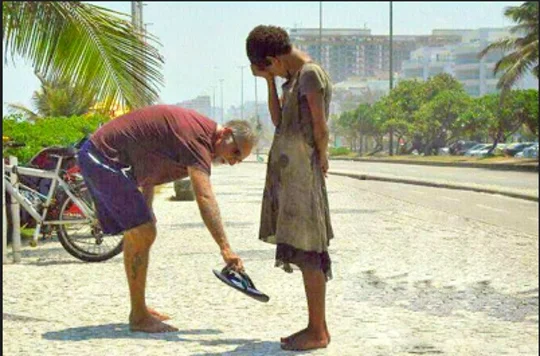
The police arrested the criminal after a long chase.
警察は長い追跡の末、犯人を逮捕した。

decent

/ˈdiː.sənt/

(adjective) まともな, きちんとした, 礼儀正しい

例:

He's a decent guy, always willing to help.
彼はまともな男で、いつも助けてくれる。

degrade

/dɪˈɡreɪd/

(verb) 貶める, 品位を落とす, 分解する

例:

It's wrong to degrade people based on their appearance.
外見に基づいて人を貶めるのは間違っている。

dense

/dens/

(adjective) 密な, 濃い, 鈍い

例:

The forest was so dense that sunlight barely reached the ground.
森は非常に密集していて、日光がほとんど地面に届かなかった。

deteriorate

/dɪˈtɪr.i.ə.reɪt/

(verb) 悪化する, 劣化する

例:

The weather conditions began to deteriorate rapidly.
気象条件は急速に悪化し始めた。

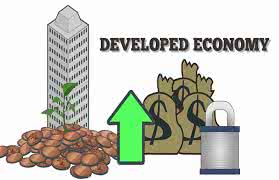
developed

/dɪˈvel.əpt/

(adjective) 発達した, 先進の, 成熟した;

(past participle) 開発した, 発展した

例:

Developed countries often have higher living standards.
先進国はしばしば生活水準が高い。

dilemma

/daɪˈlem.ə/

(noun) ジレンマ, 板挟み

例:

She was faced with the dilemma of whether to stay in her current job or take a new one with more responsibility.
彼女は現在の仕事を続けるか、より責任のある新しい仕事に就くかというジレンマに直面した。

emulate

/ˈem.jə.leɪt/

(verb) 模倣する, 見習う, 匹敵する

例:

She tried to emulate her favorite singer's vocal style.
彼女はお気に入りの歌手の歌唱スタイルを模倣しようとした。

exacerbate

/ɪɡˈzæs.ɚ.beɪt/

(verb) 悪化させる, 増悪させる, 激化させる

例:

The new policy will only exacerbate the problem of unemployment.
新しい政策は失業問題を悪化させるだけだろう。

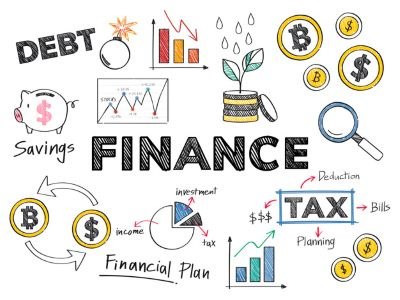
finance

/ˈfaɪ.næns/

(noun) 金融, 財政, 資金;

(verb) 融資する, 資金を提供する

例:

She works in the field of corporate finance.
彼女は企業金融の分野で働いています。

flourish

/ˈflɝː.ɪʃ/

(verb) 繁栄する, 栄える, 振り回す;

(noun) 身振り, 誇示, ファンファーレ

例:

The plants flourish in warm, humid climates.
植物は温暖で湿潤な気候で繁栄する

gross domestic product

/ˌɡroʊs dəˌmes.tɪk ˈprɑː.dʌkt/

(noun) 国内総生産

例:

The country's gross domestic product increased by 3% last year.
その国の国内総生産は昨年3%増加した。

illicit

/ɪˈlɪs.ɪt/

(adjective) 違法な, 不法な

例:

The police seized a large quantity of illicit drugs.
警察は大量の違法薬物を押収した。

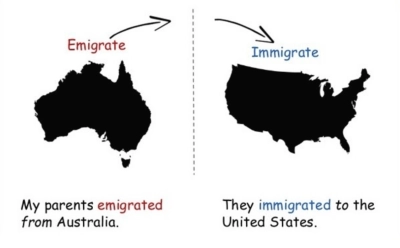
immigrate

/ˈɪm.ə.ɡreɪt/

(verb) 移住する, 移民する

例:

Many people immigrate to Canada for better opportunities.
多くの人々がより良い機会を求めてカナダに移住します。

infrastructure

/ˈɪn.frəˌstrʌk.tʃɚ/

(noun) インフラ, 社会基盤

例:

The country's aging infrastructure needs significant investment.
国の老朽化したインフラには多大な投資が必要です。

inhabitant

/ɪnˈhæb.ɪ.tənt/

(noun) 住民, 居住者

例:

The island's original inhabitants lived in harmony with nature.
その島の元の住民は自然と調和して暮らしていました。

initiative

/ɪˈnɪʃ.ə.t̬ɪv/

(noun) イニシアチブ, 率先, 計画

例:

She showed great initiative in organizing the event.
彼女はイベントの企画において素晴らしいイニシアチブを発揮した。

marginalize

/ˈmɑːr.dʒɪ.nəl.aɪz/

(verb) 疎外する, 無視する

例:

The new policy tends to marginalize the voices of minority groups.
新しい政策は、少数派グループの声を疎外する傾向がある。

massive

/ˈmæs.ɪv/

(adjective) 巨大な, 大規模な, 莫大な

例:

The building has a massive oak door.
その建物には巨大なオークのドアがある。

megacity

/ˈmeɡ.ə.sɪt̬.i/

(noun) メガシティ, 巨大都市

例:

Tokyo is a prime example of a modern megacity.
東京は現代のメガシティの典型的な例です。

migrate

/ˈmaɪ.ɡreɪt/

(verb) 移動する, 渡る, 移住する

例:

Birds migrate south for the winter.
鳥は冬に南へ移動します。

obstacle

/ˈɑːb.stə.kəl/

(noun) 障害物, 妨げ, 障壁

例:

The fallen tree was an obstacle in our path.
倒れた木が私たちの道の障害物だった。

outlying

/ˈaʊtˌlaɪ.ɪŋ/

(adjective) 離れた, 辺ぴな

例:

The company has several outlying branches.
その会社にはいくつかの離れた支店がある。

privileged

/ˈprɪv.əl.ɪdʒd/

(adjective) 特権のある, 恵まれた, 機密の;

(verb) 特権を与える, 優遇する

例:

Only a privileged few have access to the executive lounge.
エグゼクティブラウンジにアクセスできるのは、ごく一部の特権階級だけです。

propose

/prəˈpoʊz/

(verb) 提案する, 提議する, プロポーズする

例:

He proposed a new strategy for the company.
彼は会社のために新しい戦略を提案した

prospect

/ˈprɑː.spekt/

(noun) 見込み, 可能性, 展望;

(verb) 探す, 探鉱する

例:

The prospect of a long summer holiday is exciting.
長い夏休みの見込みはわくわくする。

prosperity

/prɑːˈsper.ə.t̬i/

(noun) 繁栄, 成功

例:

The country is enjoying a period of economic prosperity.
その国は経済的な繁栄の時期を迎えている。

recede

/rɪˈsiːd/

(verb) 後退する, 遠ざかる, 引く

例:

The floodwaters slowly began to recede.
洪水はゆっくりと引いていった

reform

/rɪˈfɔːrm/

(noun) 改革, 改善;

(verb) 改革する, 改善する, 更生させる

例:

The government promised significant reform in the education system.
政府は教育制度の抜本的な改革を約束した。

regulate

/ˈreɡ.jə.leɪt/

(verb) 調節する, 規制する, 管理する

例:

The thermostat regulates the temperature.
サーモスタットは温度を調節する

remedy

/ˈrem.ə.di/

(noun) 治療法, 薬, 解決策;

(verb) 改善する, 是正する

例:

There is no known remedy for the common cold.
風邪に効く既知の治療法はありません。

rural

/ˈrʊr.əl/

(adjective) 田舎の, 農村の

例:

She grew up in a small rural village.
彼女は小さな田舎の村で育った。

sanitation

/ˌsæn.əˈteɪ.ʃən/

(noun) 衛生設備, 公衆衛生, 衛生状態

例:

Improved sanitation is crucial for public health.
衛生設備の改善は公衆衛生にとって不可欠です。

scale

/skeɪl/

(noun) スケール, 規模, うろこ;

(verb) 登る, よじ登る, うろこを取る

例:

The Richter scale measures the magnitude of earthquakes.
リヒタースケールは地震の規模を測定します。

setback

/ˈset.bæk/

(noun) 後退, 挫折, 障害

例:

The project suffered a major setback due to funding cuts.
資金削減のため、プロジェクトは大きな後退を経験した。

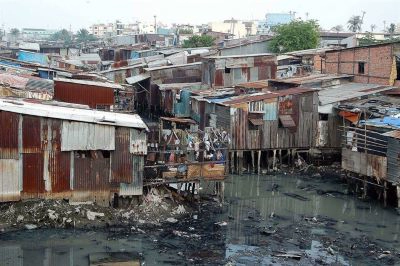
slum

/slʌm/

(noun) スラム, 貧民街;

(verb) スラムに住む, 質素な生活を送る

例:

Many people live in the slums of the city.
多くの人々が都市のスラム街に住んでいます。

staggering

/ˈstæɡ.ɚ.ɪŋ/

(adjective) 驚くべき, 途方もない;

(verb) よろめく, ふらつく

例:
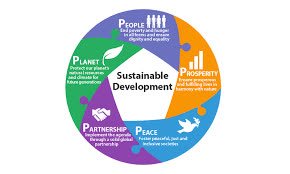
The cost of the project was a staggering amount.
プロジェクトの費用は驚くべき額だった。

sustainable

/səˈsteɪ.nə.bəl/

(adjective) 持続可能な, 維持できる, 環境に優しい

例:

The company aims for sustainable growth.
その会社は持続可能な成長を目指している。

thought-provoking

/ˈθɑːt.prəˌvoʊk.ɪŋ/

(adjective) 示唆に富む, 考えさせられる

例:

The documentary was incredibly thought-provoking, raising many questions about society.
そのドキュメンタリーは信じられないほど示唆に富んでおり、社会について多くの疑問を投げかけた。

urban

/ˈɝː.bən/

(adjective) 都市の, 都会の

例:

Urban areas often have higher population densities.
都市部はしばしば人口密度が高い。

utilize

/ˈjuː.t̬əl.aɪz/

(verb) 活用する, 利用する, 役立てる

例:

The company decided to utilize new technology to improve efficiency.
その会社は効率を改善するために新しい技術を活用することを決定した。

weather-beaten

/ˈweð.ərˌbiː.tən/

(adjective) 風雨にさらされた, 風化された

例:

The old sailor had a weather-beaten face.
その老水兵は風雨にさらされた顔をしていた。

wide-ranging

/ˈwaɪdˌreɪn.dʒɪŋ/

(adjective) 広範囲にわたる, 多岐にわたる

例:

The discussion covered a wide-ranging set of topics.
議論は広範囲にわたるトピックをカバーした。

make a living

/meɪk ə ˈlɪv.ɪŋ/

(phrase) 生計を立てる, 生活する

例:

It's hard to make a living as an artist.
アーティストとして生計を立てるのは難しい。
Lingolandでこの語彙セットを学習