Avatar of Vocabulary Set ユニット10:エコツーリズム

10年生 内 ユニット10:エコツーリズム 語彙セット:完全かつ詳細なリスト

「10年生」内の「ユニット10:エコツーリズム」語彙セットは国際標準教材から厳選され、短期間で語彙をマスターできます。定義、例文、標準発音を網羅…

Lingolandでこの語彙セットを学習

今すぐ学習
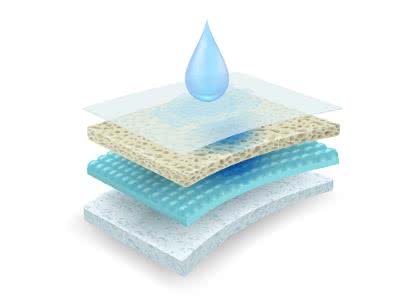
absorb

/əbˈsɔːrb/

(verb) 吸収する, 吸い込む, 理解する

例:

Plants absorb carbon dioxide from the air.
植物は空気中の二酸化炭素を吸収する

aware

/əˈwer/

(adjective) 気づいている, 認識している

例:

Are you aware of the risks involved?
関連するリスクを認識していますか?

brochure

/broʊˈʃʊr/

(noun) パンフレット, 小冊子

例:

I picked up a travel brochure at the agency.
旅行代理店で旅行パンフレットを手に取った。

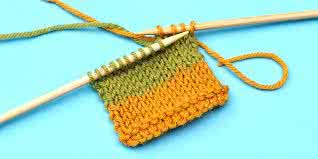
craft

/kræft/

(noun) 工芸, 手芸, 船;

(verb) 作る, 巧みに作り上げる

例:
She enjoys various forms of craft, such as knitting and pottery.
彼女は編み物や陶芸など、さまざまな工芸を楽しんでいます。

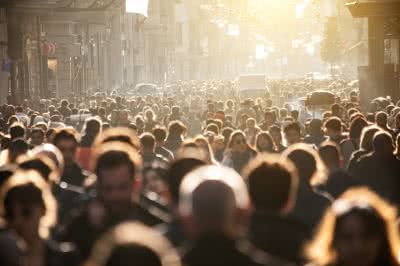
crowd

/kraʊd/

(noun) 群衆, 人混み, 大衆;

(verb) 群がる, 押し込む, 詰め込む

例:
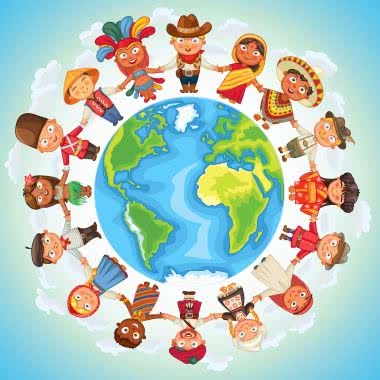
A large crowd gathered to watch the parade.
パレードを見るために大勢の群衆が集まった。

culture

/ˈkʌl.tʃɚ/

(noun) 文化, 培養;

(verb) 培養する

例:

Japanese culture is rich in tradition.
日本の文化は伝統が豊かです。

damage

/ˈdæm.ɪdʒ/

(noun) 損害, 損傷, 損害賠償;

(verb) 損害を与える, 傷つける

例:

The storm caused extensive damage to the roof.
嵐は屋根に甚大な損害を与えた。

disturb

/dɪˈstɝːb/

(verb) 邪魔する, 妨げる, 動揺させる

例:

Please don't disturb me while I'm working.
仕事中は邪魔しないでください。

eco-friendly

/ˌiː.koʊˈfrend.li/

(adjective) 環境に優しい, エコフレンドリー

例:

We should all try to use more eco-friendly products.
私たちは皆、もっと環境に優しい製品を使うべきです。

ecotourism

/ˈiː.koʊˌtʊr.ɪ.zəm/

(noun) エコツーリズム

例:

Many travelers are choosing ecotourism to experience nature responsibly.
多くの旅行者が責任を持って自然を体験するためにエコツーリズムを選んでいます。

explore

/ɪkˈsplɔːr/

(verb) 探検する, 探索する, 検討する

例:

They set out to explore the Amazon rainforest.
彼らはアマゾンの熱帯雨林を探検するために出発した。

field trip

/ˈfiːld trɪp/

(noun) 遠足, 校外学習

例:

The class went on a field trip to the science museum.
クラスは科学博物館へ遠足に行った。

follow

/ˈfɑː.loʊ/

(verb) ついて行く, 追う, 従う;

(noun) フォロワー, 趣味

例:

The dog followed its owner everywhere.
犬は飼い主のどこへでもついて行った

handmade

/ˌhændˈmeɪd/

(adjective) 手作りの, ハンドメイドの

例:

She bought a beautiful handmade rug from the market.
彼女は市場で美しい手作りの絨毯を買った。

host

/hoʊst/

(noun) ホスト, 主催者, 多数;

(verb) 主催する, ホストを務める, ホストする

例:
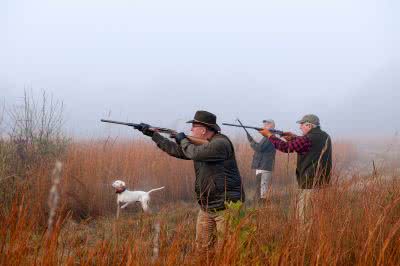
Our host greeted us warmly at the door.
私たちのホストはドアで私たちを温かく迎えてくれました。

hunt

/hʌnt/

(verb) 狩る, 狩りをする, 探す;

(noun) 狩り, 捜索

例:

They went out to hunt deer in the forest.
彼らは森に鹿を狩りに行った。

impact

/ˈɪm.pækt/

(noun) 衝撃, 衝突, 影響;

(verb) 影響を与える, 衝撃を与える, 衝突する

例:

The impact of the car against the tree was severe.
車が木に衝突した衝撃は大きかった。

knowingly

/ˈnoʊ.ɪŋ.li/

(adverb) 故意に, 承知の上で, 意味ありげに

例:

He knowingly violated the company's policy.
彼は故意に会社のポリシーに違反した。

land-based

/ˈlænd.beɪst/

(adjective) 陸上, 陸上ベースの

例:

The company is developing new land-based wind turbines.
その会社は新しい陸上風力タービンを開発している。

local

/ˈloʊ.kəl/

(adjective) 地元, 地域, 局所的;

(noun) 地元の人, 地域住民, 各駅停車

例:
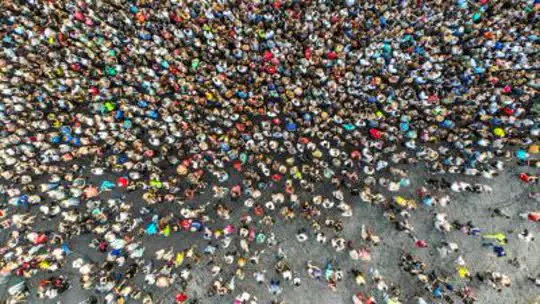
The local bakery makes the best bread.
地元のパン屋が一番美味しいパンを作っている。

mass

/mæs/

(noun) 塊, かたまり, 質量;

(verb) 集まる, 集結する;

(adjective) 大量の, 大衆の

例:
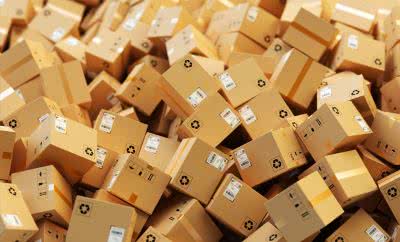
A huge mass of rock blocked the road.
巨大な岩の塊が道を塞いでいた。

packaging

/ˈpæk.ɪ.dʒɪŋ/

(noun) 包装, 梱包材, 梱包

例:

The fragile item was secured with bubble wrap packaging.
壊れやすい品物は、気泡緩衝材の包装で固定されていました。

path

/pæθ/

(noun) 道, 小道, 進路;

(verb) 道を作る, 経路を作る

例:

We followed the narrow path through the woods.
私たちは森の中の狭いをたどった。

profit

/ˈprɑː.fɪt/

(noun) 利益, もうけ, 得;

(verb) 利益を得る, もうける, 役立つ

例:

The company reported a significant profit this quarter.
その会社は今四半期に大幅な利益を報告した。

protect

/prəˈtekt/

(verb) 守る, 保護する

例:

The ozone layer protects us from harmful UV rays.
オゾン層は有害な紫外線から私たちを守っています。

responsible

/rɪˈspɑːn.sə.bəl/

(adjective) 責任がある, 担当の, 原因である

例:

You are responsible for your own actions.
あなたは自分の行動に責任があります。

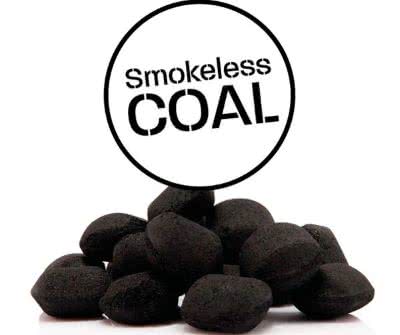
smokeless

/ˈsmoʊk.ləs/

(adjective) 無煙の

例:

They installed a smokeless fireplace in their new home.
彼らは新しい家に無煙暖炉を設置した。

souvenir

/ˌsuː.vəˈnɪr/

(noun) お土産, 記念品

例:

I bought a small statue as a souvenir of my trip to Paris.
パリ旅行のお土産として小さな像を買いました。

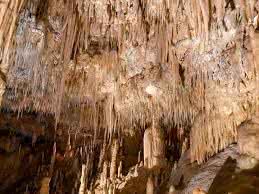
stalactite

/stə.ˈlæk.taɪt/

(noun) 鍾乳石

例:

The cave was adorned with numerous glistening stalactites.
洞窟は数多くのきらめく鍾乳石で飾られていた。

sunbathe

/ˈsʌn.beɪð/

(verb) 日光浴をする

例:

She loves to sunbathe on the beach during her vacation.
彼女は休暇中にビーチで日光浴をするのが大好きです。

surfboard

/ˈsɝːf.bɔːrd/

(noun) サーフボード

例:

He waxed his surfboard before heading to the beach.
彼はビーチに行く前にサーフボードにワックスを塗った。

surfing

/ˈsɝːfɪŋ/

(noun) サーフィン, 波乗り, 閲覧;

(verb) サーフィンしている, 閲覧している

例:

He loves surfing every weekend at the beach.
彼は毎週末ビーチでサーフィンをするのが大好きです。

trail

/treɪl/

(noun) 小道, 足跡, 跡;

(verb) 追跡する, たどる, 引きずる

例:

The hikers followed the narrow trail through the forest.
ハイカーたちは森の中の狭い小道をたどった。

up-close

/ˌʌpˈkloʊs/

(adjective) クローズアップ, 間近で;

(adverb) 間近で, 近くで

例:
The photographer took an up-close shot of the flower.
写真家は花のクローズアップ写真を撮った。

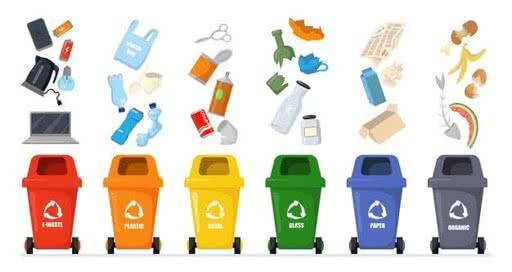
waste

/weɪst/

(noun) 廃棄物, ごみ, 無駄;

(verb) 無駄にする, 浪費する, 衰弱する;

(adjective) 荒れた, 不毛の

例:
The factory produces a lot of chemical waste.
その工場は多くの化学廃棄物を排出する。

weave

/wiːv/

(verb) 織る, 編む, 織り交ぜる;

(noun) 織り方, 織物

例:
She learned to weave baskets from natural fibers.
彼女は天然繊維でかごを編むことを学んだ。

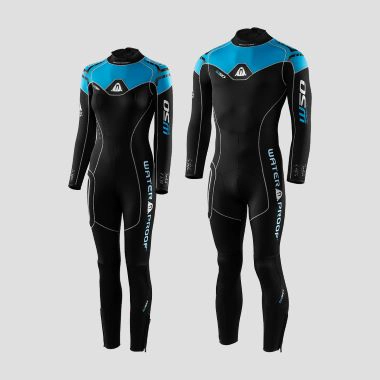
wetsuit

/ˈwet.suːt/

(noun) ウェットスーツ, 潜水服

例:

He zipped up his wetsuit before diving into the cold water.
彼は冷たい水に飛び込む前にウェットスーツのジッパーを上げた。
Lingolandでこの語彙セットを学習